
TL;DR

Turn quiet afternoons into listening time
- Thousands of audiobooks, podcasts and originals
- Listen on your phone, tablet or Echo — also offline
- Cancel anytime
A Yakima County resident died Sunday after being hospitalized with H5N1 bird flu following exposure at a dairy where cattle were infected, county officials said. The CDC said its genetic analysis found no changes suggesting the virus could spread more easily or cause more severe illness; the agency says the risk to the general public remains low.
A Yakima County resident has died after being hospitalized with H5N1 bird flu following exposure at a dairy with infected cattle, county health officials said. The death is the first reported U.S. bird flu death in a year, according to MedPage Today, and comes as officials monitor people connected to dairy-related infections.
The resident had pre-existing health conditions and was hospitalized before dying Sunday, county officials said. The CDC identified the infection as H5N1. County officials have not released further details about the person, including their age or the nature of their work at the dairy.
Yakima County officials have reported that 33 dairy herds recently tested positive for H5N1. They also said three human infections have been linked to exposure at a dairy. The Yakima Health District and Washington state health department are working to identify people who had close contact with those infected and monitor them for symptoms.
A CDC spokesperson said Monday that the agency examined the virus’s genetic sequence and found no changes indicating easier spread or increased severity. The CDC says there is no known person-to-person spread of H5N1 in the United States and that the risk to the general public is low.
Dairy Exposure Keeps Worker Risk in Focus
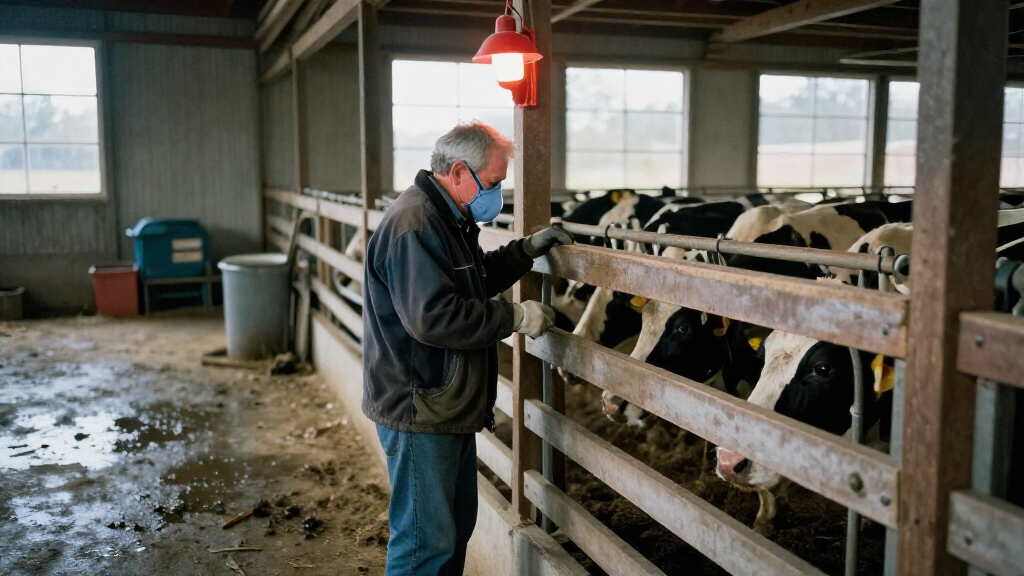
The death underscores the health risks for people who work with or spend time around infected livestock, even as federal health officials describe the risk to the wider public as low. H5N1’s presence among cattle and other animals creates more opportunities for people with direct exposure to become infected, public health officials have said.
Monitoring contacts can help health agencies identify possible additional cases and respond if people develop symptoms. The current report does not establish that the virus is spreading between people; officials have reported no known person-to-person transmission in the United States.
For people who handle poultry or other animals that are sick or dead, officials advise using protective equipment, including respiratory and eye protection and gloves. Farm workers and others with direct animal exposure are considered at greater risk than the general public.
Popular right now

Dyson Ball Animal 3 Upright Vacuum

LG 85-Inch QNED84B Mini LED 4K Smart TV (2026)

Hisense 85 U7 Mini-LED ULED 4K UHD Smart Google TV (85U7SG, 2026)
As an affiliate, we earn on qualifying purchases.
Earlier U.S. Bird Flu Deaths
H5N1 has circulated among wild birds, poultry, cattle and other animals for several years. Health concerns in the United States rose in early 2024, when infections began spreading among livestock. The CDC has reported more than 70 U.S. human infections since the start of 2024.
The source report says two other U.S. deaths have been tied to bird flu since the outbreak became a national public health concern in 2024. An elderly Louisiana resident died in January 2025 after contracting H5N1. A Washington state resident died in November 2025 from H5N5, a rarer strain. The current Yakima County death is reported as the first U.S. bird flu death in a year.
Animal infections do not by themselves establish that the virus has become more transmissible among people. In this case, the CDC’s genetic review found no changes associated with easier spread or greater severity, the agency spokesperson said.
“The resident had previous health conditions, was hospitalized and died Sunday.”
— Yakima County health officials, as reported by MedPage Today
Case Details and Exposure Scope
County officials have not disclosed the person’s age, specific underlying conditions, job, or the precise circumstances of the dairy exposure. The source report does not provide the date the person became ill or when the infection was confirmed.
It is also not clear how many people are being contacted or monitored, or whether any of them have developed symptoms. Officials have linked three human infections to dairy exposure, but the report does not specify when those cases occurred or whether they are connected to this patient’s exposure site.
The CDC’s genetic findings describe the virus sample analyzed; they do not provide a full account of how the person became infected or rule out changes in future samples. No person-to-person spread has been identified, according to the agency.
Health Teams Monitor Close Contacts
The Yakima Health District and Washington state health department are working to identify people who had close contact with infected individuals and monitor them for symptoms, county officials said. The report does not state how long monitoring will continue or whether officials plan to release further case details.
Health agencies are also tracking H5N1 among area dairy herds and human infections associated with exposure. People who have contact with sick or dead birds or other potentially infected animals are being urged to use protective equipment. Any further public update may clarify the scope of contact tracing and whether additional infections have been detected.
Key Questions
What caused the Yakima County resident’s death?
County officials said the resident died after complications from H5N1 bird flu. The person had underlying health conditions and had been hospitalized. Officials have not released further medical details.
How was the resident exposed to bird flu?
Officials said the resident was exposed at a dairy with infected cattle. The report does not provide more detail about the person’s activities or the exact circumstances of exposure.
Is H5N1 spreading between people in the United States?
The CDC says there is no known person-to-person spread in the United States. It described the risk to the general public as low.
What did the CDC find in its genetic analysis?
A CDC spokesperson said the virus sequence from the resident showed no changes associated with easier spread or more severe illness. The agency’s analysis applies to the sample examined.
Who is considered at higher risk?
People with direct contact with infected animals, including farm workers, are considered at higher risk than the general public. Officials advise protective equipment, such as respiratory and eye protection and gloves, when handling sick or dead birds.
Source: medpagetoday.com