
TL;DR

Turn quiet afternoons into listening time
- Thousands of audiobooks, podcasts and originals
- Listen on your phone, tablet or Echo — also offline
- Cancel anytime
Suction grab bars attach with vacuum cups and may help with temporary, light balance support on a smooth, compatible surface when installed and checked as directed. A drilled grab bar secured to suitable structural backing is generally the better choice for regular support with standing or transfers, but poor installation can still make it unsafe. Choose based on the person’s task, the wall, and the manufacturer’s instructions.
A grab bar can look solid in your hand and still be the wrong support for the job. In a bathroom, the difference between a brief touch for balance and putting your weight on a bar can matter a great deal.
Suction grab bars and drilled, permanently mounted bars solve different problems. One can suit a temporary setup or light balance aid on the right surface; the other is often a better fit for regular support, provided it is anchored to appropriate backing. Neither label alone tells you whether a bar is safe for a particular person.
This guide explains what each is actually for, why tile and wall construction matter, and what to check before choosing. For example, a guest who wants a steady hand while stepping into a smooth-walled shower may need something different from a person who relies on a bar to stand from a low seat.
Use suction grab bars only for a product-approved purpose and on a smooth, compatible surface where the seal can be maintained.
Do not assume a suction bar can bear your full weight just because it feels firm when pressed.
Choose a drilled bar for regular or substantial support only when fasteners reach suitable structural backing.
Plan placement around the person’s height, reach, and task; professional advice can help when needs or wall construction are unclear.
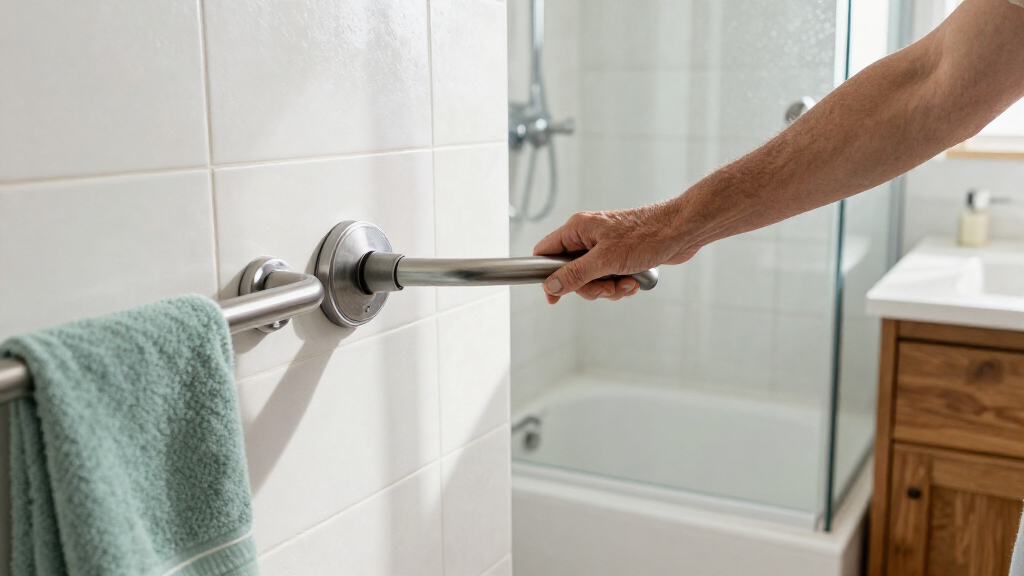
Treat a towel bar as a towel bar, never as a support for standing or catching a slip.
Suction Grab Bars vs Drilled Installation What Each Is Actually For
Choose support based on the person’s task, the wall, and the product instructions. A handhold that feels firm may still be wrong for bearing weight.
Two bars, different jobs
The mounting method shapes what each bar can support.
- Vacuum cups rely on a compatible surface and maintained seal.
- May suit temporary, light balance support as directed.
- Not a substitute for support when substantial weight-bearing is needed.
- Fasteners must reach a stud or suitable reinforcement.
- Generally better for regular support with standing or transfers.
- Drilling alone does not guarantee a safe installation.
Check the surface and backing
The wall behind the bar matters as much as the bar itself.
A reliable seal
Use only on a product-approved smooth, flat, nonporous surface. Grout, texture, moisture, dirt, or damage can undermine attachment.
Secure backing
Fasteners into drywall or tile without suitable anchors or backing may fail under load.
Match support to the task
A brief touch for balance calls for a different plan than pushing or pulling to stand.
Consider the person’s reach, movement, and whether they need light balance or substantial support.
Follow the maker’s instructions; verify surface compatibility for suction or suitable structural backing for drilled bars.
Place the bar where it can help with the actual movement. Ask a qualified installer or accessibility professional if the wall or placement is unclear.
Know what each grab bar is designed to do
Suction grab bars attach to compatible surfaces with vacuum cups and are generally meant for temporary or supplemental balance support. A drilled grab bar uses fasteners secured into suitable structural backing, such as a wall stud or installed reinforcement, and is typically the better choice for regular support with standing or transfers.
That distinction is about intended use, not appearance. A suction model may feel firm when you press it with your palm, but that quick test does not prove it can take the force of a person catching a slip. A permanently mounted bar may look reassuring, too, but fasteners attached only to drywall or tile without appropriate anchors or backing may fail under load.
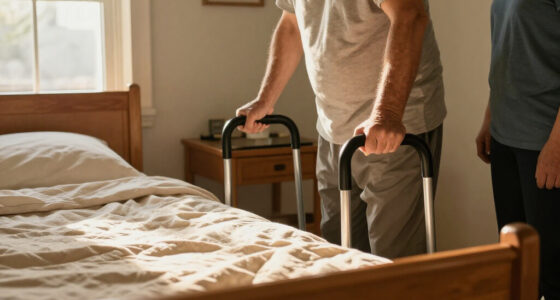
Think about a visitor who steadies themselves with one hand while moving into a shower. A temporary suction bar may suit that limited task if the surface and product instructions allow it. Someone who needs to pull or push against a bar to rise from a seat needs a support plan matched to that force and task, often including a correctly installed bar.
What each is comes down to mounting and purpose: cups depend on an ongoing seal, while drilled bars depend on secure structural attachment. The bar’s label, stated limits, warnings, and the user’s needs all belong in the decision.
Popular right now

Ninja Flip Toaster Oven & Air Fryer, 8-in-1, Stainless Steel, SP151

Dyson Ball Animal 3 Upright Vacuum – Corded, 290 AW, De‑tangling Motorbar Cleaner Head, 3 Suction Modes

Ninja Mega Kitchen System Blender and Food Processor, 1500W, 72-oz Pitcher, 8-Cup Bowl, Black (BL770)
As an affiliate, we earn on qualifying purchases.
Choose suction when you need temporary, light balance support
Suction grab bars may be useful for temporary setups, travel, or light balance support while entering or leaving a shower, provided the product is designed for that use and the surface is compatible. They offer a way to add a handhold without drilling, which can help when a permanent change is not practical.
Imagine staying in a rental with a smooth, flat shower wall. You might consider a suction bar as a supplemental handhold for a guest who wants a little reassurance stepping over the threshold. It still needs to sit exactly where the manufacturer allows, attach correctly, and be checked as directed. It should not quietly become the main support for someone who bears substantial weight on it.
The surface decides a lot. Cups typically need a smooth, flat, nonporous area with no grout line beneath them. Textured tile, uneven surfaces, porous material, or a wet or dirty mounting area can interfere with a reliable seal. Curved, flexible, or textured fiberglass and acrylic panels may also be unsuitable; check the maker’s compatibility instructions instead of guessing from appearance.
A suction bar is not automatically safe or unsafe just because it uses cups. Suitability depends on the product, surface, installation, condition, and intended use. A bar that shifts, loses its seal, or shows damage should not remain in use.
Use drilled mounting for regular support, with the right backing
Drilled, permanently mounted grab bars are generally the stronger fit when someone needs dependable support for standing, transfers, or reducing the chance of a fall during a regular bathroom task. They fasten to suitable structural backing, such as a stud or properly installed reinforcement, instead of relying on a vacuum seal at the surface.
Picture someone pushing through their arms to stand from a shower seat. That movement can put meaningful force on a bar. A properly placed bar attached to appropriate backing is designed for a different level of support than a temporary handhold, but “drilled” alone does not guarantee a sound installation.
Wall construction matters. A fastener driven only into drywall or tile, without suitable anchors or backing, may fail under load. The installer also needs to follow the bar maker’s instructions and account for the wall type, the user’s needs, and the task. If you cannot tell what sits behind the tile, a qualified installer can help identify an appropriate method.
Placement matters as much as attachment. A bar that is solid but out of reach may not help when someone steps over a tub edge or rises from a toilet. An occupational therapist or accessibility professional can help plan a location around the person’s height, reach, movement, and daily routine.
Compare the two options before you buy or install
Suction and drilled grab bars serve different needs: suction can suit a temporary, light balance aid on a compatible surface, while a drilled bar is generally better for repeated or substantial support when it has suitable backing. Compare the actual task and installation conditions before focusing on convenience or appearance.
| Question | Suction bar | Drilled bar |
|---|---|---|
| How does it attach? | Vacuum cups hold to a compatible surface. | Fasteners connect to a stud or suitable reinforcement. |
| What use may fit? | Temporary or supplemental light balance support, as directed. | Regular support for tasks such as standing or transfers, when properly installed. |
| What can undermine it? | Grout beneath cups, texture, dirt, moisture, unevenness, damage, or a weakened seal. | Missing backing, unsuitable fasteners, poor placement, or installation that ignores wall construction. |
| What should you check? | Surface compatibility, instructions, seal indicators, and continued attachment. | Backing, fasteners, placement, and installation instructions. |
For instance, smooth tile in a short-term guest shower may make a suction model worth considering for a limited balance task. The same bathroom could need a drilled bar for a family member who regularly uses their arms to rise. The location does not determine the answer; the person and task do.
Neither option is a fall-arrest device by default. Product descriptions and load ratings vary, so read the manufacturer’s stated use and warnings. Accessibility standards and building codes cover some settings, but they may not apply to every private home or product. Check local requirements for your situation.
Check a suction bar’s surface and seal each time
A suction bar needs a compatible surface and a maintained seal to work as intended. Before use, follow the manufacturer’s directions for installation and inspection, including any indicators that show whether the cups are attached correctly. Recheck it on the schedule the maker specifies.
Start by looking at where the cups will sit. Each cup usually needs a smooth tile face, clear of grout lines, texture, residue, and uneven edges. A bright, clean shower wall can still be the wrong shape or material; glossy appearance does not confirm compatibility. If you are unsure about an acrylic panel or curved wall, check the instructions or contact the manufacturer.
Then pay attention to movement and condition. If the bar shifts, loses suction, or shows damage, stop using it until you can resolve the issue according to the product directions. A quick tug may be part of a maker’s check, but it should not be treated as a test of full-weight capacity.
For example, after cleaning a shower, the mounting patch may still be damp. Waiting until the area meets the maker’s installation conditions can help prevent a poor seal. A bar that looked secure yesterday also needs the checks its instructions require today, because suction can weaken over time.
Plan a drilled bar around the person and the wall
A drilled bar needs both suitable structural backing and a useful position. The installer must match the fasteners and method to the wall construction, then place the bar where the user can reach it during the task. A secure bar in the wrong place may be hard to use; a well-placed bar without backing may not hold.
- Describe the task. Is the person stepping into a tub, standing from a seat, or transferring beside a toilet? Each movement calls for a different reachable handhold.
- Check the wall. Identify studs or suitable reinforcement behind the surface, and select fasteners and an installation method that fit that construction.
- Set the position for the user. Consider their height, reach, balance, and the direction they move. An occupational therapist or accessibility professional can help with this.
- Follow the bar maker’s instructions. If the wall or backing is unclear, have a qualified installer assess it before relying on the bar.
Suppose a person has trouble rising from a low shower seat. A bar placed near the entry may be easy to see but still out of reach during the push upward. A position chosen around the user’s actual movement can make the handhold more practical.
Renters should ask the landlord about permission for permanent drilling or accessibility modifications. A temporary suction model may be an option only when its intended use and surface conditions fit; it does not provide the same kind of structural attachment.
Avoid the common mistakes that make a bar unreliable
The biggest mistake is assuming that a bar’s mounting label proves it can support any person in any situation. Suction bars depend on surface and seal conditions; drilled bars depend on backing, fasteners, and placement. A towel bar is neither: it is not designed to support a person and should never be used as a grab bar.
- Do not place suction cups across grout. A grout line can interrupt the seal, so the cups generally need to sit entirely on smooth tile faces, subject to the product directions.
- Do not assume “drilled” means secure. Tile and drywall alone may not provide the needed backing; installation has to suit the wall.
- Do not treat a balance aid as a fall-arrest device. A handhold can help with a limited task without being designed to catch a person who is falling.
- Do not copy someone else’s placement. Reach and movement vary from one person to another, even in identical bathrooms.
For example, two showers can have the same white tile but different surfaces: one may be smooth and flat, the other textured or crossed by grout where the cups would land. Likewise, two bars can look identical while one is anchored to reinforcement and the other is attached only to wallboard.
Building codes and accessibility standards set requirements in some settings, though they may not cover every private-home installation. If the support is for a person with mobility needs, consult a qualified installer or occupational therapist about the individual task and local requirements.
Frequently Asked Questions
Can a suction grab bar support my full weight?
Do not assume it can. The product’s stated use and limits matter, and a bar that feels secure may still not be intended for full-weight support. If you need substantial support, discuss a properly mounted bar with a qualified installer or occupational therapist.
Are suction grab bars safe on tile?
They may be suitable only when the tile is smooth, flat, nonporous, and compatible with the product. The cups generally need to sit clear of grout lines. Textured or uneven tile can prevent a reliable seal.
Can I put a suction bar over grout?
Usually, the cups need to sit entirely on smooth tile faces because grout can interrupt the seal. Follow the specific product instructions, which explain where and how the cups should attach.
Can I install a drilled grab bar myself?
Some people can install one if they can identify appropriate backing and follow the correct method and fastener instructions. If you are unsure what is behind the wall or how to secure the bar, ask a qualified installer to assess it.
Can I put a grab bar in a rental?
Permanent drilling may require the landlord’s approval, so ask about the property’s rules and any approved accessibility modifications. A suction bar may be a temporary option only if the surface and intended use are suitable; it is not a substitute for structural support.
Where should a grab bar go?
Placement depends on the person’s height, reach, mobility, and task, such as stepping into a tub or standing from a toilet. An occupational therapist or accessibility professional can recommend a position tailored to the user rather than copied from another bathroom.
Conclusion
Choose the bar around the support the person needs: a suction model may fit a temporary, light balance task on a compatible surface, while regular or substantial support generally calls for a correctly installed bar with suitable backing. Check product instructions, the wall, and the person’s movement before relying on either option.
A bathroom handhold should meet the hand where the task happens—and stay attached when it matters.