
TL;DR

Turn quiet afternoons into listening time
- Thousands of audiobooks, podcasts and originals
- Listen on your phone, tablet or Echo — also offline
- Cancel anytime
A safer bedroom setup starts with a bed that lets you sit with both feet flat on the floor, reachable lighting that clearly shows the route, and a floor free of loose rugs, cords, and clutter. Test the setup at night, tailor it to the person’s mobility and vision, and ask a health professional or occupational therapist for help after falls or when transfers feel difficult.
Use the feet-flat-at-the-bed-edge check as a starting point, then account for the person’s mattress, mobility, and transfer needs.
Put light controls within reach and use even lighting to show the floor and turns along the nighttime route.
Remove loose rugs, clutter, low objects, and unsecured cables from the path between bed and bathroom.
Test motion lights and other changes at night; keep a reachable manual light and backup option.
Seek advice from a health professional or occupational therapist after falls, persistent unsteadiness, or difficult transfers.
Bedroom Setup for Safer Nights
Small changes to bed height, lighting, and clear pathways can make nighttime trips easier to see and manage. The right setup depends on the person and how they move.
Start with a personal fit
There is no universal safe bed height. Use these checks as a starting point, then tailor the setup to mobility and transfer needs.
Feet flat at the edge
Check that both feet rest flat on the floor and standing does not feel like a struggle.
Keep the bed steady
Use purpose-made, compatible equipment as instructed; avoid improvised risers.
Fit the way you move
Wheelchair users and people using transfer aids may need a height chosen for that transfer.
Make the route visible
Light the floor and turns between bed and bathroom without creating glare or harsh shadows.
Keep a bedside lamp or switch within reach before standing.
Place low-level lights where they show the floor and changes in direction.
Check motion lights from bed and along the route; keep a manual light and flashlight accessible.
Clear the walking path
Walk the usual route and move anything that could catch a foot or force a detour.
- Loose rugs and clutter
- Trailing cords and low objects
- Cables across the walking path
- Glasses and phone
- Lamp control and mobility aid
- Footwear and clothing that move securely
Walk through it at night
Test the setup in the conditions you actually use it, then adjust one thing and repeat.
Check bed height by sitting down and standing up
A useful bed height lets you sit at the edge with both feet flat on the floor and stand without struggling. With your feet planted, your knees should sit roughly level with or a little lower than your hips. Treat this as a starting check, not a fixed measurement: your body, mattress, and way of moving all matter.
Try the check in the daytime, wearing the footwear you normally use indoors. Sit near the edge and notice whether the mattress sinks, slides, or feels steady. If you need to push hard with both hands, rock forward repeatedly, or let your feet dangle, the height or mattress feel may be making the movement harder.
For instance, a person with stiff knees might find a low bed difficult to rise from, while a high, soft bed may leave another person’s feet hanging above the floor. The right height is personal. A wheelchair user or someone using a transfer aid may need a bed height chosen for that specific transfer, rather than the feet-flat test alone.
If you need a change, use equipment made for the bed and follow its fitting instructions. Improvised blocks and poorly fitted risers can make a bed unstable, even if they appear sturdy. If getting in or out still feels unsteady, ask an occupational therapist or other qualified professional to assess the setup with you.
Popular right now

Samsung 65-Inch The Frame Pro Neo QLED 4K TV (2026) Bundle with Modern Brown Bezel, HDMI Cables, and Home Theater Guide

Dyson V15 Detect Cordless Vacuum

Vitamix 5-Speed Immersion Blender 3-Piece Bundle with Whisk and Storage Case
As an affiliate, we earn on qualifying purchases.
Put light where your feet need it
Good bedroom lighting makes the floor and the route to the bathroom visible before you stand. Keep a bedside lamp or wall switch within reach, then add low-level light along the route if dark patches or changes in direction are hard to see. The light should reveal the floor without shining straight into your eyes.
Test the room the way you use it: lie in bed, reach for the control, switch on the light, and look toward the doorway. Then walk the route at night. A lamp that brightens the bed but leaves a shadow by the door may not help where you need it most. Even light is often easier to use than a bright pool surrounded by darkness.
For instance, a plug-in night-light near a hallway turn might show the edge of the wall and the floor without lighting the whole room. Motion-activated lights can be convenient, but they should turn on promptly and reliably. If the sudden brightness startles someone, or the sensor misses a slow step, a reachable manual light remains useful.
Keep a flashlight or backup light where you can reach it from bed in a power outage. Choose controls that are easy to operate if you have limited vision, grip, or dexterity. Test every light from the bed and along the full route; its placement and brightness matter as much as the type of light.
Clear a route you can walk without detours
A clear route from bed to doorway or bathroom gives your feet fewer things to catch or step around. Move loose rugs, trailing cables, laundry, and low objects out of the usual path. Keep necessary cords secured against a wall, and leave enough open floor to turn without squeezing between furniture.
Walk the route in daylight first, then check it again with the nighttime lighting you plan to use. That second pass can reveal a dark cable or the corner of a basket that disappears when the room is bright. If a bedside table sits in the way, shift it slightly rather than relying on memory to avoid it in the dark.
For instance, someone who keeps a phone charger beside the bed can route its cable behind furniture instead of across the first few steps. Put frequently used items—such as glasses, a phone, and the lamp control—where they are easy to reach before standing. That simple change can reduce stretching and searching while half-awake.
Footwear and nightwear also affect the path. Long hems can brush the floor, loose slippers can shift, and socks on a smooth surface can slide. Choose clothing and footwear that let you move securely. A bare, uncluttered floor is usually easier to navigate than a loose rug placed beside the bed.
Use this nighttime walkthrough to spot trouble
A short walkthrough helps you check whether the bedroom works in the conditions you actually face at night. Set up the route, lighting, and bed as usual, then try the sequence slowly. You’re looking for snags, hard-to-reach controls, and moments when you feel unsure—not trying to prove that the room is risk-free.
- Before bed: Put glasses, phone, mobility aid, and light controls within easy reach.
- From the bed: Turn on the bedside light or check that the night-light comes on as expected.
- At the edge: Sit down, place your feet, and check that you feel stable before standing.
- Along the route: Walk to the doorway or bathroom and notice shadows, cords, and tight turns.
- Afterward: Move an obstacle or adjust a light, then repeat the walk to see whether the change helped.
For instance, a light might work when you wave your hand but fail to activate when you take a slow first step. Testing it from bed and throughout the route can expose that gap. If a mobility aid is part of the routine, include it in the walkthrough and place it where you can reach it safely.
Change one thing at a time when you can. If you move a table and add a brighter light on the same evening, it may be harder to tell which change solved the problem—or created glare. Repeat the walkthrough after rearranging furniture so the familiar route stays clear.
Choose lighting and bed changes that fit the person
The best bedroom setup depends on who uses it and how they move. A reachable lamp may be enough for one person; another may need low-level route lighting or a transfer assessment. More equipment does not automatically make a room easier to use. A bright sensor light can cast harsh shadows, and a riser that suits one bed may not fit another.
| Change | Can help when | Check before relying on it |
|---|---|---|
| Bed height adjustment | Sitting down or standing feels difficult | Confirm stability, compatibility, and the needs of any transfer aid |
| Night-light | The route has dark patches or a turn | Aim it at the floor and avoid direct glare |
| Motion-activated light | You want light to come on without reaching for a switch | Test activation speed, consistency, and whether it startles the user |
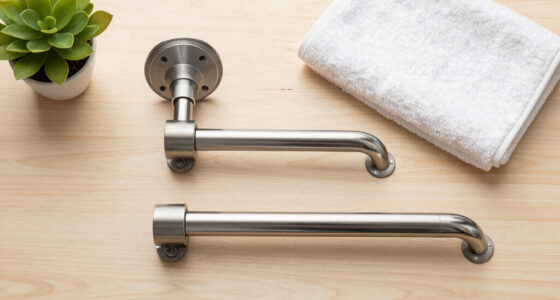
| Grab bar or transfer aid | A specific movement needs extra support | Get advice on placement, installation, and the wall structure |
Imagine two people sharing a room: one walks independently, while the other uses a wheelchair for some transfers. A single bed-height rule may not suit both. They may need an arrangement chosen around the person who uses the bed and the way that person transfers, with professional input if they cannot agree on a safe, workable setup.
Simple, reachable switches and a backup light still have a place even if you use smart lighting. Technology can add convenience, but it should not be the only way to see the route or turn on a light. Choose each change for a specific difficulty, then test whether it solves that difficulty in everyday use.
Know when a room adjustment needs professional advice
Ask a qualified health professional about repeated falls, persistent unsteadiness, or difficult transfers. A clearer route and better light can address hazards in the room, but falls may have causes that a bedroom rearrangement cannot identify. A clinician can discuss health concerns, while an occupational therapist can assess how a person moves through the bedroom and where support may help.
For instance, if someone catches a foot on the same threshold after you clear the floor and improve the lighting, there may be a mobility or vision issue worth discussing. A professional can look at the whole route, not just the bed: the doorway, turning space, bathroom approach, and any aid used along the way.
Grab bars and transfer aids may help with particular movements, but their location and installation need to match the person and the structure they attach to. A bar placed where it looks convenient can still be awkward to reach. Ask for an assessment if you’re unsure where it belongs or whether it suits the transfer.
There is no single bedroom arrangement that removes fall risk for everyone. Needs can change, too, after an illness, injury, or change in mobility. Use practical room changes to support safer movement, and seek professional advice when falls or balance problems persist.
Frequently Asked Questions
How high should a bed be for safety?
There is no universal measurement. A useful starting point is sitting at the edge with both feet flat on the floor and knees roughly level with or slightly lower than the hips, then checking whether standing feels manageable. Wheelchair users and people using transfer aids may need a height chosen for that movement.
Are bed risers safe to use?
Purpose-made risers may work when they suit the bed and are fitted according to their instructions. Avoid improvised or poorly fitted supports, which can make the bed unstable. If you are unsure about compatibility, ask a qualified professional.
Where should I put night-lights?
Place them to show the floor along the route you use, including turns or changes in direction. Aim the light away from your eyes so it does not create glare, and walk the route at night to check for shadows.
Are motion-activated lights a good idea?
They can help if they activate promptly and consistently without startling the person. Test them from the bed and along the whole route. Keep a reachable manual light as a backup.
Should I keep a rug beside the bed?
A loose rug can shift or catch a foot, especially on a nighttime trip. A clear, uncluttered floor is generally easier to navigate. Remove the rug if it sits in the walking route.
What should I keep within reach of the bed?
Keep items you may need before standing—such as glasses, a phone, the light control, or a mobility aid—where you can reach them safely. This helps reduce stretching or searching in the dark.
What should I do if someone keeps falling at night?
Review the bed, lighting, route, footwear, and nightwear, and seek advice from a health professional. Repeated falls can have causes beyond the room layout, so an occupational therapist or clinician may help assess the person and the full route.