
TL;DR

Turn quiet afternoons into listening time
- Thousands of audiobooks, podcasts and originals
- Listen on your phone, tablet or Echo — also offline
- Cancel anytime
A firm, stable seat and a clear standing route can make it easier for a parent to rise from low furniture, but no cushion, riser, or assist pole suits everyone. Check fit and stability, avoid pulling on the person’s arms, and ask a physical or occupational therapist to assess persistent or changing difficulty.
Observe whether the difficulty happens in one soft, low seat or across several chairs; the difference can help guide your next conversation with a therapist.
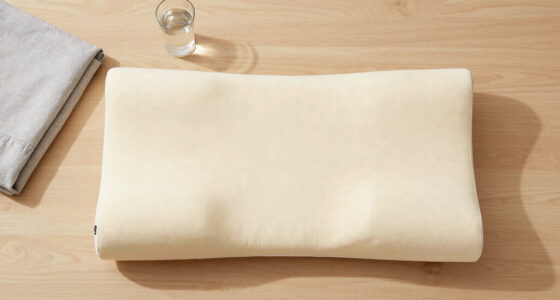
Choose a firm cushion only if it stays put, reduces sinking, and lets your parent sit with steady support and feet supported.
Use risers only when they fit the furniture, support every leg evenly, and leave the seat stable on the floor.
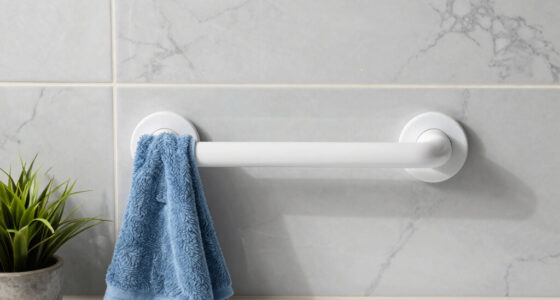
Set an assist pole according to its instructions and place it within easy reach; stop if it shifts or encourages twisting.
Avoid pulling your parent by the arms, clear the walking route, and seek qualified guidance when standing remains difficult or changes suddenly.
Help your parent rise with a steadier setup
Low or soft furniture can make standing harder, but the right adjustment depends on the person, the seat, and the route ahead.
Find what makes standing difficult
Notice whether the struggle happens in one seat or across several, and watch for pain, weakness, dizziness, or balance changes.
Low or soft
Sinking into a deep seat can leave less room to shift forward and stand.
Pain or weakness
Difficulty across several seats may point beyond the furniture.
Dizziness or instability
A higher seat cannot address faintness or a broader mobility change.
Choose an adjustment that stays steady
Check the setup with your parent’s actual furniture and usual sitting position.
| Option | May help when | Check first |
|---|---|---|
| Firm cushion | The seat feels low or compresses deeply | It stays put; feet remain supported |
| Furniture risers | The furniture legs or base fit securely | Every leg sits level; the seat does not wobble |
| Assist pole | A stable handhold is needed nearby | It is installed as instructed and does not shift |
Make the standing route safer
Give your parent time and keep the next steps clear.
Sit forward and place both feet flat, slightly behind the knees, if safe to do so.
Lean the chest forward and push from armrests or another stable surface.
Wait before moving, especially if light-headed, and keep the route clear.
Avoid unsafe supports
A change that helps the rise can still make the whole transfer less stable.
- Do not pull your parent by the arms.
- Do not improvise risers with stacked books or blocks.
- Keep loose rugs and clutter out of the route; avoid using lightweight tables as handholds.
- Stop if a cushion slides, a riser wobbles, or a pole shifts.
Find out why standing feels hard before changing the chair
Helping a parent get up from low furniture starts with noticing what makes the movement difficult: the seat may be too low or soft, or the problem may involve pain, weakness, balance, dizziness, or difficulty following the steps. These causes can look similar from across the room but call for different responses. Raising a seat may help someone who sinks into a low sofa; it won’t resolve faintness or weakness, and an adjustment that changes one part of the movement can make another part harder. Watch a typical attempt from nearby, without rushing your parent. Do they sink into the sofa cushion? Do their feet slide forward? Do they rock several times before standing, hold their breath, or reach for a small table? Each detail points to a different demand the transfer is placing on them. For example, a deep, compressible cushion can leave the person starting from a lower position than expected, while feet that slide forward make it harder to push through the legs. These observations are more useful to a therapist than a general report that the chair is difficult. Compare what happens in different seats, if your parent can use them safely. If they rise smoothly from a firm dining chair but struggle in the soft living-room sofa, seat height and compression may be contributing. If they struggle across several seats, the issue may be less about one piece of furniture and more about a change in strength, pain, balance, or health. New pain, faintness, or noticeably weaker legs should not be treated as a furniture problem alone; sudden or worsening changes deserve medical attention. There is no single ideal chair height for everyone. A higher seat can reduce the effort needed to rise, but if it is too high your parent’s feet may no longer rest securely, reducing their sense of stability. The useful adjustment is one that makes rising easier while preserving a secure sitting position and supported feet. A physical or occupational therapist can observe your parent using their own furniture and weigh these tradeoffs alongside their strength, balance, and home.Popular right now

Bose QuietComfort Headphones (2nd Gen), Wireless Over-Ear Noise-Cancelling Headphones, Eucalyptus Green

Ninja Luxe Café Mini Espresso and Drip Coffee Machine, Stainless Steel, ES301

Dyson R3 Nurovi Spot+Scrub UV Robot Vacuum
As an affiliate, we earn on qualifying purchases.
Try a firm cushion when the seat feels too low or soft
A firm, supportive cushion can raise a sitting surface and reduce how far your parent sinks, which may make standing easier when a chair is too low or soft. Its value depends on more than added height: it must stay in place and leave your parent balanced, with their feet supported. A thick or squishy cushion can raise the seat while giving way unevenly under the body, making it harder to shift weight forward or push up. Think about what happens when your parent sits down. If a living-room sofa compresses deeply under them, they may start from a lower position than the sofa’s appearance suggests. A dense cushion that barely compresses may bring the sitting surface closer to the firm chair they already use comfortably. But raising the seat changes the relationship between the hips, knees, and feet. The aim is not simply to make the chair taller; it is to give your parent a steady starting position from which they can place their feet and rise without excessive strain. Check the cushion on the actual chair. Does it slide when your parent leans forward? Does it bunch against the back? Do their feet still rest flat on the floor? A cushion that shifts can take support away mid-transfer; one that pushes them forward or leaves their feet unsupported may reduce stability even if standing initially feels easier. Try the same familiar transfer slowly, with a responsible adult nearby and the walking route clear. Stop if your parent feels unsteady or uncomfortable, because a successful rise alone does not show that the whole transfer is safe. For instance, a parent who can rise from a firm dining chair but sinks into a plush armchair might benefit from a stable seat cushion. But if they feel dizzy, have joint pain, or cannot stand safely even from a firm seat, don’t treat a cushion as the answer. The cushion can address the seat’s height or compression, not the reason for dizziness or a broader mobility change. Ask a qualified professional to assess what is contributing.Use furniture risers only when every leg sits securely
Furniture risers can lift a chair or sofa to make the sitting surface higher, but they change the support beneath the whole piece of furniture. They are suitable only when each riser fits securely and sits level on a firm floor. A poorly matched set can make the furniture rock, slide, or carry weight unevenly; added height does not help if the seat becomes less stable while your parent pushes up. Before considering risers, look underneath the furniture. Separate legs may fit compatible risers, while angled feet, casters, unusual bases, or a continuous sofa base can make the setup unsuitable. Read the manufacturer’s instructions, including weight limits and how the risers must support the furniture. Don’t improvise with stacked books or blocks: these can shift or compress under load, and their failure may happen just as your parent is leaning forward and relying on the chair for support. After installation, check that every leg is seated correctly and that the furniture feels steady when gently tested. Then consider what the extra height changes around it. A raised sofa may sit closer to a table or change the step into a walkway; a parent who stands more easily but then reaches for a wobbly side table has not gained a safer route. The adjustment needs to work for both rising and moving away from the seat. For example, a straight-legged armchair on a firm, level floor may be a reasonable candidate for risers designed to fit those legs. A sofa with angled feet on thick carpet may not be, because the feet and floor can make even support difficult to achieve. When the furniture or floor makes the fit uncertain, ask a therapist or the manufacturer for advice rather than testing a questionable setup with your parent.Match an assist pole to the chair and the room
An assist pole or transfer handle can give your parent a handhold while standing, but a handhold only helps if it remains secure when used and lets them move naturally. A pole that shifts under pressure, sits beyond comfortable reach, or makes the person twist can turn a source of support into a new risk. The device should suit the installation and the person’s movement, not just fit in the available space. Some poles use tension between the floor and ceiling; other handles attach to particular furniture or a bed. Those designs are not interchangeable. Follow the manufacturer’s instructions and check that the floor, ceiling, furniture, and surrounding space suit the specific device. This matters because a pole may appear firmly installed but still be unsuitable for the surface or structure it relies on. The person should be able to place a hand on it naturally without reaching far behind, leaning sideways, or pulling with their whole body weight. Picture a parent rising from an armchair. A handle placed where they can grip it comfortably may give them a stable point to push from. A pole set too far behind them can prompt a twist as they stand, changing the direction of their movement when they need to shift their weight forward. If it loosens under pressure, the support can move at the moment they rely on it. Watch how your parent uses the pole; secure installation is necessary, but it does not guarantee that the position suits their abilities. An assist pole can be a useful aid for someone who can stand with a reliable handhold, but it does not replace assessment when your parent cannot rise safely. If they need more help than a stable handhold provides, a pole may encourage them or a caregiver to take on a transfer it cannot safely support. Discuss options with a physical or occupational therapist. The therapist can observe the movement and advise whether another aid, including a powered lift chair, deserves consideration.Use a steady standing sequence and give your parent time
Helping a parent get up from low furniture is usually steadier when they move toward the seat’s edge, plant both feet, lean their chest forward, and push from a stable surface. These steps help bring their weight over their feet before they rise. Rushing can interrupt that shift and leave them reaching or pushing from an unstable position. Give them time to complete each part, and have them pause before walking if they feel light-headed.- Move toward the edge. Your parent should shift forward in the seat without sliding into an unstable position. Moving forward gives their body room to lean, but they should stop where they still feel secure.
- Place both feet flat. If they can do so comfortably, their feet should be slightly behind their knees, with stable footwear on. This gives them a base to push through; feet too far forward can make it harder to bring their weight over them.
- Lean the chest forward. A gentle forward lean brings their weight over their feet; avoid rushing them through the movement. The amount they can lean depends on comfort, balance, and ability, so do not force the position.
- Push from a stable surface. They can use the armrests or a suitable, secure handhold if that matches their abilities. A surface that shifts or a handhold that requires twisting may not help, even if it is nearby.
- Pause before walking. Let them stand steady and notice how they feel before taking steps. This pause makes it easier to notice light-headedness or loss of balance before they start moving.