TL;DR
Listen free for 30 days with Audible
Thousands of audiobooks and originals — cancel anytime.
Start your free trialAs an affiliate, we earn on qualifying purchases.
Properly placed grab bars are crucial for bathroom safety. Key spots include near the toilet, inside the shower, and at the entrance. Correct height, secure mounting, and quality materials matter most.
Imagine slipping on a wet bathroom floor. The sudden jolt of fear, the quick reaction to catch yourself. That’s where a well-placed grab bar can turn a potential fall into a quick, confident grab. It’s about safety, yes, but also about peace of mind. You’ll learn exactly where to position these essential safety features for maximum support. No fluff, just practical advice you can trust.
Whether it’s for aging in place, recovering from surgery, or just everyday safety, knowing where to install grab bars makes a real difference. Your bathroom should be a safe haven, not a hazard zone. Read on to discover the critical spots, height tips, and the latest innovations in grab bar design.
Place grab bars on the wall closest to the toilet, inside the shower, and near the bathroom entrance for comprehensive safety.
Mount grab bars into wall studs or use reinforced anchors rated for at least 250 lbs support.
Set the height between 33 and 36 inches from the floor, adjusting for user needs.
Choose textured, corrosion-resistant bars that blend durability with grip.
Professional installation ensures safety, compliance, and peace of mind.
Where to Install Grab Bars in a Bathroom
The safest bathroom creates support exactly where balance changes: beside the toilet, inside the shower or bathtub, and near the entrance. Correct height, dependable anchoring, and a secure wet-hand grip turn a potential fall into a confident recovery.
Put support where balance is most likely to shift
Focus first on high-risk movements. Extra bars in low-value locations can add clutter without improving practical support.
Beside and behind the toilet
Install a side-wall bar for lowering and rising. Add rear support where the layout and user’s movement pattern make it useful.
Inside the shower or tub
Place a horizontal bar on the wall adjacent to the showerhead. Add an opposite-wall or angled bar when it improves entry and leverage.
Near the bathroom entrance
A vertical bar near the doorway can steady users while entering, turning, or navigating a step or tight floor plan.
A room-level view of the support network
The exact configuration depends on wall structure, fixture spacing, door movement, and the user’s strongest hand.
or tub
Toilet transfer zone
Side support assists controlled sitting and standing; rear support can add stability where appropriate.
Wet movement zone
A horizontal bar supports steady movement. An angled or vertical companion bar can assist entry.
Doorway transition
Useful in compact bathrooms, near steps, or when the user needs support while changing direction.
Clear reach path
The user should reach support without leaning, twisting, or crossing a slippery open space.
Start with the standard—then fit the person
A bar is only useful when the primary user can grasp it naturally and apply leverage without stretching or bending awkwardly.
The typical height zone
Measure from the finished floor to the top of the gripping surface. Mark the wall and test the user’s reach before drilling.
Run the reach test
Use real movements—not guesswork—to confirm the final position.
A grab bar is only as strong as its mounting
Never treat a grab bar like a towel rail. It must resist sudden, concentrated force without loosening or pulling away from the wall.
Identify where the user reaches during each risky movement.
Find studs, blocking, or a suitable reinforced mounting system.
Set height and orientation around the user’s comfortable reach.
Use corrosion-resistant hardware and rated fastening points.
Check for movement and apply controlled downward pressure.
Use properly rated components and follow applicable accessibility requirements.
Capacity depends on the complete assembly, wall condition, fasteners, and correct installation.
Compare the options before you buy
Prioritize secure grip and corrosion resistance. Style matters, but it should never reduce usability or mounting strength.
| Grab bar type | Best location | Primary advantage | Wet-hand grip | Adaptability | Watch for |
|---|---|---|---|---|---|
| Textured stainless steel | Shower, tub, toilet | Durable and corrosion resistant | ✓ | ~ | Confirm wall structure and finish quality |
| Vertical bar | Entrance or shower entry | Easy to grasp at varied heights | ✓ | ~ | Offers less horizontal leverage |
| Angled bar | Tub wall or rising zone | Supports pulling and rising motions | ✓ | ✓ | Angle must match the user’s reach |
| Modular system | Multi-user bathroom | Flexible configuration over time | ~ | ✓ | May appear bulkier than fixed models |
| Sensor-enabled bar | Assisted living environments | Can support alerts or monitoring | ~ | ✓ | Emerging technology; needs maintenance |
✓ strong fit ~ depends on model or installation
The safety chain: every link has to hold
Toilet. Shower or tub. Entrance.
Start with these three zones, mount the bars into dependable structure, and adjust the typical 33–36 inch height range to the person who will use them. If wall integrity, code compliance, or your installation skills are uncertain, hire a qualified professional.
Place Grab Bars Near the Toilet for Easy Support
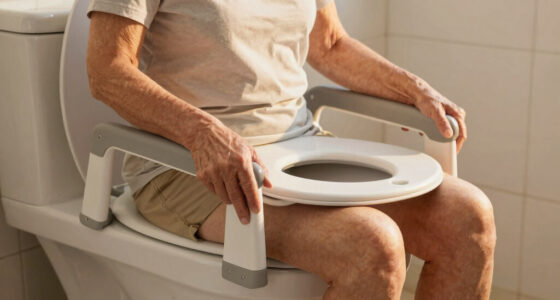
The first stop for effective bathroom safety: the toilet area. Install a grab bar on the wall closest to the toilet and behind it. This helps with sitting down and standing up, especially for those with limited mobility or balance issues.
For example, in a small apartment bathroom, a sturdy bar about 1.5 inches from the back wall and 1.5 inches from the front of the toilet provides a reliable handhold. Make sure the bar is mounted into wall studs or reinforced anchors to support weight safely. This simple addition can prevent embarrassing falls and injuries.
Tip: Use textured, non-slip surfaces for better grip, especially in humid conditions. Remember, the right height is around 33-36 inches from the floor.
As an affiliate, we earn on qualifying purchases.
Position Grab Bars Inside the Shower or Bathtub for Stability
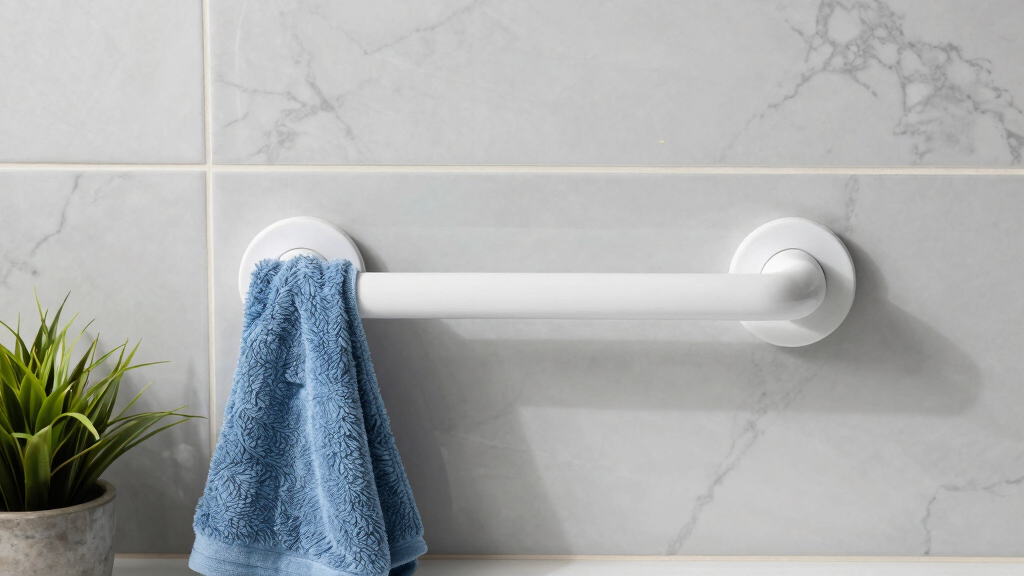
Inside the shower or tub, grab bars are your best allies against slips. Install one horizontally on the wall adjacent to the showerhead, usually at about 33-36 inches from the floor. If space allows, add another on the opposite wall for extra leverage.
Imagine stepping into a shower after a long day—warm water, the scent of soap filling the air. A textured, sturdy grab bar on the wall gives you that extra confidence to move safely, even when the floor’s slick.
For example, a homeowner added a modular, adjustable grab bar that curves along the wall, making entry and exit safer for an elderly parent. Using a wall reinforced with proper anchors ensures it holds up under pressure.
Tip: Position the bar within easy reach, and consider angled bars for better grip and leverage.
As an affiliate, we earn on qualifying purchases.
Identify Critical Locations for Maximum Safety
According to safety guidelines, the most important locations for grab bars are:
- Near the toilet—on the side and behind for support when sitting or standing.
- Inside the shower or bathtub—on the wall adjacent to the showerhead, and on the opposite wall if space allows.
- Near the bathroom entrance—especially in small bathrooms, to help with balance when entering or exiting.
Installing grab bars in these key areas ensures that users have reliable support where they need it most. Proper placement reduces the risk of falls, which are often caused by reaching or losing balance in transitional zones. The tradeoff is that over-cluttering with bars in less critical spots can create obstacles or visual clutter, so focusing on these essential locations maximizes safety without sacrificing aesthetics or space.
Following these critical spots ensures safety without cluttering space or complicating the design.
As an affiliate, we earn on qualifying purchases.
Set Grab Bar Height for Comfort and Safety
Standard height for grab bars is between 33 and 36 inches from the floor. This range suits most users, whether they’re standing or seated. For example, a tall individual might prefer a slightly higher placement, while someone with limited mobility benefits from a lower, more accessible height.
Adjust based on user needs. For instance, an elderly person with arthritis may favor a bar at 34 inches, while a caregiver installing for a child might set it lower.
Tip: Measure the user’s reach and comfort, then mark the spot before mounting to ensure proper placement.
Why this matters: Proper height allows users to grip the bar comfortably without stretching or bending awkwardly. Incorrect height can lead to strain or failure of the support during a fall, defeating the safety purpose. Tradeoffs include setting the bar too high, making it difficult for some users to reach, or too low, reducing leverage and support during use. Finding a balance tailored to the primary users enhances both safety and usability.
As an affiliate, we earn on qualifying purchases.
Choose the Right Type of Grab Bars for Your Bathroom
Not all grab bars are created equal. Look for corrosion-resistant materials like stainless steel, especially in humid environments. textured surfaces improve grip, even when hands are wet. Modular and adjustable models offer flexibility for different users or changing needs.
For example, in a rental apartment, a modular grab bar with a sleek finish blends into decor while providing safety. In a home with children or elderly, adjustable bars can grow with the user, saving money and hassle.
Tip: Select a style that complements your bathroom’s aesthetic but prioritizes safety and durability.
Choosing the right type of grab bar involves considering both material and design. Durability ensures the bar remains secure over time, especially in humid conditions that can cause corrosion or deterioration. Modular and adjustable options provide the flexibility to adapt to different users or changing needs, which is especially beneficial in households with multiple generations or frequent guest use. The tradeoff is that some adjustable models may be bulkier or less integrated aesthetically, so balancing safety, function, and design is key.
DIY or Hire a Pro? When to Call in Help
Installing grab bars can be a straightforward DIY project if you have basic tools and skills. Locate wall studs or use proper anchors designed for load-bearing fixtures. After installing, test the stability by applying downward pressure.
However, for maximum safety and compliance with standards—especially in public or rental bathrooms—hiring a professional ensures correct placement and secure anchoring.
For example, a homeowner with limited experience avoided future problems by hiring a handyman who used reinforced anchors and checked for wall integrity.
Tip: When in doubt, call an expert. It’s worth the extra cost for peace of mind.
Choosing between DIY and professional installation depends on your comfort level, the bathroom’s structural condition, and safety standards. Improper installation can lead to serious accidents if the bar fails during use. On the other hand, professional installation often includes assurance of compliance with local codes and standards, reducing liability and enhancing safety. The tradeoff is cost versus peace of mind—investing in professional help can prevent costly damage or injury later.
Follow Safety Standards for Peace of Mind
The Americans with Disabilities Act (ADA) offers clear guidelines: grab bars should be mounted into wall studs or reinforced with appropriate anchors, support at least 250 lbs, and be placed at accessible heights.
For example, a commercial bathroom retrofit followed ADA guidelines, ensuring all grab bars were within the 33-36 inch height range and mounted into studs. This not only meets legal standards but maximizes safety.
Tip: Always check your local codes or regulations if your bathroom is in a rental or commercial space.
Adhering to safety standards isn’t just about compliance; it’s about ensuring that the support provided can reliably prevent falls and injuries. Ignoring these guidelines may result in fixtures that fail under stress, leading to accidents. The tradeoff for strict adherence is minimal inconvenience for maximum safety, especially in shared or public spaces where legal liabilities are involved.
Frequently Asked Questions
Where exactly should I install grab bars in my bathroom?
Key spots are near the toilet, inside the shower or bathtub, and possibly near the bathroom entrance. Focus on places where slips are most likely or where support is needed most.
How high should grab bars be installed?
Most experts recommend 33-36 inches from the floor. Adjust based on user height and comfort, measuring before mounting for the best fit.
What type of grab bars are best for my bathroom?
Look for corrosion-resistant materials like stainless steel, textured surfaces for grip, and adjustable or modular designs for flexibility.
Can I install grab bars myself?
Yes, if you’re comfortable with basic tools and techniques. Ensure they are mounted into wall studs or reinforced anchors for safety, and test stability afterward.
Are there standards I need to follow?
Yes, guidelines from the ADA recommend placement, support strength, and mounting methods. Check local codes, especially for public or rental bathrooms.
Conclusion
Installing grab bars isn’t just about adding fixtures. It’s about creating a safer, more confident bathroom experience. Focus on the key locations—near the toilet, inside the shower, and at the entrance—and use sturdy, well-placed bars for peace of mind.
Remember, a well-placed grab bar can turn a slip into a steady step. Think of it as a simple safety net, always ready to catch you when needed. Make your bathroom a refuge of safety, not risk.
Grilling season Picks
grills
As an affiliate, we earn on qualifying purchases.