TL;DR

Turn quiet afternoons into listening time
- Thousands of audiobooks, podcasts and originals
- Listen on your phone, tablet or Echo — also offline
- Cancel anytime
A Sixty and Me report outlines seven manageable fitness habits for people over 60, including walking, light strength work, balance practice, stretching, and recovery. The article offers practical suggestions, not evidence that these habits guarantee specific outcomes; readers with health concerns are advised to consult a clinician before starting.
Sixty and Me has published a guide to seven simple fitness habits for adults over 60, recommending everyday movement, light strength exercises, balance practice, stretching, consistency, and rest. The report frames the activities as ways to make routine tasks—such as climbing stairs or standing from a chair—feel more manageable, while advising readers to adapt exercises and seek professional guidance when health conditions or balance concerns are involved.
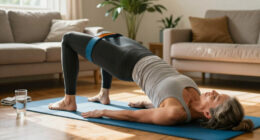
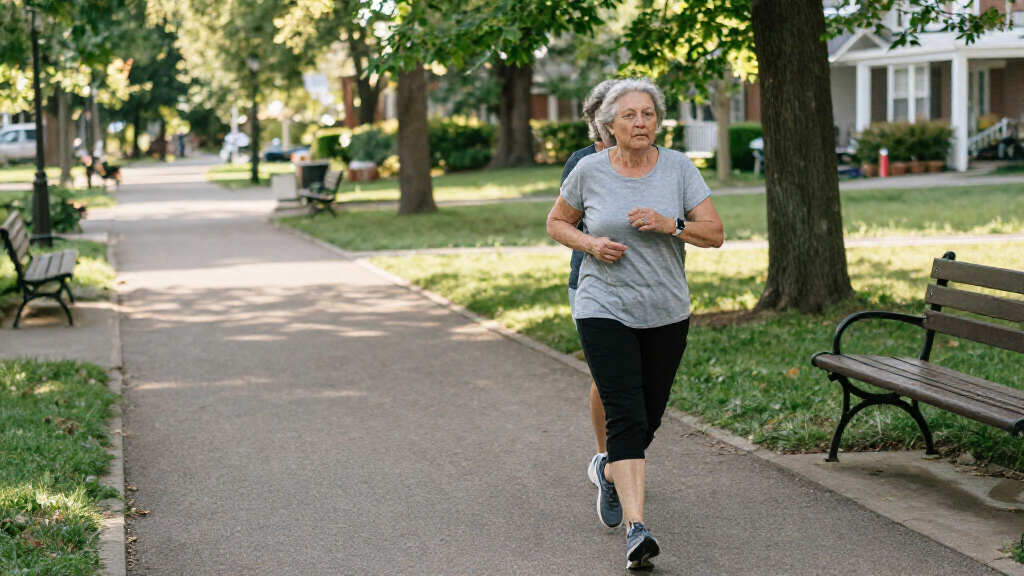
The report’s suggestions start with walking and easy strength training. It proposes beginning with a short walk, such as 10 minutes after breakfast or a stroll after dinner, and increasing the duration only if that feels manageable. For strength, it gives examples that can be done at home: standing up and sitting down from a chair, wall push-ups, and biceps curls using soup cans. It suggests doing this kind of training two to three times a week.
Three other habits focus on movement and control: practicing balance while standing on one foot with a counter nearby for support, walking heel to toe along a hallway, and stretching in the morning. The report names seated leg lifts, torso twists, and bends as possible stretches or movements, and says readers can sit if standing is uncomfortable. It also encourages breaking up long periods of sitting by standing during television commercials or walking while talking on the phone.
The final two recommendations are about pacing. Sixty and Me says to favor consistency over perfection, noting that a shorter activity on a low-energy day may be more realistic than skipping movement because a longer workout is not possible. It also recommends rest, hydration, and taking an easier day when soreness or fatigue is significant. Its safety guidance says to stop or reduce an activity if it causes discomfort and to seek medical attention for symptoms such as dizziness, chest pain, or shortness of breath.
Habits Built Around Everyday Movement
The guide is aimed at a practical concern: maintaining enough strength, mobility, and steadiness to handle ordinary daily tasks. Rather than describing a gym program, it connects activity to movements such as getting up from a chair, carrying groceries, reaching for a shelf, or stepping onto a curb. That framing may help readers identify a manageable starting point without treating exercise as an all-or-nothing commitment.
Its incremental approach is also relevant for people who are unsure how to restart activity. The report recommends choosing one habit and practicing it for a few weeks before adding another, rather than attempting all seven at once. That is advice from the publication, not a guarantee that any particular routine will improve an individual’s ability to perform daily activities. The article provides no measured outcomes or evidence that its examples work equally well for everyone.
The safety caveats matter because a person’s health, medications, balance, and recent activity level can affect which movements are appropriate. The source advises consulting a doctor or physical therapist in those circumstances. That makes the list a set of general ideas rather than individualized exercise instructions.
Popular right now

Samsung 75-Inch Class The Frame QLED 4K Art TV (LS03HE, 2026)

Dyson Cyclone V10 Origin Cordless Vacuum

Samsung 65-Inch The Frame Pro Neo QLED 4K TV (2026) Bundle with Modern Brown Bezel, HDMI Cables, and Home Theater Guide
As an affiliate, we earn on qualifying purchases.
A Practical Seven-Habit List
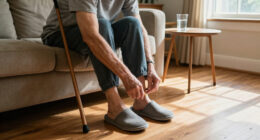
The report opens with examples of everyday effort, including climbing stairs with a laundry basket and rising from a low seat. It presents these moments as possible reasons to add movement, not as signs of a particular condition. Its central premise is that a useful routine need not be expensive or complicated and can be built from short bouts of activity at home or during the day.
The seven habits are: walking daily; doing easy strength exercises; practicing balance; stretching in the morning; moving more often during the day; aiming for consistency rather than perfection; and allowing time for recovery. The specific examples are suggestions from Sixty and Me. The article does not set out a formal training plan, specify a target for total weekly activity, or cite research studies in the supplied material.
It also emphasizes adapting the activities to individual comfort. A sturdy chair or countertop can provide support during balance practice, and some stretches can be done seated. The report says readers can build gradually and resume after missing a few days, rather than viewing a brief interruption as a reason to abandon the routine.
“Aim for consistency, not perfection.”
— Sixty and Me report
Individual Safety and Results Vary
The supplied report does not include a publication date, research citations, or data measuring whether the seven habits improve strength, balance, or independence. It is therefore not possible from this material to quantify the benefits or compare the suggestions with a formal exercise program. The examples are general recommendations, and their suitability can differ by person.
It is also unclear how readers should adjust the activities for particular diagnoses, injuries, medication effects, or mobility limitations. The report advises people with medical conditions, balance-affecting medication use, or a recent period of inactivity to consult a doctor or physical therapist before trying the exercises. It says to stop and seek medical attention for dizziness, lightheadedness, chest pain, or shortness of breath.
Start Small and Adjust Safely
Sixty and Me’s suggested next step is to select one activity that feels easiest, practice it for a few weeks, and then consider adding another. Readers can adjust the movement, use support, or take an easier day when needed, according to the guide. Anyone with relevant health or balance concerns should seek advice from a qualified health professional before beginning or changing an exercise routine.
The source does not announce a follow-up study, program, or additional milestone. Its guidance remains a practical list, and whether the habits make daily tasks easier for a particular reader will depend on that person’s circumstances and response to activity.
Key Questions
What are the seven habits in the report?
Sixty and Me recommends daily walking, easy strength training, balance practice, morning stretching, more movement during the day, consistency, and rest.
How often does the report suggest strength exercises?
It suggests easy strength training two to three times per week, with examples including chair sit-to-stands, wall push-ups, and curls using soup cans.
Should someone try all seven habits at once?
No. The report recommends starting with one manageable habit, practicing it for a few weeks, and adding another if appropriate.
What safety steps does the article recommend?
It advises adapting activities, keeping a sturdy chair or counter nearby for balance support, and stopping or reducing exercise if discomfort occurs. People with medical conditions, balance-related medication effects, or recent inactivity should consult a doctor or physical therapist. The report says to seek medical attention for dizziness, lightheadedness, chest pain, or shortness of breath.
Source: sixtyandme.com