
TL;DR

Turn quiet afternoons into listening time
- Thousands of audiobooks, podcasts and originals
- Listen on your phone, tablet or Echo — also offline
- Cancel anytime
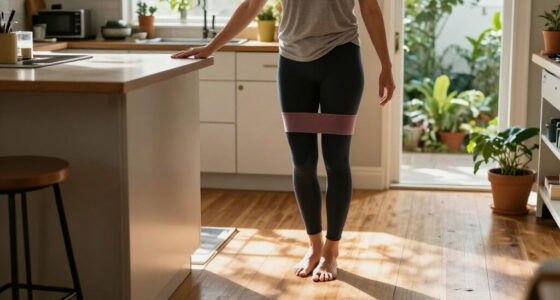
Pilates instructor Sammy Taylor recommends five beginner-friendly exercises in a roughly 10-minute routine aimed at building core and glute strength, mobility and body awareness. The routine uses bodyweight movements and includes easier variations; Taylor advises practicing two to three times a week at a comfortable pace.
Pilates instructor Sammy Taylor has outlined five exercises for people new to the practice, assembled into a roughly 10-minute bodyweight routine intended to develop core and glute strength, mobility and body awareness. The Fit&Well report includes easier versions of each move and says Taylor advises beginners to work at their own pace, much like these beginner strength exercises.
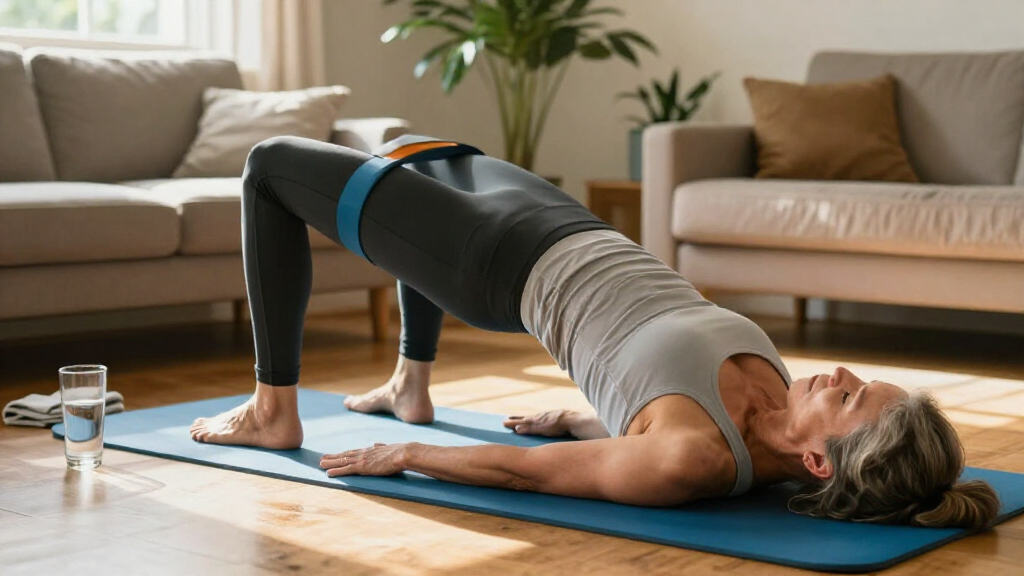
The sequence comprises a glute bridge, dead bug, side-lying leg lift, bird dog and Pilates roll down. The exercises move between floor-based positions and standing, with repetitions set for each move. The routine can be completed as one round, with 15 to 20 seconds of rest between exercises; people who feel comfortable can build up to two rounds, according to the report, or explore these Pilates moves for strength and mobility.
Taylor recommends eight to 10 glute bridges, six to eight dead bugs per side, eight to 10 side-lying leg lifts per side, six to eight bird dogs per side and four to five roll downs. The report describes the exercises as adaptable and notes Taylor’s experience working with people with neurological conditions and limited mobility.
For the bridge, beginners can lift their hips only slightly or practice tilting the pelvis without lifting. In the dead bug, they can keep their feet down and slide one heel at a time, or move only their legs. Other options include shortening the leg lift, sliding rather than lifting a leg during bird dog, reaching one arm at a time, or practicing an arm reach while seated if kneeling is uncomfortable. For roll downs, the report suggests sliding the hands down the thighs or trying a small seated curl.
A Short Routine With Easier Options
The routine offers newcomers a defined starting point rather than a list of exercises without guidance on order, repetitions or pacing. Its modifications also make the movements adjustable: a person can reduce the range of motion or change position instead of attempting the full version immediately.
That flexibility is relevant to readers who are new to exercise or have limited mobility, but the source does not establish that the routine is suitable for every person or condition. It presents Taylor’s recommendations, not findings from a clinical trial or a comparison of Pilates programs. Readers with an injury, a health condition or questions about safe movement may wish to seek advice from a qualified health professional before starting.
Popular right now

Samsung 65-Inch The Frame Pro Neo QLED 4K TV (2026) Bundle with Modern Brown Bezel, HDMI Cables, and Home Theater Guide

Ninja Foodi Smart 6-in-1 Indoor Grill and Air Fryer, 4 Qt, Black/Silver, FG551

KitchenAid 5.5-Qt Bowl-Lift Stand Mixer, Porcelain White (KSM55SXXX)
As an affiliate, we earn on qualifying purchases.
How the Five Moves Fit Together
Fit&Well presents the exercises as a beginner Pilates sequence that can be done without equipment. The positions vary across the set: the bridge and dead bug are performed lying on the back, the leg lift on the side, the bird dog on hands and knees, and the roll down standing or, in a modification, seated.
The report links the routine’s intended focus to core and glute strength, mobility and body awareness. Those are the stated aims of the sequence, not independently measured outcomes. Taylor’s background working with people with neurological conditions and limited mobility informs the inclusion of alternative versions, but the report does not provide individualized exercise plans.
“Practice it two to three times a week, moving at your own pace and using the easier options whenever needed.”
— Sammy Taylor, Pilates instructor, as quoted by Fit&Well
What the Report Does Not Establish
The source does not state when the report was published, nor does it cite research measuring the routine’s effects or compare it with other beginner programs. Its description of the routine’s benefits reflects the stated purpose of the exercises, not a guarantee of results.
It is also unclear how each movement should be adjusted for a specific injury or medical condition. The article provides general modifications, but not individualized assessment or instruction. The source does not specify a progression schedule beyond suggesting that people who feel comfortable may move from one round to two.
A Gradual Start, Then Reassess
Taylor’s recommendation is to begin with one round two to three times a week, take the suggested short rests and use easier options when needed. The report says a second round is an option if the person feels comfortable; it does not give a timetable for increasing repetitions or moving to more challenging variations.
For readers considering the routine, the next step is to choose the versions they can perform comfortably and stop if a movement causes concern. Anyone unsure whether Pilates is appropriate for their circumstances can ask a qualified health professional for guidance. No further update or follow-up to the report is specified in the source.
Key Questions
Which five Pilates exercises does the routine include?
It includes the glute bridge, dead bug, side-lying leg lift, bird dog and Pilates roll down.
How long does the beginner routine take?
Fit&Well describes one round, including 15 to 20 seconds of rest between movements, as taking around 10 minutes. A second round would take longer.
How often does Sammy Taylor recommend practicing?
Taylor advises practicing two to three times a week, moving at a comfortable pace and using easier variations when needed.
Can beginners modify the exercises?
Yes. The report lists adjustments such as smaller movements, heel slides instead of a full dead bug, and seated arm reaches instead of kneeling for the bird dog.
Does the report prove the routine will build strength or mobility?
No. It describes the routine’s intended aims, but does not cite measured results or research testing this particular sequence.
Source: fitandwell.com