
TL;DR
Open a free Amazon Business account
Business pricing, bulk buying and tax-exempt orders.
Create a free accountAs an affiliate, we earn on qualifying purchases.
An amplified phone boosts incoming sound for people with hearing loss, making conversations clearer. When choosing one, consider your hearing level, features like tone control, and connectivity options. This guide helps you pick the right model for your needs.
Imagine talking on the phone and missing half of the conversation. Frustrating, right? That’s where an amplified phone comes in. It’s designed to crank up the volume, so you can hear every word clearly. Whether you have mild hearing difficulties or profound loss, these phones could be a game-changer.
But how do you choose the right one? With so many options—wired, cordless, smartphone-compatible—it’s easy to get overwhelmed. This guide will walk you through what makes an amplified phone special, the latest features, and practical tips to pick the best fit for your hearing needs.
Amplified phones boost incoming sound by up to 60 decibels, making conversations clearer for those with hearing loss.
Features like tone control, visual alerts, and T-coil compatibility enhance usability and integration with hearing aids.
Wireless models offer greater freedom, but wired phones tend to be simpler and more stable.
Choose a device based on your hearing level, mobility needs, and tech comfort—testing different options is key.
Always verify compatibility, read reviews, and consider professional advice to find the best fit.
Accessible communication / buyer’s guide
What Is an Amplified Phone and How to Choose One
An amplified phone raises incoming speech beyond standard telephone levels and adds controls that can make voices clearer. The right model should match your hearing profile, mobility, hearing aids and comfort with technology.
Louder speech, shaped for clearer understanding
The device boosts incoming sound, while adjustable tone and digital processing help distinguish speech from background noise. This can reduce the strain and fatigue of trying to fill in missing words.
What makes it different?
A regular phone mainly offers a modest volume adjustment. An amplified phone is purpose-built for hearing accessibility, combining stronger gain with speech-focused tone control, visual call alerts, easier controls and—in many models—direct compatibility with hearing aids.
Amplification at a glance
Illustrative comparison of typical maximum incoming volume.
Three phone types, three different routines
Begin with where and how calls happen. Stability, freedom of movement and mobile connectivity create distinct tradeoffs.
Wired
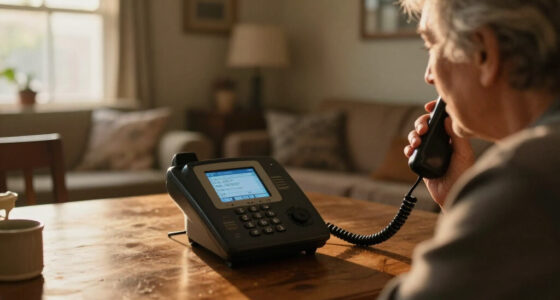
A traditional corded handset with dependable power, straightforward controls and a fixed location. Often the easiest option to learn.
Best for: a main home phone and minimal setupCordless
Lets the user move between rooms while talking. Look for long battery life, handset locator functions and multiple-handset support.
Best for: mobility within the homeSmartphone-ready
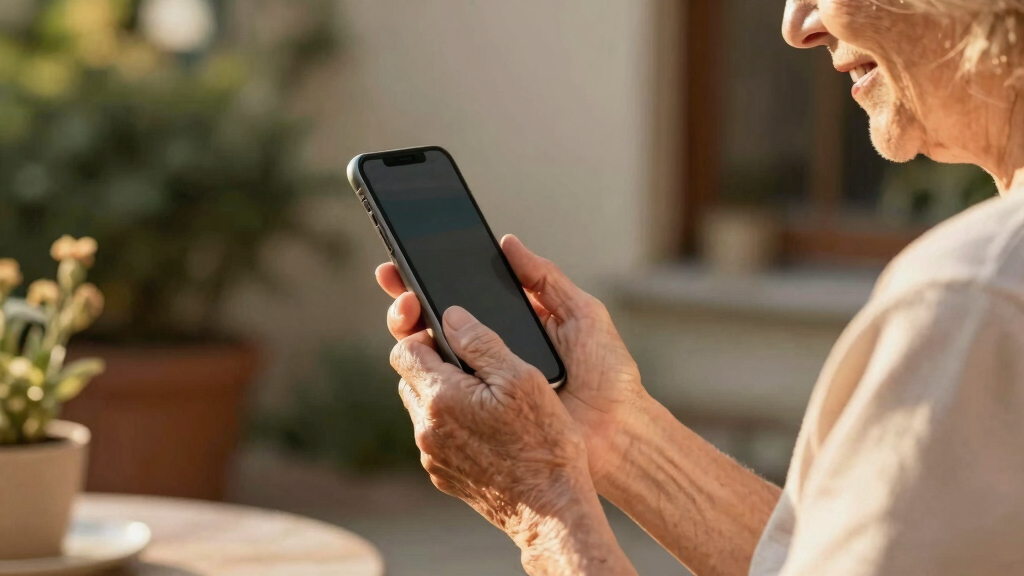
Bluetooth or app-connected options can amplify mobile calls, save personal sound profiles and support modern accessibility tools.
Best for: mobile users comfortable with technologyPrioritize control before convenience
A useful amplified phone does more than make everything louder. It gives the listener practical ways to tune speech, notice calls and operate the device confidently.
Adjustable volume
Matches gain to the listener and the caller. Fine control helps avoid feedback, harshness and distortion.
Tone control
Changes the balance of low and high frequencies so difficult speech sounds become easier to distinguish.
Visual alerts
Bright flashing indicators—and sometimes vibration—make incoming calls easier to notice in busy or noisy spaces.
Large controls
Tactile buttons and high-contrast displays support users with reduced dexterity or vision and help prevent dialing errors.
T-coil support
Transmits sound to compatible hearing aids with less background noise and echo. Verify both devices before buying.
Sound processing
Noise reduction, feedback cancellation, captioning and voice-to-text can add clarity in challenging conversations.
Match the phone to the person—not the longest feature list
Use this comparison as a starting point, then check the specifications of individual models. Capabilities vary by manufacturer.
| Decision factor | Wired | Cordless | Smartphone-ready |
|---|---|---|---|
| Simple, familiar operation | ✓ Strong | ✓ Good | ~ Varies |
| Move around during calls | ✗ Limited | ✓ Strong | ✓ Strong |
| Works during a power outage | ~ Model-dependent | ✗ Usually not | ~ Battery-dependent |
| Bluetooth or app features | ✗ Uncommon | ~ Some models | ✓ Core strength |
| Large buttons and visual alerts | ✓ Widely available | ✓ Widely available | ~ Interface varies |
| Lowest learning curve | ✓ Best fit | ✓ Moderate | ✗ More setup |
Five checks before you buy
Testing matters because hearing needs are personal. A trial call can reveal clarity, comfort and control issues that a specification sheet cannot.
Assess hearing
Identify whether loss is mild, moderate, severe or profound. Ask an audiologist when uncertain.
Map the routine
Consider call location, mobility, background noise and whether a landline or mobile is used.
Check the fit
Verify T-coil, Bluetooth, assistive-device and telephone-service compatibility.
Test controls
Try volume, tone, buttons, display and alerts. Confirm that louder sound remains comfortable.
Verify support
Compare reviews, warranty, returns and trial periods before committing to a model.
Common questions, clearly answered
Use these checkpoints to decide whether an amplified phone belongs on your shortlist.
How do I know if I need one?
If you regularly strain, miss words or avoid phone calls because speech is unclear, an amplified model may help. A hearing assessment can provide personalized guidance.
Can it work with hearing aids?
Many models can, particularly phones with T-coil support. Compatibility is not universal, so check the phone and hearing-aid specifications.
Is it suitable for mild hearing loss?
Yes. Adjustable models can begin at lower settings and increase only as needed, making them useful across a range of hearing levels.
What should I prioritize?
Start with adjustable volume, tone control and ease of use. Add visual alerts, T-coil, Bluetooth or noise reduction when they solve a specific need.
The best phone is the one that makes speech clear without making operation complicated.
Choose for hearing level, mobility and confidence with technology. Whenever possible, test the device in a real conversation before buying.
What exactly is an amplified phone—and how does it help you hear better?
An amplified phone is a device that increases the volume of incoming sounds, making voices louder and clearer. This is especially important for those with hearing loss because normal phone volumes often aren’t sufficient for clear understanding. By boosting sound levels, these phones help reduce frustration and fatigue caused by straining to hear.
For example, if a standard phone maxes out at 25-30 decibels, an amplified phone can boost that to 50-60 decibels—sometimes even more. This significant increase can make the difference between understanding a conversation or missing key details. The higher volume helps compensate for the diminished hearing sensitivity, but it’s also important to consider that excessive amplification might introduce distortion or background noise, so selecting a model with adjustable settings is crucial. This balance ensures clarity without overwhelming the user.
In essence, amplified phones serve as an equalizer—enhancing speech clarity while trying to minimize background noise—making conversations more natural and less stressful, especially in noisy environments.
As an affiliate, we earn on qualifying purchases.
Why understanding the different types of amplified phones matters
Amplified phones come in various designs, each suited for different lifestyles and hearing needs. Understanding these types helps you choose the most effective device for your situation.
Wired amplified phones are traditional models connected by a cord, providing a stable connection and often simpler controls. Cordless amplified phones offer mobility within your home, allowing you to move freely while on a call. Smartphone-compatible amplified phones can connect to your mobile devices via Bluetooth, combining the benefits of amplification with modern connectivity features. Recognizing these options ensures you select a device that matches your daily routine and comfort preferences.
cordless amplified phone with tone control
As an affiliate, we earn on qualifying purchases.
As an affiliate, we earn on qualifying purchases.
What features make an amplified phone worth your money?
- Adjustable volume control: This allows you to set the amplification level precisely, which is vital because hearing loss varies greatly among individuals. Too much amplification can cause distortion or feedback, while too little won’t be effective. Having control helps tailor the device to your specific needs, improving clarity and comfort.
- Tone control: This feature lets you modify the pitch or frequency of the sound, helping to clarify speech sounds that might otherwise be muffled or indistinct. For example, reducing high frequencies can make consonants clearer, which is often a challenge for those with high-frequency hearing loss. Proper tone adjustment can significantly improve speech intelligibility in different environments.
- Large buttons & high-contrast screens: These are essential for users with limited dexterity or visual impairments. Bigger buttons reduce the chance of dialing errors, and high-contrast screens make reading caller ID or menu options easier, reducing frustration and ensuring quick, accurate operation.
- Visual alerts: Flashing lights or vibrations alert you to incoming calls or messages, which is helpful if your hearing aids don’t pick up all sounds or if you’re in a noisy environment. This feature enhances accessibility and ensures you never miss an important call.
- Compatibility with hearing aids: T-coil support allows seamless connection with hearing aids equipped with telecoil technology. This compatibility can dramatically improve sound clarity by directly transmitting audio signals to your hearing aid, reducing background noise and echo. If you rely on hearing aids, choosing a compatible device maximizes your hearing aid’s potential and simplifies usage.
Imagine a phone with giant, tactile buttons, bright screen, and a knob to boost volume—these features are designed not just for convenience but to enhance overall usability, especially for those with physical or sensory impairments. Investing in these features ensures that the phone is not only functional but also accessible, reducing frustration and enabling more independent communication.
smartphone-compatible amplified phone
As an affiliate, we earn on qualifying purchases.
As an affiliate, we earn on qualifying purchases.
How to choose the right amplified phone for your needs
Selecting the best amplified phone involves assessing your specific hearing loss, daily routines, and comfort with technology. Start by consulting with an audiologist who can recommend suitable models based on your hearing profile.
Next, consider the environment where you’ll use the phone most. If you primarily use it at home, a wired or cordless model with easy-to-use controls might suffice. For those who value mobility, a Bluetooth-enabled, smartphone-compatible device could be more appropriate. Also, think about additional features like visual alerts, large buttons, or adjustable tone controls that enhance usability for your particular needs.
It’s beneficial to test different models if possible. Many suppliers offer demonstrations or trial periods, allowing you to experience firsthand how well a device amplifies sound and fits your lifestyle. Remember, the goal is to find a device that not only amplifies sound effectively but is also comfortable and easy to operate, ensuring you stay connected with less frustration.
As an affiliate, we earn on qualifying purchases.
Frequently Asked Questions
How do I know if I need an amplified phone?
If you find yourself straining to hear phone conversations or have trouble understanding speech, an amplified phone could help. Consult with an audiologist to assess your hearing and get personalized recommendations.Are amplified phones compatible with hearing aids?
Many are, especially those with T-coil support. Always check the product specs to ensure compatibility with your hearing aids or assistive listening devices.Can I use an amplified phone if I have mild hearing loss?
Yes. Most models allow adjustable amplification, so you can tailor the volume to your comfort level. Start with lower settings and increase as needed.What features should I prioritize?
Focus on adjustable volume, tone controls, visual alerts, and ease of use. Additional features like Bluetooth or noise reduction can boost convenience and clarity.How much do amplified phones typically cost?
Prices range from about $50 for basic models to over $300 for advanced, feature-rich devices. Your choice depends on your hearing needs and budget.Conclusion
Choosing an amplified phone is about finding a device that fits your unique hearing needs and lifestyle. Think of it as a bridge—bringing clearer conversations into your everyday life. Remember, the right device doesn’t just amplify sound; it amplifies your confidence in communication.
When in doubt, consult an audiologist, test different models, and trust your instincts. A simple step today can make your calls more comfortable—and your days a little brighter.
Flea & tick season Picks
flea and tick prevention
As an affiliate, we earn on qualifying purchases.