TL;DR

Turn quiet afternoons into listening time
- Thousands of audiobooks, podcasts and originals
- Listen on your phone, tablet or Echo — also offline
- Cancel anytime
Door and window sensors detect openings and send alerts to caregivers without startling the individual. Recent tech improvements focus on reducing false alarms, seamless integration, and respecting privacy—making safety both effective and respectful.
Imagine a home where safety measures are so discreet, your loved ones hardly notice them. Door and window sensors today do more than just trigger alarms—they deliver signals with a gentle touch, preserving dignity while ensuring safety. If you’re caring for someone with wandering tendencies, understanding these subtle tools can transform your approach from reactive to proactive.
In this guide, you’ll learn how modern sensors work, what recent innovations make them smarter and gentler, and how to choose systems that respect your loved one’s independence. It’s about safety without the stress, privacy without compromise.
Choose sensors with adjustable sensitivity and discreet design for minimized false alarms and dignity.
Modern sensors use AI to learn routines, reducing unnecessary alerts and respecting privacy.
Silent or gentle notifications help caregivers respond without startling or embarrassing loved ones.
Installation is typically quick and DIY-friendly, making safety accessible without professional help.
Prioritize data security and privacy by selecting systems with encryption and local processing options.
Door and Window Sensors for Wandering Concerns
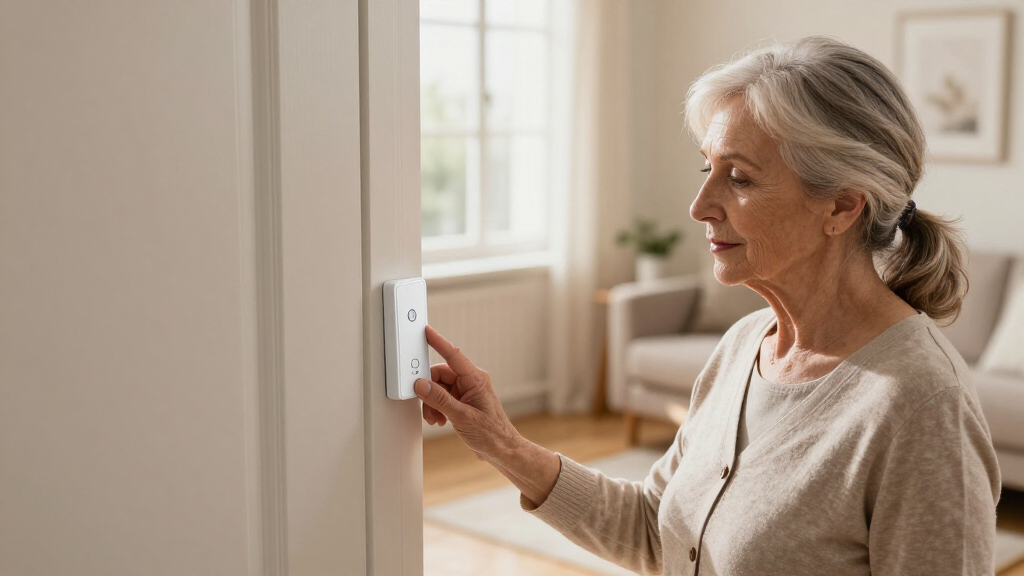
Modern sensors can quietly detect an opening, notify the right caregiver and preserve the individual’s sense of independence. The goal is not surveillance—it is a calm, timely response before a routine moment becomes a safety concern.
A small separation starts a quiet chain of care
Most door and window sensors use two magnetic contacts. When the contacts separate, the sensor reports that an opening has occurred. Rules then determine whether, when and how a caregiver should be notified.
Contact separates
A door or window opens and breaks the magnetic field between the two sensor pieces.
Rule is checked
The system considers the location, time of day, sensitivity and known household routine.
Alert is routed
A silent notification goes to a phone, smart-home hub or caregiver wearable.
Caregiver responds
The caregiver checks in calmly, with context, before the situation can escalate.
Safety should be noticed by the caregiver—not imposed on the individual
Gentle notifications reduce the likelihood of startling, confusing or publicly embarrassing a person with dementia or cognitive impairment. Custom rules also preserve normal movement during familiar parts of the day.
Silent notifications
Use phone banners, smartwatch vibrations or caregiver-device prompts in place of an in-room siren whenever the risk profile permits.
Time-based rules
Monitor an exterior door overnight while allowing routine daytime access without creating a stream of unnecessary alerts.
Discreet placement
Compact sensors that blend with frames and decor reduce visual clutter and feelings of being watched or restricted.
Sensor-based alerts may reduce wandering-related accidents by up to half when systems are properly configured and caregivers can respond promptly. Technology supports care; it does not replace attentive supervision or an individualized safety plan.
Compare for meaningful alerts, not simply more alerts
The best fit balances reliability, discretion and privacy. An overly sensitive sensor can create alarm fatigue; an under-sensitive one can miss a genuine concern.
| Feature | Best-practice choice | Why it matters | Tradeoff to check |
|---|---|---|---|
| Sensitivity adjustment | ✓ Tunable rules | Filters routine movement, pets and harmless openings. | ~ Test carefully to avoid missed events. |
| Discreet design | ✓ Low-profile casing | Reduces stigma and blends into familiar surroundings. | ~ Small units may need precise placement. |
| Connectivity | ✓ Backup pathway | Keeps alerts flowing if primary Wi-Fi is interrupted. | ✗ Cloud-only systems depend on internet access. |
| Battery life | ✓ Low-power protocol | Reduces maintenance and unexpected monitoring gaps. | ~ Verify warnings for low battery status. |
| Integration | ✓ Existing-device fit | Centralizes alerts across phones, wearables and home hubs. | ✗ Poor compatibility creates fragmented care. |
Recent innovation is shifting from simple alarms to useful context
Machine learning, low-power connectivity and wearable integration can reduce noise while accelerating the alerts that genuinely need attention.
Routine learning
Pattern-aware systems can distinguish typical household activity from unusual timing, helping reduce false alarms and caregiver fatigue.
Low-power connectivity
Zigbee, Z-Wave and other efficient protocols support longer battery life and dependable links to compatible hubs.
Wearable routing
A discreet vibration on a caregiver’s wrist can deliver a faster, calmer prompt without broadcasting an alarm through the home.
Backup communication
Cellular or hub-based fallbacks help maintain continuity when the primary network is temporarily unavailable.
Choose the least intrusive system that reliably manages the risk
A dignity-first setup collects only the information needed, limits access and gives caregivers enough context to act without turning the home into a surveillance space.
APrivacy checklist
- Prefer encrypted transmission and protected caregiver accounts.
- Look for local processing or local storage options.
- Review who can receive alerts and remove unused access.
- Choose contact sensors before cameras when video is unnecessary.
- Discuss the system and seek meaningful consent where possible.
BFalse-alarm controls
- Set schedules around known sleeping and waking routines.
- Adjust sensitivity and delay windows after real-world testing.
- Exclude doors used normally during predictable hours.
- Confirm pet activity cannot trigger the selected sensor type.
- Review alert history before changing escalation rules.
The target is not maximum sensitivity. It is dependable detection with an alert threshold caregivers can sustain and trust.
Every alert should connect to a calm, agreed response
A sensor is most useful when the household has already decided what different events mean, who receives them and how the person will be approached.
A practical dignity-first standard
Choose adjustable sensitivity and discreet casing.
Use routine-aware filtering to reduce unnecessary alerts.
Route silent or gentle notifications to caregivers.
Test installation, batteries and backup connectivity.
Prioritize encryption, local processing and limited access.
How Door and Window Sensors Detect Wandering — and Why It Matters
Door and window sensors use simple magnetic contacts that trigger an alert when separated. When a door or window opens, the magnetic field breaks, sending a signal to your monitoring system. This quick, reliable detection helps caregivers respond before a situation escalates.
Imagine your parent living alone, and you worry about them wandering at night. A sensor on their door quietly alerts your phone if they get up and open it—so you can check in or respond without startling them awake.
According to recent studies, these sensors, when properly set up, can reduce wandering-related accidents by up to 50%. That’s a massive jump in safety, especially for seniors with dementia or cognitive impairments.
discreet door and window sensors for elderly safety
As an affiliate, we earn on qualifying purchases.
As an affiliate, we earn on qualifying purchases.
Smart, Respectful Alerts: How Tech Keeps Dignity Intact
Modern sensors handle alerts with care. Instead of loud alarm sirens, they send gentle notifications to your phone, or discreet signals to a caregiver’s device. Some systems even offer silent alerts to prevent startling your loved one.
Picture a sensor that sends a soft vibration to your smartwatch when the door opens. No loud noise, no embarrassing alarms—just a calm nudge for you to check on your loved one.
Many systems now include customizable alerts: you can choose to receive notifications during certain hours or to disable alerts on specific doors during routine times. This flexibility helps you balance safety with respect for independence.
Understanding how these subtle alert mechanisms work is crucial because it directly impacts the emotional well-being of your loved ones. Gentle notifications reduce the risk of causing confusion, fear, or embarrassment, which can happen with loud alarms. The tradeoff is that caregivers need to stay attentive to these alerts, ensuring they respond promptly to maintain safety without overwhelming the individual.
AI-enabled wandering detection sensors
As an affiliate, we earn on qualifying purchases.
As an affiliate, we earn on qualifying purchases.
Choosing the Right Sensor: 5 Features That Matter
Not all sensors are created equal. Here’s a quick comparison to help you pick the best fit for your home:
| Feature | Why It Matters |
|---|---|
| Sensitivity Adjustment | Prevents false alarms triggered by pets or routine activity. Proper sensitivity settings are essential because overly sensitive sensors may cause frequent false alarms, leading to caregiver fatigue and potential desensitization. Conversely, sensors that aren’t sensitive enough might miss genuine wandering incidents, compromising safety. Finding the right balance ensures that alerts are meaningful and reduce unnecessary stress for both caregivers and loved ones. |
| Discreet Design | Blends into home decor, reducing visual clutter and stigma. A discreet design isn’t just about aesthetics; it’s about minimizing the psychological impact on the individual. Visible, conspicuous sensors might cause feelings of being watched or stigmatized, which can lead to resistance or anxiety. A subtle sensor preserves dignity and encourages acceptance of safety measures. |
| Wireless Connectivity | Ensures reliable alerts even during network disruptions. Reliable connectivity is vital because a missed alert could mean the difference between a safe response and a dangerous situation. Some sensors offer backup options like cellular alerts, which can be critical if Wi-Fi fails, ensuring continuous safety monitoring. |
| Battery Life | Long-lasting batteries mean fewer interruptions and maintenance. Extended battery life reduces the risk of sensors going offline unexpectedly, which could leave your loved one unprotected. It also lessens the inconvenience of frequent replacements, making ongoing safety easier and more sustainable. |
| Integration Capabilities | Works seamlessly with your existing smart home or caregiver devices. Integration allows for a more comprehensive safety ecosystem. For example, sensors that work with voice assistants or security systems enable centralized control and monitoring, simplifying management and providing peace of mind. |
For example, a sensor with adjustable sensitivity and a sleek, unobtrusive design can be placed on a bedroom window without drawing attention or causing discomfort. Picking sensors with these features ensures safety without compromising comfort or privacy, but it also requires understanding the tradeoffs involved in balancing sensitivity, privacy, and ease of use.
silent alert home security sensors
As an affiliate, we earn on qualifying purchases.
As an affiliate, we earn on qualifying purchases.
Recent Innovations Making Sensors Smarter and Gentler
New tech is making sensors more effective and respectful. AI-powered algorithms now learn patterns of movement, reducing false alarms caused by pets or environmental factors. This advancement is significant because it allows sensors to adapt to the specific behaviors of your household, minimizing unnecessary alerts that can cause caregiver fatigue or desensitization. For example, a sensor that recognizes that Fluffy the cat opening a door isn’t a concern helps prevent false alarms that could otherwise lead to distrust in the system’s reliability.
Design-wise, sensors are now tiny and sleek, blending seamlessly into home decor—think a small disk on the frame of a window or door. This not only makes them less intrusive but also reduces the psychological impact of having obvious safety devices, which can sometimes evoke feelings of surveillance or loss of independence. The tradeoff here is that smaller sensors may be more delicate or require careful placement, but the benefit is a more dignified appearance.
Connectivity improvements mean longer battery life and more reliable alerts, even if your Wi-Fi drops temporarily. Some systems now connect directly with wearable devices, sending personalized alerts to caregivers’ smartwatches or phones, further enhancing response times and reducing anxiety. These innovations collectively aim to create a safety environment that is both highly effective and respectful of personal space and autonomy.
All these advancements focus on one goal: safety that’s respectful, discreet, and dependable, with a keen awareness of the emotional and psychological effects of monitoring.
easy DIY door window sensors for caregivers
As an affiliate, we earn on qualifying purchases.
As an affiliate, we earn on qualifying purchases.
Addressing Privacy and False Alarms — What You Need to Know
Privacy is a major concern. Reputable sensors encrypt data and offer local processing options, so your information stays within your home. This means that sensitive data isn’t transmitted over unsecured networks or stored on external servers, reducing risks of hacking or unauthorized access. Additionally, local processing ensures that only relevant alerts are sent, and personal data remains within your home environment, which is crucial for maintaining trust and privacy.
False alarms can be frustrating and diminish trust in the system. Properly adjusting sensitivity settings and relying on AI-enhanced sensors that learn household routines help distinguish genuine wandering incidents from environmental triggers like wind, pets, or passing shadows. This reduces unnecessary stress for caregivers and prevents desensitization to alerts, which is critical because frequent false alarms can lead to ignoring genuine emergencies, ultimately compromising safety.
For example, a sensor that learns your routine can ignore door openings during late-night hours unless there’s unusual activity. This intelligent filtering prevents unnecessary alerts, allowing caregivers to focus on real concerns without constant false alarms. The implication is that investing in smarter sensors with adaptive capabilities enhances both privacy and reliability, making the system more trustworthy and less invasive.
Easy Installation: Get Safety Set Up in Minutes
Most sensors are designed for DIY setup—no special tools needed. They stick easily onto doors or windows with adhesive strips, and pairing with your system is straightforward. This ease of installation means you can quickly implement safety measures without needing professional help, which is especially important when time is of the essence. Proper installation ensures that sensors function correctly, reducing the likelihood of false alarms or missed detections due to improper placement.
Imagine placing a sensor on your loved one’s bedroom window in under five minutes, then linking it to your smartphone. It’s quick, simple, and non-intrusive. Ensuring correct placement—such as at the right height and alignment—is key to maximizing effectiveness. Reading the instructions carefully and following tutorials can help you avoid common mistakes, like misalignment or poor adhesion, which could compromise safety or cause false alarms.
Many brands also offer step-by-step tutorials to guide you through the process, making it accessible even for those with limited technical experience. This simplicity allows you to start protecting your loved ones immediately, reducing stress and ensuring peace of mind without the need for professional installation.
Frequently Asked Questions
How do door and window sensors work for wandering concerns?
They use magnetic contacts that detect when a door or window opens or closes. When triggered, they send alerts to caregivers’ devices, allowing quick, discreet responses that support safety and independence.Can these sensors be used on all types of doors and windows?
Most sensors are versatile and compatible with standard doors and windows, but some may need specific mounting options. Check the product specifications to ensure they fit your home’s setup.How do I prevent false alarms caused by pets or routine activities?
Look for sensors with sensitivity adjustments and AI features that learn your household’s patterns. These settings help distinguish actual wandering from everyday movement or pet activity.Are these sensors compatible with other smart home devices?
Yes, many sensors integrate with popular platforms like Alexa, Google Home, or Apple HomeKit, allowing seamless operation alongside other safety and automation devices.What privacy protections do these sensors offer?
Reputable systems encrypt data, and many process information locally to minimize sharing. Always review privacy policies to choose systems that prioritize user data security.Conclusion
Door and window sensors today do more than just detect openings—they quietly uphold safety and respect. When chosen thoughtfully, they become part of a caring, dignified approach to safety at home. Remember, technology should serve your loved ones’ independence, not diminish it.
Imagine a home where safety feels natural, calm, and respectful. That’s the promise of smart sensors—protecting without overpowering. Take that step today, and give your loved ones the safety they deserve—gently, quietly, with dignity.
Fall Picks
fall essentials
As an affiliate, we earn on qualifying purchases.