
TL;DR

Turn quiet afternoons into listening time
- Thousands of audiobooks, podcasts and originals
- Listen on your phone, tablet or Echo — also offline
- Cancel anytime
Automatic stove shutoff devices monitor cooking activity and cut power or gas when unsafe conditions happen. They mainly benefit seniors, caregivers, and households prone to distraction or forgetfulness, reducing fire risks effectively.
Imagine a stove that senses when you’re not paying attention and turns itself off before a fire starts. That’s the promise of automatic stove shutoff devices. They’re small gadgets with a big impact, especially for those most at risk of kitchen fires.
If you’ve ever been distracted, multitasking, or worried about forgetting the stove, these devices might be your new best friend. This guide breaks down how they work, who benefits most, and why they’re becoming a key part of smart home safety.
Automatic stove shutoff devices dramatically reduce fire risk by monitoring activity and heat levels.
They benefit vulnerable groups like seniors, disabled individuals, and busy households prone to distraction.
Installation varies from simple plug-ins to professional wiring, with costs ranging from $50 to over $500.
Regulations and standards are evolving, pushing safer built-in features in new ranges and appliances.
While they aren’t legally required everywhere, these devices are a smart investment for anyone serious about kitchen safety.
Automatic Stove Shutoff Devices: How They Work & Who Benefits Most
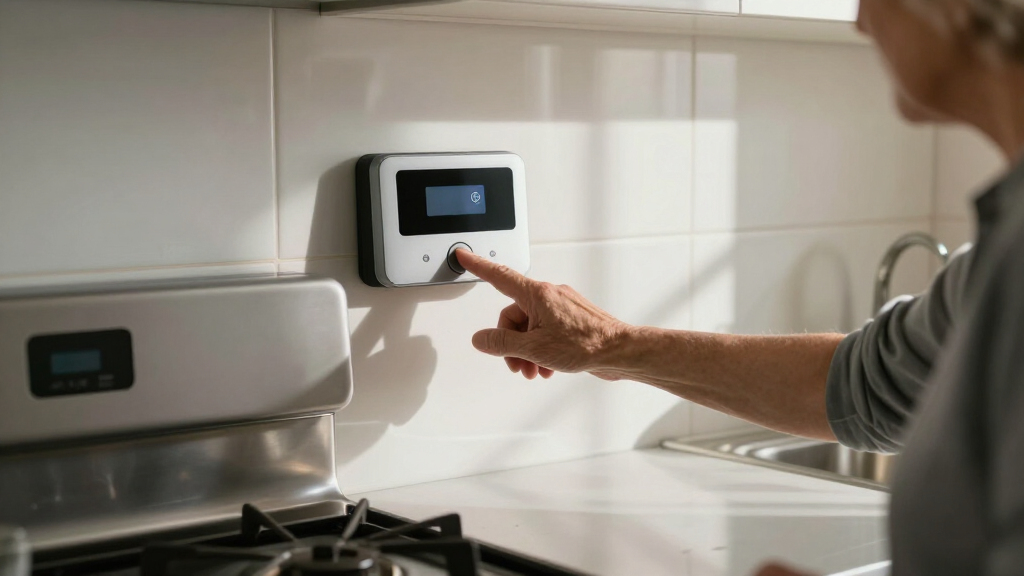
A stove that senses when you’re not paying attention — and turns itself off before a fire starts. These small gadgets monitor motion, heat, timers, and smoke alarms, cutting power or gas the moment conditions turn unsafe. For seniors, caregivers, and distraction-prone households, they’re becoming a cornerstone of modern kitchen safety.
per year (U.S.)
top factor in cooking fires
from cooking fires
plug-in to hardwired
Four Ways a Device Knows Something Is Wrong
Each sensor type watches a different signal of danger. Matching the mechanism to your household’s real risk profile — forgetfulness, oil fires, or smoke — is the key to choosing well.
Motion-Sensor Devices
Passive infrared sensors track movement in the kitchen. If no motion is detected for a preset window (typically 5–30 minutes, adjustable), power is cut. Normal cooking activity continuously resets the countdown.
Best for: forgetful or easily distracted cooks · e.g. iGuardStove, CookStopTemperature-Sensor Devices
A sensor under the range hood or on the wall watches cooktop heat and detects the rapid temperature rise that precedes ignition — cutting power before a fire can start.
Best for: oil-fire & overheating risk · e.g. Innohome (EN 50615)Timer-Based Shutoffs
The simplest approach: the stove runs only for a set countdown, then power is cut automatically. No sensors, no connectivity — just a hard stop.
Best for: senior housing & accessible units · maximum simplicitySound-Activated Devices
These plug-in modules listen for the smoke alarm’s signal and cut power the instant it sounds — a reactive buffer between an alarm and an escalating fire.
Best for: homes with smoke alarms · e.g. Fire AvertFrom Normal Cooking to Automatic Cutoff
Every shutoff device runs the same five-step loop — continuously, silently, and in under a few seconds once a threshold is crossed.
Sense
PIR motion, heat signature, countdown timer, or alarm sound is monitored in real time.
Evaluate
The controller compares readings against preset thresholds: absence time, temperature rise rate, or alarm tone.
Warn
Many units beep or flash first — a grace window so an attentive cook can reset with a wave or button press.
Cut Off
Power is interrupted at the 240V outlet or gas flow is closed at the valve. Ignition is prevented, not just detected.
Alert
Wi-Fi models push a smartphone notification to family or caregivers, logging the event for review.
Choosing the Right Type for Your Household
Cost, installation, and the specific danger each type addresses — the tradeoffs that matter before you buy.
| Device Type | How It Works | Best For | Typical Cost | Installation |
|---|---|---|---|---|
| Motion-Sensor | Infrared presence detection cuts power after 5–30 min of no movement; cooking activity resets the timer. | Forgetful cooks, seniors with memory lapses, multitaskers. | $250–$500 | ✓ DIY plug-in |
| Temperature-Sensor | Hood- or wall-mounted sensor detects the rapid heat rise preceding ignition and cuts power pre-fire. | Oil-fire and overheating risk; elder-care settings (EN 50615). | $200–$400 | ~ Varies by model |
| Timer-Based | Simple countdown: the stove runs only for the set time, then shuts off automatically. | Senior housing, accessible units, set-and-forget safety. | $50–$150 | ✓ DIY plug-in |
| Sound-Activated | Listens for the smoke alarm tone and cuts power to the range the moment it sounds. | Households with smoke alarms and busy, distracted cooks. | $150–$300 | ✓ DIY plug-in |
| Gas Shutoff Valve | Sensor-triggered valve closes the gas line to the appliance rather than cutting electricity. | Gas ranges in high-risk households and care facilities. | $300–$500+ | ✗ Pro required |
| Smart Monitor | Wi-Fi module detects the stove is on and sends app alerts; newer models add remote shutoff and activity logs. | Caregivers monitoring elderly parents remotely. | $100–$350 | ~ DIY / hardwired |
Why the Kitchen Is the Front Line of Fire Safety
NFPA and U.S. Fire Administration figures that explain why regulators and insurers are paying attention.
Price Spectrum · Installed Cost
plug-in
motion sensor
gas shutoff
Installation note: plug-in modules sit between the range’s 240V outlet and plug — DIY-friendly for electric stoves. Hardwired units and gas shutoff valves generally need a licensed electrician or technician, adding to total cost.
Who Gets the Most Out of These Devices
The technology is generic; the benefit is not. These six groups carry the highest kitchen-fire risk — or the responsibility for someone who does.
Seniors Aging in Place
Memory lapses, mild cognitive impairment, early dementia, or mobility issues make unattended cooking a genuine danger. A device that turns off the stove can prevent tragedy while preserving independence.
Family Caregivers
App-connected models let caregivers check whether Mom or Dad is cooking, receive shutoff alerts, and review activity logs between visits — turning worry into actionable insight.
Adult Children of Elderly Parents
When parents live alone in another city, a $250 sensor is a low-cost early-warning system — and a common purchase after the first burned-pot near-miss.
Parents of Young Children
Multitasking cooks and curious kids are a risky combination. Automatic cutoff adds a layer of protection that doesn’t depend on divided attention.
People with Disabilities
Conditions affecting memory, attention, or mobility raise the stakes of a forgotten burner. Shutoff devices serve as a practical, always-on safeguard.
Landlords & Senior Living Facilities
Property managers, student housing, and senior communities deploy shutoffs to reduce fire risk, liability, and insurance exposure across entire portfolios.
Regulation Is Catching Up With the Technology
The line between aftermarket accessory and built-in appliance feature is blurring fast.
UL 858 Amendment
New electric ranges must now limit coil-element temperatures to keep cooking oil below its ignition point — a regulatory shift toward built-in prevention rather than aftermarket fixes.
EN 50615 Stove Guards
The European standard certifies temperature-sensing stove guards, driving adoption in Scandinavia and the UK — especially in elder care, where the technology originated.
Wi-Fi & Caregiver Connectivity
Devices like iGuardStove and CookStop now ship with apps, activity logging, and remote alerts — merging fire prevention with remote caregiving in a single device.
Induction & Built-In Auto-Off
Induction cooktops shut off automatically when no pan is detected and are inherently safer — but they complement rather than replace dedicated shutoff devices in high-risk homes.
From Distraction to Prevention
unattended
the anomaly
cut off
alerted
before ignition
What Are Automatic Stove Shutoff Devices and How Do They Keep You Safe?
Automatic stove shutoff devices are small gadgets that watch what’s happening on your stove and turn it off if something seems wrong. They come in several types, each with its own way of catching dangers before they turn into disasters.
For example, motion sensors detect if you’ve stepped away too long, while temperature sensors spot dangerous heat surges. Some devices listen for smoke alarms or use timers. They all aim to stop fires before they start, giving you peace of mind in a busy kitchen.
Understanding how these different sensors work helps you choose the right device for your needs. For instance, motion sensors are great if forgetfulness is your main concern, but temperature sensors are better for detecting overheating or oil fires. Recognizing their strengths allows you to weigh the tradeoffs — such as potential false alarms or the need for regular maintenance — and select a device that balances safety with convenience.
As an affiliate, we earn on qualifying purchases.
The Four Main Types of Stove Shutoff Devices (And How They Work)
| Type | How It Works | Best For |
|---|---|---|
| Motion-sensor devices | Use infrared sensors to detect movement. If no motion is sensed for a preset time, they cut power. When you cook, moving around resets the countdown. | People who forget or get distracted easily. |
| Temperature-sensor devices | Monitor heat levels under the hood or on the wall. They cut power when they detect rapid temperature rises, preventing fires before ignition. | Those worried about oil fires or overheating. |
| Timer-based shutoffs | Set for a specific cooking time. Once it ends, they turn off the stove automatically. | Senior housing, easy-to-use safety features. |
| Sound-activated devices | Listen for smoke alarm signals and cut power when they hear them. Some plug into outlets and act as safety buffers. | Households with smoke alarms and busy cooks. |
Choosing between these types involves understanding your cooking habits and risk factors. For example, if you often forget to turn off the stove after multitasking, motion sensors can be a reliable safety net. If your home has a history of oil fires, temperature sensors offer targeted protection. Recognizing these nuances helps you implement a safety strategy tailored to your household, minimizing the chances of fire and maximizing peace of mind.
As an affiliate, we earn on qualifying purchases.
Who Gets the Most Out of Automatic Stove Shutoff Devices?
These gadgets are especially valuable for groups at higher risk of kitchen fires. Seniors living alone often experience memory lapses or mobility issues, making unattended cooking a real danger. For them, a simple device that turns off the stove can prevent tragedies.
Family caregivers love remote alerts. They can check in via smartphone if Mom or Dad is cooking, and get peace of mind. Households with young kids or multitasking cooks also benefit from the extra layer of safety.
Adding these devices to your home isn’t just about technology; it’s about creating a safer environment. For individuals with mobility challenges or memory issues, these devices serve as a practical safeguard that reduces the likelihood of accidental fires. For caregivers, they provide actionable insights and peace of mind, enabling proactive safety management. To maximize their benefits, evaluate your household’s specific risks—such as forgetfulness, mobility issues, or the presence of children—and choose a device that aligns with those needs. Implementing these safety tools can be a proactive step toward reducing fire hazards and creating a more secure home environment.
As an affiliate, we earn on qualifying purchases.
The Latest Trends and Regulations Shaping These Safety Devices
Recent updates are pushing these devices into the mainstream. The UL 858 standard now requires new electric ranges to limit coil element temperatures, reducing ignition risks. Many ranges now come with built-in auto-off timers or app controls, blurring the line between accessories and appliances.
European standards like EN 50615 certify stove guards for use in elder care, encouraging adoption in Scandinavia and the UK. Wi-Fi-connected monitors and smart features are expanding, letting caregivers track stove use remotely.
Induction cooktops, which turn off automatically when no pan is detected, are also gaining popularity. They’re inherently safer but aren’t a replacement for extra safety devices, especially in homes with high fire risk.
Staying informed about these trends helps you leverage the latest safety features. For example, choosing appliances with built-in auto-off timers or smart connectivity can streamline safety and reduce clutter from additional devices. Recognize that standards are evolving to include more integrated safety features, which can influence your purchasing decisions and safety planning. When shopping, consider appliances that meet these standards or have smart features, as they can offer more reliable and seamless fire prevention. Being aware of these trends allows you to make informed choices that enhance safety without adding complexity or expense.
As an affiliate, we earn on qualifying purchases.
What Questions Do People Usually Ask About These Devices?
- How much do they cost? Expect to pay from around $50 for basic timers and plug-ins, up to $500 for advanced motion-sensors with remote alerts. Installation may add to the price, especially for hardwired or gas-compatible models.
- Can I install one myself? Plug-in models are generally easy for DIYers; hardwired or gas shutoff units often require a professional electrician.
- Will it turn off while I’m actively cooking? Yes. Motion sensors detect movement, so normal cooking activity resets the timer. Stepping away for more than 10–15 minutes can trigger a shutdown. To avoid inconvenience, choose a device with adjustable sensitivity or time settings, allowing you to tailor the response to your cooking habits.
- Are they required by law? Usually not for single-family homes, but some senior communities and European regulations encourage or mandate their use. Evaluate your risk profile and local regulations to determine if they are a recommended safety feature in your area.
- Do insurance companies offer discounts? Sometimes. Confirm with your provider and keep records of installation to qualify. Documenting safety improvements can often lead to premium reductions, making these devices a cost-effective safety investment over time.
Conclusion
The simple act of adding an automatic stove shutoff device can turn your kitchen into a safer space. It’s a small step with big impact, especially if someone in your household is at higher risk of forgetfulness or distraction.
Think of it as a quiet guardian, watching over your cooking and stepping in just when needed. In a world where distracted moments happen, these gadgets keep safety within your reach—and your home safer for everyone.
Fall Picks
fall essentials
As an affiliate, we earn on qualifying purchases.