
TL;DR

Turn quiet afternoons into listening time
- Thousands of audiobooks, podcasts and originals
- Listen on your phone, tablet or Echo — also offline
- Cancel anytime
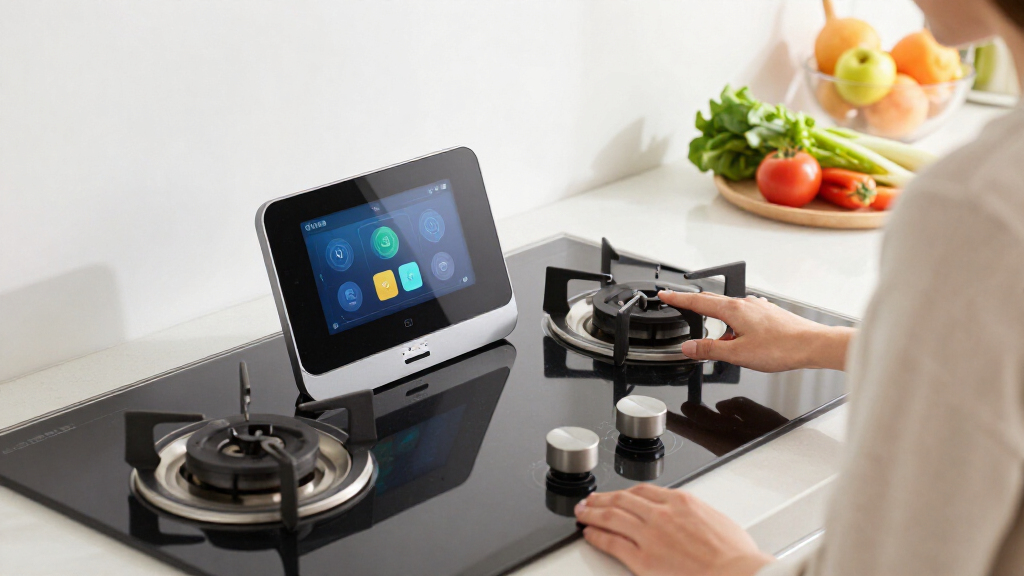
Smart home devices like auto stove shut-offs, passive sensors, and smart alerts can significantly reduce kitchen risks for parents with early memory loss. They preserve independence and give caregivers peace of mind, but require careful, staged implementation.
Start with simple, non-intrusive devices like smart plugs and stove knob covers to build trust and safety.
Use passive sensors and alerts that respect your loved one’s dignity while monitoring routine deviations.
Regularly reassess safety needs—what works today may need upgrading as memory loss progresses.
Involve your parent in choosing safety tools to foster cooperation and acceptance.
Balance safety with independence—tech should support, not replace, your loved one’s routines.
Kitchen safety for a parent with early memory loss: help without taking over
The safest kitchen is not automatically the most restricted one. Layer simple devices around familiar routines, watch for repeated warning signs, and increase support only when risk changes.
When does a memory lapse become a safety signal?
One forgotten timer may call for a reminder. Repeated burner incidents, unsafe judgment or confusion about appliance purpose require a stronger response.
Occasional slip
A meal is overcooked, a timer is missed or food is briefly left on the counter—but the person recognizes the mistake and corrects it.
Try: louder timer + written cueRepeated incident
Burners are left on, pans are repeatedly scorched, spoiled food is eaten or the kitchen smells burnt without an explanation.
Add: alerts + automatic shut-offUnsafe judgment
Metal goes into the microwave, gas is left unlit, cleaning products are confused with drinks or appliance controls no longer make sense.
Move to: supervision + restricted accessSix devices that support independence
Start with the least intrusive layer that reliably addresses the actual risk. Introduce one change at a time and test it in the real routine.
Automatic stove shut-off
Timer-, motion- or alarm-triggered systems cut power or gas after unsafe inactivity. Compatibility varies by range type.
Smart smoke + CO detector
Sends a phone notification as well as sounding locally, helping a caregiver respond even when away from the home.
Passive motion sensors
Door, room and appliance sensors flag unusual patterns—such as nighttime stove activity—without using cameras.
Smart plugs + monitors
Show whether a coffee maker or kettle has run. Use only with appliances that are safe and compatible with switched power.
Automatic electric kettle
Auto shut-off and boil-dry protection make it safer than a stovetop kettle while preserving a familiar tea routine.
Induction cooking
Pan detection, no open flame and a rapidly cooling surface reduce risk, though compatible cookware may be required.
| Device | Preserves routine | Remote awareness | Gas compatible | Setup level | Best moment |
|---|---|---|---|---|---|
| Smart plug | ✓ Yes | ✓ Yes | ✗ No | DIY | Early support |
| Passive sensor | ✓ Yes | ✓ Yes | ✓ Yes | DIY / configured | Routine changes |
| Auto stove shut-off | ✓ Yes | ~ Varies | ~ Model specific | DIY / professional | Repeated stove risk |
| Knob cover or lock | ✗ Limited | ✗ No | ✓ Yes | DIY | Middle-stage restriction |
| Induction cooktop | ~ Adaptation | ~ Varies | ✗ Replaces gas | Professional | Long-term redesign |
Compatibility and safety features vary by model. Confirm electrical load, stove type, alarm support and installation requirements before purchase.
Let support grow only as risk grows
The right plan is a progression, not a one-time gadget purchase. Each step should preserve as much safe participation as possible.
Prompt
Add labels, visible timers, simplified controls and a written end-of-cooking checklist.
Protect
Introduce smart plugs, boil-dry protection, smoke alerts and an automatic stove shut-off.
Simplify
Shift meals toward microwave, automatic kettle and supervised use of fewer appliances.
Supervise
Disable unsafe equipment when alone and preserve cooking as a supported shared activity.
Reassess after every incident and at regular intervals. A device is no longer enough if your parent cannot understand the hazard, respond to an alarm or use the appliance consistently.
Review every 3–6 monthsSpend in proportion to the risk
Low-cost tools can resolve early problems. Higher-cost systems make sense when they prevent a repeated, high-consequence hazard.
Gas, electric and induction need different safeguards
Do not assume a popular shut-off device supports every range. The underlying fuel and control system determine what protection is possible.
Gas
- Open flame and unlit gas create additional hazards.
- Use a compatible automatic gas shut-off valve.
- Professional installation is often necessary.
Electric
- Many retrofit shut-off systems target electric ranges.
- Hot elements remain hazardous after power is cut.
- Confirm plug type, voltage and current rating.
Induction
- No open flame and faster surface cooling.
- Pan detection can stop heating automatically.
- Requires compatible cookware and a learning period.
The dignity-first safety chain
Frame every device as a tool for continuing—not stopping—the activities your parent values. Technology should support judgment, never substitute for supervision when judgment is no longer reliable.
How to Tell When Kitchen Safety Devices Are Really Needed
Knowing when to step in can be tricky. Early signs include forgetting to turn off burners, leaving food unattended, or confusion about how appliances work. More serious cues are burnt smells, hot pans left on, or food gone bad in the fridge. If these happen repeatedly, it’s time to consider safety devices.
For example, if your parent forgets the stove is on but still cooks every day, a simple auto shut-off device might be enough. But if they start leaving the stove on for hours, you may need to rethink full supervision or disabling the stove altogether.
As an affiliate, we earn on qualifying purchases.
Smart Devices That Keep the Kitchen Safe Without Taking Away Independence
These devices turn a risky kitchen into a safer space, often with minimal fuss. Here’s what works:
- Auto shut-off stove devices: Plug-in sensors that cut power if the stove is left on or detect smoke. Examples include FireAvert and CookStop. They respond to smoke alarms or motion sensors and are easy to install.
- Smart smoke and CO detectors: Devices like Nest Protect send alerts to your phone, so you get notified if something’s wrong, even if you’re miles away.
- Passive sensors: Motion or contact sensors placed on doors or appliances learn your parent’s routines and raise alarms if something’s out of the ordinary. These are less invasive and preserve dignity.
- Smart plugs and energy monitors: They track whether the coffee maker or kettle has been used, giving you a quick window into daily routines without constant supervision.
- Automatic kettles with boil-dry protection: Safer than stovetop kettles, these turn off automatically when water boils or if it runs dry.
Here’s a simple comparison:
| Device Type | Pros | Cons |
|---|---|---|
| Auto stove shut-off | Prevents fires, easy to install | Costly, some work only on electric stoves |
| Passive sensors | Non-intrusive, respects independence | Require setup and routine calibration |
As an affiliate, we earn on qualifying purchases.
How to Introduce Safety Tech Without Causing Resistance
Position devices as tools that help your loved one stay independent, not as surveillance. When introducing a new device, involve them in the decision. For example, ask which color or style they prefer for a sensor or timer. Framing it as a way to make cooking easier and safer makes acceptance smoother.
Start with small, manageable steps. Maybe a smart plug for the coffee maker or a simple knob cover. As they grow comfortable, add more advanced solutions like auto shut-offs or passive sensors. Keep the focus on routine, not restrictions.
independent living safety gadgets for seniors
As an affiliate, we earn on qualifying purchases.
As an affiliate, we earn on qualifying purchases.
Planning the Safety Progression as Memory Loss Advances
Memory loss often worsens over time. What works today might need replacing tomorrow. Start with simple solutions like smart plugs or stove knob covers. As your parent’s memory declines, consider more robust measures: disabling the stove, installing automatic shut-offs, or even replacing it with an induction cooktop.
Understanding this progression is crucial because it allows caregivers to plan ahead and implement safety measures gradually. Jumping straight to the most restrictive options can cause frustration or resistance, so pacing interventions helps maintain trust and independence for as long as possible. Regular reassessment ensures safety evolves with their needs, reducing risks without sudden disruptions.
kitchen safety alert system for elderly
As an affiliate, we earn on qualifying purchases.
As an affiliate, we earn on qualifying purchases.
Gas vs. Electric Stoves: What You Need to Know
Gas stoves pose extra risks—unlit gas leaks and open flames make safety devices trickier. Many auto shut-off systems work only on electric ranges. For gas stoves, look into gas shut-off valves that automatically turn off the flow if a leak or unsafe condition is detected.
If you’re considering replacing a gas stove with an electric or induction model, remember that induction stoves only work with special pans and have no open flame, making them inherently safer for memory-impaired users. Recognizing these differences helps you choose appliances that align with safety priorities and your ability to manage technical complexities.
What About Cost, Installation, and Practical Tips?
Many safety devices are surprisingly affordable. Knob covers and timers often cost less than $20. Smart plugs and energy monitors are typically under $50. Auto stove shut-off devices usually run between $200 and $400, plus installation fees if electrical work is needed.
However, it’s important to weigh these costs against the potential risks. Investing in higher-quality, reliable devices can prevent costly accidents or fires, which could threaten safety and incur greater expenses later. Also, consider the tradeoff between ease of installation and long-term maintenance—some devices are plug-and-play, while others may require professional setup. Planning ahead helps ensure safety measures are effective and sustainable.
The Latest in Kitchen Safety Tech: What’s New and Why It Matters
Recent innovations focus on passive, AI-driven monitoring. Instead of alarms that scream at you, these systems learn your parent’s routines and send alerts only when something’s unusual. Radar and mmWave sensors, which don’t invade privacy like cameras, are now being tested for kitchen safety, offering a less intrusive way to monitor activity while respecting privacy concerns.
Meanwhile, the rise of smart home standards like Matter has made DIY setups more reliable and affordable. Voice assistants—like Alexa or Google—are increasingly used to set reminders, timers, or even check in with a quick voice command, helping your parent stay engaged without confusion. These advancements mean safety can be integrated more seamlessly into daily life, reducing the burden on caregivers and promoting a sense of independence for your loved one.
Frequently Asked Questions
How do I know when my parent’s memory loss makes the kitchen unsafe?
Watch for signs like forgotten stove use, food left out, or unexplained burnt smells. Repeated incidents mean it’s time to consider safety devices or supervision.What’s the best automatic stove shut-off device for my situation?
Look for models like FireAvert or CookStop that are compatible with your stove. Electric ranges are easier to retrofit; gas stoves may need additional gas shut-off valves installed by professionals. Choosing the right device depends on balancing ease of installation, reliability, and your specific stove type.Will these devices work with a gas stove?
Most auto shut-off systems are electric-only. For gas stoves, installing a gas shut-off valve is the safest option, but it requires professional installation and a careful assessment of risks. Understanding these limitations helps you plan effective safety measures tailored to your stove type.How can I introduce these devices without upsetting my parent?
Frame them as helpful tools to support their independence. Involve them in choosing and setting up devices, emphasizing safety as a way to keep routines familiar and stress-free. This collaborative approach fosters trust and acceptance, making safety improvements feel like empowerment rather than restriction.What if I live far away and can’t be there all the time?
Use remote alerts from smart devices and passive sensors to stay informed. Consider enlisting a neighbor or local caregiver to check in regularly, which helps balance safety with privacy and independence. Building a support network ensures your loved one remains safe even when you can’t be physically present.Conclusion
A safe kitchen doesn’t mean stripping away your loved one’s independence. It’s about creating a layered safety net that adapts as needs change. Think of it as gentle scaffolding—supportive yet unobtrusive, helping your parent cook with confidence and preserving their dignity. Small steps today can prevent big fires tomorrow, turning the kitchen into a place of comfort, not concern.Fall Picks
fall essentials
As an affiliate, we earn on qualifying purchases.