TL;DR
Upper arm monitors are generally more accurate but can be harder for seniors to use if they have arthritis or limited mobility. Wrist devices are easier to put on but require precise positioning for correct readings. The best choice depends on individual needs and physical abilities.
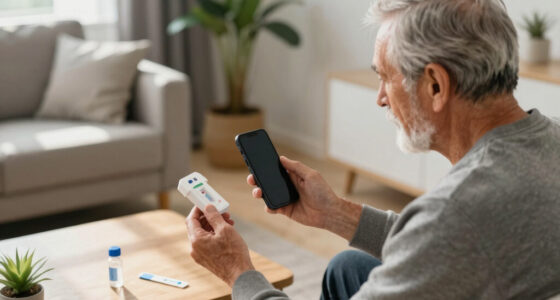
Imagine trying to wrap a tight cuff around your arm while your hands tremble or arthritis makes gripping painful. Now picture slipping a small, lightweight watch-like device onto your wrist, no fuss, no struggle. The choice between these two types of blood pressure monitors isn’t just about accuracy — it’s about how easy they are for you to use daily. If your hands aren’t as nimble as they used to be, knowing which monitor suits your needs can make all the difference in keeping tabs on your health without frustration or error.
In this guide, you’ll learn the real trade-offs between upper arm and wrist monitors. We’ll explore what’s easiest to handle, which offers reliable readings, and how you can pick the right device based on your strength, mobility, and lifestyle. Whether you’re managing hypertension or just want peace of mind, understanding these differences helps you stay confident in your home health routine.
Upper arm monitors are generally more accurate and recommended by health authorities, but they can be harder to use for those with limited mobility or arthriti…
Wrist monitors are easier to put on and quick to use, making them ideal for seniors with grip or shoulder issues, but require careful positioning at heart leve…
Look for monitors with large buttons, high-contrast screens, and simple interfaces — these features help prevent errors and make daily checks less stressful.
Device validation is critical. Always verify models on trusted lists like validatebp.org to ensure your monitor’s readings are trustworthy.
Technological advances, like wider-range cuffs and Bluetooth syncing, are making blood pressure monitoring more accessible and accurate for older adults.
Upper Arm vs Wrist Monitors: Which Is Easier for Older Hands?
Wrapping a tight cuff around your arm when arthritis makes gripping painful is a daily struggle — but a watch-like wrist device has its own hidden demands. The choice isn’t just about accuracy. It’s about what you can use correctly, every single day, without frustration or error.
“The best monitor is the one you will actually use — correctly, consistently, and with confidence.”
Guiding principle · Home BP monitoring“Easier” Splits Into Two Very Different Questions
Easier to put on is not the same as easier to measure correctly. Wrist monitors win the first fight decisively; upper arm cuffs usually win the second. Scores below reflect typical experience for older adults with arthritis, tremor, or reduced grip and shoulder mobility.
Slips on like a watch — then demands precision
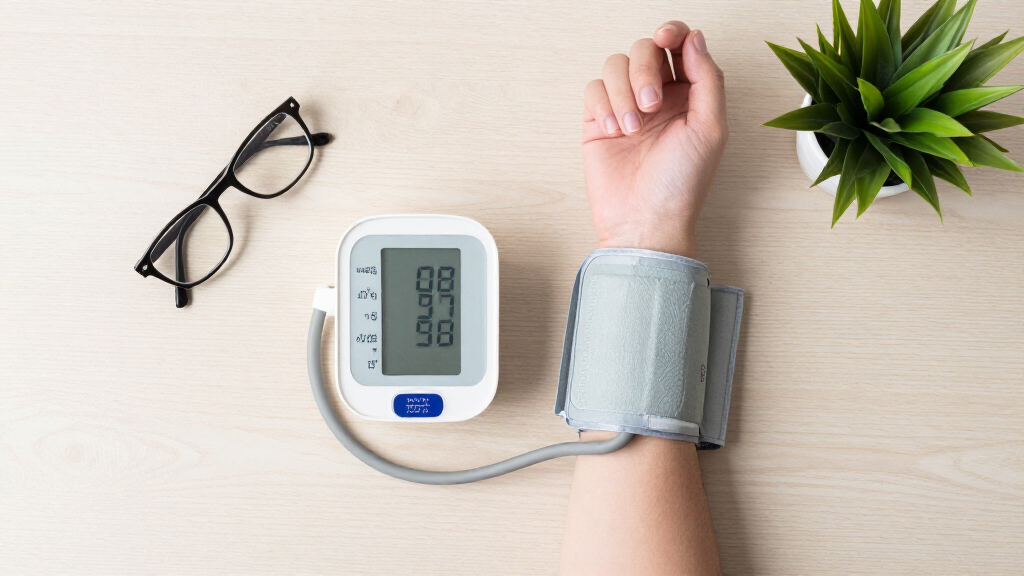
Small, light, fastens with a strap or Velcro. A grandparent with limited finger dexterity can often secure it one-handed. The catch: the wrist must then be held steady, exactly at heart level, for the whole reading.
Harder to wrap — then forgives your technique
A cuff wraps around the upper arm, usually with a D-ring or pre-formed shape. Wrapping one-handed can genuinely hurt with arthritis. But once it’s on and your arm rests on a table, the anatomy does the work: larger arteries, more reliable signal.
Upper arm monitors remain the gold standard for accuracy — but a properly used wrist monitor, held exactly at heart level, can be just as reliable. For someone who would otherwise skip readings because the cuff hurts, consistent daily use wins.
The Real Accessibility Fight, Factor by Factor
Getting an accurate reading depends heavily on positioning and consistent technique. Here is how the two device types compare on the factors that matter most for older hands.
| Factor | Upper Arm Monitor | Wrist Monitor | Winner for Seniors |
|---|---|---|---|
| Putting it on | ~ Moderate — cuff wrapping, D-ring fastening; hard with stiff shouldersPre-formed cuffs & one-handed designs help | ✓ Easy — slips on like a watch, often one-handedIdeal for arthritis or weak grip | ✓ Wrist |
| Positioning demands | ✓ Forgiving — a table naturally guides the arm to heart levelReduces user error | ✗ Strict — wrist must sit exactly at heart level, held steadyTremor & weakness make this hard | ✓ Upper arm |
| Accuracy potential | ✓ High — closely matches clinical readings; guideline-preferredLarger arteries, easier to measure | ~ Variable — accurate only with perfect techniqueThinner, shallower wrist arteries | ✓ Upper arm |
| Cuff fit problems | ~ Standard cuffs may not fit very large or very small armsWide-range 9–17 in cuffs increasingly common | ✓ Fits nearly everyone — no arm circumference issueCommon reason seniors switch to wrist | ✓ Wrist |
| Weight & travel | ~ Bulkier — cuff, tubing, larger bodyFine for a fixed spot at home | ✓ Compact and light — easy to store and carryTravel-friendly | ✓ Wrist |
| Guideline endorsement | ✓ Preferred by AHA, AMA & 2025 ACC/AHA guidelineHBPM central to diagnosis & management | ~ Acceptable when upper arm measurement isn’t possibleMany consumer wrist models are not validated | ✓ Upper arm |
Position Sensitivity: Where Wrist Readings Go Wrong
Inaccurate readings aren’t harmless — overestimation fuels unnecessary stress and medication changes; underestimation gives false security while hypertension goes unnoticed. With wrist devices, a few centimeters of height is all it takes.
Rule of thumb: hydrostatic pressure shifts a reading by roughly 0.7–0.8 mmHg per centimeter. A wrist held just 12–15 cm off heart level can distort the number by ~10 mmHg or more — enough to change a diagnosis.
Wrist a few cm off heart level — the single biggest wrist-device error source, and it happens silently.
Unsupported, dangling arm — always rest the arm on a table or cushion at mid-chest height.
Talking during the reading — stay silent and still from inflation to deflation.
No caffeine, exercise or smoking within half an hour before measuring — these transiently raise pressure.
What Older Adults Should Look For — Whichever Type They Choose
Pressing a tiny button with shaky fingers is frustrating and error-prone. These design features matter as much as the cuff location — they prevent errors and make daily checks less stressful.
Large, tactile buttons
Big buttons that respond easily — ideally single-button, one-touch operation — beat sleek touch panels for arthritic or trembling hands.
High-contrast display
Bright, backlit, large-digit screens make numbers readable without squinting — critical when eyesight isn’t perfect.
Voice guidance
Talking models announce results and walk users through each step — a lifeline for low vision or cognitive challenges.
Wide-range cuff
“One size fits most” cuffs spanning roughly 9–17 inches remove the hassle of sizing — a top reason people wrongly give up on upper arm devices.
Simple interface
Clear instructions, minimal menus, memory storage and automatic averaging reduce user error and build daily confidence.
Bluetooth sync & sharing
App pairing tracks trends over time and shares data with clinicians — now mainstream even in mid-priced models, and increasingly telehealth-friendly.
The 5-Step Routine That Matters More Than Device Type
Most home-monitoring errors come from technique, not technology. Whatever you buy, follow this chain every time — and bring the device or its app data to appointments to compare against clinic readings.
Rest 5 minutes
Sit quietly. No caffeine, exercise or smoking in the previous 30 minutes.
Sit supported
Back against the chair, feet flat on the floor, legs uncrossed.
Arm at heart level
Arm or wrist supported on a table or cushion, exactly at mid-chest height.
No talking
Stay silent and still from the moment the cuff inflates until it deflates.
Take two readings
One minute apart, morning and evening, over several days. Log the average.
Two Routes to a Reading You Can Trust
Trace your situation down the chain. Both paths can end at reliable daily monitoring — they just demand different kinds of effort from older hands.
Starting pointShoulders and grip still manage a cuff wrap
Hardware choiceD-ring or pre-formed cuff, wide-range 9–17 in
PositioningArm resting on a table — naturally at heart level
OutcomeGuideline-grade accuracy with forgiving technique
Starting pointArthritis, weak grip, shoulder pain — or arm too large for cuffs
Hardware choiceWatch-style strap fastens one-handed, no wrapping
PositioningWrist held steady exactly at heart level — every reading
OutcomeReliable readings — but only with disciplined technique
Five Things to Remember Before You Buy
- Upper arm monitors are more accurate and recommended by health authorities — but harder to use with limited mobility or arthritis.
- Wrist monitors are easier to put on and quick to use, but demand precise heart-level positioning every single time.
- Large buttons, high-contrast screens and simple interfaces prevent errors and make daily checks less stressful.
- Validation is critical. Many consumer models — especially wrist and cheap online devices — have never passed independent accuracy testing.
- Technology is closing the gap: wide-range cuffs, pre-formed designs, voice guidance and Bluetooth syncing are making monitoring more accessible for older adults.
Check the model on a validated device list
The US Blood Pressure Validated Device Listing — launched by the AMA — and STRIDE BP’s international lists are the standard reference for whether a specific model passed independent accuracy validation. An unvalidated monitor is a guess, not a measurement.
validatebp.orgWhy Accuracy Still Matters — And Which Monitor Wins
Accuracy isn’t just a number — it’s the foundation of managing blood pressure safely. According to health guidelines, upper arm monitors are preferred because they closely match clinical readings. They use a cuff that wraps around your upper arm, where arteries are larger and easier to measure reliably. Wrist monitors can be accurate, but only if positioned perfectly at heart level during each reading. A misstep of just a few centimeters can throw off your numbers by over 10 mmHg, making your readings less trustworthy.
Why does this matter? Because inaccurate readings can lead to misdiagnosis or improper medication adjustments. If your monitor consistently overestimates your blood pressure, you might think your condition is worse than it really is, leading to unnecessary stress or medication changes. Conversely, underestimation can give a false sense of security, risking unnoticed hypertension. Therefore, understanding the importance of proper positioning and the inherent differences in device design helps you interpret your readings correctly, ensuring your health decisions are based on reliable data.
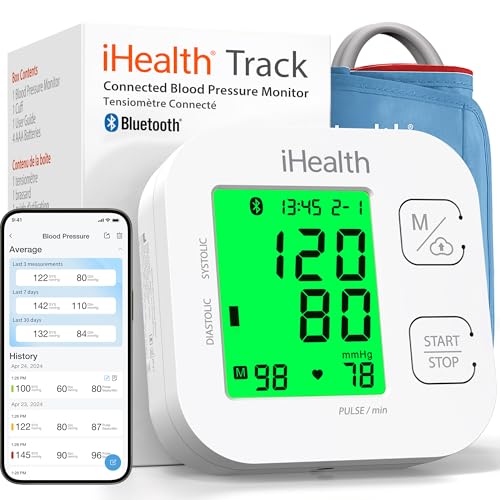
iHealth Track Smart Upper Arm Blood Pressure Monitor with Wide-Range Cuff
- Clinically Accurate: Easy operation, no calibration needed
- Large Multi-Color Display: Oversized numbers with color-coded readings
- Easy Data Management: Store up to 99 readings on device
As an affiliate, we earn on qualifying purchases.
As an affiliate, we earn on qualifying purchases.
Which Is Easier to Put On? Wrist or Upper Arm — The Real Accessibility Fight
When it comes to ease of use, especially for older hands, the clear winner is the wrist monitor. It slips on like a watch, with a simple strap that fastens with a buckle or Velcro. For someone with arthritis or weak grip strength, this can be a real lifesaver. One-handed operation is often enough to secure it comfortably. Imagine a grandparent with limited finger dexterity snapping a tiny device onto their wrist without fuss.
Upper arm monitors require wrapping a cuff around your upper arm, often with a D-ring or pre-formed shape. For those with shoulder mobility issues or arthritis in the hands, this can be a challenge. A tight cuff might be difficult to hold steady, or the process of wrapping and fastening could cause discomfort. Still, many cuffs now feature larger, easier-to-grip fasteners and support for one-handed application, making the task more manageable.
In practical terms, if your main concern is putting the device on independently, wrist models win hands down. But remember: a device that’s easy to put on isn’t necessarily easy to measure accurately. The convenience of donning a wrist monitor can encourage more consistent use, which is crucial for effective blood pressure management, especially if physical limitations make handling larger cuffs difficult. So, ease of donning can directly influence how regularly you monitor your health, impacting overall management success.

Oklar Wrist Blood Pressure Monitor, FDA Cleared Rechargeable BP Machine
- Dual User Memory: Stores 240 readings for 2 users
- Fast, Accurate Results: Measures in 35 seconds with auto shut-off
- Voice Broadcast: Includes adjustable volume for accessibility
As an affiliate, we earn on qualifying purchases.
As an affiliate, we earn on qualifying purchases.
The Real Challenge: Getting a Correct Reading — Which Device Is Simpler?
| Device Type | Ease of Use | Measurement Accuracy | Best For |
|---|---|---|---|
| Upper Arm Monitor | Moderate — needs proper cuff placement, supporting surface helps | High — recommended by health authorities | Most users, especially when accuracy is critical |
| Wrist Monitor | High — easy to wear, quick setup | Variable — sensitive to positioning, must be at heart level | Those with mobility or grip issues, willing to follow precise instructions |
Getting an accurate blood pressure reading depends heavily on proper positioning and consistent technique. Wrist monitors, while quick and easy to put on, demand careful attention to placement at heart level during each measurement. If the wrist is held too high or too low, the reading can be significantly off, leading to potential misinterpretation of your health status. This sensitivity means that even small lapses in technique can compromise accuracy. Conversely, upper arm monitors, especially when used with a support surface like a table, naturally guide your arm into the correct position, reducing user error and providing more consistent results. This trade-off highlights the importance of understanding not just ease but also the implications for measurement reliability, especially if you’re monitoring blood pressure regularly for health management.
iHealth Track Smart Upper Arm Blood Pressure Monitor with Wide-Range Cuff
- Clinically Accurate: Easy operation, no calibration needed
- Large Multi-Color Display: Oversized numbers with color-coded readings
- Easy Data Management: Store up to 99 readings on device
As an affiliate, we earn on qualifying purchases.
As an affiliate, we earn on qualifying purchases.
What Older Adults Should Look for in a Blood Pressure Monitor
Choosing the right monitor isn’t just about the device’s size. For older hands, features like larger buttons, high-contrast screens, and simple interfaces matter. Imagine pressing a tiny button with shaky fingers — frustrating and error-prone. Instead, look for models with big, tactile buttons that respond easily.
Size of the display is also key. Bright, high-contrast screens make reading numbers easier, especially if eyesight isn’t perfect. Voice-guided models can help those with low vision or cognitive challenges. Some monitors come with extra-large cuffs that fit a wide range of arm sizes, reducing the hassle of finding a good fit.
Beyond size and visuals, consider how intuitive the device is. A straightforward interface minimizes user errors and enhances confidence. Features like one-touch operation, clear instructions, and simple menu options can make daily monitoring less intimidating. Also, think about storage and connectivity: devices that sync with your phone or have memory functions help you track your health over time, which is valuable for your healthcare provider. For those with arthritis or limited dexterity, lightweight, compact designs make handling easier, encouraging consistent use without added frustration.

OMRON Iron Blood Pressure Monitor & Upper Arm Blood Pressure Cuff
- Advanced Accuracy Technology: Reliable blood pressure readings
- Irregular Heartbeat Detection: Detects heartbeat irregularities
- One-Touch Operation: Quick and easy to use
As an affiliate, we earn on qualifying purchases.
As an affiliate, we earn on qualifying purchases.
Recent Tech Trends Making Monitoring Easier for Seniors
Technology is evolving fast, and some recent innovations make blood pressure monitoring more senior-friendly. Devices now often feature larger, more durable cuffs that fit arm sizes from 9 to 17 inches. Imagine a cuff that easily slips on a larger or smaller arm without needing multiple adjustments. These improvements reduce the frustration of trying to find a proper fit and ensure more consistent measurements across different body types.
Bluetooth-enabled monitors sync automatically with smartphones or tablets, allowing you to store multiple readings, analyze trends, and share data directly with your healthcare provider. This integration minimizes manual logging errors and provides a clearer picture of your blood pressure over time. Voice prompts and backlit screens are becoming standard, helping those with low vision or dexterity challenges navigate the device more easily. Such features not only enhance usability but also promote regular monitoring, which is vital for effective blood pressure management. As these technologies advance, they promise to make home health monitoring more accessible, reliable, and integrated into everyday life, especially for older adults who might face barriers with traditional devices.
Frequently Asked Questions
Are wrist blood pressure monitors accurate?
Wrist monitors can be accurate if used correctly — they must be positioned at heart level during each reading. However, they are more sensitive to user error than upper arm devices, so proper technique is essential for reliable results.
Which type is better if I have arthritis?
For people with arthritis, wrist monitors are often easier to handle because they slip on like a watch. But if you can manage the cuff, an upper arm monitor with larger, easy-to-grip fasteners can also work well, especially with support from a stable surface.
What if my arm is too big or small for standard cuffs?
Measure your arm’s circumference first. Many brands now offer extra-large or adjustable cuffs that fit a wider range of sizes. When in doubt, a validated wrist monitor can serve as a reliable fallback if a proper cuff isn’t available.
How do I know if my monitor is validated?
Check reputable lists like validatebp.org (US) or stridebp.org (international). Enter your device’s model number to confirm it has passed independent accuracy validation, which is key for trustworthy readings.
Can I rely on my smartwatch for blood pressure?
Smartwatches with BP features are still experimental. They require calibration against cuff devices and aren’t yet approved for medical diagnosis or management. It’s best to use them as supplementary tools rather than primary monitors.
Conclusion
Choosing between an upper arm and wrist blood pressure monitor isn’t just about technical specs — it’s about what fits your hands and lifestyle best. A device that’s easy to put on but inaccurate won’t help you manage your health. Conversely, a highly accurate monitor that’s painful or difficult to use might discourage consistent tracking.
Focus on what you can handle comfortably and accurately. The right device makes regular health checks feel less like a chore and more like a simple part of your routine. After all, staying on top of your blood pressure should empower you, not frustrate you.