
TL;DR
Open a free Amazon Business account
Business pricing, bulk buying and tax-exempt orders.
Create a free accountAs an affiliate, we earn on qualifying purchases.
Both necklaces and wristbands serve as vital medical IDs, but comfort and lifestyle influence which is easier to wear daily. Recent innovations make both options more durable and stylish, so your choice should prioritize your routine and preferences.
Wristbands are generally more comfortable and easier to put on daily, especially for active lifestyles.
Necklaces offer better visibility, making them quicker for first responders to spot in an emergency.
Modern devices combine style and tech, with waterproof, customizable options available for both types.
Choose a device based on your routine — comfort and accessibility matter just as much as safety.
Regularly check and update your medical info on your device to keep it reliable.
Visibility and Accessibility: Which Device Gets Noticed Faster?
When seconds count, being easily identifiable makes all the difference. Necklaces are often more visible, especially if worn outside clothing, making it quicker for first responders to spot your medical info. This visibility can be life-saving in emergencies where every second matters. For example, a visible necklace can allow a paramedic to quickly identify allergies or critical conditions without delay.
Wristbands, however, tend to be less conspicuous, especially if concealed under sleeves or clothing, which might delay recognition. This tradeoff highlights why visibility can be a crucial factor—if you have a condition that warrants immediate identification, a necklace’s higher visibility could be lifesaving. Conversely, if privacy or discretion is a priority, a wristband offers a subtler option.
Recent innovations, like high-contrast engravings, QR codes, and bright colors, aim to bridge the gap—enhancing visibility without sacrificing discretion. Think about how these tech features can be strategically used depending on your environment and comfort level, ultimately influencing how quickly and effectively first responders can access your vital information.
As an affiliate, we earn on qualifying purchases.
Comfort and Wearability: Which Feels Better During Your Busy Day?
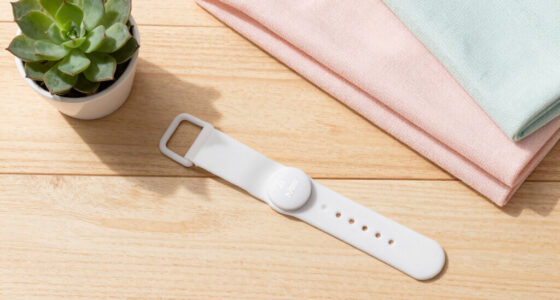
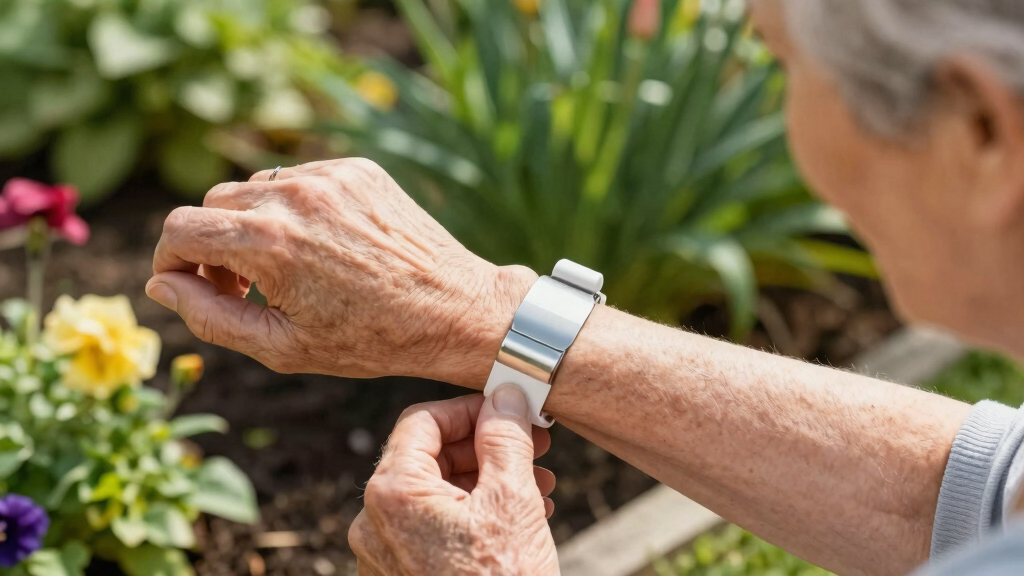
Comfort isn’t just a matter of preference; it impacts whether you’ll wear your device consistently. For many, wristbands offer a practical advantage because they tend to be less intrusive, especially during daily activities. Silicone and lightweight materials conform to your wrist, minimizing irritation and allowing freedom of movement. This can be essential for those with active lifestyles or sensitive skin.
On the other hand, necklaces can sometimes cause discomfort—metal chains may chafe or pull on hair, and some materials may irritate sensitive skin. During physical activities like exercise or hot weather, a necklace might feel sticky or cause chafing, leading to inconsistent wear or removal. The decision hinges on understanding your daily routines: if you’re active outdoors or prone to sweating, a wristband made of breathable, hypoallergenic material might be the better choice. Conversely, if you prioritize discreetness and don’t mind occasional adjustments, a necklace can be equally comfortable with proper material selection.
Practical takeaway: consider testing different materials and styles to determine what feels best during your typical daily activities. Small adjustments, like choosing a silicone band over metal, can significantly improve comfort and ensure you wear your device consistently, which is crucial for safety.
As an affiliate, we earn on qualifying purchases.
Durability: Which Device Lasts Longer Under Daily Stress?
Durability isn’t just about resisting wear and tear; it has direct safety implications. A device that can withstand daily stresses—like sweat, bumps, and accidental pulls—ensures that your vital medical information remains accessible when needed most. If your device degrades quickly, it risks becoming unreadable or detaching, which could delay emergency response. Therefore, choosing a durable material isn’t just a matter of longevity but a critical safety consideration. For example, a silicone wristband with a reinforced clasp can resist daily knocks and moisture, maintaining integrity over time. Similarly, a stainless steel necklace with a secure clasp reduces the risk of accidental loss during vigorous activity. Advances like scratch-resistant coatings and flexible, sturdy materials extend the lifespan of both types, ensuring your safety isn’t compromised by wear and tear.
Understanding your environment and activity level helps determine which durability features matter most. If you’re outdoors often, waterproof and impact-resistant options are vital. For everyday wear, choosing a device with reinforced fastenings and high-quality materials minimizes the need for replacements and maintains consistent access to your medical info, which is essential for ongoing safety.
As an affiliate, we earn on qualifying purchases.
Ease of Use and Maintenance: Which Is Simpler to Manage?
Ease of use and maintenance are key to ensuring your medical alert device remains a reliable safety tool. Wristbands tend to be more straightforward, often featuring simple slip-on designs or quick-release clasps that require minimal effort to put on and take off. This simplicity encourages consistent wear, especially for children, elderly users, or those with limited dexterity, who might struggle with complex clasps or chains. Regular cleaning—such as rinsing with water or wiping with a damp cloth—is usually sufficient to keep them hygienic, and many models are dishwasher-safe, simplifying ongoing maintenance.
Necklaces, however, often involve more complex clasps or chains that may require more dexterity to fasten securely. This can lead to inconsistent wearing if the clasp is difficult to operate or if the chain is prone to tangling. Proper maintenance is equally important: metal chains can tarnish or collect dirt, requiring regular cleaning with appropriate solutions, while some devices feature replaceable batteries or are designed to be maintenance-free. To maximize reliability, choose a device with user-friendly fasteners and low-maintenance features—these reduce the likelihood of accidental removal or neglect, ensuring your vital information is always accessible when needed.
customizable medical alert necklace
As an affiliate, we earn on qualifying purchases.
As an affiliate, we earn on qualifying purchases.
Frequently Asked Questions
Which is more effective for emergency identification: a necklace or a wristband?
Both are recognized by emergency responders, but necklaces tend to be more visible at a glance, especially if worn outside clothing. The best choice depends on your activity level and what you find easiest to wear consistently.Are medical alert necklaces or wristbands more comfortable for daily wear?
In general, wristbands are considered more comfortable, especially during physical activities or in hot weather. Silicone and lightweight materials make wristbands less intrusive than necklaces for many people.Can I wear a medical alert device during sports or swimming?
Yes, many modern devices are waterproof and sweatproof, making them suitable for sports, swimming, or outdoor activities. Look for devices specifically labeled waterproof or water-resistant.How do I choose the right material and style?
Consider your skin sensitivity, activity level, and personal style. Silicone wristbands are soft and hypoallergenic, while metal necklaces can look more elegant. Choose a durable, easy-to-clean material that suits your routine.Are smart medical alert devices reliable and secure?
Smart devices with QR codes or NFC chips provide quick access to your info. Ensure they have strong encryption and are from reputable brands to keep your data safe while providing fast emergency access.Conclusion
Your daily safety device should feel like a natural part of your routine. Whether you prefer the visibility of a necklace or the comfort of a wristband, the key is to wear it consistently. Imagine the peace of mind knowing your medical info is always within reach — no matter what your day throws at you. Wear what feels right, and stay safe, effortlessly.College move-in / dorm season Picks
dorm essentials
As an affiliate, we earn on qualifying purchases.