TL;DR
Listen free for 30 days with Audible
Thousands of audiobooks and originals — cancel anytime.
Start your free trialAs an affiliate, we earn on qualifying purchases.
Renting is best for short-term needs, quick trials, or when storage is limited. Buying suits long-term use, customization, and when insurance covers the cost. Calculate the break-even point to decide wisely.
When you need mobility equipment at home, the choice between renting and buying can feel overwhelming. Each option has its pros, cons, and hidden costs. Making the right decision can save you money, space, and stress.
In this guide, you’ll discover when renting makes sense, when buying is smarter, and how to weigh the true costs. Whether you’re recovering from surgery or setting up for long-term independence, understanding these factors will help you make smarter choices.
Rent for short-term, trial, or travel needs to avoid large upfront costs.
Buy for long-term, daily use, or when equipment needs customization or frequent access.
Always compare total costs—hidden fees and maintenance can tip the balance.
Prioritize safety, fit, and professional assessment over initial price alone.
Check insurance, grants, and funding options to ease the financial burden.
Renting vs Buying Home Mobility Equipment
Rent for temporary, changing, or trial needs. Buy for dependable daily access, customization, and long-term value. The smartest choice comes from comparing total cost—not the advertised monthly price.
Ownership often becomes more economical once recurring rental charges approach the purchase cost.
Useful for recovery, travel, changing conditions, and trying equipment before committing.
Daily access and professional customization can improve comfort, safety, and independence.
01 · At a glance
Which path fits your situation?
Start with how long the equipment is likely to be needed. Then consider whether the user’s condition, home, or equipment specifications may change. Customization and everyday reliability usually strengthen the case for ownership.
Flexibility matters most
Renting limits commitment and may bundle practical support that would otherwise require separate coordination.
- The need is temporary or the recovery timeline is uncertain.
- You want to test comfort, controls, or fit before purchasing.
- Equipment is needed for travel or temporary accommodation.
- Delivery, setup, repairs, and pickup are included.
- Storage space or available cash is limited.
Consistency matters most
Buying spreads the initial investment across repeated use and supports a precise, dependable setup.
- The equipment will be used daily for months or years.
- Clinical fitting, custom seating, or home adaptation is required.
- Immediate and reliable access is essential.
- Insurance, grants, or other funding reduce the purchase cost.
- The item can later be resold, donated, or transferred.
02 · Cost crossover
Find the break-even point
Recurring rental payments begin small but continue climbing. Ownership starts with a larger outlay, then grows more slowly through maintenance and replacement costs.
This timeline is a decision guide, not a universal price quote. Actual crossover depends on the device, local rental rates, service fees, insurance coverage, and resale value.
03 · Equipment guide
Rent or buy by device
Temporary and standardized products are easier to rent. Equipment shaped around the user, the home, or clinical requirements usually delivers more value when purchased.
| Equipment | Renting may work best | Buying may work best |
|---|---|---|
| Manual wheelchair | RTemporary recovery, occasional travel, or testing models. | BDaily use, custom seating, or long-term adjustments. |
| Power wheelchair | RA short trial or temporary need when a suitable unit is available. | BClinical fitting, specialized controls, and dependable daily access. |
| Mobility scooter | RVacations, events, or occasional short-term outings. | BFrequent community use with storage and charging available. |
| Walker or rollator | RVery short recovery or a fit-and-comfort trial. | BOngoing support; purchase prices are often relatively modest. |
| Hospital bed | RHospice, temporary recovery, or rapidly changing care needs. | BLong-term home care when maintenance can be managed. |
| Patient lift | RTemporary caregiving or a supervised equipment trial. | BRegular transfers with caregiver training and the correct sling. |
| Portable ramp | RTravel or temporary access requirements. | BRepeated use with verified weight capacity and safe slope. |
| Permanent ramp | RRarely practical because installation is property-specific. | BLong-term access that meets property and building requirements. |
| Stair lift | RShort occupancy when rental installation is locally available. | BLong-term use, curved stairs, or a customized installation. |
| Bathroom aids | ROccasional temporary need when hygienic rental is available. | BOngoing use; these products are often affordable and hygiene-sensitive. |
R = stronger rental scenario · B = stronger ownership scenario · Final selection should follow professional assessment and product-specific safety guidance.
04 · Hidden costs
Compare the complete bill
A low monthly rate or discounted purchase price can be misleading. List every expected charge over the full period of use, including services, accessories, upkeep, and potential recovery of value.
Rental total
Confirm which services are bundled and which appear as separate charges.
Purchase total
Subtract coverage and future value only after confirming eligibility and realistic resale prospects.
05 · Decision flow
From need to confident choice
Work through the decision in sequence. Cost belongs in the process, but only after the equipment is confirmed as safe, suitable, and available.
Estimate duration, frequency, environment, and likely changes.
Confirm dimensions, controls, posture, weight capacity, and access.
Include fees, servicing, accessories, modifications, and maintenance.
Review insurance, grants, benefits, and rent-to-own terms.
Select the safer value and reassess if needs change.
How to Decide If Renting Is Your Best Bet
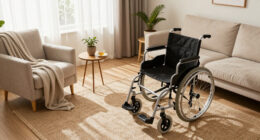
Renting home mobility equipment works best when your need is temporary or uncertain. For instance, recovering from knee surgery might require a wheelchair for only a few weeks. Renting allows you to access quality gear without the burden of a large upfront investment, which can be crucial when funds are limited or your financial situation is uncertain.
It’s also ideal if your condition might improve or worsen soon. A short-term rental provides flexibility to adapt as your needs change, avoiding the risk of owning equipment that may no longer be suitable or necessary. Additionally, rental companies often include services like delivery, setup, maintenance, and repairs—saving you time, effort, and potential additional costs. This comprehensive support can be especially valuable if you lack the means or expertise to manage equipment upkeep.
Limited storage space is another factor. If your home can’t comfortably accommodate a wheelchair, ramp, or other bulky devices, renting keeps your environment uncluttered and flexible. If upfront costs are a concern, renting offers a manageable monthly expense, avoiding the large initial outlay that buying typically requires.
However, it’s important to consider the long-term costs. Repeated rental payments can accumulate to a significant amount over time, sometimes exceeding the purchase price of the equipment. Always review rental agreements carefully—look for minimum rental periods, damage policies, and whether rent-to-own options are available that could lead to eventual ownership. Balancing these factors helps ensure your choice aligns with your financial and health needs.
As an affiliate, we earn on qualifying purchases.
Why Buying Home Mobility Equipment Usually Saves Money in the Long Run
Buying equipment makes the most sense when you anticipate consistent, daily use over months or years. For example, if you require a power wheelchair or stair lift as part of your ongoing mobility needs, ownership often becomes more cost-effective than repeated rentals. This is because the initial investment is spread over many years, reducing the overall cost per use.
Furthermore, custom-fit devices—such as specialized seating, orthotic supports, or tailored prosthetics—are difficult and often expensive to rent. These customized solutions are vital for safety, comfort, and injury prevention. If equipment isn’t properly fitted, it can cause discomfort or even lead to pressure injuries, falls, or other health issues. Owning your equipment allows for precise adjustments by professionals, ensuring optimal fit and safety over time.
Insurance coverage or grants can significantly affect affordability. If these sources cover most of the purchase cost, owning becomes financially attractive, especially considering the potential for resale or donation after use, which can recoup some expenses. However, the upfront cost should be weighed against the long-term savings and the value of having reliable, personalized equipment at your fingertips.
It’s also important to consider the implications of low-quality or poorly fitted equipment. Such devices can compromise safety, increase the risk of injuries like falls or pressure ulcers, and reduce independence. Investing in high-quality, customized gear—though initially more expensive—often results in better health outcomes, greater comfort, and fewer ongoing repair or replacement costs. These factors can make ownership a smarter investment for those with long-term needs.
When comparing costs, include purchase price, ongoing maintenance, repairs, and potential resale value. In many cases, the total expenditure over years of use justifies the initial investment, especially when factoring in the benefits of tailored, dependable equipment that enhances quality of life.
As an affiliate, we earn on qualifying purchases.
Equipment-Specific Tips: When to Rent vs Buy for Common Devices
| Equipment | Rent When… | Buy When… |
|---|---|---|
| Manual wheelchair | For recovery or occasional travel, especially if your needs are temporary or you want to test different models before committing. | For daily, long-term use, or if you require custom seating or adjustments that rental units cannot provide reliably. Buying ensures consistent access and comfort. |
| Power wheelchair | Short-term trial or temporary use during recovery or travel, when flexibility is needed without a long-term commitment. | Long-term, daily use with specific controls or advanced features. Ownership provides reliability, customization, and cost savings over time. |
| Mobility scooter | Occasional trips, vacations, or short-term needs where rental offers convenience without storage concerns. | Frequent community outings, with the need for consistent storage, charging, and maintenance. Buying provides readiness and cost efficiency for regular use. |
| Walker or rollator | Short-term recovery or trial to assess fit and comfort, especially if the need is temporary or uncertain. | Long-term support for daily activities, where modest cost and durability justify ownership. |
| Hospital bed | Temporary recovery phase or when patient needs change frequently, making rental a flexible option. | Long-term home care, where stability, comfort, and personalization are priorities, justifying the purchase. |
| Patient lift | Temporary caregiving needs or trial to assess suitability. | Regular transfers requiring reliable operation and caregiver training, making ownership more practical and cost-effective. |
| Ramp | Temporary access needs for travel or short-term projects. | Repeated use for permanent access, where durability and customization are important. |
| Stair lift | Short-term occupancy or trial installation, especially if the home layout might change. | Long-term use or custom stairs, where investment in permanent or tailored solutions provides better safety and convenience. |
| Lift chair | Trial or short recovery period to evaluate comfort and fit. | Long-term comfort and daily support, especially if you have specific seating needs or preferences. |
| Bathroom aids | Temporary needs such as post-surgery recovery or short-term safety improvements. | Ongoing use for hygiene, safety, and independence, where consistent access justifies ownership. |
Use this chart to weigh the best approach for each device. Remember: rental is often better for temporary or trial use, while buying suits long-term needs and customization.
As an affiliate, we earn on qualifying purchases.
Crunching the Numbers: How to Decide What’s Cheaper Overall
While focusing on the monthly rental fee might seem straightforward, it’s the total cost over your expected period of use that truly matters. Small differences in monthly costs can result in big savings or expenses depending on how long you need the equipment. To accurately compare options, consider the total expenditure involved in both renting and buying.
Calculating the break-even point—by dividing the purchase price by the monthly rental fee—gives you a clear timeline: if you plan to use the equipment beyond this point, buying generally becomes more economical. For example, a power wheelchair costing $3,000 versus a rental fee of $150 per month results in a break-even at 20 months. If your need extends beyond that, ownership offers better value in the long run.
However, this calculation should include hidden or ongoing costs such as delivery, setup, batteries, repairs, and accessories. Rental agreements often bundle some of these expenses, reducing the hassle and unpredictability. Conversely, owning equipment means you’re responsible for maintenance and replacements, which can add up over time. Weighing these factors helps you avoid pitfalls, like underestimating repair costs or overestimating resale value, leading to smarter financial decisions.
In essence, a comprehensive cost analysis—factoring in all expenses over your expected usage period—will guide you toward the most economical choice, balancing initial costs, ongoing expenses, and safety considerations.
As an affiliate, we earn on qualifying purchases.
Safety and Fit: Why They Matter More Than Price
Choosing equipment isn’t just about what’s cheapest. An ill-fitting wheelchair or an inappropriate stair lift can cause serious health risks, including falls, pressure injuries, or discomfort that diminishes independence. Safety and proper fit are non-negotiable because they directly impact your health, safety, and quality of life.
Think of it like trying on shoes: if they’re too tight or too loose, walking becomes awkward or painful, and long-term wear can cause damage. Similarly, poorly fitted mobility devices can lead to misalignment, pressure sores, or falls. Proper measurements, professional assessments, and fitting are crucial steps to ensure your equipment supports safe movement and reduces injury risk.
Consider your body dimensions, strength, and home environment. A device that fits your body but doesn’t match your stairs or bathroom layout may become a hazard rather than a help. For example, a stair lift that’s too narrow might cause safety concerns, or a wheelchair that doesn’t accommodate your home’s doorways could impede independence.
Consulting with occupational or physical therapists ensures your equipment is tailored to your specific needs. They can advise on structural modifications, proper installation, and safety features, especially for complex or custom solutions like ramps or stair lifts. These professionals can also assist with obtaining necessary permits and ensuring compliance with safety standards.
Prioritizing safety and fit over initial cost is essential because the right equipment not only protects your health but also supports your independence and peace of mind. A well-fitted device can make all the difference in maintaining mobility and avoiding preventable injuries.
How Insurance and Funding Can Make Your Choice Easier
Insurance coverage and funding programs can significantly ease the financial burden of acquiring mobility equipment. Many countries and insurers recognize the importance of these devices for maintaining independence and may cover either rental or purchase costs, especially when the equipment is deemed medically necessary. Understanding your coverage options can prevent unexpected expenses and streamline your decision-making process.
Before proceeding, ask yourself and your provider the following questions: Is the equipment covered as a rental, purchase, or capped rental? Is prior approval required? Are maintenance, batteries, and accessories included in the coverage? Who owns the equipment after the rental or purchase period? Can coverage transfer if you move or change providers? These details influence your financial planning and long-term access.
Getting detailed, written confirmation of what your insurer covers helps you avoid surprises. Clarify whether coverage includes ongoing maintenance, repairs, and upgrades, which can be critical for long-term usability. Additionally, explore grants, community programs, or charitable organizations that assist with costs, especially for custom or high-end equipment. These resources can sometimes cover significant portions of expenses, making ownership more feasible.
Understanding the nuances of your insurance and funding options allows you to choose the most cost-effective, sustainable solution, ensuring you get the equipment you need without unnecessary financial strain.
Latest Trends Making Renting or Buying Easier and Smarter
The mobility equipment market is rapidly evolving, leveraging technology and innovative business models to enhance accessibility and convenience. Online rental platforms now enable you to order wheelchairs, scooters, and beds with just a few clicks, often offering same-day delivery in major urban areas. This convenience makes managing short-term needs or travel arrangements much easier and less stressful.
Subscription and rent-to-own models are gaining popularity, providing flexibility and options for ownership over time. Many companies offer plans that combine monthly payments with servicing, and after a predetermined period, you might own the device outright—if the terms suit your needs. This approach allows you to test equipment before committing fully, reducing risk and enhancing satisfaction.
Connectivity features are transforming mobility devices. Many now include apps for diagnostics, remote support, and location tracking, which can improve safety and maintenance. These features enable proactive management, but they also introduce considerations around internet access and data privacy, which users should evaluate carefully.
Design improvements—such as lighter, foldable, and portable devices—are making travel and temporary rentals more practical. Additionally, used or refurbished equipment, if inspected and sanitized properly, offers affordable options for budget-conscious consumers. These trends collectively aim to make mobility solutions more flexible, accessible, and sustainable, allowing users to adapt to changing needs while controlling costs.
Frequently Asked Questions
Is it cheaper to rent or buy a wheelchair?
For short-term recovery or brief trips, renting is usually more economical because you avoid the large initial expense and only pay for the period you need. However, if you require a wheelchair for long-term daily use, especially a basic manual model, buying often becomes more cost-effective after a few months. This is because the cumulative rental costs can surpass the purchase price over time. Additionally, ownership provides the benefit of customizing and maintaining your device to your specific needs, which can enhance comfort and safety. Carefully assess your expected usage duration, financial situation, and need for customization to make the best choice.How long should I rent before deciding to buy?
A practical approach is to calculate the break-even point by dividing the purchase price of the equipment by the monthly rental fee. For example, if a device costs $3,000 and the monthly rental is $150, the break-even is at 20 months. If you anticipate using the equipment beyond this period, purchasing generally becomes more economical in the long run. However, consider potential changes in your health, home environment, or preferences, which might influence whether you stick with the current equipment or switch later. Renting for a trial period also allows you to evaluate whether the device meets your needs before making a significant investment.Can I try equipment before committing to buy?
Many suppliers and providers offer trial periods or short-term rentals, allowing you to test equipment in real-life conditions. This experience can help you assess comfort, fit, and usability, ensuring the device suits your needs before purchasing. When engaging in a trial, confirm whether rental payments can be credited toward a future purchase—this can make transitioning smoother financially. Also, ensure the trial equipment matches the specifications and features of the device you plan to buy, to avoid discrepancies that could lead to dissatisfaction or additional costs.Does insurance cover rental or purchase?
Insurance coverage varies depending on your insurer, country, and specific policy. Often, insurers recognize the importance of durable medical equipment and may cover either rental or purchase costs if deemed medically necessary. It’s essential to verify in advance: Is the equipment covered as a rental, purchase, or capped rental? Does your insurer require prior approval? Are maintenance, batteries, and accessories included? Understanding these details helps you plan financially and avoid unexpected expenses. Always obtain written confirmation of coverage, including what is covered and any limitations, to ensure your needs are met without surprises.Is used mobility equipment safe?
Used equipment can be safe if thoroughly inspected and maintained by qualified professionals. Prior to purchase, verify the device’s structural integrity, battery condition, and whether it has been involved in recalls or repairs. Reputable sources, such as certified vendors or specialized refurbishers, often perform detailed inspections and sanitation to ensure safety and reliability. It’s advisable to request documentation of maintenance history and inspection reports. Buying from trusted providers reduces the risk of hidden damage or malfunction, ensuring your safety and peace of mind when using pre-owned equipment.Conclusion
Deciding whether to rent or buy home mobility equipment isn’t just about dollars—it’s about your safety, comfort, and independence. Think long-term, consider your home environment, and consult professionals when needed. The right choice sets you on a path to greater freedom and peace of mind.
Imagine a home where your equipment fits perfectly, works reliably, and feels like a natural part of your daily life. That’s the goal. Every step you take toward understanding your options makes that home a reality.
College move-in / dorm season Picks
dorm essentials
As an affiliate, we earn on qualifying purchases.