
TL;DR

Turn quiet afternoons into listening time
- Thousands of audiobooks, podcasts and originals
- Listen on your phone, tablet or Echo — also offline
- Cancel anytime
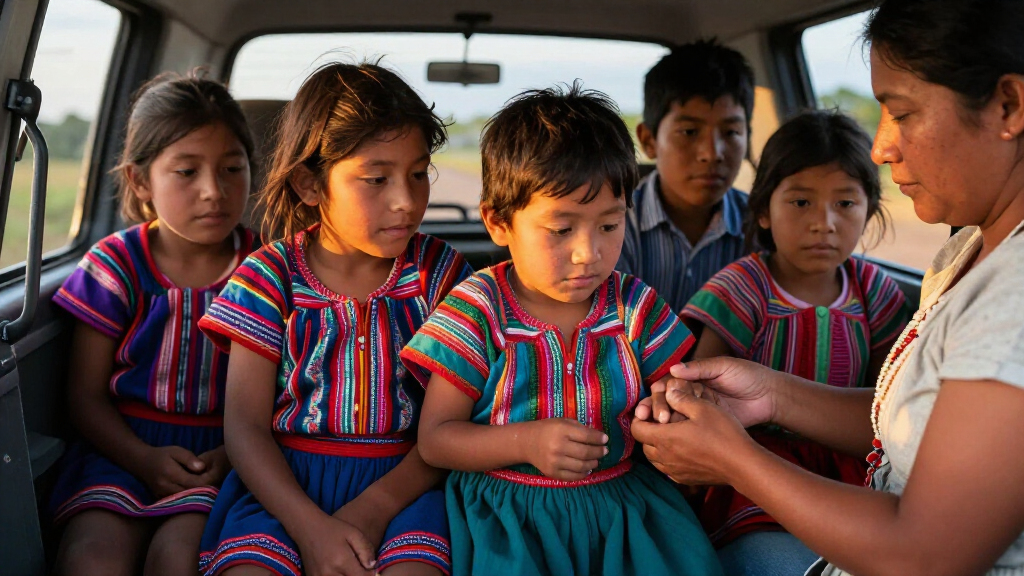
The Ministry of Health has transferred 20 Awajún children from Condorcanqui to Lima. The move aims to address health and safety concerns, but details remain limited. The development highlights ongoing issues affecting indigenous communities.
The Ministry of Health has transferred 20 Awajún children from the district of Condorcanqui to Lima. The move was made to ensure their health and safety, according to official sources. This development comes amid ongoing concerns about the well-being of indigenous children in remote regions and highlights government actions in addressing these issues.
According to the Ministry of Health, the transfer involved 20 children from the Awajún community in Condorcanqui, a district in northern Peru. The children were moved to Lima for medical evaluation and care, with authorities citing health risks and the need for specialized treatment as primary reasons. The transfer was confirmed by official statements from the Ministry of Health, which emphasized that the children’s well-being was the priority.
Local sources and community representatives in Condorcanqui have expressed concern over the move, questioning whether it was voluntary and whether the children’s families were adequately consulted. The Ministry has not yet provided detailed information on the criteria used for selecting these children or on the specific health issues involved. It remains unclear whether the children require ongoing treatment or if they are being relocated temporarily or permanently.
There has been a spike in media and social media coverage about the transfer, with some reports raising questions about the broader context of indigenous health and government policies in remote areas. The government has not issued further statements explaining the full scope or long-term plans related to these relocations.
Implications for Indigenous Child Welfare in Peru
This transfer underscores ongoing concerns about the health and safety of indigenous children in remote regions like Condorcanqui. It raises questions about access to healthcare, the role of government intervention, and the potential impact on community cohesion. While the government states the move is for the children’s benefit, critics argue it may reflect broader issues of marginalization and limited local healthcare resources.
The development is significant because it highlights the challenges faced by indigenous communities in accessing adequate health services and the government’s response to these issues. The transfer may set a precedent for future relocations or interventions, affecting community trust and indigenous rights.
medical evaluation kits for children
As an affiliate, we earn on qualifying purchases.
As an affiliate, we earn on qualifying purchases.
Background on Indigenous Health and Government Actions
Condorcanqui, part of the Amazonas region, is home to the Awajún people, an indigenous group facing ongoing challenges related to healthcare access, infrastructure, and social services. Previous reports have documented difficulties in providing consistent medical care in remote areas, leading to calls for government intervention.
The transfer of children to urban centers like Lima is not unprecedented but remains controversial. Authorities often cite health emergencies or safety concerns as justification, while critics argue that such moves can disrupt community ties and cultural practices. The current transfer follows a pattern of government actions aimed at addressing health crises, but details about the scope and criteria remain limited.
Public interest in indigenous health issues has increased recently, partly driven by media coverage of similar cases and ongoing advocacy efforts by indigenous organizations. The current development appears to be part of this broader context, though specific official explanations are still emerging.
children's health monitoring devices
As an affiliate, we earn on qualifying purchases.
As an affiliate, we earn on qualifying purchases.
Details on Children’s Consent and Long-term Plans Unclear
It is not yet clear whether the children’s families consented to the transfer or if the move is temporary or permanent. The specific health conditions prompting the transfer have not been publicly detailed, and official statements remain vague about the long-term plans for these children.
Further information from authorities is awaited to clarify these points, as well as the criteria used for selecting the children involved.
As an affiliate, we earn on qualifying purchases.
Monitoring and Official Communications Expected Soon
The government is expected to release more detailed information about the children’s health conditions, the criteria for selection, and the future plans for their care. Community organizations and indigenous leaders are likely to continue advocating for transparency and the rights of affected families.
Legal and human rights groups may also scrutinize the process, especially regarding consent and the impact on community cohesion. The situation remains dynamic, with ongoing discussions about indigenous health policies and government intervention strategies.
As an affiliate, we earn on qualifying purchases.
Key Questions
Why were the children transferred to Lima?
The Ministry of Health stated that the transfer was necessary to address health risks and provide specialized medical care that is not available in Condorcanqui.
Were the children’s families consulted before the transfer?
The official statements do not specify whether families were consulted. Community leaders have expressed concerns about the lack of clarity and transparency.
Is this a temporary or permanent move?
It remains unclear whether the children will stay in Lima temporarily or if the transfer is intended as a long-term solution. Authorities have not provided detailed plans.
What health issues are the children facing?
The specific health conditions prompting the transfer have not been publicly disclosed. The Ministry of Health cited health and safety concerns generally.
What are the broader implications of this transfer?
The move highlights ongoing challenges in indigenous healthcare access and may influence future government policies and community relations in remote areas.
Source: local
Fall Picks
fall essentials
As an affiliate, we earn on qualifying purchases.