
TL;DR
Open a free Amazon Business account
Business pricing, bulk buying and tax-exempt orders.
Create a free accountAs an affiliate, we earn on qualifying purchases.
When a parent refuses to wear an alert button, understanding their concerns and offering respectful alternatives is key. Using open dialogue, education, and tailored options can improve safety and trust without coercion.
Imagine a loved one, proud and fiercely independent, refusing to wear an alert device even after a fall or health scare. It’s a delicate dance between respecting their autonomy and ensuring their safety. You’re caught in a tug-of-war, unsure how to proceed without overstepping.
This guide aims to show you respectful ways to encourage safety while honoring your parent’s wishes. It’s about understanding their fears, sharing clear information, and finding solutions that work for everyone involved.
Understanding your parent’s concerns is key to respectful communication.
Offering stylish, discreet devices can increase willingness to wear alert buttons.
Shared decision-making builds trust and improves compliance.
When refusal persists, environmental and social safety measures are valuable alternatives.
Advances in technology make safety devices less stigmatizing and more acceptable.
When a Parent Refuses to Wear an Alert Button
TL;DR: Refusal is often about dignity, privacy, comfort, or identity, not stubbornness. The way forward is open dialogue, clear information, shared decision-making, and thoughtful alternatives that protect safety without coercion.
Safety works best when it feels like support, not control.
The goal is to preserve independence while quietly reducing risk.
Why Parents Say No
A refused alert button often protects something meaningful: privacy, self-image, daily comfort, or control. Naming the concern accurately makes the conversation less adversarial and more practical.
Privacy
They may worry about surveillance, data sharing, or losing control over who knows their movements.
Comfort
Bulky devices, tricky buttons, charging routines, or skin irritation can make daily use feel burdensome.
Stigma
A clinical-looking button can feel like a public label of frailty or dependence.
Trust
Past frustrations with medical devices or uncertainty about companies can create understandable resistance.
Independence
They may believe accepting a button means admitting they cannot manage on their own.
The Conversation That Lowers Resistance
Frame the discussion around shared goals: staying safe, staying independent, and staying trusted. The parent should remain a participant in the plan, not the object of it.
Lead with care
Say what worries you without blame: a fall, delayed help, or being unable to reach a phone.
Invite preferences
Ask what would make a device acceptable: shape, style, privacy settings, or a trial period.
Choose, test, adjust
Compare options together and revisit the plan after they have lived with it for a while.
Device Options and Trade-Offs
The most acceptable device is not always the most feature-heavy one. A parent who refuses a clinical necklace may accept a watch, bracelet, or clothing-integrated option that fits their identity.
| Type | Appearance | Acceptance Fit | Pros | Cons |
|---|---|---|---|---|
| Jewelry-style | Necklace or bracelet | ✓ Strong for stigma concerns | Stylish, discreet, identity-friendly | ~ Can be lost, damaged, or worn inconsistently |
| Wristwatch | Smartwatch or traditional watch | ✓ Familiar daily format | Easy to access, multifunctional, socially normal | ~ Battery life and cost can vary |
| Clothing-integrated | Pocket button or lapel pin | ~ Best for appearance sensitivity | Nearly invisible and low-impact | ✗ Less accessible in sudden emergencies |
Acceptance Levers
Small design and process choices can make the same safety idea feel either intrusive or empowering. Shared decision-making is the strongest lever because it protects both safety and dignity.
From coercion to collaboration
The practical sweet spot is firm concern paired with real choice. That means explaining the risk, then letting your parent shape the option they can live with.
When Refusal Persists
If the answer remains no, do not turn safety into a power struggle. Build a layered plan that reduces risk while preserving the relationship and the parent’s right to decide.
Modify the home
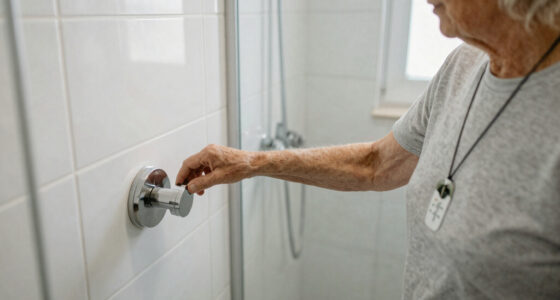
Remove tripping hazards, improve lighting, add grab bars, and make frequently used items easier to reach.
Create check-ins
Use scheduled calls, neighbor visits, shared routines, or daily text confirmations as a non-device safety net.
Add support
Bring in clinicians, social workers, senior programs, or home care services when the risk profile changes.
Traceability Chain
A respectful path connects the emotional concern to a practical safety layer. Each step should make the next one feel earned, not imposed.
Why Parents Say No: Common Concerns About Alert Buttons
Parents often refuse alert buttons because they worry about privacy, comfort, or feeling stigmatized. For instance, a mother might dislike wearing a bulky device that makes her feel like she’s labeled as frail. A father might fear that others will judge him or that the device will make him seem dependent.
Understanding these worries is the first step. Common reasons include:
- Privacy concerns: Worries about who sees their data or monitors their movements, which can evoke fears of loss of control or surveillance that threaten their sense of independence.
- Comfort and usability: Discomfort with the device’s size or difficulty operating it can lead to frustration or abandonment, especially if they feel it hampers their daily routines.
- Stigma: Feeling embarrassed or fearing social judgment can cause resistance, as they may associate the device with frailty or dependence, damaging their self-image.
- Lack of trust: Distrust in the technology or the organization behind it can stem from fears of data misuse or past negative experiences with medical devices.
- Perceived independence: Belief they don’t need help or that the device infringes on their freedom can lead to outright rejection, as they prioritize autonomy over safety.
Recognizing these concerns helps you understand that refusal isn’t just stubbornness but often rooted in deeply held values about independence, privacy, and dignity. Addressing these underlying fears with empathy and tailored solutions can open pathways to acceptance.
stylish discreet alert safety device
As an affiliate, we earn on qualifying purchases.
As an affiliate, we earn on qualifying purchases.
How to Talk to Your Parent About Wearing an Alert Button Without Causing Resistance
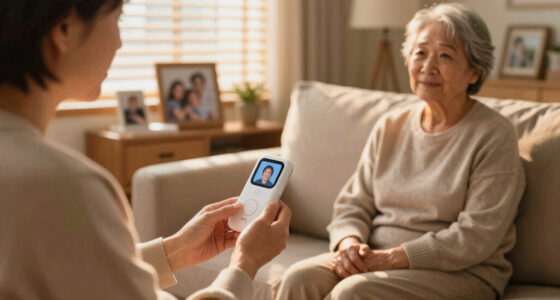
The key to encouraging a parent is respectful, open conversation. Start by genuinely asking about their feelings and listening without judgment. This demonstrates respect for their autonomy and helps uncover specific fears or misconceptions. Framing your concerns around their safety and independence—as shared goals—can foster collaboration rather than confrontation.
Here’s a simple 3-step approach:
- Share your worries: “I worry about you falling and not being able to get help quickly. I want to find a way that keeps you safe without making you feel controlled.” This shows your concern without implying blame.
- Ask for their input: “What would make you feel more comfortable about wearing a device? Are there features or styles that would help?” This invites their perspective and empowers them to participate in the decision.
- Work together: Explore options that align with their preferences, such as devices that look like jewelry or are easy to operate. When they have a say, they’re more likely to accept the device, and respecting their choices affirms their dignity.
For example, a dad might refuse a bulky necklace but be open to a sleek bracelet that resembles a fashion accessory. Recognizing and honoring their preferences not only increases compliance but also reinforces trust and mutual respect.
personal emergency response system for seniors
As an affiliate, we earn on qualifying purchases.
As an affiliate, we earn on qualifying purchases.
Creative Solutions to Make Alert Devices Less Obtrusive
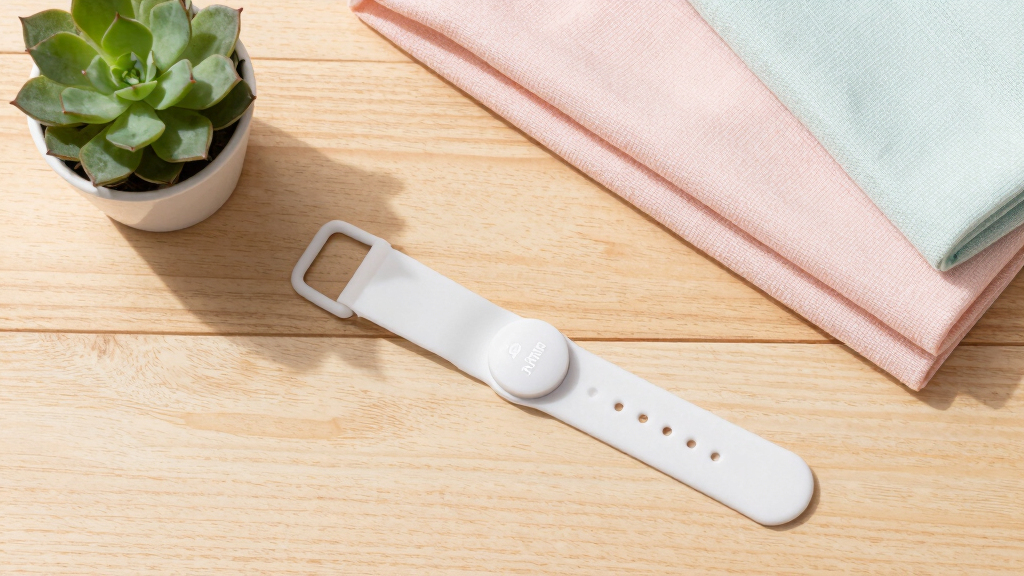
Technology has advanced significantly, allowing alert devices to become more than just functional tools—they can be stylish expressions of personality. Devices now come in sleek, discreet designs—like jewelry, watches, or fashionable accessories—that blend seamlessly into daily life. This evolution matters because it directly addresses the stigma and discomfort associated with traditional medical alert systems.
Understanding the implications of these options is crucial. For instance, choosing a device that looks like jewelry can help your parent feel more confident and less labeled as frail. It also reduces resistance rooted in embarrassment or social judgment. However, trade-offs exist: more stylish devices may sometimes have limited features or require more maintenance, and their discreet nature might make emergency access slightly less straightforward. Balancing aesthetics with functionality involves assessing what features are essential and how much convenience your parent values.
Here’s a comparison table of common types, highlighting their implications:
| Type | Appearance | Pros | Cons |
|---|---|---|---|
| Jewelry-style | Necklaces, bracelets | Stylish, discreet, enhances self-image | May be less noticeable if not worn consistently; potential for damage or loss |
| Wristwatch | Smartwatch or traditional watch | Familiar, easy to operate, multifunctional | Battery life varies; can be expensive; some may find it intrusive |
| Clothing-integrated | Button in pocket, lapel pin | Invisible when worn, minimal impact on appearance | Less accessible in emergencies; may require specific clothing |
Choosing a device that aligns with your parent’s style can make a significant difference in their willingness to wear it consistently. Sometimes, a simple swap from a bulky, clinical-looking device to a sleek accessory can transform their attitude toward safety. The goal is to find a balance that respects their identity while providing reliable protection.
independent living fall alert wearable
As an affiliate, we earn on qualifying purchases.
As an affiliate, we earn on qualifying purchases.
When All Else Fails: Respectful Ways to Handle Refusal
If your parent continues to refuse, it’s essential to respect their decision. Pushing too hard risks damaging the trust you’ve built and may lead to increased resistance in the future. Instead, focus on creating a safety environment that aligns with their preferences while maintaining vigilance.
Consider these alternatives:
- Environmental modifications: Removing tripping hazards, installing grab bars, and improving lighting can significantly reduce fall risks, creating a safer space without requiring a device.
- Caregiver check-ins: Scheduling regular calls or visits ensures someone is aware of their well-being, providing reassurance without infringing on their autonomy.
- Community programs: Enlisting support from local senior support groups or home care services can offer additional safety layers tailored to their comfort level.
For example, establishing a daily check-in routine can serve as a safety net, making them feel cared for and secure while respecting their choice not to wear a device. The key is to foster a collaborative environment that prioritizes their dignity and independence while subtly maintaining safety measures.
non-stigmatizing safety alert device
As an affiliate, we earn on qualifying purchases.
As an affiliate, we earn on qualifying purchases.
The Role of Technology in Making Safety Devices More Acceptable
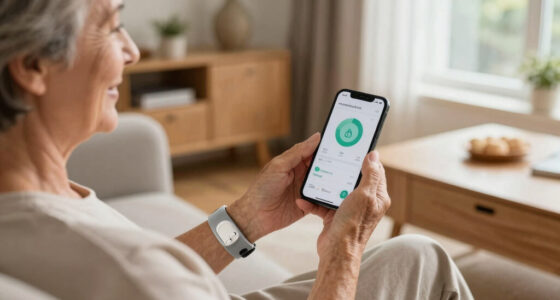
Modern alert systems are designed to seamlessly blend safety with everyday style, recognizing that acceptance hinges on how well they integrate into daily life. Incorporating AI, remote monitoring, and smartphone connectivity, these devices are becoming less intrusive and more familiar, which can reduce resistance rooted in stigma or discomfort.
For example, a smartwatch with a simple tap to alert not only looks like an ordinary accessory but also offers multifunctionality that appeals to users’ preferences for practicality and aesthetics. According to an anonymous researcher, integrating alert functions into devices that people already wear or carry increases compliance by up to 50%. This approach leverages familiarity and reduces the feeling of being singled out or labeled.
Embracing these technological advances allows caregivers to provide safety solutions that respect personal style and independence. It also opens opportunities for ongoing innovation, such as AI-driven fall detection or automatic alerts, which further minimize the need for active user intervention. The implication is that technology can serve as a bridge—making safety devices more acceptable and less stigmatizing—ultimately fostering a safer environment with dignity intact.
Frequently Asked Questions
They often worry about privacy, discomfort, or stigma. Respond with empathy, listen carefully, and share clear information to address their concerns. Respecting their feelings helps build trust and opens dialogue.
What are respectful ways to encourage a parent to wear an alert device?
Use open communication, involve them in choosing the device, and focus on how it supports their independence. Offering stylish or discreet options can make a big difference.
Yes. Respecting their autonomy and informed consent is essential. Coercion can damage trust and may have legal implications, so collaboration and understanding are key.
What alternatives exist if a parent refuses to wear an alert device?
Consider environmental modifications, scheduled check-ins, or community support programs. Tailoring safety measures to their preferences helps maintain trust and safety.
How can technology help make alert systems more acceptable?
Discreet, stylish, and integrated devices—like jewelry or smartwatches—reduce stigma and increase willingness to wear them. Advances in AI and remote monitoring also enhance safety without intrusiveness.
Conclusion
Respectful dialogue and creative solutions are your best tools when a parent refuses an alert device. By listening, involving them in choices, and exploring stylish options, you can find a path that keeps safety a priority without sacrificing dignity.
Remember, safety isn’t just about technology—it’s about trust, respect, and partnership. A gentle approach often opens the door to better safety and stronger bonds.
College move-in / dorm season Picks
dorm essentials
As an affiliate, we earn on qualifying purchases.