
TL;DR

Turn quiet afternoons into listening time
- Thousands of audiobooks, podcasts and originals
- Listen on your phone, tablet or Echo — also offline
- Cancel anytime
Fit&Well published a beginner-friendly, 20-minute speed-walking workout from NASM-certified trainer Nelly Flaque. The plan combines a four-minute warm-up, four rounds of one minute fast and two minutes easy, and a four-minute cool-down; it is guidance, not a study-tested prescription.
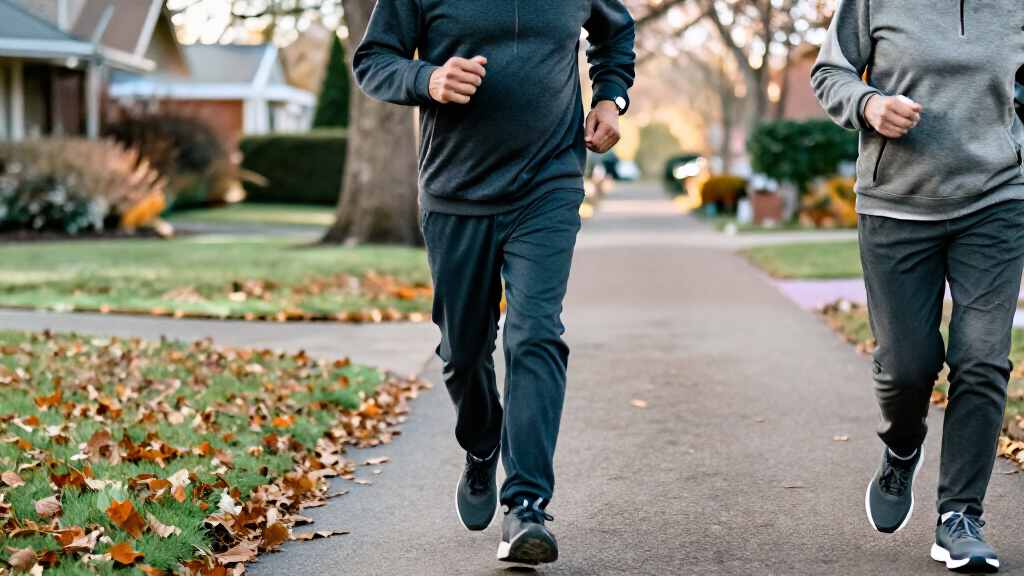
Fit&Well has published a 20-minute speed-walking plan built around short fast intervals and slower recovery walks, with guidance from NASM-certified personal trainer Nelly Flaque. The beginner-oriented routine offers a structured way to add intensity to an everyday walk, though it is trainer advice rather than a clinical recommendation tested by the report.
The session totals 20 minutes: four minutes of easy walking to warm up, 12 minutes of intervals, and four minutes of easy walking to cool down. During the interval portion, walkers alternate one minute at a faster pace with two minutes at an easier pace, repeating the sequence four times.
Flaque suggests starting with the workout three times a week on non-consecutive days, while keeping other walks easy. She describes the recovery sections as a pace at which a person can hold a full conversation. The faster intervals should feel challenging but manageable: she recommends an effort of about seven or eight out of 10, compared with roughly four out of 10 during the easy sections.
The report advises pacing the effort so all four rounds can be completed, rather than going all-out in the first interval. Flaque recommends supportive shoes, water and a conservative start. She says people with heart, joint or balance issues should check with a doctor before adding faster intervals.
A Simple Way to Add Intensity
The plan gives walkers a clear structure for varying pace without requiring equipment or a gym. Its central practical point is to alternate effort and recovery, rather than trying to walk fast for the entire session. That can make a brisker workout easier to organize for people who already walk and want to increase the challenge.
Fit&Well also cites research published in the British Journal of Sports Medicine involving 64,743 people. The report says faster stepping pace was associated with lower risk of death, including among participants taking fewer than 5,000 steps a day. That is an association reported from a study, not proof that this particular 20-minute routine reduces mortality or that walking faster causes the observed difference.
Popular right now

Breville Bambino Espresso Machine, Brushed Stainless Steel (BES450BSS)

Vitamix 5200 Professional-Grade Blender, 64 oz. Container, Black

Dyson V8 Cyclone Cordless Vacuum
As an affiliate, we earn on qualifying purchases.
How the Routine Is Structured
The workout is presented as a beginner-friendly interval session, with an equal amount of time devoted to the warm-up and cool-down and 12 minutes reserved for alternating paces. Flaque emphasizes that the easy periods are for recovery, not a second fast effort. The suggested talk test offers a practical way to distinguish the two intensities without relying on a specific speed or heart-rate target.
Technique advice focuses on keeping steps quick rather than reaching forward with longer strides. Flaque recommends bending the elbows to about 90 degrees and swinging the arms front to back, while keeping the shoulders relaxed, looking ahead and standing tall. She says to roll through the foot from heel to toe and push off with the toes. The article says an overlong stride can act like a brake and place stress on the shins and knees.
When the workout becomes comfortable, the report suggests changing one variable at a time: reducing recovery periods from two minutes to one, extending fast intervals from one minute to two, or adding rounds to work toward a 30-minute session. Walking uphill during faster intervals is another proposed progression.
“During your easier stretches of walking, you should be able to hold a full conversation. During your fast intervals, you should only be able to get out a few words at a time.”
— Nelly Flaque
Limits of the Published Guidance
The source does not give a publication date for the workout article, identify the participants’ ages or health characteristics in detail, or provide the study’s full methods and effect estimates. The reported association between walking pace and mortality should not be read as evidence that this specific plan produces a particular health outcome.
The routine also does not set a target speed, distance or heart-rate range, and the report does not describe individual modifications for people with differing fitness levels. Flaque’s advice about consulting a doctor applies to people with heart, joint or balance issues; readers with questions about whether faster walking is suitable for them should seek advice from a qualified health professional.
Building Up at a Manageable Pace
Fit&Well’s guidance is to repeat the starting session on non-consecutive days and keep other walks easy. Once the intervals feel comfortable, walkers can progress by changing one element at a time, such as shortening recovery, lengthening the brisk segments or adding rounds. The report does not prescribe a timetable for making those changes; the next step is framed around how manageable the routine feels.
For each session, the plan calls for an easy four-minute warm-up and cool-down around the intervals. Flaque also advises wearing supportive footwear and bringing water. The source does not provide a follow-up study or report on participants using the routine, so its longer-term effects are not established in the article.
Key Questions
How long is the speed-walking workout?
It lasts 20 minutes: four minutes of easy walking, 12 minutes of intervals and a four-minute cool-down.
How many fast intervals are included?
The 12-minute interval block contains four rounds. Each round has one minute of faster walking followed by two minutes at an easier pace.
How often does the trainer suggest doing it?
Flaque suggests starting three times a week on non-consecutive days, with regular easy walks on the days between workouts.
How can walkers tell whether they are going fast enough?
Flaque says an easy interval should allow a full conversation; during a fast interval, a person should be able to say only a few words at a time. She describes the fast effort as challenging but manageable, around seven or eight out of 10.
Who should seek medical guidance before trying the plan?
Flaque advises people with heart, joint or balance issues to check with a doctor before adding faster intervals. The article does not provide individualized medical advice.
Source: rss