
TL;DR
Doorbell and phone signalers use flashing lights, vibrations, or smart tech to alert people with hearing loss. They’re vital for safety and can be customized, compatible with smartphones, and fit various budgets. Choosing the right system depends on your preferences, home setup, and needs.
Choose a system that matches your alert preferences—visual, tactile, or both.
Smart, wireless systems offer remote notifications and better integration with your home setup.
Proper installation and regular maintenance are vital for reliable alerts.
Consider multi-room or multi-floor setups if you live in a larger home.
Legal requirements in public spaces may mandate accessible alert systems for safety.
Accessibility at home · practical guide
Doorbell and Phone Signalers for Hearing Loss
Turn missed rings and calls into cues you can see, feel, or receive on your phone. The right system combines dependable coverage, compatible technology, and an alert style matched to your daily routine.
Accessible alerts are not a luxury—they support safety, awareness, and everyday independence.
01 · Know the system
One signal, a clearer cue
Signalers detect an event and translate it into a vivid visual, tactile, or connected notification. Combining cues creates stronger coverage when you move between rooms or cannot see a single light.
Doorbell signalers
Activate a bright lamp, dedicated strobe, vibrating receiver, or smartphone notification when someone presses the doorbell.
Best for · visitors and deliveriesPhone signalers
Translate incoming calls or messages into flashing lights, amplified ringing, vibration patterns, or app-based cues.
Best for · calls and messagesAlarm signalers
Pair visual or bed-shaker alerts with compatible smoke, carbon monoxide, weather, or emergency warning systems.
Best for · urgent warningsSafety depends on more than sound
A visible or tactile warning can provide an unmistakable cue during an emergency. Life-safety equipment must be approved for its intended use and installed according to the manufacturer’s guidance and applicable local rules.
02 · Step by step
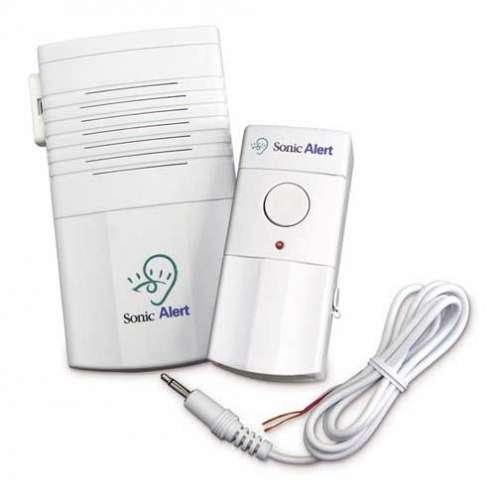
DB100 Wireless Doorbell Signaler/Transmitter
As an affiliate, we earn on qualifying purchases.
As an affiliate, we earn on qualifying purchases.
Build your ideal alert setup
Start with your needs, then work outward to devices, rooms, and budget. A layered system is often more dependable than a single alert point.
Choose the cue
Decide whether visual alerts, vibration, amplified sound, or a combination gets your attention most reliably.
Check devices
Confirm compatibility with your existing doorbell, landline, mobile phone, alarm, or smart-home platform.
Plan coverage
List the rooms and floors where you spend time, including the bedroom, kitchen, garden, or home office.
Add redundancy
Combine a room light with a wristband, bed shaker, or phone alert so one missed cue does not become a missed event.
Test routinely
Check range, charging, batteries, app permissions, Wi-Fi connections, and every receiver on a regular schedule.
03 · Smart technology

Sonic Alert HomeAware® II Basic Starter Kit – Alerting System for Deaf/Hard of Hearing/Heavy Sleepers – Listens to Your Existing Smoke & CO Alarms – Bed Shaker, Strobe, Scrolling Display, Caller ID
NOT A SMOKE ALARM/CO DETECTOR, WORKS WITH YOURS – Does not detect smoke or CO directly; It listens…
As an affiliate, we earn on qualifying purchases.
As an affiliate, we earn on qualifying purchases.
Connected alerts go further
Modern systems can trigger several cues at once, send notifications beyond the home, and distinguish one event from another through unique colors or vibration patterns.
About one in seven U.S. adults reports some trouble hearing
Multi-sensory alerting helps translate everyday events into information that is easier to notice and act on.
Phone notifications
Receive a doorbell or call alert on a smartphone—even when you are outside the immediate room.
Simultaneous cues
Trigger a lamp, wristband, bed shaker, and app message from the same event.
Custom patterns
Assign different flashes or vibration rhythms to the door, telephone, or emergency alarm.
Wireless expansion
Add portable receivers across rooms or floors without extensive new wiring.
Traceability · from event to action
04 · Compare options

2-Pack Bluetooth Phone Ringer Amplifier – 120dB Loud External Cell Phone Alert with LED Lights, Whole-House Wireless System for Large Homes & Multi-Room Coverage
2-Pack Whole-House Phone Alert System – Complete coverage for large homes up to 3,000 sq ft. Place one…
As an affiliate, we earn on qualifying purchases.
As an affiliate, we earn on qualifying purchases.
Which alert style fits?
The strongest choice is the one you can notice consistently in your real environment. Consider visibility, discretion, nighttime use, connectivity, and room-to-room reach.
| Alert approach | Across a room | Night use | Discreet | Remote reach | Typical fit |
|---|---|---|---|---|---|
| Flashing light | ✓ Strong | ~ Placement matters | ✗ Highly visible | ✗ Local | Living areas |
| Vibrating receiver | ✓ Portable | ✓ Good | ✓ Private | ~ Within range | Mobile at home |
| Bed shaker | ✗ Fixed | ✓ Excellent | ✓ Private | ✗ Bedroom only | Sleep alerts |
| Smartphone app | ✓ Portable | ~ Settings matter | ✓ Flexible | ✓ Internet enabled | Connected users |
| Layered system | ✓ Excellent | ✓ Excellent | ~ Customizable | ✓ Broad | Multi-room homes |
Compatibility check: Verify the transmitter type, wireless range, number of supported receivers, phone operating system, smart-home platform, and whether safety alarms require certified companion equipment.
05 · Reliability
DB100 Wireless Doorbell Signaler/Transmitter
As an affiliate, we earn on qualifying purchases.
As an affiliate, we earn on qualifying purchases.
Coverage is a system, not a gadget
Range, placement, power, and maintenance determine whether an alert reaches you at the moment it matters.
Before you buy
- Confirm compatibility with every source device.
- Measure coverage across walls, rooms, and floors.
- Choose mains power, replaceable batteries, or rechargeable units.
- Check whether alerts work during Wi-Fi or power interruptions.
- Look for adjustable brightness and distinct vibration patterns.
- Prioritize reputable products and clear support documentation.
Accessibility requirements vary by setting
The ADA and related standards require accessible communication and alarm features in many covered public accommodations, workplaces, and facilities. Requirements depend on the venue and installation, so consult the applicable authority or accessibility professional for compliance decisions.
06 · Key takeaways
The right alert is the one that reaches you
Match the technology to your hearing, routines, home layout, and preferred way of receiving information.
TL;DR
Combine light, vibration, and connected notifications for dependable awareness throughout the home.
Choose visual, tactile, audible, or combined cues based on what you notice reliably.
Use wireless or smart features when you need remote alerts and flexible room coverage.
Test installation, range, batteries, charging, and app permissions regularly.
Plan multiple receivers for large, multi-room, or multi-floor homes.
Treat emergency alerting as life-safety equipment and follow applicable standards.
What Are Doorbell and Phone Signalers, and Why Do They Matter?
Doorbell and phone signalers are devices designed to alert individuals with hearing loss of important signals. They use bright flashing lights, vibrations, or a combination to catch your attention. Imagine a neighbor ringing your doorbell—your signaler flashes a light across the room, so you never miss a visitor.
They matter because they provide a sense of safety and independence. Whether you’re cooking in the kitchen or resting in the bedroom, these devices ensure you’re aware of visitors, calls, or emergencies without relying solely on sound.
Deeply understanding why these devices matter helps you appreciate their role in daily safety. For example, in emergencies like a fire or carbon monoxide leak, relying solely on sound can be dangerous. Visual alerts can provide immediate, unmistakable cues that prompt quick action, potentially saving lives. Moreover, they foster independence by reducing reliance on others to notify you of visitors or calls, which is especially important for those living alone or in larger households.
Types of Signalers and How They Fit Your Home
There are three main types of alert signalers:
- Doorbell signalers: Flashing lights or vibrations activate when someone rings your doorbell. These are essential if your doorbell sound isn’t enough or if you want a visual cue that can be seen from a distance, ensuring you don’t miss visitors even if you’re in another room.
- Phone signalers: Visual or tactile alerts notify you of incoming calls or messages. These are especially helpful if you frequently use your phone or rely on vibrations and flashing lights to be alerted without disturbing others or missing calls in noisy environments.
- Alarm signalers: For smoke or carbon monoxide alarms, using bright flashes or vibrations to warn you of danger. These are critical safety devices because they serve as early warning systems, giving you vital extra seconds to respond during emergencies.
Choosing the right type depends on your lifestyle and environment. For example, a busy household might benefit from multiple alert types integrated into a comprehensive system, while a person living alone might prioritize portable, simple solutions. Considering how often you’re in different areas of your home helps determine whether you need multiple units or a centralized system. The tradeoff often involves balancing cost, convenience, and coverage—more units or advanced features can improve safety but may increase complexity and expense.
How to Pick the Perfect Signal System for Your Home
Follow this step-by-step guide to find your ideal alert setup:
- Assess your hearing loss: Do you need just visual alerts, vibrations, or both? Understanding your specific needs helps narrow down options. For instance, if you’re deafeningly hard of hearing, visual cues might be essential, but if you have residual hearing, combining sound with visual alerts could be more effective.
- Check your existing devices: Will the system work with your doorbell or phone? Compatibility is crucial; a system that integrates seamlessly saves time and effort, reducing frustration and ensuring consistent alerts across your devices.
- Decide on alert style: Bright flashing lights, vibrating devices, or a combo? Consider your environment—if you value discretion, vibrating devices or discreet alerts may be preferable. In noisy or busy settings, bright lights might be more noticeable.
- Consider your home layout: Do you need multiple units for different rooms or floors? Larger homes or multi-story buildings require more comprehensive coverage to ensure alerts reach you wherever you are. Think about placement to avoid missed signals.
- Set a budget: Basic systems start around $50, while smart, connected systems can cost several hundred dollars. Weigh the safety benefits against your budget constraints. Sometimes investing in a more advanced system can provide peace of mind and better integration, but affordable options still offer reliable alerts.
For example, someone with a two-story home might choose a front door signaler plus a vibrating pillow for the bedroom, ensuring alerts are seen or felt quickly and clearly. The key is to evaluate which alerts are most critical for your safety and daily routines, then select a system that balances cost, coverage, and usability.
Smart Tech and Wireless Features Making These Devices Better
Recent tech upgrades mean many signalers now connect with your smartphone or smart home systems. Imagine receiving a push notification on your phone when someone rings your doorbell—no matter where you are. This connectivity allows for immediate awareness and quick responses, even when you’re away from home.
Devices now use wireless signals, rechargeable batteries, and AI-powered features to differentiate between alerts, reducing false alarms and increasing reliability. For example, smart doorbell signalers can flash a light, vibrate a wristband, and send a message to your phone simultaneously, creating a layered alert system that enhances safety. These features also enable remote monitoring and customization, allowing you to tailor alerts to your preferences and needs, which is especially useful for busy households or those with specific safety concerns.
What You Need to Know About Reliability and Compatibility
Modern signalers are generally very reliable, but choosing reputable brands helps avoid frustrations caused by poor build quality or inconsistent performance. Compatibility is key—make sure the device works with your doorbell, phone, or smart home system. Many systems support multiple alerts across different rooms, perfect for multi-story homes, but it’s important to verify that the system can integrate with your existing setup to prevent connectivity issues.
Proper installation and regular maintenance are essential for ensuring consistent operation. For example, a device with a rechargeable battery will require periodic charging, and placement matters—mounting the signaler in a location with minimal obstructions ensures visibility or accessibility. Investing in quality devices and following manufacturer guidelines can significantly reduce false alarms, missed alerts, and technical problems.
Common Questions About Doorbell & Phone Signalers
Q1: How do I choose the right system?
A: Think about your alert preferences—visual, tactile, or both—and compatibility with your devices. Also, consider your home size and budget. Analyzing your daily routines and environment helps determine which features are most important, ensuring the system fits seamlessly into your lifestyle.
Q2: Can I use these with my smartphone?
A: Many modern systems offer app integration, allowing remote alerts and customizations. This connectivity is a game-changer for safety and convenience, enabling you to receive notifications anywhere and adjust settings easily. Always check device specifications to confirm compatibility with your smartphone and smart home ecosystem.
Q3: How much do these systems cost?
A: Basic models start around $50, providing essential visual alerts, while advanced smart systems with multiple alert options and remote control features can cost several hundred dollars. Consider your safety priorities and budget to find the best balance of features and affordability.
Q4: Are they suitable for multi-story homes?
A: Yes, many systems can support multiple units across different floors, ensuring alerts reach you wherever you are. Proper placement and synchronization of units are crucial to prevent missed signals. Investing in a multi-unit setup may cost more initially but provides comprehensive coverage and peace of mind.
Q5: Do public spaces require these?
A: Under ADA guidelines, many venues are legally required to provide accessible alert systems for safety and compliance. This ensures that people with hearing loss can access critical alerts in public settings, promoting safety and inclusivity. For personal use at home, these devices are highly recommended but not mandated unless specified by local regulations.