TL;DR
Lighted magnifiers boost reading comfort by combining magnification with adjustable LED lighting. Recent digital advances offer clearer images and more features, making reading easier for all.
Imagine reading your favorite book or a restaurant menu and feeling that everything is just a little too tiny, causing eye strain or frustration. Now, picture a small, sleek device that makes those words pop — bright, clear, and easy to see. That’s what a lighted magnifier can do for you. Whether you struggle with age-related eye changes or just want a better reading experience, these tools turn a challenging task into simple pleasure.
In this guide, you’ll learn how these devices work, what features matter most, and how recent tech improvements can make your everyday reading smoother. Let’s explore how you can find the perfect match for your eyes, your habits, and your budget.
Lighted Magnifiers for Reading
A well-matched lens and adjustable LED can turn tiny, tiring print into bright, comfortable reading. Use this guide to balance power, clarity, portability, lighting, and cost—without buying more magnification than you need.
Four tools, four reading habits
The best style depends on where you read, how long you read, and whether you need both hands free. Start with the task—not the highest specification.
Handheld
Small, lightweight, and quick to position. Built-in LEDs illuminate labels, menus, receipts, and other brief reading tasks.
Best for: on-the-go useStand
Rests directly on the page for a steady image. A practical choice for longer sessions, crafts, and users with hand tremor.
Best for: books + hobbiesDesk or Floor
An adjustable arm provides a broad illuminated view and flexible positioning for reading, sewing, or model-building.
Best for: fixed work areasElectronic
A camera and screen deliver variable zoom, contrast modes, color filters, and sometimes image capture or smart controls.
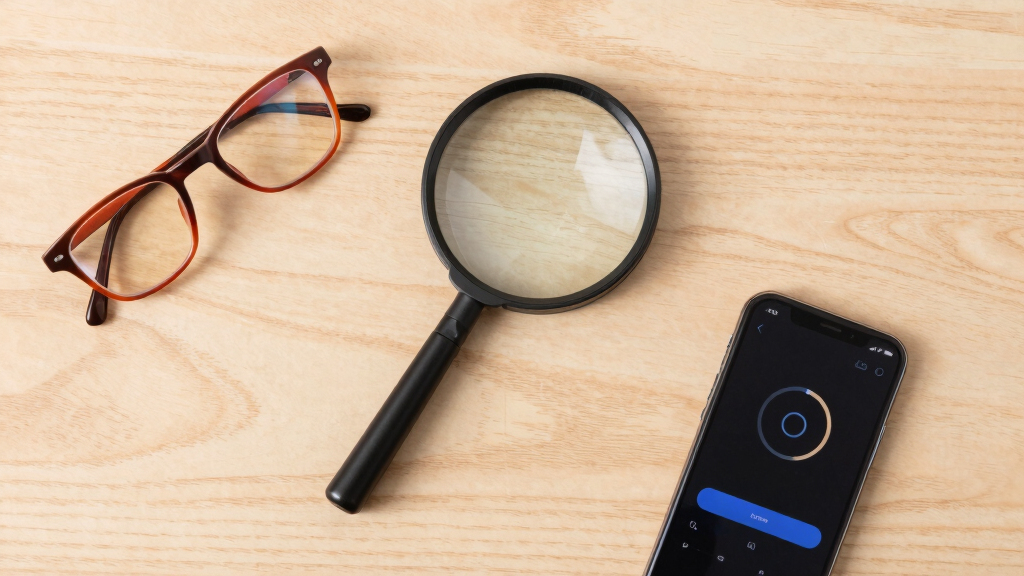
Best for: significant vision losslighted magnifier for reading
As an affiliate, we earn on qualifying purchases.
As an affiliate, we earn on qualifying purchases.
More magnification is not always more usable
As power rises, the visible area usually becomes smaller and positioning becomes more sensitive. Lens quality also matters: weak optics can make a high-power image darker or distorted.
Begin around 2× or 3× for ordinary print. Increase gradually only if you still strain, miss detail, or must hold the lens uncomfortably close.
LED handheld magnifier with adjustable light
As an affiliate, we earn on qualifying purchases.
As an affiliate, we earn on qualifying purchases.
Why modern LEDs change the experience
Magnification enlarges the image; good illumination makes it readable. Even, adjustable light can reduce shadows, glare, and the fatigue caused by dim surroundings.
Bright without the heat
Modern LEDs provide consistent light with low energy use and little heat. Better models separate brightness control from magnification and offer warm-to-cool color settings.
50,000+ Potential operating hoursAdjustable brightness
Match output to the room and page instead of forcing your eyes to adapt to one fixed level.
Color temperature
Warm amber may feel softer; cool white can sharpen contrast. Comfort varies by person and material.
Even illumination
Look for edge-to-edge light without bright hotspots, harsh reflections, flicker, or deep shadows.
Efficient power
Rechargeable batteries favor portability; USB or plug-in power suits long, stationary sessions.
desk magnifier with LED illumination
As an affiliate, we earn on qualifying purchases.
As an affiliate, we earn on qualifying purchases.
Which magnifier fits best?
Electronic models offer the greatest flexibility, but traditional optics remain simpler and less expensive. The highlighted column favors customization—not every user needs it.
| Feature | Handheld | Stand | Electronic |
|---|---|---|---|
| Portability | ✓ High — easy to carry | ✗ Low — stays in place | ~ Moderate — size varies |
| Ease of use | ✓ Simple — hold and read | ✓ Stable — hands-free | ~ Setup — more controls |
| Magnification | Typically 2×–10× | Usually 3×–15× | ✓ Variable — often 5×–20×+ |
| Lighting | Built-in LED; sometimes adjustable | Fixed or adjustable LED | ✓ Advanced — dimming + filters |
| Long sessions | ✗ Arm fatigue | ✓ Comfortable | ✓ Flexible viewing |
| Cost | ✓ Lowest | ~ Moderate | ✗ Highest — often hundreds |
magnifying glass for seniors
As an affiliate, we earn on qualifying purchases.
As an affiliate, we earn on qualifying purchases.
A four-step comfort test
Whenever possible, test with the actual material you read most often. A medication label, paperback page, and craft detail can require very different optics.
Name the task
Quick labels, long books, desk hobbies, or very small detail?
Start low
Try the lowest magnification that makes the words clear and relaxed.
Tune the light
Check brightness, warmth, glare, shadows, and control accessibility.
Read for 10 minutes
Confirm a stable image, natural posture, easy tracking, and no hand fatigue.
From tiny print to easier reading
The right result comes from a connected system: task, lens, light, ergonomics, and sustained comfort.
Frequently asked questions
Choose for your real-world routine. Price, power, and feature count matter less than a clear image you can use comfortably and consistently.
What type works best?
Electronic magnifiers are often strongest for very small print because zoom, contrast, and screen brightness can be adjusted. A good 5× handheld may still be enough for occasional labels.
How do I choose magnification?
Use the smallest power that permits relaxed reading. Try 2× or 3× for larger text, then move upward gradually for tiny print or intricate objects.
Are electronic models worth it?
Often yes for substantial vision loss, variable tasks, or a need for contrast filters. For brief everyday reading, a simpler optical model may deliver better value and portability.
What Are the Different Types of Lighted Magnifiers and Which Works for You?
Lighted magnifiers come in four main styles: handheld, stand, desk, and electronic. Each serves a different purpose, depending on your reading habits and mobility needs.
**Handheld magnifiers** are like a tiny flashlight with a lens — perfect for quick reads, labels, or on-the-go use. Think of holding one over a pill bottle or a menu at a restaurant. They’re small, lightweight, and often have built-in LEDs for bright, even light.
**Stand magnifiers** rest directly on your reading material. They free your hands and are ideal for longer reading sessions or intricate craftwork. Imagine a magnifier that sits comfortably on your book, lighting it up without you holding anything.
**Desk or floor magnifiers** are larger, often with adjustable arms, great for extended reading or hobbies like sewing or model-building. They provide a broad, bright view and are adjustable for different angles and distances.
**Electronic magnifiers** use cameras and screens, offering adjustable magnification and contrast. They’re like having a tiny TV for your text, with features like saving images or changing color filters. These devices are especially useful for individuals with significant visual impairments, as they allow for customization of contrast, color, and magnification levels. The tradeoff is that they tend to be more expensive and less portable, but they provide a level of clarity and flexibility that traditional magnifiers cannot match, making them ideal for detailed work or digital reading.
How to Pick the Perfect Magnification Level for Your Eyes
Choosing the right magnification isn’t guesswork — it’s about matching your visual needs with the device’s capabilities. Lighted magnifiers range from 2x to 20x or more. The significance of this range lies in the balance between clarity and usability. A lower magnification, like 2x or 3x, offers a wider field of view and brighter images, which is better for general reading or viewing larger text. Higher magnifications, such as 10x or more, provide detailed views of tiny text or intricate objects, but can also introduce tradeoffs like decreased brightness or increased image distortion. This means that beyond a certain point, the image might become darker or less sharp, especially if the lens quality isn’t high.
Start with a lower magnification and test how it feels — if you find yourself straining to see details or needing to hold the device very close, consider increasing the power gradually. For example, a 5x magnifier might be ideal for reading small print on medication bottles, providing enough detail without sacrificing too much brightness. Conversely, for examining tiny jewelry or detailed craftwork, a 10x or higher magnifier might be necessary, but be aware of potential tradeoffs in brightness and image clarity at these levels. The key is to find a balance that offers sufficient detail without compromising the overall viewing experience, which often involves trying different magnifications to see what works best for your specific needs and tasks.
Why LED Lighting Is the Game-Changer in Magnifiers Today
LED lighting is the heart of most modern lighted magnifiers. It offers a bright, consistent light without heating or flickering. Imagine the crisp, white glow that highlights every letter as if you’re reading in daylight — that’s LED magic.
LEDs last thousands of hours, often over 50,000, making them a durable choice. Plus, many models let you adjust brightness and color temperature, toggling from warm amber tones to cool whites. This flexibility helps reduce glare and eye fatigue, especially in dim environments. The importance of LED lighting lies not only in its longevity but also in its ability to be finely tuned. Proper lighting reduces shadows and glare, which are common sources of eye strain. For example, in a dim room, adjusting the LED brightness and warmth can prevent glare and make the text more comfortable to read. The tradeoff is that some cheaper models may not have adjustable settings or may produce uneven lighting, so investing in a model with good controls can significantly enhance your reading comfort and reduce long-term eye fatigue.
Ultimately, LED lighting’s consistency and customization capabilities have revolutionized the experience of magnified reading, turning it from a task into a comfortable activity that can be tailored to your environment and preferences.
Comparing Handheld, Stand, and Electronic Magnifiers — Which Is Best?
| Feature | Handheld | Stand | Electronic |
|---|---|---|---|
| Portability | High — easy to carry everywhere | Low — stays in one place | Moderate — some are portable, others desk-bound |
| Ease of Use | Simple — just hold and read | Hands-free, good for long reading | Requires setup, but offers many features |
| Magnification Power | Typically 2x-10x | Usually 3x-15x | Variable, often 5x-20x or more |
| Lighting | Built-in LED; adjustable in many models | LED, fixed or adjustable | LED with advanced controls, sometimes color filters |
| Ideal For | Quick reads, labels, on-the-go use | Extended reading, crafts, hobbies | Very small print, digital screens, detailed work |
Choosing the right magnifier depends heavily on your lifestyle and specific needs. Handheld models are excellent for quick, on-the-spot tasks like reading labels or menus, offering unmatched portability. However, they may not be suitable for extended reading sessions, as holding them for long periods can cause fatigue. Stand magnifiers are designed to stay in place, providing a stable, hands-free experience that’s ideal for longer reading, detailed craft projects, or hobbies like sewing. Electronic magnifiers, with their adjustable zoom and contrast, are perfect for those with significant visual impairments or for tasks requiring precise detail, such as examining tiny components or reading digital screens. The tradeoff involves size, cost, and complexity — electronic devices tend to be more expensive and require power and setup, but they provide features that traditional magnifiers can’t match. Ultimately, selecting the right type involves considering how you use magnification in your daily life, balancing portability, ease of use, and the level of detail needed.
Frequently Asked Questions
What is the best type of lighted magnifier for reading small print?
For small print, electronic magnifiers with high-resolution screens and adjustable magnification often work best. They provide clear, crisp images and can be customized to your comfort level.How do I choose the right magnification level?
Start with the smallest magnification that allows comfortable reading without straining your eyes. For larger text, 2x or 3x suffices; for tiny print, 10x or more may be necessary. Testing different levels helps find your ideal fit.Are digital magnifiers worth the extra cost?
They often are, especially if you need adjustable contrast, image saving, or the ability to read digital screens effortlessly. While more expensive, their versatility and clarity can greatly enhance your reading experience.What lighting features should I look for?
Look for adjustable LED brightness and color temperature settings. These features help reduce glare, prevent eye fatigue, and adapt to various lighting conditions, making reading comfortable.Can lighted magnifiers help with digital screens?
Yes, especially electronic models designed for digital text. They can magnify small fonts, improve contrast, and sometimes even filter blue light to reduce eye strain during screen use.Conclusion
Choosing the right lighted magnifier can turn a daily chore into a pleasure. Think about your specific needs — whether quick label checks or hours of detailed crafting. The right device brightens your world, making every word clearer and easier to enjoy.
Don’t settle for less. With recent tech advances, there’s a perfect magnifier waiting to transform your reading — small enough to carry, powerful enough to change how you see the world.