
TL;DR

Turn quiet afternoons into listening time
- Thousands of audiobooks, podcasts and originals
- Listen on your phone, tablet or Echo — also offline
- Cancel anytime
Nighttime bathroom trips pose fall risks due to darkness, rushing, and physical vulnerabilities. A layered plan—reducing urgency, improving lighting, stabilizing routes, and addressing health factors—significantly lowers these dangers, helping you stay safe and independent at night.
Nighttime trips to the bathroom often hide hidden dangers. Darkness, sleepiness, and quick movements turn simple trips into hazards. Yet, with a few practical adjustments, you can make these trips safer without sacrificing independence.
This guide walks you through a layered plan—small changes that add up to big safety gains. Think of it as building a safety net, one strand at a time. Whether you’re concerned about falling, dizziness, or just want peace of mind, these steps can help you stay confident when the lights go out.
Reducing urgency with routine adjustments can cut fall risk significantly.
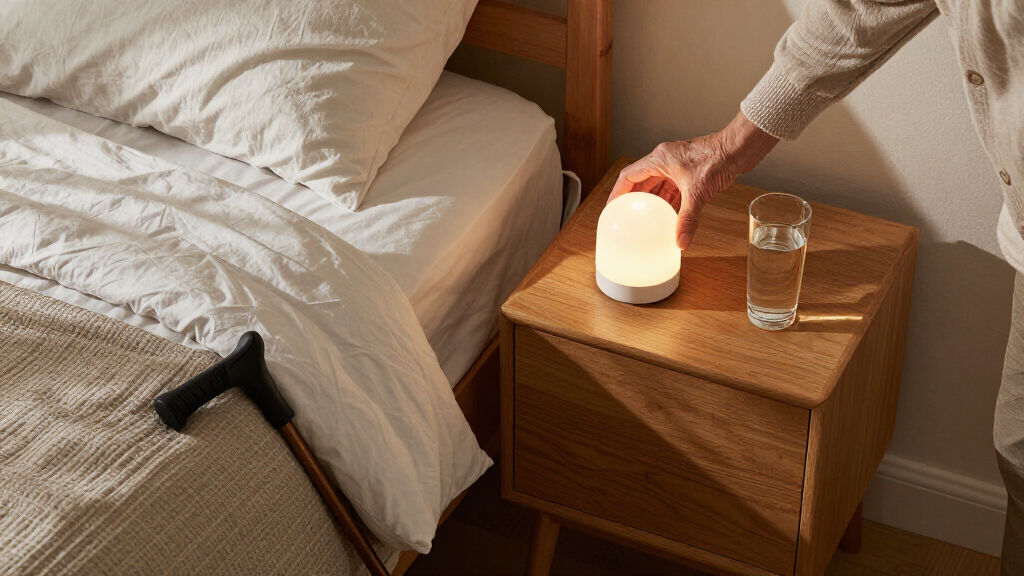
Proper lighting and a clear route are critical for night safety.
Review medications regularly to minimize side effects that increase fall risk.
Stabilize and declutter the bathroom route to prevent trips and slips.
Emergency preparedness, including accessible phones and fall alerts, saves lives.
Why Nighttime Bathroom Trips Are Riskier Than You Think
Nighttime bathroom trips are riskier because several hazards stack up. Darkness makes obstacles like cords, rugs, or uneven floors harder to see. Sleepiness slows your reactions and judgment, making rushing more dangerous. Standing quickly can cause a sudden drop in blood pressure, leading to dizziness or fainting.
Common hazards include loose rugs, pet toys, and slippery floors, especially when wet. Medications like sedatives or blood-pressure drugs can increase dizziness or reduce alertness. If you’ve ever felt a sudden wave of dizziness after waking, you’ve experienced how fragile balance can be, especially in low light.
Falls aren’t inevitable. Recognizing these risks is the first step to creating a safer routine. When hazards pile up, the chance of a fall skyrockets. But with targeted changes, you can turn a dangerous trip into a safe one.
Understanding why these risks matter is crucial. For example, a fall in the dark can lead to serious injuries like fractures or head trauma, especially in older adults. Even minor falls can cause fear of future trips, leading to reduced activity and decreased mobility. Recognizing these dangers underscores the importance of proactive safety measures that address not just the physical environment but also your routines and health status.
As an affiliate, we earn on qualifying purchases.
How to Reduce Urgency and Make Bathroom Trips Less Rushed
- Empty your bladder right before bed. Try to go after your last drink, so you go to sleep with an empty bladder.
- Shift most fluids to earlier in the day. Limit drinks in the evening, but don’t cut hydration completely—dehydration causes dizziness and confusion.
- Avoid caffeine and alcohol in the evening—they increase urination and impair balance.
- If swelling in your legs is common, discuss with your doctor. Fluid can return to circulation when lying down, increasing urine output at night.
- Address underlying conditions like urinary infections or sleep apnea, which can cause frequent trips or disrupted sleep.
Small adjustments here can make a big difference. Less urgency means less rushing—less rushing means fewer falls. It’s important to understand that reducing urgency isn’t just about comfort; it directly impacts your safety. When you feel rushed, you’re more likely to stumble or make hasty movements that compromise your balance. By planning your fluid intake and managing underlying health issues, you create a more predictable routine, which helps your body prepare and reduces the likelihood of sudden, unsteady movements. This proactive approach can also improve sleep quality, further decreasing the risk of disorientation or dizziness during night trips.
For example, one person reduced nightly trips by shifting fluids earlier, cutting their bathroom visits from four to one or two per night. It’s a simple change, but it adds up, reducing the risk of falls and enhancing overall sleep quality.
motion sensor night lights for bathroom
As an affiliate, we earn on qualifying purchases.
As an affiliate, we earn on qualifying purchases.
Review Your Medications to Cut Fall Risks at Night
Many medicines can make nighttime safety harder. Diuretics, sedatives, blood-pressure pills, and certain antidepressants can cause dizziness or increase urination. Reviewing these with your doctor could reduce risks.
Ask your healthcare provider whether timing or dosages can be adjusted. For example, taking diuretics earlier in the day prevents nighttime bathroom trips. Adjusting sleep or blood-pressure medications might lessen dizziness.
Never change or stop medications without professional guidance—medications are part of a bigger picture. But understanding how they influence your night safety can lead to smarter management. For instance, some medications may have side effects like dizziness or increased urination that directly contribute to fall risk. By working with your healthcare provider to adjust timing or dosages, you can mitigate these effects without compromising your overall health. This balance is essential because stopping or altering medications improperly can have serious consequences. Being informed about how your medications affect your nighttime safety allows you to make better decisions and advocate for safer routines, leading to fewer falls and injuries.
Research shows that medication review alone can cut fall risk by 15-20%, especially when combined with other safety measures. This highlights the importance of a comprehensive approach that considers both environmental and medical factors.
As an affiliate, we earn on qualifying purchases.
Frequently Asked Questions
How many nighttime bathroom trips are normal?
There’s no single number that’s right for everyone. Occasional wakings are common, but frequent trips that disrupt sleep or increase fall risk should be discussed with your doctor. Usually, more than once or twice a night warrants attention.
Should I stop drinking water after dinner?
Not necessarily. Reducing large drinks close to bedtime can help, but staying well-hydrated earlier in the day is important. Adjustments depend on your health conditions, so consult your healthcare provider for personalized advice.
Are motion-sensor lights better than leaving a light on?
Both can work well. Motion lights reduce unnecessary illumination, but they need to activate early enough to prevent stumbling. Avoid glare or confusing shadows, which can make navigation harder.
Are socks safe to wear at night?
Regular socks can slide on smooth floors, increasing fall risk. Nonslip slippers or shoes with good grip are safer. Properly fitting nonslip socks may help, but ensure they fit well and are used on suitable surfaces.
Should I use a cane or walker at night?
If prescribed, always use your mobility aid. Keep it within reach and ensure it’s the right height. A physical therapist can check your equipment and teach safe use, especially in low-light conditions.
As an affiliate, we earn on qualifying purchases.
Conclusion
Nighttime safety isn’t about perfect solutions — it’s about layered, practical steps that work together. Small changes in lighting, routine, and environment add up to a safer, more confident night. Think of it as building a safety net—strong, supportive, and tailored to you.
Every step taken today helps you stay independent tomorrow. So, turn on a light, check your route, and prepare for a safer night. Your future self will thank you for it.
Fall Picks
fall essentials
As an affiliate, we earn on qualifying purchases.