
TL;DR

Turn quiet afternoons into listening time
- Thousands of audiobooks, podcasts and originals
- Listen on your phone, tablet or Echo — also offline
- Cancel anytime
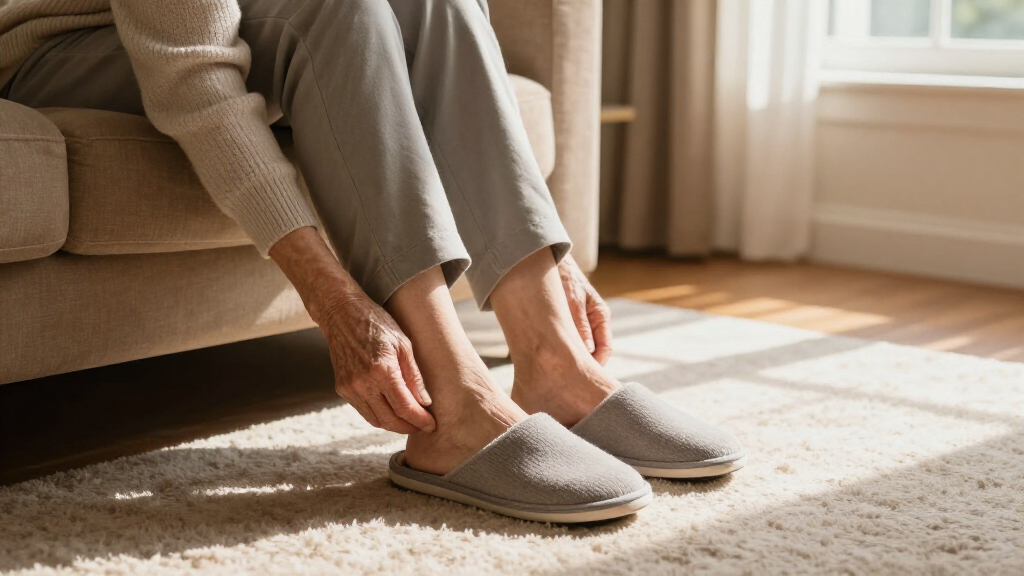
Choosing non-slip socks and house shoes for seniors involves balancing safety, comfort, and style. Advances in grip technology and design make it easier to find footwear that seniors will wear regularly, reducing fall risks effectively.
If you’ve ever struggled to get a loved one to wear safety shoes around the house, you’re not alone. Many seniors avoid non-slip footwear because it feels uncomfortable, unattractive, or difficult to put on. Yet, slip-resistant shoes and socks are proven to cut fall risk dramatically.
In this guide, you’ll learn how to pick footwear that balances safety with comfort and style. Because the real challenge isn’t just finding the safest shoes — it’s making sure your loved one actually wears them every day.
Prioritize fit, comfort, and style to encourage daily wear of non-slip footwear.
Look for textured rubber soles and non-slip grips on socks for better traction.
Involve seniors in choosing their shoes to boost acceptance and independence.
Use a combination of socks indoors and supportive shoes outside for comprehensive safety.
Stay updated on recent innovations that blend safety with style, making it easier to find footwear they’ll love.
Non-Slip Socks & House Shoes Seniors Will Actually Wear
The safest shoe in the world is useless if it stays in the closet. The real challenge isn’t finding maximum traction — it’s balancing safety, comfort, and style so your loved one puts them on every single morning.
Slip-resistant footwear can cut fall incidents in seniors by up to half — but only when it’s worn consistently. Comfort and style are safety features too.
The Anatomy of a Shoe That Gets Worn
Slip resistance starts at the sole — textured rubber or silicone grips create friction the way a tire grips wet pavement, especially on tile and hardwood. But grip alone doesn’t keep shoes on feet. Six features work together.
Textured Rubber Soles
High-traction rubber or silicone patterns grip slippery surfaces. Smooth soles slide easily on wet or polished floors — they can be more dangerous than bare feet.
Multi-Point Sock Grips
Non-slip socks need rubber dots or patterns across the entire sole. Multiple grip points distribute traction evenly, preventing slips during quick movements.
Breathable Materials
Cotton, wool blends, and moisture-wicking fabrics keep feet dry and healthy — reducing the blisters and irritation that make seniors abandon footwear.
Cushioning & Arch Support
Padded insoles and proper arch support reduce fatigue, improve posture and balance, and keep shoes on feet all day instead of by the door.
Snug, Never Tight
Too tight restricts blood flow; too loose causes tripping. Measure feet regularly — size changes with age, weight, and health conditions.
Easy-On Design
Slip-on styles, elastic laces, velcro straps, and wide openings let seniors with arthritis or limited dexterity dress themselves — with dignity.
How to Choose Shoes Seniors Will Actually Wear
A shoe that ticks every safety box but isn’t worn is useless. Follow this five-step selection process — and involve your loved one at every stage.
Prioritize Fit
Measure feet regularly. A well-fitted shoe supports proper gait and reduces instability.
Pick Style & Color
Bright colors or familiar styles like loafers and sneakers boost confidence and compliance.
Test the Grip
Walk on tile or polished floors in-store. Rubber compounds vary — test before you buy.
Focus on Comfort
Cushioning and arch support reduce fatigue and improve posture and balance.
Make It Easy On
Elastic laces, velcro, and wide openings preserve independence — the key to daily wear.
Non-Slip Socks vs. House Shoes
Both have merits. Socks are lightweight and easy to change; shoes add support and outdoor protection. Most families get it right with both.
| Feature | Non-Slip Socks | House Shoes |
|---|---|---|
| Traction | Rubber grips on bottom — good for indoor use | Textured rubber soles — better for walking around |
| Ease of Use | Easy to slip on, no laces or straps | Slip-on or adjustable, often more supportive |
| Comfort | Soft, lightweight, breathable fabrics | Padding, arch support, cushioned insoles |
| Style | Usually simple, some colorful options | Wide variety — slippers to sneakers |
| Durability | Washes well, but grips may wear out over time | Long-lasting, but soles can wear down over time |
The best choice is both. Non-slip socks indoors, supportive non-slip shoes for outdoor or active use. This layered approach covers different surfaces and safety needs — and lets each pair do what it does best.
Safety Only Works When It’s Worn
Fall-risk protection scales directly with how often the footwear is actually on your loved one’s feet. That’s why comfort, style, and independence aren’t extras — they’re the mechanism.
Tips for Encouraging Daily Wear
Even the safest shoes won’t help if they’re left in the closet. Three habits turn good footwear into an everyday routine.
Involve Your Loved One
Let them pick the style and color. A sense of control makes them more likely to accept — and feel proud of — their footwear, boosting compliance naturally.
Make It Routine
Keep shoes in a visible spot near the door and tie wearing them to daily habits. Repetition reinforces safety as a normal part of everyday life.
Start Small
Begin with short walks around the house, then gradually progress to longer outdoor trips. Gradual exposure builds confidence and comfort with new footwear.
Choose Style They Love
Modern designs blend safety with fashion — discreet grips, cheerful colors, familiar silhouettes. When shoes look good, they get worn. That’s fall prevention.
Why Safety Comes First: How Slip-Resistant Shoes Prevent Falls
Slip-and-fall accidents are the leading cause of injury among seniors. Shoes with high-traction soles make a huge difference. They grip the floor like a tire on wet pavement, especially on tile or hardwood—common surfaces in most homes.
Research from the CDC shows that slip-resistant footwear can reduce fall incidents by up to 50%. Imagine that—cutting the risk of broken hips and trips by half just by choosing the right shoes. But safety only works if seniors wear these shoes consistently. That’s where comfort and style come into play.
As an affiliate, we earn on qualifying purchases.
The Key Features to Look for in Non-Slip Shoes and Socks
What makes a shoe truly slip-resistant? Look for soles with textured rubber or silicone grips—these create traction on slippery surfaces. The texture increases friction, which is crucial because smooth soles can actually be more dangerous—they slide easily, especially on wet or polished floors, increasing fall risk. For socks, non-slip grips on the bottom—those little rubber dots or patterns—are vital because they prevent slipping during quick movements or when the floor is slick. Choosing socks with multiple grip points can distribute traction more evenly, reducing the chance of sudden slips.
Beyond grip, fit and comfort matter. Shoes should feel snug but not tight, with enough room for toes to move without constriction. Soft, breathable materials like cotton, wool blends, or moisture-wicking fabrics keep feet dry and healthy, reducing skin irritation and blisters that could cause discomfort or discourage wearing. Properly fitting footwear minimizes pressure points that can lead to blisters or foot pain, which are common reasons seniors avoid wearing certain shoes.
Ease of putting on is another big factor. Slip-on designs, elastic openings, or adjustable straps make it simpler for seniors to get shoes on without frustration. Pairing safety features with comfort makes it more likely they’ll wear the shoes every day. When shoes are easy to don and feel good, seniors are more inclined to wear them consistently, which directly impacts fall prevention.
slip-resistant house shoes for elderly
As an affiliate, we earn on qualifying purchases.
As an affiliate, we earn on qualifying purchases.
How to Choose Shoes That Seniors Will Actually Wear
- Prioritize fit: Measure feet regularly—sizes can change with age, weight fluctuations, or health conditions. Ill-fitting shoes can cause discomfort, blisters, or even impair balance, increasing fall risk. A well-fitted shoe supports proper gait and reduces instability. Remember, a shoe that’s too tight restricts blood flow and causes pain, while one that’s too loose can lead to tripping or uneven steps.
- Pick style and color: Bright, cheerful colors or familiar styles can make shoes more appealing, encouraging regular use. If your loved one prefers loafers or sneakers, find non-slip options in those styles to match their preferences. This personalization helps foster a positive attitude toward wearing shoes, which is essential for safety. A shoe that looks good and feels familiar can boost confidence and compliance.
- Test the grip: Check the sole’s texture and rubber quality. Walk on slippery surfaces like tiles or polished floors in the store to see how well they grip. This practical test ensures the shoes will perform as expected in real home environments. Remember, even a shoe with a textured sole can vary in effectiveness depending on the rubber compound; testing helps identify the best option for your specific flooring types.
- Focus on comfort: Cushioning and arch support matter. Shoes that feel good reduce fatigue and discomfort, making seniors more willing to wear them throughout the day. Proper support can also improve posture and balance, decreasing fall risk. When comfort and support are prioritized, seniors are less likely to remove their shoes or avoid wearing them altogether.
- Make it easy to put on: Look for slip-on or adjustable features that reduce frustration and help seniors maintain independence. Shoes with elastic laces, velcro straps, or wide openings allow for easier donning, especially for those with limited dexterity or arthritis. This independence not only promotes consistent use but also fosters a sense of control and dignity.
Remember, a shoe that ticks all these boxes but isn’t worn is useless. Involving your loved one in the selection process increases the chances they’ll accept and wear the footwear daily. When they have a say in choosing their shoes, they’re more likely to feel comfortable, confident, and motivated to wear them—key factors in fall prevention.
comfortable non-slip slippers for seniors
As an affiliate, we earn on qualifying purchases.
As an affiliate, we earn on qualifying purchases.
Comparing Non-Slip Socks and Shoes: Which Is Better for Safety?
| Feature | Non-Slip Socks | House Shoes |
|---|---|---|
| Traction | Rubber grips on bottom, good for indoor use | Textured rubber soles, better for walking around |
| Ease of Use | Easy to slip on, no laces or straps | Slip-on or adjustable, often more supportive |
| Comfort | Soft, lightweight, breathable fabrics | Padding, arch support, cushioned insoles |
| Style | Usually simple, some colorful options | Variety of styles—from slippers to sneakers |
| Durability | Washes well, but grips may wear out over time | Long-lasting, but soles can wear down over time |
Both options have their merits. Socks are lightweight and easy to change, but shoes provide more support and protection for walking outside or on uneven surfaces. The best choice often combines both—socks indoors, supportive shoes for outdoor or more active use. This layered approach addresses different safety needs and comfort preferences, maximizing overall fall prevention.
As an affiliate, we earn on qualifying purchases.
Making Sure They Wear It: Tips for Encouraging Use
Even the safest shoes won’t help if they’re left in the closet. Here’s how to encourage regular wear:
- Involve your loved one: Let them pick the style and color. Giving a sense of control makes a difference in their willingness to wear the footwear consistently. When they feel they have a say, they’re more likely to accept and feel proud of their shoes, which boosts compliance.
- Make it routine: Put shoes in a visible spot near the door and incorporate wearing them into daily habits. Consistent routines help establish a habit, reducing forgetfulness or resistance over time. Repetition reinforces safety as a normal part of daily life.
- Start small: Begin with short walks around the house, then gradually progress to longer outdoor trips. This gradual exposure helps build confidence and comfort with new footwear, reducing anxiety or reluctance.
- Reward progress: Praise or small treats when they wear the shoes regularly. Positive reinforcement encourages ongoing compliance and helps establish the habit as a positive experience.
- Address discomfort immediately: Fix any fit issues or blisters right away. Comfort is critical; if shoes cause pain, seniors will avoid wearing them. Promptly addressing issues prevents negative associations and promotes continued use.
Remember, patience is essential. Turning shoe-wearing into a habit takes time, but the safety benefits—like reduced fall risk—are well worth the effort. Consistent encouragement and involvement foster a sense of independence and confidence, which are vital for long-term adherence.
What’s New? The Latest in Non-Slip Footwear for Seniors
Recent innovations focus on blending safety with style. Silicone-based grips and textured soles have significantly improved traction on slick floors, reducing slips and falls. Brands now offer fashionable slip-ons, sneakers, and slippers with discreet non-slip bottoms, making safety seamless with style.
Some products incorporate orthotic support or are specifically designed for foot conditions like neuropathy, ensuring both safety and comfort for seniors with special needs. This expansion of options means seniors no longer have to compromise style for safety. The market is evolving to meet the demand for attractive, supportive footwear that encourages consistent use. When seniors feel good about their shoes, they’re more likely to wear them regularly, directly reducing fall risks.
For example, a senior might wear a stylish slip-on with a textured sole and cushioned insole, feeling confident and supported at home. These advances demonstrate that safety and style are no longer mutually exclusive—they can go hand-in-hand for better senior health and independence.
Frequently Asked Questions
How do I know if the shoes fit properly?
Measure your loved one’s feet regularly, especially if they haven’t been fitted recently. Shoes should have about a thumb’s width of space at the toe and fit snugly around the heel. Comfort is key—try them on in the late afternoon when feet tend to swell slightly.
Are non-slip socks enough for outdoor use?
Non-slip socks are great for indoor safety, but for outdoor walking, supportive shoes with textured, rubber soles are best. They provide stability on uneven surfaces and protect against debris or rough terrain.
What features should I prioritize in non-slip footwear?
Look for textured rubber soles, easy-to-wear slip-on designs, proper arch support, and breathable materials. These features ensure safety, comfort, and ease of use—key factors in encouraging regular wear.
Can I add grips to regular shoes or socks?
Yes, there are adhesive non-slip pads or grips designed for existing shoes or socks. However, for optimal safety and comfort, choosing footwear with built-in grips and support is usually more effective and durable.
How often should non-slip shoes or socks be replaced?
Replace them when the grip wears down, shoes become uncomfortable, or they show signs of damage. Typically, every 6-12 months, depending on usage and wear patterns.
Conclusion
Choosing the right non-slip footwear isn’t just about safety—it’s about making sure seniors feel confident and comfortable every step of the way. When they love what they wear, the risk of falls drops significantly.
Think of shoes and socks as an essential part of their daily routine, like a warm hug for their feet. The key is to involve them in the process and pick options that feel right. Safety and comfort should walk hand-in-hand—literally.
Fall Picks
fall essentials
As an affiliate, we earn on qualifying purchases.