
TL;DR

Turn quiet afternoons into listening time
- Thousands of audiobooks, podcasts and originals
- Listen on your phone, tablet or Echo — also offline
- Cancel anytime
Selecting the right bathroom support depends on individual needs. Safety frames, raised seats, and bidets serve different purposes. Proper assessment and compatibility are key to safe, effective use.
Getting on and off the toilet isn’t always simple, especially when strength, balance or mobility are limited. You might feel a tug of frustration or worry every time you sit or stand. But the good news? There are tools that can make this daily routine safer and easier.
This guide helps you understand the differences between safety frames, raised seats and bidet options. Knowing what each does best can prevent falls, reduce strain, and boost confidence in your bathroom. Whether you’re caring for someone or managing your own needs, making the right choice matters.
Always match the device to the user’s movement, strength, and balance capabilities.
Proper measurement and professional assessment can prevent unsafe choices.
Stability and secure installation matter more than extra features or convenience.
Compatibility between toilet, riser, frame, and bidet devices is critical for safety and function.
Regular inspection and maintenance prolong safety and effectiveness.
Toilet Safety Frames, Raised Seats & Bidet Seats: Sorting Out Sit-to-Stand Help
Getting on and off the toilet isn’t always simple when strength, balance or mobility are limited. This guide breaks down what safety frames, raised seats and bidet seats each do best — and how proper assessment and compatibility prevent falls, reduce strain, and restore confidence.
A raised toilet seat can cut standing effort by up to 50% — but it does not improve balance or stability on its own.
effort from a raised seat
firmly on both sides
effective choice
hygiene aid only
What Each Support Option Does Best
Not all bathroom aids are created equal. Each has a specific purpose — and a specific limitation. Match the device to the real problem, not the marketing claim.
Toilet Safety Frame / Rails
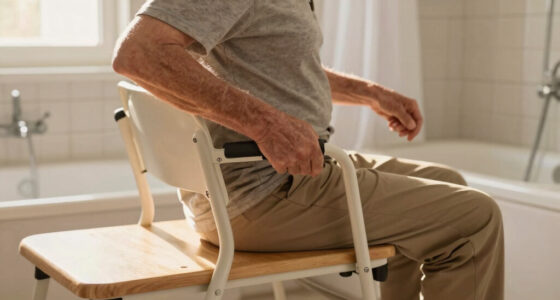
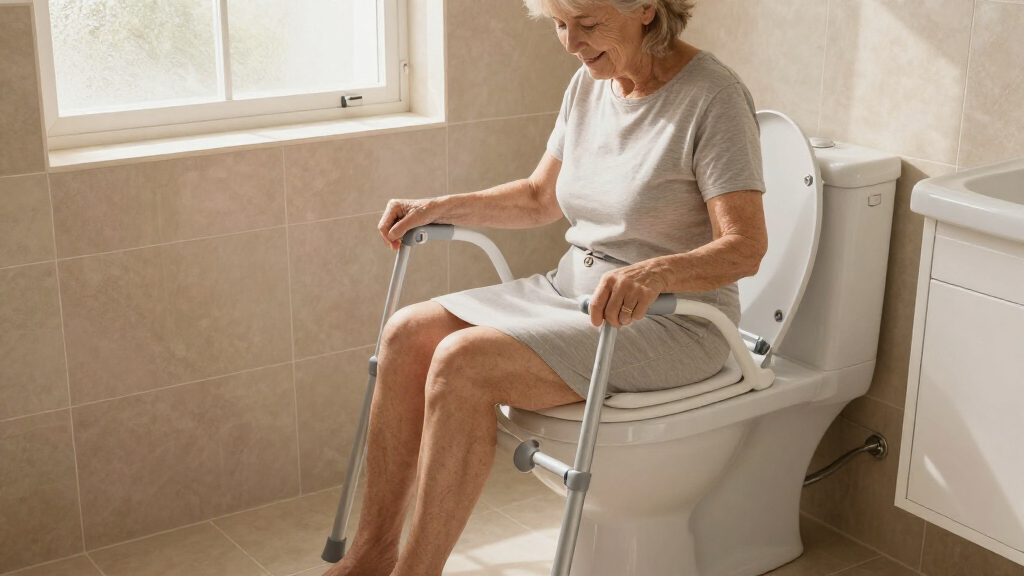
Sturdy arm support during sitting and standing — ideal for pushing or pulling up when balance is shaky. Does not raise the toilet itself; freestanding models may shift or tip if pulled sideways.
Raised Toilet Seat
Lifts the whole seat to reduce sit-to-stand depth. Can feel unstable if not secured and may leave feet unsupported — a trade-off between transfer ease and stability.
Raised Seat with Arms
An all-in-one solution combining height and hand support. Must fit snugly; arms that are too narrow or poorly positioned can undermine a secure transfer.
Toilet Riser
Lifts the entire toilet while keeping the familiar seat. Simple — but installation depends on bolt-pattern and bowl compatibility, and poor fitting can cause wobble.
Bidet Seat / Attachment
Improves hygiene and reduces reaching or twisting. Not a transfer aid — best combined with a frame or riser, and verify it doesn’t conflict with other hardware.
Over-Toilet Commode
Adjustable height, armrests and a wider, more stable base — well suited to severe mobility challenges. Takes more space and requires more cleaning effort.
Height Helps Effort — Not Stability
Relative physical effort needed to stand from different seat setups. A raised seat dramatically lowers exertion, but exertion and balance are different problems.
How to Choose the Perfect Support
Picking the right device starts with understanding the user’s specific challenges. Follow this sequence to avoid unsafe or ineffective purchases.
Observe the Movement
Can they stand with armrests? Do they need extra height? Do they push unevenly through one arm? Address actual needs, not perceived ones.
Assess Comfort & Safety
Are both feet firmly on the ground? Is seat height appropriate for joint range? Discomfort leads to instability — and to avoiding the device altogether.
Measure the Bathroom
Check distance from toilet to walls, doorways and furniture, plus the approach angle. Proper measurement prevents tripping hazards and awkward transfers.
Evaluate Compatibility
Verify the device fits your toilet shape and size and won’t interfere with other fixtures. Confirm compatibility for the exact models — don’t assume.
Test Stability
Push, pull and sit on the device. It should stay firm under real forces — not shift or wobble. Check weight limits and armrest rigidity.
Consult a Professional
An occupational or physical therapist can tailor recommendations to strength, balance and bathroom layout — and weigh the trade-offs with you.
Comparing Support Devices
Weigh the primary benefit against the important limitation for each option before deciding what fits your bathroom and mobility needs.
| Product | Primary Benefit | Important Limitation |
|---|---|---|
| Toilet safety frame / rails | Provides sturdy arm support during transfers | Does not raise the toilet; may shift or tip if not secured |
| Raised toilet seat | Reduces sit-to-stand depth, easier transfer | Can feel unstable; feet may not be supported |
| Raised seat with arms | Offers height + hand support in one unit | May narrow space and requires a secure fit |
| Toilet riser beneath seat | Raises the entire toilet, keeps familiar seat | Installation depends on bolt compatibility |
| Bidet seat | Enhances hygiene, reduces reaching and wiping | Does not aid standing; may conflict with other supports |
| Over-toilet commode | Adjustable height, wide support base | Requires space and more cleaning effort |
| Powered lift seat | Mechanical assistance for sitting and standing | Costly; needs electrical access and maintenance |
Compatibility Is the Hidden Problem
Round and elongated bowls require different fittings. Seat bolts, hinges, contours and space can all prevent products from working together — especially when combining a bidet with a riser or frame.
Check Before You Buy
- Manufacturer’s weight limit — and whether it covers the complete assembled product
- Toilet-bowl shape and dimensions
- Floor contact and leg adjustment
- Bolt, clamp or bracket security
- Armrest rigidity under uneven pushing
- Movement during repeated real-world use
Adding a Bidet Seat May
- Increase seat height and change sitting position
- Reduce the space available for a riser
- Conflict with safety-frame brackets or armrests
- Prevent the lid or seat from opening fully
- Affect the stability of existing mounting hardware
What Each Support Option Does Best — and When to Pick It
Not all bathroom aids are created equal. Each has a specific purpose and limitations. Here’s what you need to know to match your needs with the right product.
Toilet safety frames or rails provide sturdy arm support during sitting and standing. They’re ideal if you need a firm hand to push or pull yourself up, especially if balance is shaky. But they usually don’t raise the toilet itself, so you might still need a separate riser.
Raised toilet seats are like a small platform that lifts the whole seat, making it easier to sit down or stand up. They’re perfect if the depth of your toilet is a challenge. But they can feel unstable if not secured properly and might leave your feet unsupported. The tradeoff here is between ease of transfer and potential stability concerns, especially if the seat isn’t fitted tightly or if the user has significant balance issues. Proper installation and choosing a model with anti-slip features can mitigate some risks.
Raised seats with arms combine height and support. They’re a good all-in-one solution for someone who needs both. Just make sure they fit your toilet snugly and don’t narrow the space so much that toileting becomes uncomfortable. The added arms can help with balance, but if they are too narrow or poorly positioned, they might not provide the support needed for a secure transfer, highlighting the importance of proper measurement and fit.
Toilet risers beneath the existing seat are simple, no-fuss options that lift the entire toilet. They’re easy to install if your toilet matches the bolt pattern. But compatibility with your toilet shape and bolt length matters. The main consideration is that these risers can sometimes shift or wobble if not installed correctly, which could compromise safety. The tradeoff is between ease of installation and long-term stability, especially for users with unsteady movements.
Bidet attachments or seats improve hygiene and reduce reaching or twisting. While helpful for cleaning, they don’t assist with standing or sitting. They’re best combined with other safety devices. The implication here is that hygiene improvements alone don’t address mobility or stability issues, so relying solely on bidets could leave a person vulnerable to falls or strain during transfers.
Over-toilet commodes are adjustable, often with armrests and wider bases. They’re great for temporary or more involved needs but take up more space and can be trickier to keep clean. Their wider support base offers increased stability, which can be crucial for those with severe mobility challenges. However, the tradeoff is increased bulk in the bathroom, which might impact maneuverability or aesthetics.
Powered lift toilet seats mechanically assist standing and sitting. They’re ideal for those with severe weakness but come at a higher cost and require electrical access. The benefit is a significant reduction in physical effort, but users must consider the need for maintenance and potential failure points, which could impact safety if not properly serviced.
As an affiliate, we earn on qualifying purchases.
How to Choose the Perfect Support — Step-by-Step
Picking the right device starts with understanding the user’s specific challenges. Here’s a simple process to guide your decision.
- Observe the user’s movement: Can they stand with support? Do they need extra height? Are they uneven or unsteady? Recognizing these nuances ensures the selected device addresses actual needs rather than just perceived ones, reducing the risk of unnecessary or ineffective purchases.
- Assess comfort and safety: Are their feet firmly on the ground at all times? Is the seat height appropriate for their joint range? Comfort directly influences safety; an ill-fitting device can cause discomfort, which may lead to instability or reluctance to use it altogether.
- Measure the bathroom layout: Check the distance from the toilet to walls, doorways, and any nearby furniture. Consider the user’s approach angle. Proper measurement prevents awkward transfers and ensures the device won’t obstruct movement or cause tripping hazards, thus promoting safer use.
- Evaluate compatibility: Verify that the chosen device fits your toilet shape and size. Ensure it won’t interfere with other fixtures or safety devices. Compatibility issues can lead to instability or the need for costly modifications, so thorough checking avoids future frustrations.
- Test stability: Push, pull, and sit on the device. It should stay firm under real use, not shift or wobble. Ensuring stability before regular use minimizes the risk of falls or sudden shifts that could cause injury.
- Consult a professional: When in doubt, an occupational or physical therapist can provide tailored recommendations based on strength, balance, and bathroom setup. Their insight can help weigh tradeoffs and select the most effective support for the individual’s unique situation.
Following these steps helps ensure safety, comfort, and independence in your bathroom routine by making informed choices rooted in thorough assessment.
As an affiliate, we earn on qualifying purchases.
Comparing Support Devices — Which One Fits Your Needs?
| Product | Primary Benefit | Important Limitation |
|---|---|---|
| Toilet safety frame or rails | Provides sturdy arm support during transfers | Does not raise the toilet, may shift or tip if not secured |
| Raised toilet seat | Reduces sit-to-stand depth, easier transfer | Can feel unstable, feet may not be supported |
| Raised seat with arms | Offers height + hand support in one | May narrow space and require secure fit |
| Toilet riser beneath seat | Raises the entire toilet, maintains familiar seat | Installation depends on bolt compatibility |
| Bidet seat | Enhances hygiene, reduces reaching/wiping | Does not aid standing, may conflict with other supports |
| Over-toilet commode | Adjustable height, wide support base | Requires space and more cleaning effort |
| Powered lift seat | Mechanical assistance for sitting/standing | Costly, needs electrical access and maintenance |
This comparison helps you weigh the benefits and limitations to find the best fit for your bathroom and mobility needs.
As an affiliate, we earn on qualifying purchases.
What Really Matters — Key Safety Tips for Bathroom Support Devices
Safety isn’t just about buying the right product. It’s about how you use and maintain it. Here are facts you need to keep in mind.
- Support stability: Devices must withstand real forces—pushing, pulling, shifting. Check weight limits and secure fittings. If a device isn’t stable, it can cause falls or injuries when used, especially for those with limited strength or balance. Ensuring stability isn’t just about safety; it’s about confidence in the device’s reliability during daily use.
- Avoid shifting: Freestanding frames can wobble if not placed on a non-slip, clean floor. Regularly inspect fasteners and rubber feet. Shifting devices can unexpectedly release or tilt, increasing fall risk. Proper maintenance and placement are essential for ongoing safety.
- Balance over convenience: Higher seats and supports should help, not cause new balance issues. Feet should be flat and stable on the ground. Sacrificing stability for comfort can backfire, leading to falls. It’s crucial to prioritize a secure base over features that might compromise balance.
- Compatibility check: Confirm bolt sizes, shapes, and spacing. Mismatched parts can cause unexpected movement or detachment. Poor fit can lead to instability or even accidents, so detailed measurement and verification are vital before installation.
- Routine inspection: Regularly examine for cracks, loosened hardware, or corrosion. Replace worn parts immediately. Over time, wear and tear diminish safety, so proactive maintenance prevents accidents and prolongs device lifespan.
- Clean carefully: Use manufacturer-approved cleaners. Keep equipment hygienic and free of mold or debris. Dirty or corroded supports can become slippery or unsafe, impacting both safety and hygiene standards.
- Be mindful of new issues: Sudden difficulty standing, unsteadiness, or falls are signs to seek professional help. Recognizing early warning signs allows for timely intervention, preventing potential injuries or worsening mobility issues.
Good safety habits protect you or your loved ones from preventable accidents in the bathroom. Consistent attention to maintenance and proper use is key to long-term safety and confidence.
As an affiliate, we earn on qualifying purchases.
Bidet Seats — More Than Hygiene, But Not a Standalone Support
Bidet seats can make personal hygiene easier, especially if reaching or twisting is painful. They typically include adjustable water spray, temperature, and drying features. But they don’t help with standing or sitting. Recognizing this limitation is important: relying solely on a bidet seat without additional support can leave users vulnerable to falls or strain during transfers. While they improve cleanliness and comfort, they do not replace the stability and safety provided by support aids. Combining a bidet with sturdy grab bars or risers ensures both hygiene and safety are adequately addressed, especially for those with mobility challenges.
For example, someone with arthritis might find a bidet seat reduces the effort needed to wipe, but still needs a sturdy grab bar or riser for safe sitting and standing. Water temperature and pressure should be set gently, especially for sensitive skin or circulation issues.
Electric bidets require a nearby, properly grounded outlet—extension cords are dangerous. Routine cleaning of nozzles and seats keeps hygiene optimal, but they do not replace handwashing or other safety supports.
In short, bidets enhance independence in cleaning but should be combined with other mobility aids for overall safety.
The Latest Trends — Smarter, Safer, and More Adaptable Products
Innovation is changing bathroom safety. Today’s products are more adaptable, easier to install, and designed for a wider range of needs. For instance, some models now feature integrated support arms that adjust height or fold away for easy cleaning. Others have quick-release mechanisms for better hygiene and maintenance.
Many new bidet seats include large, easy-to-read controls, preset options, and adjustable spray positions. Powered lift seats are becoming more common, helping users stand with less effort. Bariatric models with wider seats and higher weight limits are also gaining popularity.
While these advancements improve safety and comfort, they also require careful assessment—fit, electrical needs, and ease of use. Combining multiple features into one device can simplify installation but may also complicate troubleshooting. Always verify the product’s compatibility with your bathroom setup and your specific needs.
Staying informed about these innovations allows you to choose solutions that are not only modern but also tailored to your safety and comfort. Remember, the most advanced device is only as good as its fit and proper use in your environment.
Frequently Asked Questions
Which option is best for someone who cannot stand from the toilet?
If standing is a challenge, a raised seat combined with sturdy armrests can help. For severe weakness, a powered lift seat or an over-toilet commode might be necessary. Consulting a professional can ensure the safest and most effective choice.
How much should I raise the toilet?
The ideal height varies per person. Generally, the user’s feet should sit flat on the floor, with knees at roughly a 90-degree angle. A good rule of thumb is raising the seat until standing feels easier without sacrificing stability.
Are toilet safety frames safer than grab bars?
It depends on installation and use. Properly anchored grab bars are often more stable, especially if installed into wall studs. Frames can be helpful if wall mounting isn’t an option, but they must be sturdy and well-maintained.
Can I install a bidet with a raised toilet seat?
Sometimes. Compatibility depends on the design of both products. Always check the manufacturer’s instructions and measure clearance to ensure proper fit and stability before combining these features.
Does a bidet replace caregiver help?
No. While bidets can reduce wiping effort, they don’t assist with sitting, standing, or clothing management. They are a hygiene aid, not a mobility aid.
Conclusion
Choosing the right bathroom support isn’t just about fitting a product—it’s about understanding what truly helps you or your loved one move safely and confidently. The best solutions are those tailored to individual needs, properly installed, and regularly checked.
Imagine a bathroom where every step feels secure, every movement supported, and independence preserved. That’s possible with thoughtful choices and informed decisions. Your safety starts with understanding your options—then making them work for you.
Evergreen bestsellers Picks
bestsellers
As an affiliate, we earn on qualifying purchases.