TL;DR
Open a free Amazon Business account
Business pricing, bulk buying and tax-exempt orders.
Create a free accountAs an affiliate, we earn on qualifying purchases.
The best seat cushion offers targeted support, breathability, and a proper fit. Recent innovations like gel layers and ergonomic shapes help maintain comfort during hours of sitting, reducing strain and discomfort.
Prolonged sitting isn’t just uncomfortable — it can cause real health issues like back pain and numbness. Yet, many overlook the power of a good seat cushion in turning hours of discomfort into hours of support. Whether you’re working at a desk, driving long distances, or spending time in a wheelchair, the right cushion can make all the difference.
In this guide, you’ll learn how to pick a cushion that genuinely supports your body, stays comfortable, and fits your needs. No fluff, just straightforward advice to help you sit better, longer.
Prioritize support that aligns your spine and relieves pressure points.
Choose breathable, cooling materials to stay comfortable during long sittings.
Measure your chair and body to find a cushion that fits securely and stays in place.
Stay updated on ergonomic innovations like adjustable firmness and eco-friendly options.
Maintain your cushion regularly for lasting comfort and support.
How to Choose a Seat Cushion for Comfortable Long Sitting
The right cushion combines targeted support, breathable materials and a secure fit. It should relieve pressure without collapsing, keep heat under control and help your spine stay naturally aligned through long workdays, drives or wheelchair use.
Support the body, not just the seat
A good cushion distributes body weight across a wider area while preserving the spine’s natural curves. Contours, coccyx cut-outs and resilient foam can reduce strain—but only when firmness is balanced.
Keep the pelvis neutral
Choose a stable base that discourages slouching. If the pelvis tips backward, the lower back rounds and surrounding muscles work harder.
Unload the tailbone
A U-shaped cut-out or rear contour can lift pressure away from the coccyx and distribute weight more evenly through the hips and thighs.
Avoid bottoming out
The cushion should compress enough to cradle the body but retain enough depth to prevent contact with the hard chair beneath it.
Find the firmness sweet spot
Too soft lets posture collapse. Too firm can create concentrated pressure. Aim for controlled compression with steady rebound.
Match support to the problem
Tailbone pain: prioritize a coccyx cut-out. Slouching: choose a stable contour or paired lumbar support. Hip pressure: look for broad weight distribution and adequate depth.
Balance softness, cooling and shape retention
Material changes how a cushion feels after three hours—not just during the first three minutes. Consider heat control, support consistency and durability together.
| Feature | Memory foam | Gel-infused foam | High-density foam |
|---|---|---|---|
| Body contouring | ✓Excellent | ✓Very good | ~Moderate |
| Breathability | ~Moderate | ✓High | ~Varies |
| Cooling | ✗Limited | ✓Excellent | ~Moderate |
| Firm support | ~Medium | ✓Medium–firm | ✓Firm |
| Shape retention | ~Good | ✓Very good | ✓Excellent |
| Best suited to | Soft contouring and pressure relief | Long, warm sitting sessions | Users wanting stable, durable support |
The cover is part of the comfort system
Pair the inner material with a removable, washable mesh or ventilated cover. Airflow and moisture control reduce sweat, heat buildup and skin irritation—especially during summer, long meetings and continuous wheelchair use.
Measure before you buy
A cushion that shifts, overhangs or leaves large gaps cannot provide consistent support. Treat the fit like footwear: secure, appropriately sized and comfortable without forcing your position.
Take three chair measurements
Measure the usable seating surface—not the chair’s full outside dimensions.
Check desk clearance
Added cushion height should not force raised shoulders or leave your feet unsupported.
Preserve safe positioning
Avoid excessive lift that changes visibility, headrest alignment or seat-belt geometry.
Confirm precise dimensions
Fit should support stable posture without interfering with wheels, side guards or transfers.
Stop sliding
Look for a non-slip base, straps or a grippy cover—particularly if you reposition frequently.
About 16 inches wide
A common office-chair cushion width, but not a universal fit. Always compare the product dimensions with your chair and your body before purchasing.
From cushion choice to better sitting
The benefits are connected. A stable cushion supports alignment; alignment spreads pressure; pressure relief reduces discomfort; comfort makes healthy movement easier to maintain.
Measure
Chair, body and added height
Match
Shape to pain point and posture
Ventilate
Control heat and moisture
Stabilize
Prevent gaps and slipping
Move
Change position regularly
Adjustable firmness
Air, layered inserts or modular foam let users tune support for different activities and preferences.
Smart feedback
Pressure sensors can flag uneven loading or prolonged slouching and encourage healthier position changes.
Lower-impact materials
Recycled covers and more sustainable foams aim to reduce environmental impact without losing performance.
Keep the support working
Foam and gel change through compression, heat, sweat and daily use. Simple maintenance improves hygiene, distributes wear and makes loss of support easier to spot.
Inspect and air
Check for dampness, cover damage, deep impressions or changes in shape.
Wash the removable cover
Follow the care label; spot clean the core with mild detergent and allow it to air dry fully.
Vary your sitting position
Frequent position changes reduce concentrated wear and help your body avoid static loading.
Test rebound and stability
Replace the cushion when it stays compressed, sags unevenly or no longer holds posture.
Seat cushion FAQ
Use these answers as a shortlist, then confirm dimensions, firmness and return terms for the specific cushion you are considering.
What type is best for back pain?
Look for a stable ergonomic contour that promotes neutral pelvic and spinal alignment. Lumbar support may help if the chair itself lacks it.
Can a cushion relieve coccyx pressure?
Yes. A rear cut-out or coccyx channel can reduce direct contact and spread weight across the surrounding seat area.
Are gel cushions always better?
No. Gel usually improves cooling and pressure distribution, while quality foam may provide stronger contouring or firmer support.
How should a cushion be cleaned?
Use a removable washable cover when possible. Spot clean the inner core gently and air dry it completely before reuse.
Can one cushion fit every chair?
Not reliably. Office chairs, cars and wheelchairs differ in size, angle and restraint needs, so check fit for every setting.
Does a cushion replace sitting breaks?
No. Even excellent support cannot remove the effects of staying still. Shift position and stand or move whenever practical.
Choose for the long sit, not the first impression
A cushion should still feel supportive, cool and stable hours after you sit down. Comfort is the result of fit and performance—not softness alone.
What makes a seat cushion truly support your back and hips?
The secret to support is how a cushion aligns your spine and relieves pressure. Contoured designs or memory foam molds to your body, providing a gentle cradle for your tailbone and hips. Imagine sitting on a cloud that supports every curve — that’s what a good cushion does.
For example, if your chair causes your lower back to slouch, a cushion with lumbar support can straighten you out. Or, if your tailbone aches after hours, a cut-out or ergonomic shape can lift and relieve pressure.
Deep support not only alleviates immediate discomfort but also promotes better posture over time. When your spine is properly aligned, it reduces strain on muscles and ligaments, decreasing the risk of chronic pain. However, choosing a support that’s too firm can create pressure points, while too soft may not hold your posture properly. The key is finding a balance where the cushion supports your natural curves without pushing back excessively.
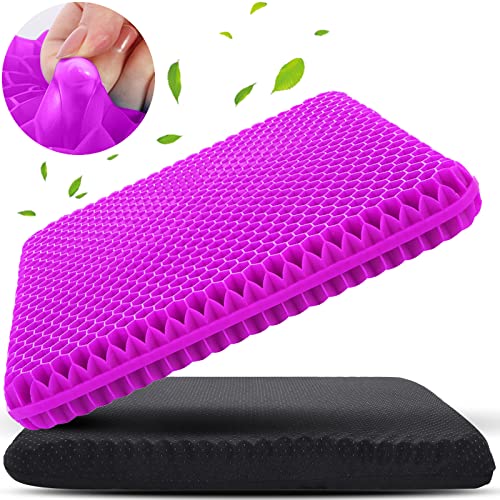
Gel Seat Cushion for Long Sitting, Gel Chair Cushion (Large & Thick)
- Large and Thick Design: Measures 18.51" x 17.33" x 1.51"
- Breathable and Soft: Air columns reduce sweating and enhance comfort
- Enhanced Comfort and Elasticity: Releases weight for better sitting experience
As an affiliate, we earn on qualifying purchases.
As an affiliate, we earn on qualifying purchases.
How to pick the right material for comfort and breathability
Materials affect how your cushion feels and how well it keeps you cool. Memory foam offers softness and support, but can trap heat, leading to discomfort during extended periods of sitting. Gel-infused foam absorbs heat and disperses it, helping to keep your temperature regulated. High-density foam is durable and maintains shape over time but may feel firmer and less breathable.
Imagine sitting on a gel cushion in summer — cooling, comfortable, and supportive. Choosing breathable covers like mesh or ventilated foam prevents sweat buildup, especially during hot days or long meetings. This breathability is crucial because excessive heat and moisture can lead to skin irritation and discomfort, which diminishes the supportive benefits of your cushion. The tradeoff is often between softness and cooling; selecting materials that balance both can significantly enhance your sitting experience.

CushyOasis Seat Cushion, Gel Memory Foam Office Chair Cushions, (Black)
- Ergonomic Contour Design: Supports hips, spine, and tailbone
- Gel Memory Foam: Provides cooling comfort and resilience
- Non-Slip Base & Removable Cover: Ensures stability and easy cleaning
As an affiliate, we earn on qualifying purchases.
As an affiliate, we earn on qualifying purchases.
Picking the right size and fit for your chair
Your cushion should match your chair’s seat size and your body shape. Too small, and it slips or leaves gaps that compromise support. Too big, and it becomes cumbersome and may shift during use. Measure your seat’s width, depth, and height, then compare it to cushion dimensions to ensure a proper fit. For example, a 16-inch wide cushion fits most standard office chairs, but larger or smaller chairs may require different sizes.
Think of it like finding a pair of shoes: the cushion should hug your seat without overhangs or slipping. Proper fit ensures stability and consistent support, which are essential for maintaining good posture. An ill-fitting cushion can cause discomfort, distract you from your tasks, or lead to poor posture habits as you compensate for shifting or slipping. Therefore, taking the time to measure and select a cushion that aligns with your chair and body is a crucial step toward long-term sitting comfort.

Everlasting Comfort Ventilated Wheelchair Cushions for Pressure Relief – Gel Memory Foam Wheel Chair Seat Cushion Pad for Seniors and Adults & Pain Relief – Soft Non-Slip Cover – Office Accessories
- FSA / HSA Eligible: Provides ergonomic support and pressure relief
- Premium Construction: Durable, OEKO-TEX certified materials for longevity
- Ventilated Gel Design: Keeps you cool during extended sitting
As an affiliate, we earn on qualifying purchases.
As an affiliate, we earn on qualifying purchases.
Latest trends that could boost your sitting comfort
Recent innovations include gel-infused layers that cool your backside and ergonomic shapes that target specific pain points. Some cushions now feature adjustable firmness, letting you customize support based on your activity or preference. Eco-friendly materials are becoming more common, reducing environmental impact without sacrificing performance. These trends reflect a growing understanding of personalized comfort and sustainable design.
For example, a cushion with a built-in pressure sensor can alert you when your posture slouches, helping you stay mindful and supported all day. Such smart features can prevent the development of musculoskeletal issues by encouraging better habits. The tradeoff often involves increased cost or complexity, but the benefits of tailored support and longevity can justify the investment for many users.

Seat Cushion, Office Chair Cushions for Pressure Relief, Seat Cushions for Office Chair with L-Shaped Ergonomic Design & Adjustable Strap, Memory Foam Chair Cushion for Long Sitting (Black Gray)
- Ergonomic One-Piece Design: Supports natural spine curve and posture
- High-Density Memory Foam: Provides soft yet supportive comfort
- Non-Slip & Breathable: Secure grip with airflow for cooling
As an affiliate, we earn on qualifying purchases.
As an affiliate, we earn on qualifying purchases.
How to compare cushions at a glance
| Feature | Memory Foam | Gel-Infused Foam | High-Density Foam |
|---|---|---|---|
| Breathability | Moderate | High | |
| Cooling | Limited | Excellent | |
| Support | Soft, molds to body | Firm, maintains shape | |
| Durability | Good | Very good |
What should you do to keep your cushion supportive long-term?
Regularly inspect and clean your cushion. Use removable, washable covers to keep it fresh. Shift your position frequently to avoid uneven wear, and replace the cushion every 1-2 years if it loses support or shape. Think of it like rotating your mattress — maintenance keeps it supportive.
Maintaining your cushion’s support is essential because materials can degrade over time due to compression and exposure to sweat or dirt. Proper care ensures that the foam or gel layers retain their original shape and support capabilities, preventing sagging or uneven support that could lead to discomfort or postural issues. Regularly cleaning and rotating your cushion helps distribute wear evenly, extending its lifespan and maintaining the ergonomic benefits you initially chose it for.
Frequently Asked Questions
What type of seat cushion is best for back pain?
Look for cushions with lumbar support or ergonomic shapes designed to promote proper spinal alignment. Memory foam or gel-infused cushions that contour to your back can also help reduce pain.
Can a seat cushion help with tailbone pain?
Yes, cushions with a cut-out or ergonomic shape that lift the tailbone and relieve pressure are especially effective for coccyx pain. They help distribute weight more evenly, easing discomfort.
Are gel cushions better than foam?
Gel cushions often provide better cooling and pressure distribution, making them ideal for hot days or long hours. Foam cushions can offer more support depending on quality, but gel adds an extra layer of comfort.
How do I maintain and clean my seat cushion?
Choose cushions with removable, washable covers for easy cleaning. Spot clean with mild detergent and air dry to keep it fresh and supportive over time.
Can I use a seat cushion on any chair?
Most cushions are versatile, but check their size and shape to ensure they fit your chair securely. Avoid cushions that slide or slip easily, especially if you shift around a lot.
Conclusion
Long sitting doesn’t have to mean long-lasting discomfort. The right seat cushion combines support, comfort, and fit to keep you feeling good and upright. Think of it as a small investment for big comfort — your back will thank you.
Next time you sit down, imagine a supportive cloud underneath you. That’s what a good cushion offers: a simple step toward sitting smarter and longer.
Back to school Picks
back to school
As an affiliate, we earn on qualifying purchases.