
TL;DR

Turn quiet afternoons into listening time
- Thousands of audiobooks, podcasts and originals
- Listen on your phone, tablet or Echo — also offline
- Cancel anytime
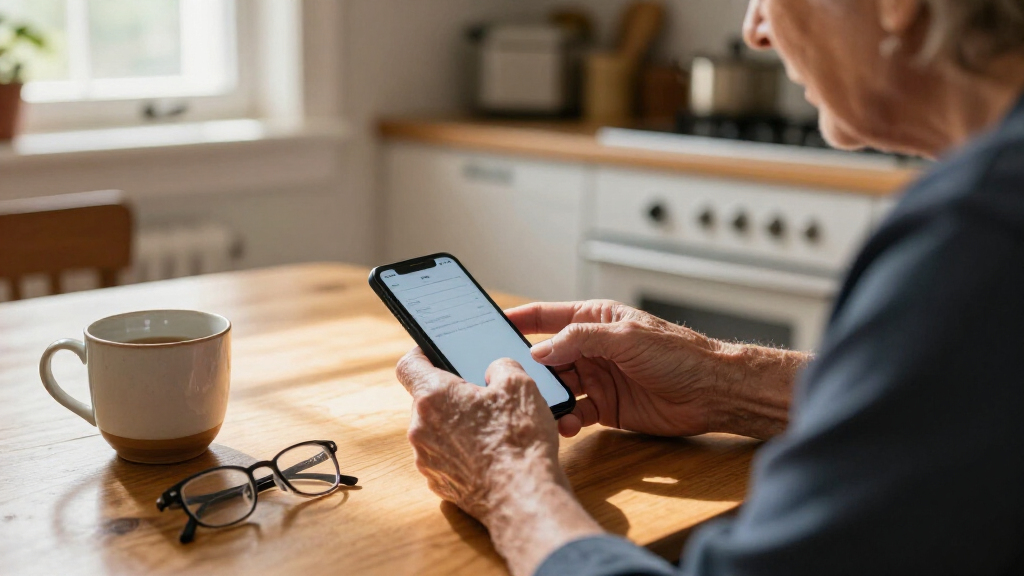
A Sixty and Me report recounts one user’s experience after adopting a password manager: generated passwords and phone logins became easier, but duplicate accounts, conflicting browser-saved credentials and a master-password worry added work. It is a personal account, not a security audit or evidence that password managers are safe or unsafe as a class.
Sixty and Me has published a first-person account of a user’s experience with a password manager, describing easier logins and generated passwords alongside the extra work of managing old credentials and protecting one master password. The account matters to readers weighing whether to adopt such a service, but it is one person’s experience, not an independent test of a product or a measure of password-manager security overall.
The writer says they paid for two years of a password manager after hearing a podcast about security breaches. They had not experienced a hack or fraudulent card purchase, and describe the decision as a response to concern rather than a reaction to a known incident. The source does not identify the service, its price or the podcast.
The main benefit, in the writer’s account, is using the manager to generate passwords made up of letters, numbers and symbols, then filling them in during sign-in. On a phone, the writer says the service recognizes a website and uses facial recognition to authorize access. They describe this as particularly convenient, while acknowledging that the process does not work seamlessly every time.
The change also created housekeeping. Google continued offering passwords it had saved even as the manager offered newer ones; the writer found duplicate entries for some logins and had to determine which credentials were current. They also describe the master password as a new concern because it controls access to the other saved passwords. To prepare for forgetting it, the writer says they put a written copy in a safe-deposit box.
The Trade-Off Behind Easier Logins
The report highlights a practical trade-off for people deciding how to manage many online accounts. A manager can generate and store distinct passwords so a user does not have to memorize each one, but changing systems may leave overlapping saved credentials that need to be sorted out. The writer’s account shows that convenience can come with a period of cleanup rather than an instant, friction-free switch.
The master password concentrates access in one credential. In this account, that makes remembering or recovering it a personal concern; the report does not evaluate the service’s recovery features or offer technical evidence about how it protects stored data. Readers should distinguish the writer’s reported peace of mind from a verified finding about security. The article supplies no comparative testing of password managers, browsers or other ways to store passwords.
Device boundaries also matter in the writer’s routine. They chose not to open the manager on a work computer, so an account created there might need a password change later at home. That example illustrates how a tool’s usefulness can depend on which devices a person is willing or permitted to use, rather than on the app alone.
Popular right now

TCL T7 Series 85-Inch 4K 144Hz QLED Smart Google TV

Ninja DualZone 6-in-1 Air Fryer, 8-Qt, Grey, DZ801

Ninja CREAMi 7-in-1 Ice Cream Maker, NC299AMZ
As an affiliate, we earn on qualifying purchases.
From Browser-Saved Passwords to One Manager
The writer says they had been considering a password manager for some time but delayed because they expected it might simplify some tasks while adding complications. A podcast discussion of security breaches prompted the purchase, although no breach affecting the writer is reported. The source does not name the podcast or describe a particular breach.
Before adopting the service, the writer had allowed Google to save some passwords. Afterward, Google and the new manager sometimes both offered credentials for the same site. This is the setting for the account’s central observation: the user did not transfer to a completely blank system, but began using a manager while older saved logins remained in play. The writer also keeps the manager off a work computer and may update work-created personal accounts later from home.
The report closes with a favorable personal verdict: despite the extra maintenance, the writer is glad they set up the manager and especially values logging in from a phone. That conclusion reflects their own priorities and experience; it should not be treated as a blanket recommendation or a claim about every service.
What the Account Cannot Establish
The source is a personal report and does not name the password-manager product, explain its technical protections, or describe an independent security review. It also gives no evidence that the writer’s accounts were compromised or that using the service prevented an attack. Claims about stronger passwords and peace of mind are the writer’s own assessment.
It is not clear how often the duplicate entries or competing Google prompts occurred, whether the writer resolved every duplicate, or what recovery options the service provides if the master password is lost. The article does not compare managers, discuss the security of storing a written backup in a safe-deposit box, or provide enough detail to assess the risks of any specific setup.
The source also does not establish whether the experience is typical. Readers’ results may depend on their devices, existing browser-saved passwords, work policies and chosen service. Those points remain outside the scope of the account.
Decisions for Prospective Users
The source does not announce a product change, investigation or follow-up test; it ends by inviting readers to share how they manage online account passwords. The next development in the report is therefore reader discussion, not a scheduled technical assessment or a policy decision.
For people considering a manager, the account suggests questions to resolve before switching: which devices will be used, where existing passwords are stored, and how access to the master password will be handled. These are practical points raised by the writer’s experience, not a formal checklist or a substitute for reviewing a service’s own documentation. The article provides no specific service comparison or independent recommendation.
Whether a manager suits a particular user remains a personal decision. The report offers one example of the balance involved: generated credentials and convenient phone sign-ins on one side, and duplicate entries, device limits and responsibility for the master password on the other. No broader conclusion about the safety of password managers is established by this source.
Key Questions
What happened in the Sixty and Me report?
A writer described adopting a password manager after hearing about security breaches on a podcast. They reported benefits, including generated passwords and convenient phone logins, as well as complications with old saved credentials and duplicate entries.
Did the writer say they had been hacked?
No. The writer explicitly says they had not been hacked and had not seen a mysterious person use their credit card. The purchase followed concern after hearing a podcast, not a reported personal security incident.
What difficulties did the writer encounter?
Google sometimes offered older saved passwords while the manager offered newer ones, and the writer found duplicate login entries. They also had to remember a master password and chose not to use the manager on a work computer.
Does this report prove password managers are secure?
No. It is a first-person account, not a security audit or product comparison. The source does not identify the service or assess its technical protections.
What did the writer like most?
The writer especially valued signing into accounts from a phone and using passwords generated and stored by the manager. They said it made life easier when the process worked as expected.
Source: rss