
TL;DR
Listen free for 30 days with Audible
Thousands of audiobooks and originals — cancel anytime.
Start your free trialAs an affiliate, we earn on qualifying purchases.
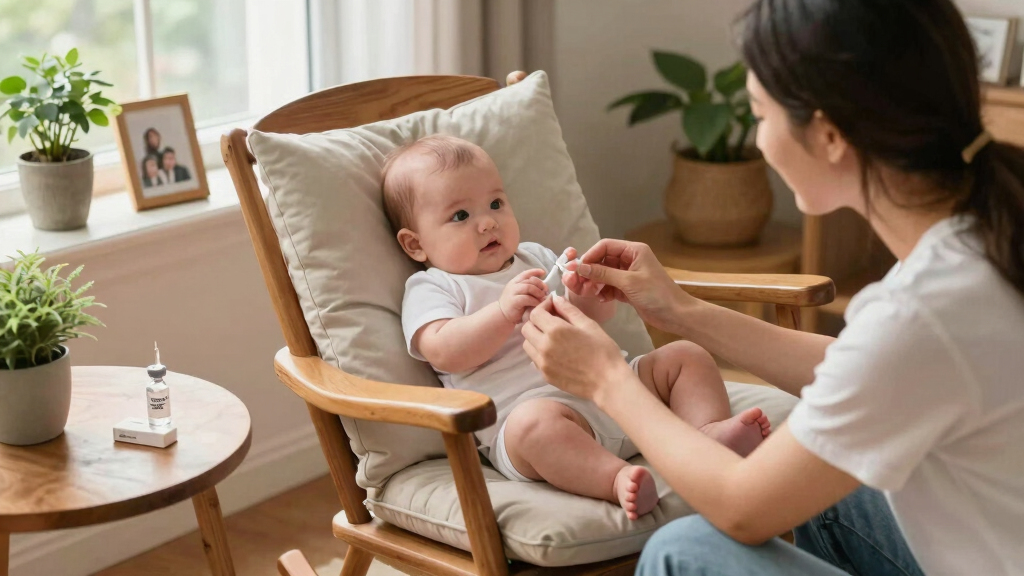
An increasing number of parents are refusing vitamin K shots for their newborns, resulting in some infants experiencing severe bleeding. Health officials warn of the risks but acknowledge the trend is growing. The situation raises questions about vaccination acceptance and infant safety.
Recent reports indicate that a growing number of parents are declining vitamin K injections for their newborns, leading to cases of severe bleeding in infants. Health officials warn that this refusal increases the risk of bleeding disorders, which can be life-threatening. The trend raises concerns about vaccination acceptance and infant health safety.
Health authorities, including the Centers for Disease Control and Prevention (CDC), confirm that vitamin K shots are routinely administered to prevent bleeding disorders in newborns. However, recent data suggest that some parents are opting out of this preventive measure, citing concerns over vaccine safety or personal beliefs. As a result, hospitals have documented an increase in cases of vitamin K deficiency bleeding (VKDB), a condition that can cause internal bleeding, brain hemorrhages, and even death in infants.
Medical experts emphasize that vitamin K deficiency is rare in infants who receive the injection, which is considered a standard and safe medical practice. The American Academy of Pediatrics states that refusal of the shot significantly elevates the risk of serious bleeding complications. Some hospitals have reported that the number of infants presenting with VKDB has doubled in certain regions over the past year, though exact nationwide data are still being compiled.
Implications of Rising Vitamin K Refusal in Newborns
This trend highlights a potential public health challenge, as declining vaccination rates for essential newborn prophylaxis could lead to more cases of preventable bleeding complications. The increase in severe bleeding cases underscores the importance of clear communication between healthcare providers and parents about the safety and necessity of vitamin K shots. It also raises broader questions about vaccine hesitancy and its impact on infant health outcomes.
As an affiliate, we earn on qualifying purchases.
Background on Vitamin K and Newborn Bleeding Prevention
Vitamin K injections have been a standard practice in neonatal care for decades, recommended by health authorities worldwide to prevent VKDB. The procedure involves administering a dose of vitamin K shortly after birth, which helps blood clotting and prevents bleeding disorders. Despite its proven safety and efficacy, recent years have seen a rise in parental refusal, often driven by misinformation about vaccine ingredients or safety concerns. Historically, refusal was relatively rare, but recent reports indicate a noticeable increase, coinciding with broader vaccine hesitancy trends.
“The vitamin K shot is a simple, safe, and effective measure to prevent potentially fatal bleeding in newborns. Refusal puts infants at unnecessary risk.”
— Dr. Lisa Monroe, Pediatric Hematologist
As an affiliate, we earn on qualifying purchases.
Extent and Future Impact of Vitamin K Refusal
While reports indicate an increase in VKDB cases linked to refusal, comprehensive nationwide data are still being gathered. It is unclear how widespread the refusal trend will become and whether public health initiatives can reverse it. Additionally, the long-term impact of this shift on infant health outcomes remains to be fully assessed.
newborn bleeding prevention supplement
As an affiliate, we earn on qualifying purchases.
As an affiliate, we earn on qualifying purchases.
Monitoring Trends and Public Health Responses
Health authorities plan to monitor the incidence of VKDB more closely and increase public education efforts about the safety and importance of vitamin K injections. Hospitals and pediatricians are expected to reinforce counseling with new parents, emphasizing the risks of refusal. Further research will aim to quantify the scope of the refusal trend and develop strategies to address vaccine hesitancy in this context.
As an affiliate, we earn on qualifying purchases.
Key Questions
Why is the vitamin K shot given to newborns?
The vitamin K shot is administered to prevent vitamin K deficiency bleeding (VKDB), a rare but serious condition that can cause internal bleeding and brain hemorrhages in infants.
Are there any risks associated with the vitamin K injection?
The vitamin K shot is considered very safe, with minimal risk of side effects. Serious adverse reactions are extremely rare, and the benefits outweigh the small risks.
Why are some parents refusing the vitamin K shot?
Some parents refuse due to concerns about vaccine ingredients, misinformation, or personal beliefs. Medical experts state that these concerns are not supported by scientific evidence.
What happens if a baby does not receive the vitamin K shot?
Without the shot, infants are at higher risk of developing VKDB, which can lead to severe internal bleeding, brain damage, or death if not promptly treated.
What can health authorities do to address this trend?
Authorities aim to increase public education, improve communication between healthcare providers and parents, and dispel myths about vaccine safety to encourage vaccination compliance.
Source: rss
Labor Day sales Picks
labor day deals
As an affiliate, we earn on qualifying purchases.