
TL;DR

Turn quiet afternoons into listening time
- Thousands of audiobooks, podcasts and originals
- Listen on your phone, tablet or Echo — also offline
- Cancel anytime
Empath Health has launched a new suite of dementia services targeting frontline crises and preventable hospital admissions. The initiative aims to improve patient outcomes and alleviate healthcare system pressures. Details on the scope and impact are still emerging.
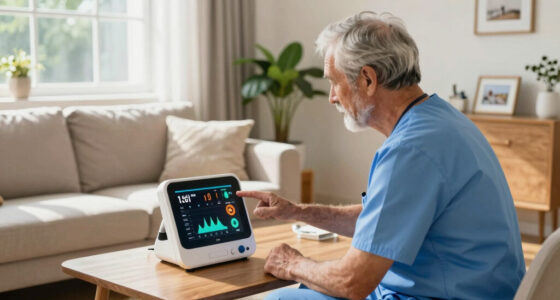
Empath Health has announced the launch of new dementia care services aimed at tackling frontline healthcare crises and reducing avoidable hospitalizations among dementia patients. The initiative, revealed in March 2024, seeks to improve patient outcomes while easing pressure on emergency and acute care systems. The development is significant for caregivers, healthcare providers, and policymakers concerned with dementia care and hospital readmission rates.
The new services from Empath Health focus on early intervention, community-based support, and crisis management tailored specifically for individuals living with dementia. While the organization has not disclosed detailed program specifics, sources indicate that these services include expanded home visits, caregiver training, and rapid response teams designed to intervene before crises escalate to emergency hospital visits.
Empath Health officials stated that the initiative aims to address the increasing demand for dementia-related care, which has seen a spike in hospitalizations due to crises such as behavioral disturbances, medication mismanagement, and safety concerns. The launch aligns with broader healthcare efforts to shift from reactive emergency responses to proactive, community-centered care models.
Healthcare experts note that avoidable hospitalizations for dementia patients are a significant concern, often leading to longer stays, higher costs, and worse health outcomes. The new services are expected to reduce these incidents by providing timely support and intervention, although detailed data on expected impact is not yet available.
Impact on Healthcare System and Patient Wellbeing
This initiative by Empath Health matters because it addresses a critical gap in dementia care—preventing crises that lead to unnecessary hospital admissions. Reducing avoidable hospitalizations can lower healthcare costs, improve quality of life for patients, and reduce strain on emergency departments. It also supports caregivers by providing them with resources and timely assistance, potentially decreasing caregiver burnout and institutionalization rates.
As dementia prevalence continues to rise with aging populations, scalable community-based solutions like this are increasingly vital. If successful, Empath’s approach could serve as a model for broader adoption across healthcare systems nationwide, ultimately transforming dementia care delivery.
Popular right now

Bose QuietComfort Ultra Wireless Noise-Cancelling Headphones with Spatial Audio, Black

TCL QM64L 85-Inch QD-Mini LED 4K Smart Fire TV

TCL T7 Series 85-Inch 4K 144Hz QLED Smart Google TV
As an affiliate, we earn on qualifying purchases.
Rising Dementia Cases and Healthcare Strain
The launch occurs amid a backdrop of increasing dementia diagnoses, which have placed growing pressure on healthcare providers. According to recent estimates, millions of Americans live with dementia, and the number is expected to rise sharply in the coming decades. Hospitalizations related to behavioral issues, medication errors, and safety concerns are common, often leading to prolonged stays and higher costs.
While community-based programs have been advocated as a solution, implementation has been uneven, and many regions lack sufficient resources. Empath Health’s new services represent a strategic effort to fill this gap, though their long-term impact remains to be seen. Previous initiatives have shown that early intervention and caregiver support can reduce crises, but scaling such programs has been challenging.
Healthcare policymakers and providers are watching closely, as reducing avoidable hospitalizations for dementia patients is a priority for improving care quality and controlling costs.
Details of Program Implementation and Impact Unknown
It is not yet clear how extensive the new services will be, what specific metrics will be used to measure success, or how quickly results can be expected. Details about funding, staffing, and integration with existing healthcare systems remain undisclosed. Additionally, the long-term effectiveness of these interventions in reducing hospitalizations has yet to be demonstrated through data.
Monitoring and Evaluating Program Outcomes
Empath Health plans to roll out the services over the coming months, with initial data collection and evaluation to follow within a year. Healthcare authorities and patient advocacy groups will likely monitor the program’s impact on hospitalization rates, patient quality of life, and caregiver support. Further updates are expected as results become available and as the program potentially expands.
Key Questions
What specific services are included in Empath Health’s dementia program?
While detailed program specifics have not been publicly disclosed, the initiative reportedly includes expanded home visits, caregiver training, and rapid response teams aimed at crisis intervention.
How will success be measured for these new dementia services?
Metrics are not yet specified, but likely include reductions in hospitalizations, emergency visits, and caregiver stress levels, along with patient health outcomes.
When will the impact of these services be evaluated?
Initial evaluations are expected within the next 12 months, with ongoing monitoring to assess effectiveness and scalability.
Could this model be adopted by other healthcare providers?
If successful, the approach could serve as a scalable model for other organizations seeking to reduce avoidable hospitalizations among dementia patients.
Source: rss