
TL;DR

Turn quiet afternoons into listening time
- Thousands of audiobooks, podcasts and originals
- Listen on your phone, tablet or Echo — also offline
- Cancel anytime
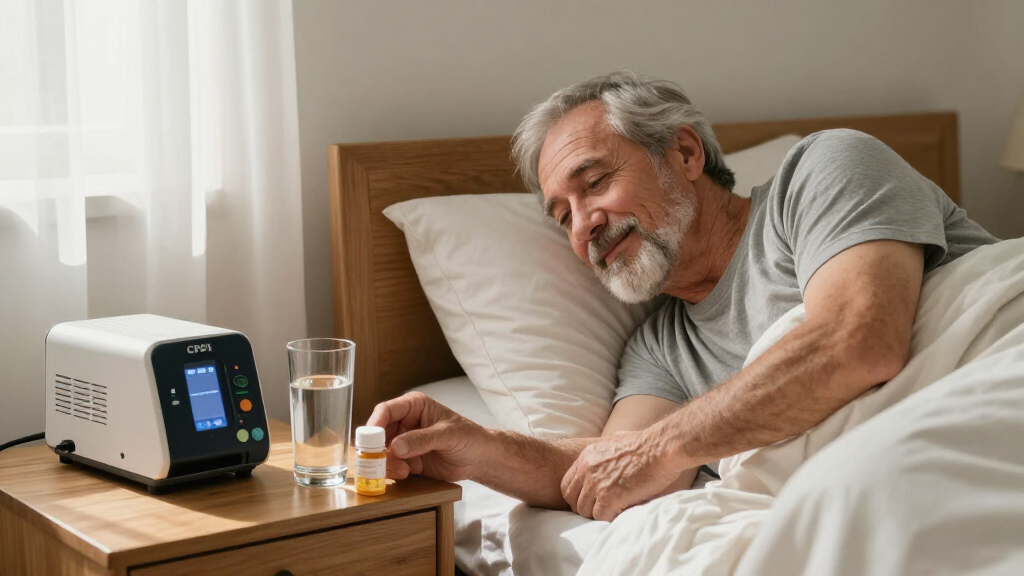
Researchers report that a new sleep apnea pill has reduced breathing interruptions by 44% in clinical trials, offering a potential alternative to CPAP therapy. The development is preliminary and further studies are needed.
Initial clinical trial results indicate that a new oral medication for sleep apnea has achieved a 44% reduction in breathing interruptions during sleep, potentially offering an alternative to the standard CPAP therapy. The findings, announced by researchers, could transform treatment options for millions affected by sleep apnea, pending further validation.
The medication, still in early-stage trials, was tested on a group of adult sleep apnea patients and demonstrated a 44% decrease in apnea and hypopnea events compared to baseline measurements. This represents a significant initial improvement, though the treatment’s long-term safety and efficacy are yet to be confirmed.
According to the research team, the drug works differently from existing therapies by targeting specific neurological pathways involved in breathing regulation during sleep. The trial involved a small sample size, and the results have not yet been peer-reviewed or published in a scientific journal.
Health experts emphasize that while these early results are promising, the medication is not yet available commercially, and additional studies are required to determine its safety profile, optimal dosage, and long-term effects. The potential to replace or supplement CPAP devices could be particularly impactful for patients who find CPAP uncomfortable or ineffective.
Potential Impact on Sleep Apnea Treatment Practices
If further trials confirm these findings, the new pill could significantly alter the landscape of sleep apnea management. Currently, continuous positive airway pressure (CPAP) remains the gold standard, but many patients struggle with compliance due to discomfort or inconvenience.
A successful oral medication would offer a more convenient, less intrusive option, potentially increasing treatment adherence and improving quality of life for millions. It could also reduce healthcare costs associated with device maintenance and related complications. However, the treatment’s long-term safety and effectiveness will determine whether it can replace or complement existing therapies.
Popular right now

TCL T7 Series 85-Inch 4K 144Hz QLED Smart Google TV

Ninja DualZone 6-in-1 Air Fryer, 8-Qt, Grey, DZ801

Ninja CREAMi 7-in-1 Ice Cream Maker, NC299AMZ
As an affiliate, we earn on qualifying purchases.
Rise in Search Interest and Early Treatment Developments
Search interest in sleep apnea treatments has been increasing recently, likely driven by ongoing developments in alternative therapies and patient demand for more comfortable options. The current standard, CPAP, has faced criticism over comfort and compliance issues, prompting research into pharmacological solutions.
While the recent trial results are promising, they are preliminary, and no new medications have yet been approved for widespread use. The development reflects a broader trend toward personalized and less invasive treatments for sleep disorders, but the field remains cautious until larger, peer-reviewed studies validate these early findings.
Unconfirmed Aspects and Next Research Steps
It is not yet clear whether the 44% reduction will be maintained in larger, more diverse populations or over longer periods. The safety profile, optimal dosing, and potential side effects remain to be fully assessed. Additionally, regulatory approval processes are still pending, and the medication has not been tested outside controlled clinical environments.
Upcoming Trials and Regulatory Review Timeline
Researchers plan to conduct larger, multi-center clinical trials over the next 12-24 months to validate these initial findings. If successful, the data will be submitted to regulatory agencies for approval, potentially paving the way for a new pharmacological treatment for sleep apnea. Meanwhile, medical professionals and patients await further results and official guidance.
Key Questions
Could this medication replace CPAP devices entirely?
It is too early to say. While initial results are promising, larger studies are needed to confirm safety and effectiveness before it can be considered a replacement for CPAP therapy.
What are the potential side effects of this sleep apnea pill?
Side effects are currently unknown, as the medication is still in early-stage trials. Future studies will need to evaluate safety thoroughly.
When might this medication become available to patients?
If subsequent trials are successful and regulatory approval is obtained, it could take several years before the medication is commercially available.
How does this new drug work differently from existing treatments?
The drug targets neurological pathways involved in breathing regulation during sleep, unlike CPAP devices which mechanically keep airways open.
Is this treatment suitable for all sleep apnea patients?
It is too early to determine which patient groups might benefit most. Further research will clarify its indications and limitations.
Source: rss