
TL;DR

Turn quiet afternoons into listening time
- Thousands of audiobooks, podcasts and originals
- Listen on your phone, tablet or Echo — also offline
- Cancel anytime
Germany has launched its annual flu vaccination campaign, focusing on vulnerable populations. Health officials stress the vaccine’s safety and effectiveness as flu cases rise. Details about vaccine availability and coverage are still emerging.
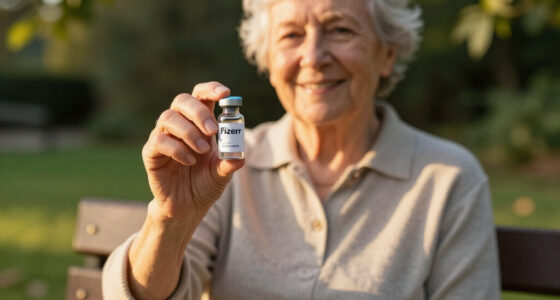
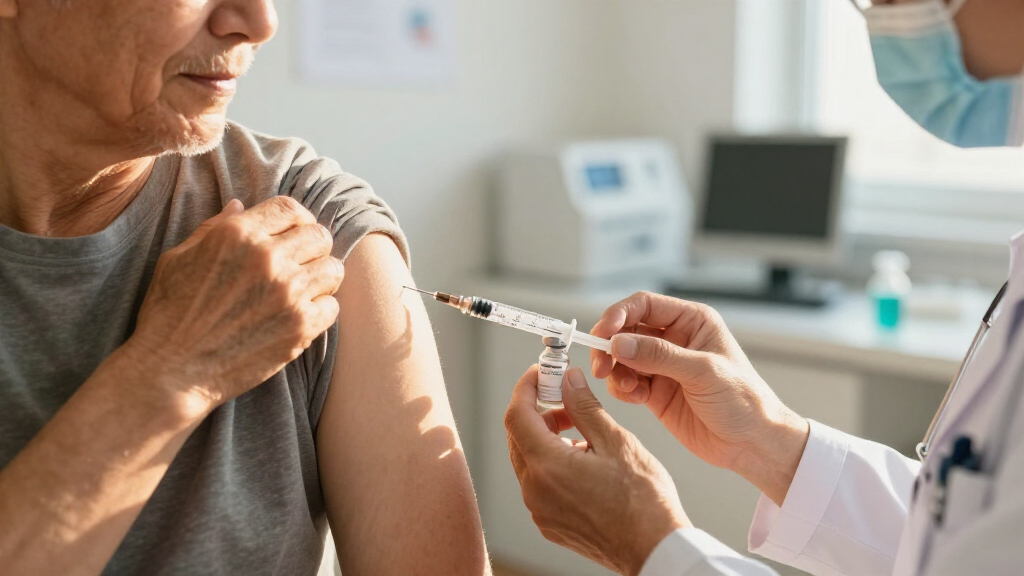
Germany has officially launched its annual influenza vaccination campaign, targeting vulnerable groups such as seniors, healthcare workers, and those with chronic illnesses. The campaign, announced by the Federal Ministry of Health on October 15, aims to curb the upcoming flu season amid rising infection rates and emphasizes the safety and effectiveness of the vaccines.
The German Federal Ministry of Health confirmed that vaccination clinics are now operational nationwide, with free vaccines available for priority groups. Health officials stated that the vaccines used this season are in line with European safety standards and have been approved by the European Medicines Agency.
According to the Robert Koch Institute, flu activity has increased in recent weeks, prompting authorities to intensify vaccination efforts. The campaign also includes public awareness initiatives to encourage vaccination among hesitant populations.
While vaccination is recommended for high-risk groups, health authorities advise that anyone over six months old can receive the vaccine. Details about the exact number of doses available and the distribution plan are still being finalized and will be communicated in the coming days.
Why the Seasonal Flu Vaccination Campaign Matters This Year
The launch of the vaccination campaign is significant because it aims to prevent a severe flu season, which can strain healthcare systems and increase hospitalizations. With rising flu cases in recent weeks, increasing vaccination coverage could reduce illness severity and protect vulnerable populations, including the elderly and chronically ill.
Experts emphasize that the flu vaccine not only protects individuals but also contributes to community immunity, reducing overall transmission. The campaign’s success could influence the severity of the upcoming flu season and lessen its societal and economic impacts.
As an affiliate, we earn on qualifying purchases.
Recent Trends and Background of Flu Vaccination in Germany
Germany has conducted annual flu vaccination campaigns for decades, with increasing emphasis in recent years due to the COVID-19 pandemic and the recognition of influenza as a persistent public health challenge. Last year’s campaign saw a vaccination rate of approximately 45% among high-risk groups, prompting authorities to aim for higher coverage this season.
The influenza vaccine is updated annually to match circulating strains, and health agencies recommend vaccination starting in early October to ensure protection during peak flu activity, which typically occurs between December and February.
Previous seasons have been characterized by variable severity, but experts warn that an early rise in flu cases this year suggests a potentially intense season if vaccination coverage remains low.
“Vaccination remains the most effective way to prevent severe influenza complications. We urge everyone in high-risk groups to get vaccinated as early as possible.”
— Dr. Maria Schmidt, Head of the Robert Koch Institute
As an affiliate, we earn on qualifying purchases.
Uncertainties About Vaccine Coverage and Public Response
It is still unclear how many people will receive the vaccine this season, as official coverage estimates are pending. Public willingness to get vaccinated remains uncertain, especially among hesitant groups.
Additionally, details about vaccine supply levels and distribution logistics are still being finalized, with some regions potentially facing delays or shortages.
As an affiliate, we earn on qualifying purchases.
Next Steps for the Flu Vaccination Campaign and Monitoring
Health authorities will continue to distribute vaccines nationwide and monitor vaccination rates. They plan to launch further public awareness campaigns to boost uptake, especially targeting hesitant populations.
Officials will also track flu activity levels closely through surveillance systems and provide updates on vaccine coverage and effectiveness throughout the season.
Further announcements regarding vaccine availability and specific vaccination sites are expected in the coming days.
As an affiliate, we earn on qualifying purchases.
Key Questions
Who should get the flu vaccine this year?
The vaccine is recommended for high-risk groups, including seniors, healthcare workers, pregnant women, and individuals with chronic health conditions. It is also suitable for anyone over six months old.
Is the flu vaccine safe?
Yes, the vaccines used this season have been approved by the European Medicines Agency and are considered safe. Common side effects are usually mild, such as soreness at the injection site or mild fever.
When should I get vaccinated?
Health authorities advise getting vaccinated as early as possible, ideally in October, to ensure protection during peak flu season, which typically occurs from December to February.
Will the vaccine cover all circulating flu strains?
The vaccine is formulated annually to match the most common circulating strains, but its effectiveness can vary depending on how well the strains match. Nonetheless, vaccination remains the best protection available.
How can I find a vaccination site near me?
Local health authorities are providing information on vaccination clinics through official websites and public health notices. Citizens are encouraged to check their regional health services for details.
Source: google-trends
Fall Picks
fall essentials
As an affiliate, we earn on qualifying purchases.