
TL;DR

Turn quiet afternoons into listening time
- Thousands of audiobooks, podcasts and originals
- Listen on your phone, tablet or Echo — also offline
- Cancel anytime
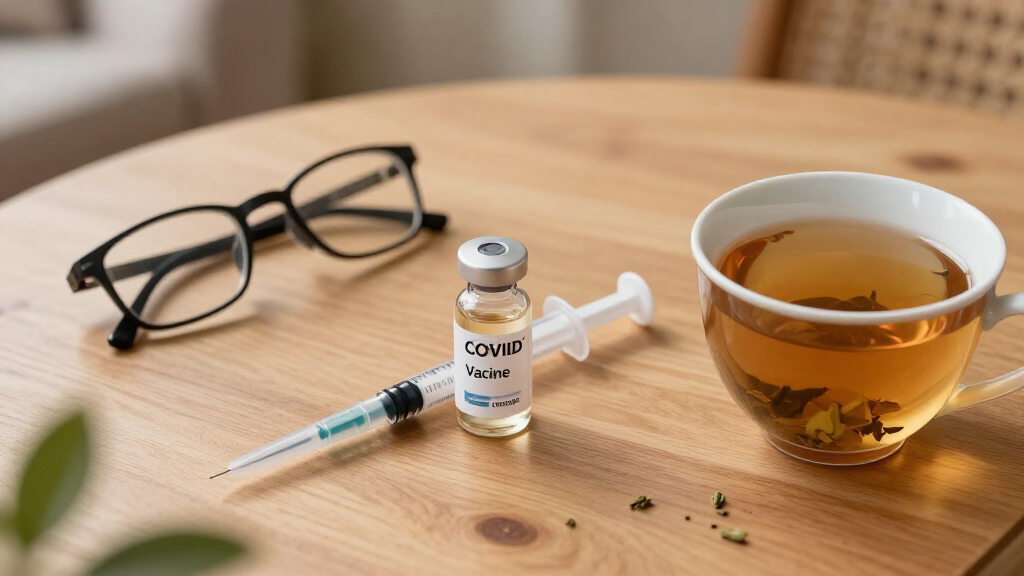
New Covid vaccines are expected to be available for fall 2026, with health authorities preparing updated formulations. While specific details are still emerging, experts emphasize the importance of vaccination for ongoing pandemic management.
Health officials and vaccine manufacturers are preparing for the rollout of new Covid vaccines scheduled for fall 2026, amid ongoing concerns about virus variants and vaccine effectiveness. While specific formulations and approval timelines are still unconfirmed, experts emphasize the importance of updated vaccines in managing COVID-19’s evolving threat.
According to sources familiar with ongoing developments, vaccine manufacturers are in the process of developing updated Covid-19 vaccines intended for the fall 2026 season. These vaccines are expected to target circulating variants and improve immunity, similar to previous annual updates. Regulatory agencies, including the U.S. Food and Drug Administration (FDA) and the European Medicines Agency (EMA), are actively reviewing data to authorize these formulations, though formal approvals have not yet been granted.
Health authorities are also coordinating distribution plans, with initial supplies anticipated to be available by late summer or early fall 2026. The vaccines are expected to be administered as booster shots, especially for vulnerable populations, to enhance protection against new variants. The exact composition of the vaccines remains under review, with some reports suggesting they may include updates to target specific mutations observed in recent strains.
Public health officials continue to monitor the virus’s evolution, emphasizing that vaccination remains a key tool in reducing severe illness, hospitalizations, and deaths. The development process is ongoing, and details such as vaccine efficacy, safety data, and specific formulations are still being finalized and are expected to be announced closer to the rollout period.
Why Updated Covid Vaccines for 2026 Matter
The upcoming Covid vaccines for fall 2026 are significant because they aim to address the virus’s ongoing evolution and improve immunity among populations. As new variants continue to emerge, updated vaccines could help prevent severe illness and reduce the burden on healthcare systems. For the public, this means maintaining protection through annual or seasonal vaccination, similar to flu shots. The development also reflects ongoing efforts by health authorities to adapt vaccination strategies to the changing landscape of the pandemic, emphasizing the importance of staying current with booster shots to mitigate future outbreaks.
Popular right now

Dyson Ball Animal 3 Upright Vacuum

Breville Bambino Espresso Machine, Brushed Stainless Steel (BES450BSS)

Vitamix 5200 Professional-Grade Blender, 64 oz. Container, Black
As an affiliate, we earn on qualifying purchases.
Background on Covid Vaccine Updates and Seasonal Planning
Since the initial rollout of Covid vaccines in 2020, vaccine formulations have been periodically updated to target circulating variants. The fall 2023 and 2024 seasons saw the introduction of bivalent boosters aimed at Omicron subvariants, which helped improve protection but did not fully prevent breakthrough infections. As the virus continues to mutate, health agencies worldwide have signaled plans for annual or semi-annual updates, similar to influenza vaccines. The development of vaccines for fall 2026 is part of this ongoing effort, with the goal of maintaining immunity and preventing severe outcomes.
While the exact formulations remain under review, the process is informed by genomic surveillance, vaccine efficacy data, and safety assessments. The timing of these updates is critical for ensuring availability before the typical start of the flu and cold seasons, when respiratory viruses tend to circulate more widely.
Interest in the new vaccines has surged amid reports of emerging variants and ongoing public concern about COVID-19’s long-term impact. However, the precise details of the formulations and approval timelines are still unconfirmed, and health authorities are urging caution until official announcements are made.
Unconfirmed Details on Vaccine Composition and Approval Timeline
While preparations are underway, specific details about the exact vaccine formulations, efficacy data, and approval timelines remain unconfirmed. It is not yet clear which variants will be targeted or whether the vaccines will be broadly protective against multiple strains. Additionally, the timeline for regulatory approval and distribution logistics is still uncertain, with official announcements expected closer to the fall season.
Next Steps in Vaccine Development and Public Communication
In the coming months, vaccine manufacturers will finalize formulations and submit data to regulatory agencies for approval. Authorities are expected to review safety and efficacy data, with official approvals likely to be granted in late summer or early fall 2026. Public health agencies will then coordinate distribution plans, including prioritization of vulnerable groups, and launch communication campaigns to inform the public about the new vaccines. Monitoring of virus evolution and vaccine performance will continue to guide updates and booster recommendations.
Key Questions
When will the new Covid vaccines be available for the fall 2026 season?
While exact dates are not yet confirmed, initial supplies are anticipated to be available by late summer or early fall 2026, pending regulatory approval.
Will the new vaccines target specific variants?
It is likely that the vaccines will be formulated to target circulating variants, but specific details are still under review and have not been officially announced.
Who should get the updated Covid vaccines?
Health authorities are expected to recommend booster shots for vulnerable populations first, including older adults and immunocompromised individuals, similar to previous years.
Are the new vaccines expected to be more effective than previous versions?
Preliminary data suggests that updated formulations aim to improve protection, especially against new variants, but final efficacy results will be available after regulatory review.
What are the main uncertainties about the upcoming Covid vaccines?
Key uncertainties include the exact formulation, efficacy against future variants, approval timelines, and distribution logistics, all of which remain unconfirmed at this stage.
Source: rss