
TL;DR
Listen free for 30 days with Audible
Thousands of audiobooks and originals — cancel anytime.
Start your free trialAs an affiliate, we earn on qualifying purchases.
Easy-to-use medical alert systems focus on simplicity, reliability, and portability. Features like large buttons, GPS, and fall detection make them vital for safety, especially for seniors and disabled users. Costs range from $20 to $50 monthly, with many devices working without landlines and offering cellular connectivity.
Picture this: you’re in your 70s, feeling confident about managing daily life. But what if an emergency strikes—like a fall or sudden health issue? You want quick help, but complicated devices or confusing buttons can make you hesitate. That’s where easy-to-use medical alert systems come in. They’re designed to be simple, reliable lifelines—giving you peace of mind without the frustration.
In this article, you’ll learn what makes these systems truly user-friendly. Plus, we’ll explore the latest tech innovations that make them more dependable and portable than ever. Whether you’re shopping for a loved one or yourself, understanding these features helps you pick the right device for real safety and independence.
Choose systems with large, simple buttons and minimal setup for quick activation in emergencies.
Latest tech like GPS and fall detection make devices more reliable and suitable for outdoor use.
Cellular-connected devices offer flexibility and better coverage, especially outside the home.
Cost ranges from $20 to $50 monthly, with advanced features increasing the price.
Practice and familiarity are key—know how your device works before an emergency strikes.
What Makes a Medical Alert System Easy to Use? Think Simple, Act Fast
Easy-to-use medical alert systems are built around one goal: quick, effortless help in emergencies. They feature large, clearly labeled buttons that you can press even with shaky hands or limited dexterity. Many devices are lightweight and comfortable, so you forget you’re even wearing them until you need them.
For example, some systems have a single big button that activates an emergency response—no confusing menus or tiny icons. Setup is often just plug-and-play, with minimal steps. This simplicity makes all the difference when seconds count, especially if you’re feeling overwhelmed or disoriented in a crisis.
Think of it like a car with big, easy-to-find controls—you don’t want to hunt for the horn or turn signals when you’re panicked. The same applies here. An intuitive design ensures you or your loved one presses the right button, every time.
Why it matters: In emergencies, stress and physical limitations can impair your ability to operate complex devices. A straightforward design reduces the risk of mistakes, ensures faster response times, and ultimately can be the difference between getting help promptly or facing delays that could worsen outcomes. The tradeoff, however, is that simplified devices may lack some advanced features, but the core priority remains quick, reliable access to emergency assistance.
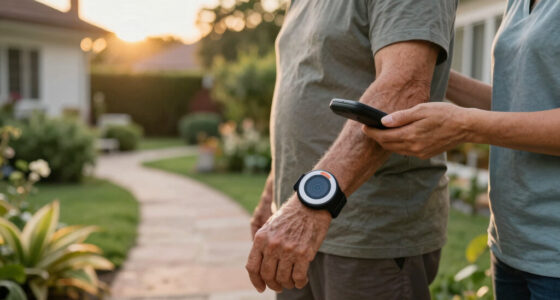
easy-to-use medical alert system with large buttons
As an affiliate, we earn on qualifying purchases.
As an affiliate, we earn on qualifying purchases.
Reliability Matters: How These Devices Keep You Safe When It Counts
A medical alert system isn’t just about easy buttons; it’s about dependable communication. When you press the button, you need a quick, clear connection to help. Many systems use two-way voice, so you can talk directly to responders without trying to navigate a menu or shout loudly.
Coverage is critical. Some devices work on landline connections, but more popular now are cellular-based systems. They give you freedom: wear the device outdoors, run errands, or enjoy a walk—no wires needed. Plus, the best models respond within seconds, ensuring help arrives fast.
Imagine falling in a park. A reliable device with GPS and cellular connection can pinpoint your location instantly and send help. This reliability is crucial because delays due to poor connectivity can have serious consequences, especially in remote areas or in situations where every second counts. The tradeoff is that cellular systems may have higher monthly costs or require a good signal, but the peace of mind they provide is well worth it. Reliable communication isn’t just about technology; it’s about trust—trust that help will come when needed, without fail.
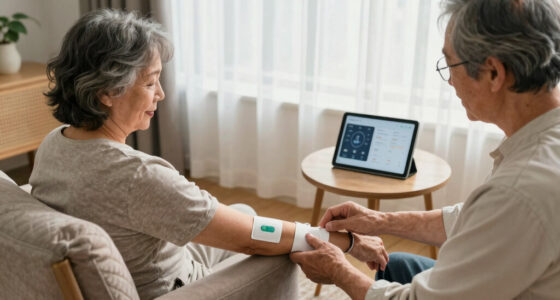
GPS medical alert device for seniors
As an affiliate, we earn on qualifying purchases.
As an affiliate, we earn on qualifying purchases.
Features That Make a Difference: What to Look for in a User-Friendly Device
Not all medical alert systems are created equal. Here’s a quick checklist of features that boost ease of use and safety:
- Large, Simple Buttons: Big enough to press easily, even with limited strength or dexterity.
- Minimal Setup: Plug-and-play devices that require no complicated installation.
- Clear Instructions: Voice prompts or simple visual cues guide the user.
- Portable and Lightweight: Easy to carry on walks or outings without feeling bulky.
- Long Battery Life: Devices that last at least 24 hours, with alerts for low power.
- Wireless Options: Cellular connectivity eliminating the need for landlines.
- Additional Safety Features: Fall detection, GPS tracking, and voice activation.
Why it matters: These features are not just conveniences—they are critical for ensuring prompt and effective assistance. Large, simple buttons reduce activation errors during stress, while minimal setup means the device is ready to use immediately when needed. Portability and long battery life ensure the device is available when you are outside the home, supporting active lifestyles. Fall detection and GPS are safety-enhancing technologies that can automatically summon help, even if you can’t press the button. The tradeoff involves cost and complexity; more features often mean higher prices, but they significantly increase safety and peace of mind.
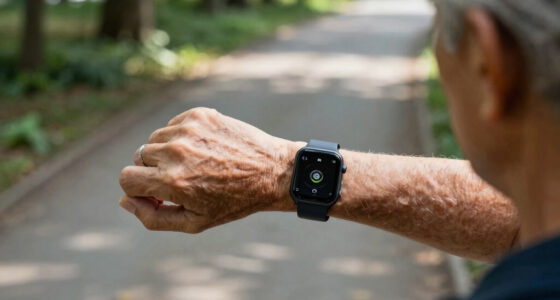
fall detection medical alert system
As an affiliate, we earn on qualifying purchases.
As an affiliate, we earn on qualifying purchases.
The Latest Tech That Makes Medical Alert Systems Smarter and Simpler
Recent tech advances have transformed what these devices can do—and how simple they are to use. For instance, GPS tracking now pinpoints your location within a few yards, perfect for outdoor adventures or trips to the park. This means responders find you faster, even if you’re not at home.
Fall detection sensors are now more sophisticated. They automatically trigger alerts if you fall, even if you can’t press a button. This is a game-changer for users with mobility issues or those who worry about forgetting to activate the device.
Smartphone compatibility adds another layer. Many systems sync with apps, letting family members or caregivers monitor activity or send emergency alerts discreetly. Voice-activated devices respond to simple commands, making help accessible even for those with limited dexterity.
Wireless, cellular-connected devices are now the norm, removing the need for landlines. Plus, integration with smart home systems allows users to control lights or locks with voice, creating a safer, more connected environment.
Imagine a device that detects a fall, automatically sends your location via GPS, and calls for help—all while you’re outside. That’s the future of easy-to-use medical alert tech.
Why it matters: These technological innovations significantly improve ease of use and safety. GPS and fall detection reduce reliance on user activation, which is crucial for those with mobility or cognitive challenges. Smartphone integration allows for remote monitoring, giving family members peace of mind. Voice activation simplifies operation for users with limited dexterity. The tradeoff is that these advanced features can increase costs and complexity, but they offer unparalleled safety and independence benefits.
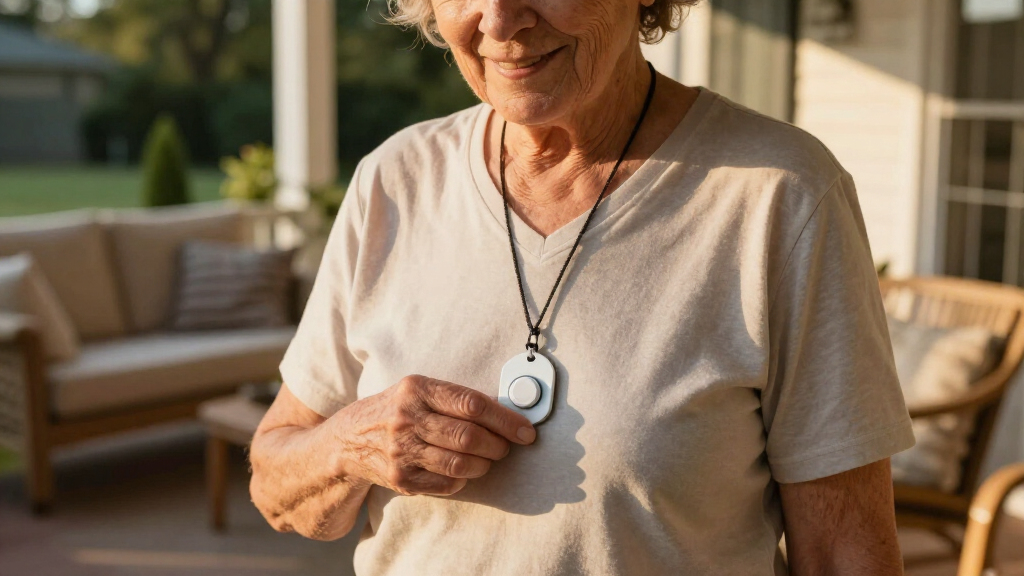
cellular medical alert system for elderly
As an affiliate, we earn on qualifying purchases.
As an affiliate, we earn on qualifying purchases.
What Do These Features Cost? Breaking Down the Price Tags
Cost varies widely, but most reliable systems fall in the $20 to $50 per month range. Basic models with just a button and landline connection are often on the lower end—around $20. More advanced options with GPS, fall detection, and cellular connectivity typically cost closer to $40 or $50.
For example, a popular portable device with GPS and fall detection might be $35/month, with an initial setup fee of $50. Meanwhile, stationary systems for home use without GPS are usually around $20/month.
Always check what’s included. Some plans bundle monitoring, device replacement, and emergency response, while others charge extra for features like GPS or fall detection. Transparency is key—no hidden fees or surprise charges.
Think of it like insurance: paying a little more for comprehensive coverage can save your life or prevent a serious injury. Your safety is worth it.
Implication: While higher costs might seem daunting upfront, investing in a more capable system can prevent costly emergencies down the line. The tradeoff involves balancing budget with safety needs; a basic device might suffice for low-risk individuals, but those with higher safety concerns benefit from more advanced features despite the added expense.
Can You Use These Systems Outside the House? Yes, and Here’s Why It Matters
Absolutely, many modern medical alert systems are designed for outdoor use. Devices with GPS and cellular connections allow you to wear or carry them anywhere—whether you’re grocery shopping, walking in the park, or visiting friends.
Imagine a senior taking a morning walk. Their portable device detects a fall or they feel unwell. It automatically sends help, pinpointing their exact location. No need to rush home or stay within Wi-Fi range.
These portable systems with GPS are especially valuable for active seniors or those with dementia who might wander. They provide peace of mind, knowing help is just a press or even an automatic alert away, wherever you are.
Some devices are waterproof or water-resistant, perfect for outdoor adventures or even shower safety. This flexibility helps maintain independence without sacrificing safety.
Why it matters: Extending safety beyond the home allows individuals to maintain active lifestyles and independence. GPS-enabled devices empower users to venture out confidently, knowing help can be summoned quickly if needed. The tradeoff is that portable, GPS-capable devices tend to be more expensive and require reliable cellular coverage, but the benefits in safety and freedom are substantial.
Do You Need a Landline? Not Anymore — Cellular Devices Lead the Way
Many people think landlines are a must for medical alert systems, but that’s no longer true. Today, cellular-connected devices are common and often more convenient. They work anywhere with cellular coverage, making setup easier and more flexible.
For example, a senior living in a rural area might struggle with unreliable landlines. A cellular system ensures they stay connected, whether at home or out gardening.
Plus, no messy wires or installation hassles. Just turn on the device, and it’s ready to go. Some models even have minimal setup requirements, making them perfect for tech-shy users.
Why it matters: Cellular systems provide greater flexibility and reduce dependency on fixed infrastructure. They can be installed quickly and moved easily, making them ideal for active users or those in areas with unreliable landline service. The tradeoff is that cellular plans may incur ongoing costs, but the increased coverage and independence often outweigh these considerations.
What Should You Do When an Emergency Happens? Easy Steps to Stay Calm
When a crisis hits, your goal is quick, effective help. If your device has a button, press it firmly—most are designed for easy activation even in panic. If fall detection is enabled, the device will automatically alert responders.
Once connected, clearly state your situation if possible. Stay calm and follow any instructions from responders. If you’re outside and unable to speak, your device’s GPS can help emergency teams locate you fast.
Remember, practice makes perfect. Encourage loved ones to understand how your system works so they can help if needed. Familiarity reduces panic and speeds up response time.
In short: press or wait for fall detection, stay calm, and let the system do its job—help is on the way.
Why it matters: Knowing exactly how to respond during an emergency reduces chaos and ensures help arrives promptly. Regular practice and clear communication are crucial, as they build confidence and reduce hesitation in real situations. The tradeoff is that over-reliance on automatic features like fall detection might lead to false alarms, so understanding your device’s capabilities and limitations is essential for effective use.
Conclusion
Modern medical alert systems turn safety into simplicity. They’re no longer bulky gadgets with confusing buttons—they’re intuitive, portable lifelines that fit seamlessly into daily life.
When choosing one, prioritize ease of use, reliable connectivity, and features like GPS and fall detection. A little investment now can bring peace of mind and independence for years to come. Remember, the best device is the one you trust to keep you safe when it matters most.
College move-in / dorm season Picks
dorm essentials
As an affiliate, we earn on qualifying purchases.