
TL;DR
Listen free for 30 days with Audible
Thousands of audiobooks and originals — cancel anytime.
Start your free trialAs an affiliate, we earn on qualifying purchases.
An effective emergency contact list for a medical alert system includes trusted family, friends, healthcare providers, and legal reps. Regular updates and modern tech ensure quick, reliable communication during emergencies.
Imagine your phone ringing in the middle of the night. It’s an emergency. The question is: who picks up? Your medical alert system is only as good as the contacts stored within it. If they aren’t the right people, response times slow down, and help might not come fast enough.
In this guide, you’ll learn exactly who should be on your emergency contact list. We’ll cover trusted family members, friends, healthcare providers, and even legal guardians. Plus, we’ll explore how modern tech helps keep your contacts accurate and responsive—so you’re prepared, no matter what.
Choose a primary contact who knows you well, is available 24/7, and can respond quickly.
Include 2-3 trusted contacts—family, friends, neighbors—for redundancy and peace of mind.
Regularly review and update your contact list to keep it current and reliable.
Leverage digital tools to manage and update contacts instantly, ensuring no one gets left out.
Always obtain consent from your contacts and be mindful of privacy laws to protect everyone involved.
Who belongs on your emergency contact list?
A medical alert system is only as effective as the people it can reach. Build a responsive safety web with trusted contacts who know your needs, understand their roles, and are ready when the unexpected happens.
Your five contact roles
Start with the person most capable of taking immediate action, then add contacts who close gaps in location, medical knowledge, caregiving, and legal authority.
Primary contact
A spouse, adult child, parent, or caregiver who knows routines and medical needs and can respond quickly.
Family member
A reliable relative who can step in when the primary contact is unavailable, traveling, or too far away.
Friend or neighbor
Someone local who can reach the home quickly, check the scene, unlock a door, or meet responders.
Healthcare provider
A physician or specialist who can supply relevant history or condition-specific information. This is usually a support contact, not the first responder.
Legal or facility representative
A power of attorney, guardian, assisted-living employee, or designated staff member who can make decisions or coordinate care.
Why 2–3 is the sweet spot
One person creates a single point of failure. A short, deliberately ordered list improves coverage while keeping communication fast and accountable.
Match the person to the job
The best list is not simply a directory of loved ones. It assigns each contact a practical role based on response speed, knowledge, proximity, and authority.
| Contact type | Fast local response | Knows medical history | Can make decisions | Best position |
|---|---|---|---|---|
| Spouse / caregiver | ✓Often | ✓Strong | ✓If authorized | Primary |
| Adult child / family | ~Varies | ✓Usually | ~Varies | Primary or backup |
| Friend / neighbor | ✓Strong | ~Basic | ~Limited | Nearby backup |
| Healthcare provider | ~Not typical | ✓Clinical | ~Clinical scope | Medical support |
| POA / legal guardian | ~Varies | ~As shared | ✓Strong | Decision support |
| Facility staff | ✓On-site | ✓Care records | ~Role-based | Location-specific |
From alert to action
Apps and online portals can keep details current, route alerts through several channels, and attach personalized instructions to the right contact.
Alert triggered
A wearable button, fall-detection sensor, or base station sends the signal.
Details matched
The system connects the alert with stored contacts, location, and instructions.
Contacts notified
Calls, text messages, or app alerts can reach several approved people quickly.
Help coordinated
The first available responder acts while backups and emergency services stay informed.
Review before life changes do
Contact lists become stale when people move, change numbers, travel, or can no longer serve. A brief recurring review protects the entire response chain.
Five links, one outcome
A dependable response emerges when good contact choices, clear permission, accurate information, fast notification, and coordinated action all connect.
Why Your Primary Contact Should Be Someone Who Knows You Best
Your primary contact is the first line of help—usually a spouse, adult child, or a close family member. This person needs to respond quickly and understand your needs. For example, if you fall and can’t call out, your primary contact should be someone nearby, who knows your medical history and routines.
Think of this as your safety anchor. They should be available 24/7, trustworthy, and comfortable making decisions if you’re unable to. Regularly check in with them to confirm they’re still willing and able to respond in an emergency.

LogicMark Freedom Alert, Landline Personal Emergency Device, 2-Way Call with Family and Police for Home Safety, Device for Seniors and The Elderly
- Home Safety with 2-Way Communication: Connects with family and emergency services
- Landline-Based Emergency Device: Uses existing landline for reliable connection
- Two-Way Voice Pendant: Full communication with loved ones or responders
As an affiliate, we earn on qualifying purchases.
As an affiliate, we earn on qualifying purchases.
How Many Contacts Do You Really Need? The Goldilocks Number
Most experts say 2-3 contacts strike the perfect balance. Too few, and you risk leaving someone out or losing help if one person is unavailable. Too many, and it becomes overwhelming to keep everyone updated.
For example, you might choose your spouse, an adult child living nearby, and a close friend who checks in regularly. This way, if one is unreachable—say, they’re traveling—another is ready to respond.
Having multiple contacts creates a safety net, especially in emergencies that happen during odd hours or when your primary contact is unavailable.

Safety+ 4G Medical Alert System: Fall Detection, GPS Location, 24/7 Monitoring, Mobile Caregiver App, Small, Lightweight-Call to Activate Wireless Call Button, Personal Safety, Wearable Panic Button
- Includes First Month Service: Activate easily with first month included
- 24/7 Nationwide Emergency Monitoring: Support at home and on the go
- Automatic Fall Detection: Detects falls and alerts monitoring center
As an affiliate, we earn on qualifying purchases.
As an affiliate, we earn on qualifying purchases.
Who Else Should You Add? Trustworthy Friends, Healthcare Providers, and Legal Guardians
Beyond family, consider trusted friends or neighbors who can respond if loved ones aren’t reachable. For example, a neighbor who checks on you daily or a close friend who lives nearby can be lifesavers.
Including healthcare providers—your primary care doctor or specialists—can be helpful if they have critical info about your condition. For instance, if you have diabetes or heart issues, their quick input might guide emergency responders.
Legal representatives, like a power of attorney or legal guardian, are essential if you’re unable to make decisions. They can authorize treatment or access medical records, ensuring your wishes are respected.
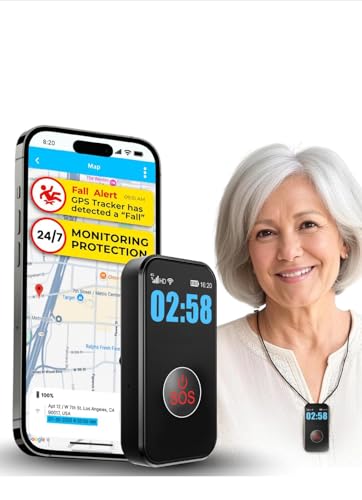
SecuLife Medical Alert Pendant for Seniors — Alerts Go Direct to Family, No Call Center | Auto Fall Detection, GPS Tracking, 2-Way Calling, No Contract, Waterproof Necklace
- Medical Alert Pendant with Fall Detection: Automatically detects falls and alerts contacts
- Easy Activation with Monthly Subscription: $20/month for unlimited alerts and tracking
- Two-Way Call Button: One-touch emergency calls with hands-free auto-answer
As an affiliate, we earn on qualifying purchases.
As an affiliate, we earn on qualifying purchases.
How Modern Tech Makes Managing Emergency Contacts Easier
Today’s medical alert systems often connect to apps or online portals where you can update your contacts instantly. Imagine changing your primary contact from a parent to a new caregiver—done in seconds, with no need to reprogram the device manually.
Some systems support multiple layers of contacts—like healthcare providers, emergency services, and family—so everyone stays in the loop at once. Automated alerts can notify all contacts via calls, texts, or app notifications when you need help.
Plus, data privacy features now keep your info safe, complying with laws like HIPAA. This means your medical data and contacts stay secure, even if stored digitally.

Life Alert Systems for Seniors No Monthly Fee App-Controlled, Medical Alert Systems for Seniors with 2Call Button1Waterproof Wristband 1Receiver and1-6 LED Number Display (Only Supports 2.4GHz Wi-Fi)
- Waterproof Wrist Remote: Wearable remote control for safety
- Remote Care for Elderly: Connects to phone for alerts
- Reliable Dual Channel: WiFi and wireless signals up to 300ft
As an affiliate, we earn on qualifying purchases.
As an affiliate, we earn on qualifying purchases.
Review and Update Your Contact List Regularly—Don’t Leave It Stale
Your emergency contacts aren’t set-it-and-forget-it. Life changes—people move, change phone numbers, or lose availability. Regularly reviewing your list keeps it current and reliable.
Set a reminder every 6 or 12 months. For example, if your adult child moves to a new city or your neighbor moves away, updating ensures responders always reach the right person.
Ask your contacts if they’re still willing to be part of your emergency plan. It’s a simple but vital step to maintaining your safety net.
Legal and Privacy Things to Keep in Mind
Always get permission before adding someone to your emergency contact list. Respect their privacy and inform them of their role. It’s a simple gesture that keeps trust intact.
Reputable systems encrypt your data and follow privacy laws. This means your personal and medical info is protected from unauthorized access, giving you peace of mind.
If someone declines to be on your list, respect that choice. You can still include backup contacts or emergency services to cover all bases.
Frequently Asked Questions
Who should I include on my emergency contact list for my medical alert system?
Include close family members like a spouse or adult children, trusted friends or neighbors, healthcare providers familiar with your medical history, and legal guardians or power of attorneys. These contacts are most likely to respond quickly and effectively during emergencies.
How many contacts should I list?
Most experts recommend 2-3 contacts—enough to cover different situations and times when one might be unavailable. This redundancy increases your chances of getting help promptly.
How often should I review and update my contact list?
At least once a year, or whenever your circumstances change—such as moving, changing phone numbers, or new caregivers. Keeping your list current ensures responders always have accurate info.
Can I include healthcare providers or specialists?
Yes, especially if they have critical info about your condition. Including their contact details can help emergency responders get immediate advice or access vital medical history if needed.
What if my contacts are unavailable during an emergency?
Consider adding backup contacts or emergency services to your list. Many modern systems can notify multiple people simultaneously, increasing the likelihood help arrives quickly.
Conclusion
Your emergency contact list isn’t just a list—it’s your safety web. By choosing trusted, available people, keeping it current, and using modern tech, you make help more likely to arrive fast and well-informed.
Remember, emergencies happen when you least expect them. Taking these simple steps ensures you’re prepared—so help can reach you, no matter what. After all, safety isn’t just about technology; it’s about the people you trust to look out for you.
Grilling season Picks
grills
As an affiliate, we earn on qualifying purchases.