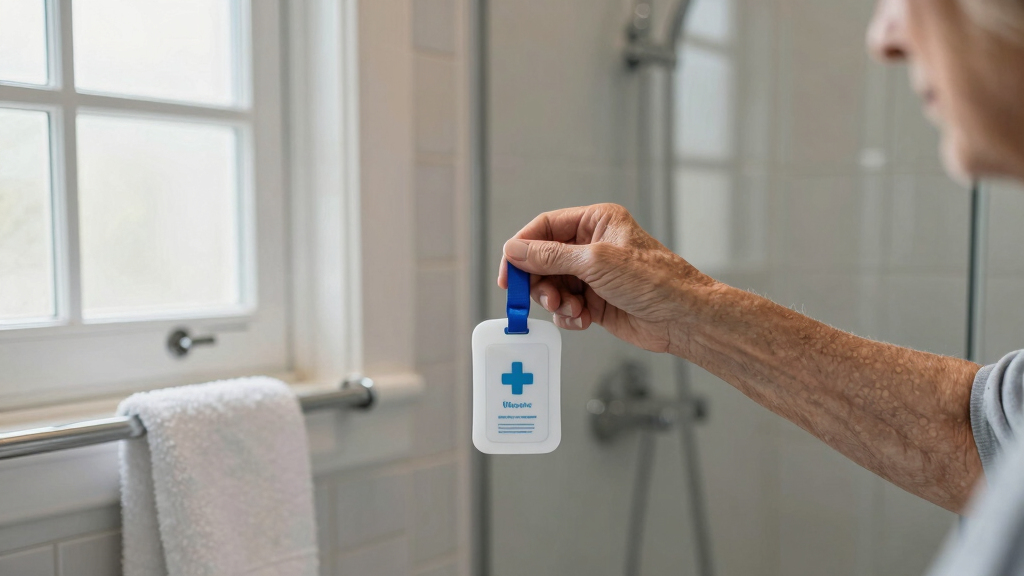

TL;DR
Open a free Amazon Business account
Business pricing, bulk buying and tax-exempt orders.
Create a free accountAs an affiliate, we earn on qualifying purchases.
Most modern medical alert systems with waterproof ratings can be worn in showers and baths. However, always check the specifications—especially IP ratings—before exposing your device to water. Proper maintenance and choosing waterproof models ensure safety and longevity.
Picture this: you’re in the shower, and your medical alert device slips off or stops working because it’s not waterproof. Frustrating, isn’t it? If you or a loved one rely on these devices, understanding their water resistance is a must. You want peace of mind—knowing your safety tech can handle the wettest moments of your day. This guide cuts through the confusion and explains what waterproof really means for medical alert systems, with real-world tips to keep your device functioning in the bathroom.
From ratings to practical advice, you’ll learn how to pick a device that survives showers, baths, and humidity. Because when it comes to safety and convenience, you shouldn’t have to choose between water and protection.
Always check the IP rating of your medical alert device—IP67 or higher is ideal for shower and bath use.
Waterproof devices can survive full submersion, making them reliable for wet environments.
Regular maintenance and inspections extend device life and maintain water resistance.
If your device isn’t waterproof, consider protective covers or upgrading to a water-rated model.
Never assume water-resistance means full waterproof protection—verify the specs before exposing your device to water.
Waterproof vs. Water-Resistant: What’s the Difference?
Let’s start with the basics. Waterproof means a device can be submerged in water without damage, which is crucial in environments like showers or baths where water exposure is inevitable. Water-resistant devices can handle splashes or brief contact with water but are not designed to withstand full immersion. This distinction matters because using a water-resistant device in the shower might lead to failure if water seeps into unsealed parts, potentially damaging electronics or reducing lifespan. Therefore, understanding these differences helps you make informed decisions—opting for waterproof devices when water exposure is frequent or unavoidable. The tradeoff is often cost or design complexity; waterproof devices tend to be more durable but may be slightly more expensive or bulkier. In essence, choosing the right level of water protection ensures safety without unnecessary expense or inconvenience.
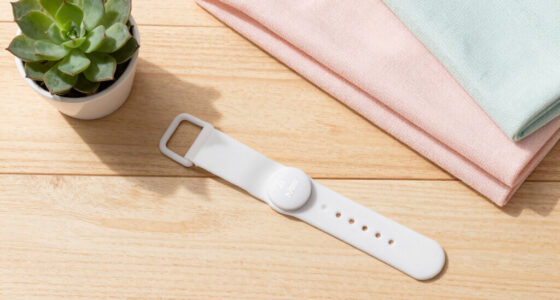
For example, most modern medical alert pendants are designed to be waterproof or water-resistant. Check the specs—if the device is rated IP67 or higher, it can typically handle your shower or bath time comfortably, providing peace of mind.

Life Alert System No Monthly Fee, Caregiver Pager Call Button for Elderly at Home, Medical Alert Systems for Seniors with App, Panic Button Alarm System, 2.4GHz WiFi Receiver, Necklace, Bracelet
- No Monthly Fee: Wi-Fi caregiver alert system for seniors
- App Notifications: Send alerts via app and receiver
- Easy Emergency Call: Suitable for various home locations
As an affiliate, we earn on qualifying purchases.
As an affiliate, we earn on qualifying purchases.
What Do IP Ratings Really Mean for Showering?
IP ratings are more than just technical jargon—they’re a vital indicator of how well a device can withstand water exposure in real-life situations. An IP67 rating, for example, signifies that the device can be submerged in water up to 1 meter deep for 30 minutes, which covers most shower scenarios. This means the device’s seals and materials are tested to prevent water ingress under these conditions. On the other hand, an IP55 rating indicates only protection against splashes and light sprays, not full immersion. This distinction is critical because it directly impacts your safety; relying on a device with a lower IP rating in the shower could result in water damage, malfunction, or reduced lifespan. The tradeoff is that higher IP-rated devices often come with a slightly higher cost or may be bulkier, but they offer peace of mind and durability. Understanding these ratings helps you evaluate whether a device meets your specific needs—whether you’re just splashing water during handwashing or expecting full submersion during bathing.
For instance, a medical alert pendant with an IP67 rating can survive accidental drops in the shower or brief immersion, making it a reliable choice for wet environments. Conversely, a device with an IP55 rating might be suitable only for light splashes, so it’s best to avoid exposing it to full water contact.
| Rating | Water Exposure | Suitable for |
|---|---|---|
| IP67 | Submerges up to 1 meter for 30 min | Showering, bathing, accidental drops |
| IP68 | Beyond 1 meter, specifics depend on manufacturer | Full immersion, swimming |
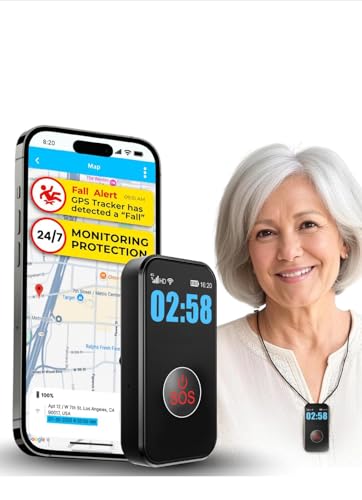
SecuLife Medical Alert Pendant for Seniors — Alerts Go Direct to Family, No Call Center | Auto Fall Detection, GPS Tracking, 2-Way Calling, No Contract, Waterproof Necklace
- Medical Alert Pendant with Fall Detection: Automatically detects falls and alerts contacts
- Easy Activation with Monthly Subscription: $20/month for unlimited alerts and tracking
- Two-Way Call Button: One-touch emergency calls with hands-free auto-answer
As an affiliate, we earn on qualifying purchases.
As an affiliate, we earn on qualifying purchases.
Can You Actually Wear Medical Alert Devices in the Shower?
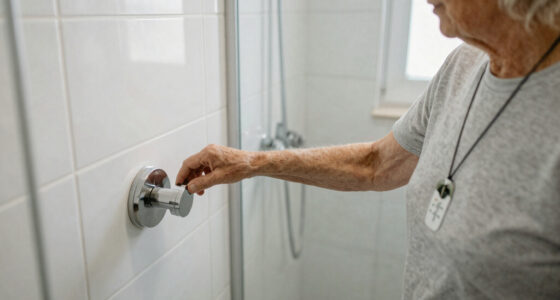
The short answer? Yes, if the device is rated waterproof (IP67 or higher). But why does this matter? Because water exposure can cause non-waterproof devices to malfunction or fail prematurely, leading to potential safety risks. Wearing a waterproof device in the shower ensures continuous protection during critical moments, especially if you’re prone to falls or emergencies. Many wristbands and pendants are built with waterproof materials like silicone or sealed plastics, making them safe for water exposure. This means you can shower without removing your device, maintaining constant access to help if needed. But remember—if your device isn’t rated waterproof, exposing it to water can damage the electronics or reduce its lifespan, possibly leaving you unprotected when you need it most. The implication is clear: verifying waterproof ratings isn’t just a technical detail; it’s a safeguard for your safety and peace of mind.
Pro tip: Always double-check the specs before wearing your device during water activities. When in doubt, keep it dry or covered to avoid accidental damage. The tradeoff here is between convenience and potential risk—using a waterproof device eliminates the worry, but if you opt for a non-waterproof device, you need to be extra cautious.
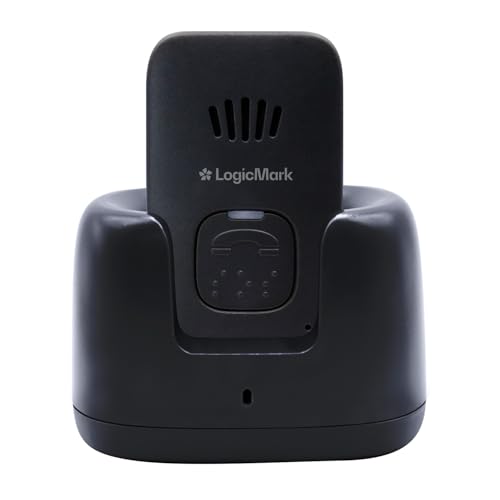
LogicMark Guardian Alert 911 Plus – No Monthly Fees, 2-Way Emergency Pendant for Seniors, with Fall Detection, Water Resistant, Direct 911 Connection Without a Landline
- No Monthly Fees: Operate without recurring charges
- 24/7 Emergency Protection: Immediate help at home or on the go
- Fall Detection Technology: Detects falls and alerts automatically
As an affiliate, we earn on qualifying purchases.
As an affiliate, we earn on qualifying purchases.
Frequently Asked Questions
Are all medical alert pendants waterproof?
No, not all. Many are designed to be water-resistant or waterproof, but it’s crucial to check the product specifications for an IP rating. If it’s IP67 or higher, it’s generally safe for showering and bathing.
Can I wear my medical alert device in the shower?
If your device is rated waterproof—typically IP67 or IP68—then yes, you can wear it in the shower. Otherwise, it’s best to keep it dry to prevent damage.
What should I do if my device isn’t waterproof but I want water exposure?
Use a waterproof cover or case designed for your device. Alternatively, consider upgrading to a model with a waterproof rating, ensuring reliable protection during water activities.
How do I know if my device is safe to wear in water?
Check the user manual or product specifications for its waterproof rating, usually indicated as IP67 or higher. Follow the manufacturer’s guidelines for water exposure.
Are waterproof medical alert systems more expensive?
They can be slightly more costly due to advanced features and materials, but prices vary widely. The investment is often worth it for peace of mind during water activities.

NARTGO Heart Medical Alert Blood Thinner Bracelet for Women Emergency First Aid Health Alert Engraved Stainless Steel Adjustable Chain Bracelets
- Medical Alert Identification: Quick recognition of medical conditions
- Durable Material: Stainless steel, waterproof, low-allergy
- Readable Engraving: Large, easy-to-read engraved words
As an affiliate, we earn on qualifying purchases.
As an affiliate, we earn on qualifying purchases.
Conclusion
When it comes to bathing safety, your medical alert system’s waterproof rating isn’t just a feature—it’s a lifeline. Choosing a device rated IP67 or higher means you can shower, bathe, and even swim with confidence. Remember, a quick check of the specs and proper maintenance keeps your device functioning when you need it most. Don’t let water catch you off guard—select waterproof, stay safe, and enjoy your daily routines worry-free.
Imagine a future where your safety device is as resilient as you are—ready for every splash, every steam, every moment of everyday life.
College move-in / dorm season Picks
dorm essentials
As an affiliate, we earn on qualifying purchases.