
TL;DR
Listen free for 30 days with Audible
Thousands of audiobooks and originals — cancel anytime.
Start your free trialAs an affiliate, we earn on qualifying purchases.
False alarms in fall detection systems often happen due to sensor limits, environmental triggers, or flawed algorithms. Recent advances like AI, sensor fusion, and personalization are helping to reduce these errors, making the technology more trustworthy.
Imagine hearing the alarm go off—only to find your loved one simply sat down quickly or bent over to pick something up. Frustrating, right? That’s the reality of false alarms in fall detection systems. These false alerts can cause unnecessary stress, waste emergency resources, and make users doubt the technology’s reliability.
In this guide, you’ll discover why false alarms happen, from sensor quirks to environmental triggers. More importantly, you’ll learn practical ways to cut down on these mishaps, so your safety system becomes a true help, not a source of frustration.
False alarms often stem from sensor sensitivity, environmental triggers, or algorithm misclassification.
Upgrading to multi-sensor systems and AI-powered detection can significantly reduce false positives.
Personalizing settings and regular calibration are simple yet effective ways to improve accuracy.
Placement matters: position sensors to minimize false triggers from pets or household activities.
Keeping the system updated ensures you benefit from the latest improvements in fall detection technology.
What causes false alarms in fall detection systems?
False alarms happen when the system mistakenly interprets normal movements or environmental factors as falls. This misinterpretation often stems from the inherent limitations of sensors and the way algorithms process data. For example, sensors may be overly sensitive to minor movements, or their placement might pick up vibrations from household activities, leading to false positives.
Understanding these causes is crucial because they directly impact the reliability of fall detection systems. If a system frequently produces false alarms, users may become desensitized or develop distrust, potentially ignoring real emergencies when they occur. This underscores the importance of refining sensor technology and algorithm accuracy to ensure alerts are meaningful and actionable.
Key causes include:
- Sensor sensitivity and placement: Excessively sensitive sensors or poor placement can pick up benign movements, resulting in false alarms. Proper calibration and strategic positioning are necessary to balance sensitivity with specificity.
- Environmental triggers: Rapid or unusual movements from pets, household chores, or even loud noises can be misread as falls. Recognizing and mitigating these triggers reduces unnecessary alerts.
- Algorithm flaws: Basic threshold-based algorithms may not differentiate well between normal activities and falls, especially in diverse environments or among different users. Advanced algorithms are needed to interpret data in context, filtering out false positives and ensuring true falls trigger alerts.
By understanding these factors, caregivers and users can make informed decisions about system configurations and expectations. This knowledge helps in selecting the right technology and settings, ultimately improving trust, reducing unnecessary alarms, and ensuring that when a fall truly occurs, the system responds accurately and promptly.

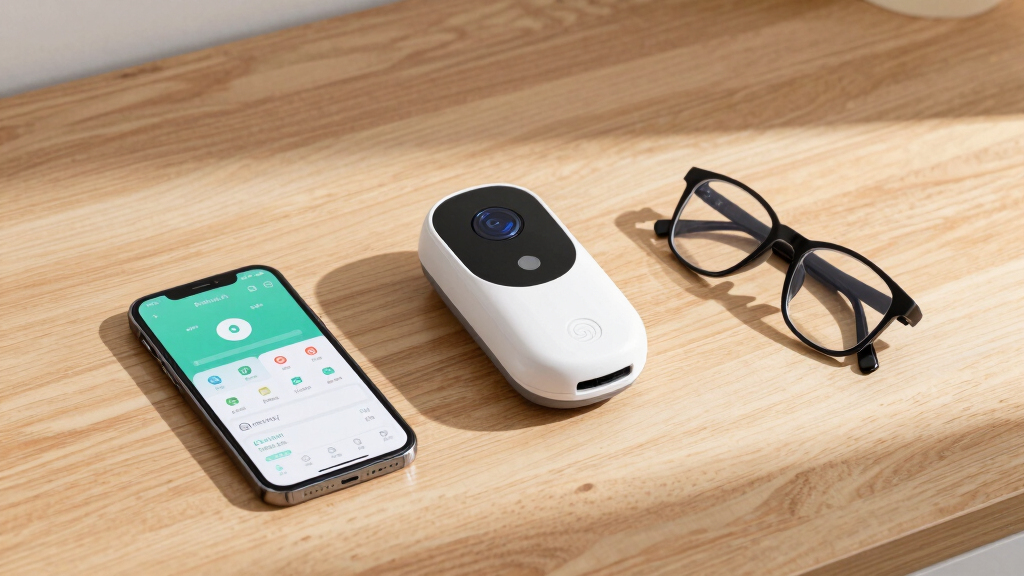
AltumView Sentinare Fall Detection & Activity Sensor, Privacy-Preserving Videoless Stick Figure View, Action Statistics, Medical Alert
- No Monthly Fee: All features available without subscription
- Wide Fall Detection Range: Detects falls up to 6 meters (20 feet)
- Pet-Friendly Detection: Detects falls without false alarms from pets
As an affiliate, we earn on qualifying purchases.
As an affiliate, we earn on qualifying purchases.
How recent tech improvements are cutting false alarms
Recent technological advancements have profoundly improved the accuracy of fall detection systems, making false alarms less frequent. These innovations address previous limitations by integrating multiple data sources and employing smarter algorithms. For example, sensor fusion combines signals from accelerometers, gyroscopes, and barometers, creating a comprehensive picture of movement that helps distinguish actual falls from benign actions.
Artificial intelligence (AI) and machine learning have further enhanced detection by training models on large datasets that include a variety of fall and non-fall scenarios. These models learn to recognize subtle differences, such as the difference between a quick sit and a fall, reducing false positives significantly. Moreover, AI systems can adapt over time, personalizing detection based on individual movement patterns, which improves accuracy and user trust.
Other advancements include context-aware detection, where environmental cues—like lighting or noise levels—are incorporated to validate alerts. For example, if a sudden movement occurs in a well-lit room with no other signs of a fall, the system might suppress the alert, preventing unnecessary panic. These innovations mean the system can now interpret complex situations more intelligently, reducing false alarms without compromising safety.
In summary, these technological improvements are making fall detection systems more reliable by reducing the frequency of false alarms and increasing true positive rates. This progress enhances user confidence, encourages system adoption, and ultimately leads to better safety outcomes.
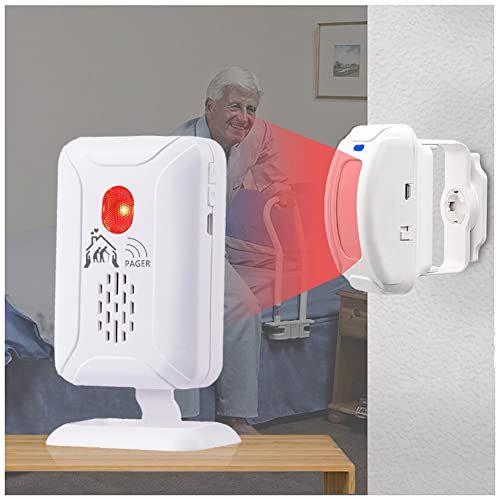
Upgraded Version Bed Sensor Alarm and Fall Prevention for Elderly/Dementia and More,Caregiver Pager Motion Sensor Alert with 5 Volume Level,Bed Alarm for Elderly Adults Wireless
- Wireless Monitoring Range: Up to 918 feet in open area
- Non-intrusive Bed Alarm: No sound in patient's room
- Easy Sensor Placement: Place under bed or at door
As an affiliate, we earn on qualifying purchases.
As an affiliate, we earn on qualifying purchases.
Compare common fall detection systems: Which is less prone to false alarms?
| Type | Strengths | Weaknesses |
|---|---|---|
| Wearable devices | Personalized, real-time data collection; can be tailored to individual movement patterns, reducing false alarms. Their ability to adapt to user-specific behaviors makes them more precise in detecting actual falls, especially when combined with machine learning algorithms that learn from the user’s unique gait and mobility quirks. | Prone to being forgotten, removed, or misused; rapid movements can still trigger false positives if sensitivity isn’t calibrated properly. The reliance on user compliance can sometimes limit effectiveness, but ongoing improvements in battery life and comfort are helping address these issues. |
| Floor sensors | Detect falls without user action, especially effective in fixed locations like beds or bathrooms. Their passive nature means they don’t depend on user compliance and can provide continuous monitoring in specific areas, which is crucial for high-risk zones. | Limited coverage area; false alarms can occur from pets, heavy objects, or even vibrations. These sensors are less flexible for mobile environments, but their reliability in targeted locations makes them valuable as part of a comprehensive system. |
| Camera-based systems | Visual confirmation allows for more accurate detection, especially when combined with AI image analysis. They can differentiate between a fall and other activities by analyzing posture, speed, and context, significantly reducing false alarms. | Privacy concerns and environmental lighting issues can affect performance, leading to false alarms or missed detections. Proper data handling and secure storage are essential to mitigate privacy risks, but when managed well, these systems provide highly accurate monitoring. |
Choosing the best system depends on the environment, user lifestyle, and privacy preferences. For example, wearable devices offer high personalization but require user cooperation, while floor sensors excel in fixed locations but lack mobility. Camera systems provide detailed insights but raise privacy considerations. Often, combining these technologies creates a layered approach that balances sensitivity and specificity, greatly reducing false alarms while maintaining safety.

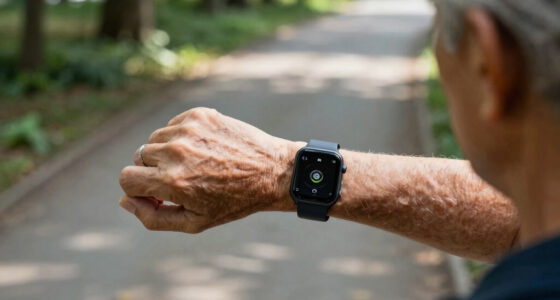
Smart Watch for Men Fall Detection SOS Call Watch for Seniors Blood Pressure Heart Rate Monitor Fitness Tracker Step Counter Pedometer Watch Sleep Tracker Calories Distance Waterproof Smartwatch
- Fall Detection & SOS: Automatic fall alerts and emergency calls
- Health Monitoring: Heart rate, blood pressure, stress tracking
- Sleep Tracking: Deep, light, REM sleep analysis
As an affiliate, we earn on qualifying purchases.
As an affiliate, we earn on qualifying purchases.
Tips to actually reduce false alarms in your system
Reducing false alarms involves both technical adjustments and environmental modifications. Implementing these practical steps can significantly improve your system’s reliability, ensuring alerts are meaningful and timely.
- Calibrate sensors regularly: Frequent calibration aligns sensor sensitivity with actual movement, preventing overreaction to minor motions that aren’t falls. This process is crucial because sensor sensitivity can drift over time or vary with environmental conditions, leading to either missed detections or false alarms. Regular calibration ensures the system remains tuned to your specific environment and activity levels, maintaining a balance between catching real falls and ignoring benign movements.
- Position sensors carefully: Strategic placement in areas where typical activities occur minimizes false triggers. Avoid locations prone to vibrations or pet activity, and consider mounting sensors at heights and angles that best capture relevant movements. Proper placement also involves considering the layout of the space and typical movement patterns, which can influence how the sensors interpret motion. Thoughtful positioning reduces the likelihood of environmental noise or benign activities triggering alarms.
- Personalize settings: Use systems with AI that adapt to individual movement patterns. Personalization reduces false alarms caused by unique habits or mobility quirks, making detection more accurate over time. These systems analyze your typical movements and adjust thresholds accordingly, which means that normal activities are less likely to trigger false alarms while still alerting you to genuine falls.
- Limit environmental triggers: Keep pets away from sensors and avoid rapid movements near detection zones. Using activity zones or pet-immune settings can prevent common false triggers from household activities. For instance, setting virtual boundaries or zones that ignore pet activity can significantly cut down on false alarms caused by animals moving around or jumping near sensors.
- Update firmware and software: Regular updates incorporate the latest AI improvements and bug fixes, enhancing detection accuracy and reducing false alarms. Staying current ensures your system benefits from ongoing technological progress, which often includes better algorithms, improved sensor calibration, and enhanced environmental filtering capabilities. Manufacturers frequently release updates that refine detection logic based on real-world data, so keeping your system updated is a simple yet effective way to maintain optimal performance.
For example, repositioning sensors away from pet activity zones or setting activity zones to ignore certain areas can prevent false alarms caused by animals. These small adjustments, when combined, significantly improve system trustworthiness and user confidence.

FutureCare Fall Detection Sensor
- System Compatibility: Works with FutureCare HomeKit
- Monitoring Type: Passive, non-wearable motion detection
- Design & Placement: Discreet, easy to position in home
As an affiliate, we earn on qualifying purchases.
As an affiliate, we earn on qualifying purchases.
Frequently Asked Questions
Why do some fall detection systems generate so many false alarms?
They often misinterpret rapid movements, household activities, or environmental factors due to sensor limitations or basic algorithms. Upgrading to AI-enhanced systems can help.How can I reduce false alarms without sacrificing safety?
Regularly calibrate sensors, position them thoughtfully, personalize settings, and keep your system updated with the latest software improvements.Are newer fall detection systems more reliable?
Yes, advances like sensor fusion, machine learning, and context-aware features have greatly improved accuracy and reduced false positives.What should I look for when choosing a fall detection system?
Prioritize multi-sensor setups, AI capabilities, customizable settings, and ease of calibration to minimize false alarms.Can fall detection systems be trusted completely?
No system is perfect. Combining technology with regular check-ins and safety routines provides the best protection and peace of mind.Conclusion
False alarms in fall detection systems can be frustrating, but they’re often preventable. Understanding what causes them and making small adjustments can turn your safety system into a trusted helper. Think of it as tuning a musical instrument—when all parts work in harmony, the system plays a reliable tune.
Remember, technology keeps improving. Staying informed and proactive makes your safety smarter—and your peace of mind greater.
This article is for informational purposes only and is not medical advice. Always consult a qualified healthcare professional about your specific situation.BACK TO SCHOOL Back to school Picks
back to schoolback to school
As an affiliate, we earn on qualifying purchases.