
TL;DR
Open a free Amazon Business account
Business pricing, bulk buying and tax-exempt orders.
Create a free accountAs an affiliate, we earn on qualifying purchases.
Smartwatches with fall detection and dedicated medical alert devices both aim to keep you safe, but they differ in accuracy, ease of use, and reliability. Dedicated systems often outperform smartwatches in emergency response, but smartwatches offer multifunctionality and convenience. Your choice depends on your health risks, tech comfort, and budget.
When it comes to staying safe after a fall, technology offers two main options: smartwatches with fall detection and dedicated medical alert devices. But which one truly keeps you safer?
Understanding how each works, their strengths, and their limitations can help you choose the best fit—whether for yourself or a loved one. Let’s cut through the hype and get real about what these devices can and can’t do.
Dedicated medical alert devices generally offer more accurate fall detection than smartwatches, especially for high-risk users.
Smartwatches provide multifunctional features, blending fitness and notifications with fall detection, appealing to active users.
Ease of use is key—simple, large buttons on dedicated devices make them more accessible for seniors with limited tech experience.
Connectivity matters—devices with reliable cellular service ensure help is available wherever you are.
Cost considerations include upfront device price and ongoing subscription fees; evaluate which fits your budget best.
Smartwatch Fall Detection vs Medical Alert Devices
Both can help after a fall—but they optimize for different realities. Smartwatches add safety to an everyday digital companion. Dedicated alert devices put emergency access, simplicity, and monitored response first.
Two devices, two design philosophies
A smartwatch interprets motion and tries to identify a hard fall. A medical alert device is purpose-built to open a reliable path to assistance, usually through a button, monitoring center, or both.
Smartwatch fall detection
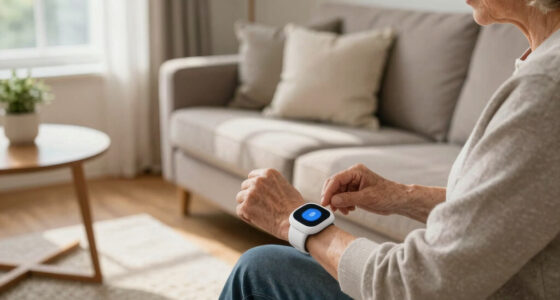
Accelerometers and gyroscopes analyze rapid movement, impact, and inactivity. When the pattern resembles a fall, the watch may ask the wearer to respond before notifying contacts or emergency services.
Dedicated medical alert
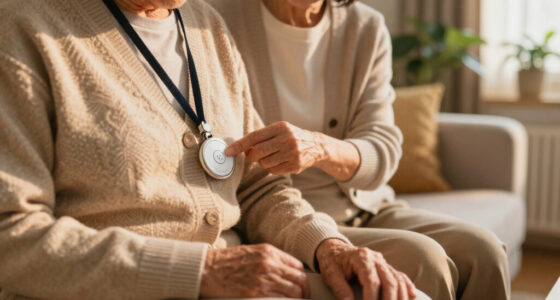
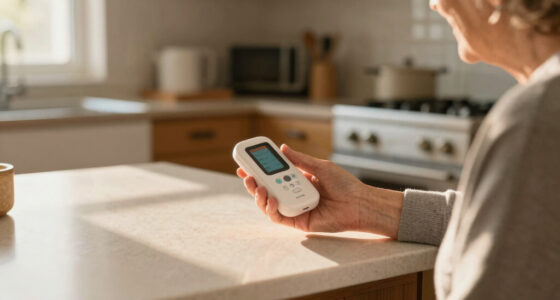
A large help button opens two-way communication with a trained monitoring operator. Many mobile models add GPS, cellular connectivity, and optional automatic fall detection.
Where each option wins—and where it compromises
Device quality varies widely. Treat these as category-level patterns, then verify the exact model’s coverage, response process, battery requirements, and cancellation terms.
| Decision factor | Smartwatch fall detection | Dedicated medical alert |
|---|---|---|
| Detection | ~Accuracy varies by model, activity, fit, and sensor tuning. | ✓Generally optimized around falls and emergency use. |
| Ease of use | ~Setup, menus, updates, and paired phones can add friction. | ✓Large buttons and focused controls reduce user error. |
| Response | ~May call contacts or emergency services; process differs by platform. | ✓Many connect directly to a staffed monitoring center. |
| Connectivity | ✗Bluetooth-only models may depend on a nearby phone or Wi-Fi. | ✓Mobile units commonly include dedicated cellular service. |
| Everyday utility | ✓Fitness, messaging, navigation, health trends, and payments. | ✗Usually limited to safety, location, and communication. |
| Cost model | ~Upfront device cost plus possible cellular or app fees. | ~Monitoring normally requires an ongoing subscription. |
✓ typical category advantage ~ depends on model or user ✗ common limitation
Smartwatch profile
Medical alert profile
The best device is the one that matches the person
Technical capability matters, but behavior matters just as much. A device cannot help if it is left on the charger, worn incorrectly, out of coverage, or too confusing to activate under stress.
Daily life stays central
The wearer already uses apps, keeps devices charged, and wants fitness, messages, navigation, and safety in one familiar product.
Likely fit: cellular smartwatchResponse reliability comes first
Previous falls, frailty, balance problems, or living alone make simple activation and a staffed emergency pathway more important than extra features.
Likely fit: monitored alert systemA hybrid can bridge the gap
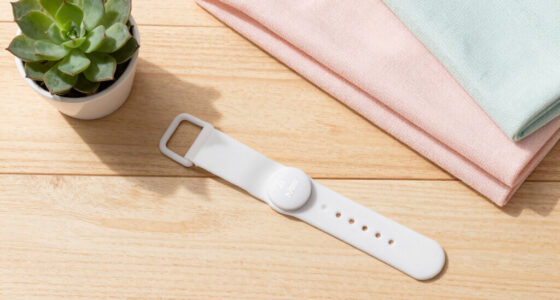
Some newer devices combine a watch-like form, fall sensing, GPS, cellular service, and direct monitoring. Examine usability and response details carefully.
Likely fit: hybrid deviceChoose from risk outward—not features inward
Start with the consequences of a missed alert. Then evaluate the wearer’s habits, connectivity, and ability to operate the device under pressure.
Assess fall risk
Consider prior falls, mobility, medications, cognition, and time spent alone.
Test usability
Can the wearer charge it, put it on, hear it, and activate help without coaching?
Map coverage
Verify cellular service at home, outdoors, in the shower, and along usual routes.
Price the full term
Add hardware, cellular service, monitoring, accessories, and cancellation fees.
Five truths to take with you
No wearable guarantees detection or rescue. The safest setup combines appropriate technology with charged devices, good coverage, emergency contacts, fall-prevention measures, and regular testing.
Dedicated systems usually lead on emergency focus.
Their interfaces, service model, and monitoring pathway are built around getting help.
Smartwatches lead on multifunctionality.
They blend safety with fitness, communication, navigation, and daily health features.
False alarms and missed falls remain possible.
Automatic fall detection is a safety aid, not a flawless substitute for manual help.
Connectivity can decide whether an alert succeeds.
Confirm whether the device needs a phone, Wi-Fi, landline, or its own cellular plan.
Ease of use is a safety specification.
Large controls, clear audio, minimal setup, and comfortable wear can matter more than extra features.
Test before trusting.
Run practice alerts, check response times, review contact details, and retest after updates or plan changes.
What Exactly Are Smartwatch Fall Detection and How Do They Work?
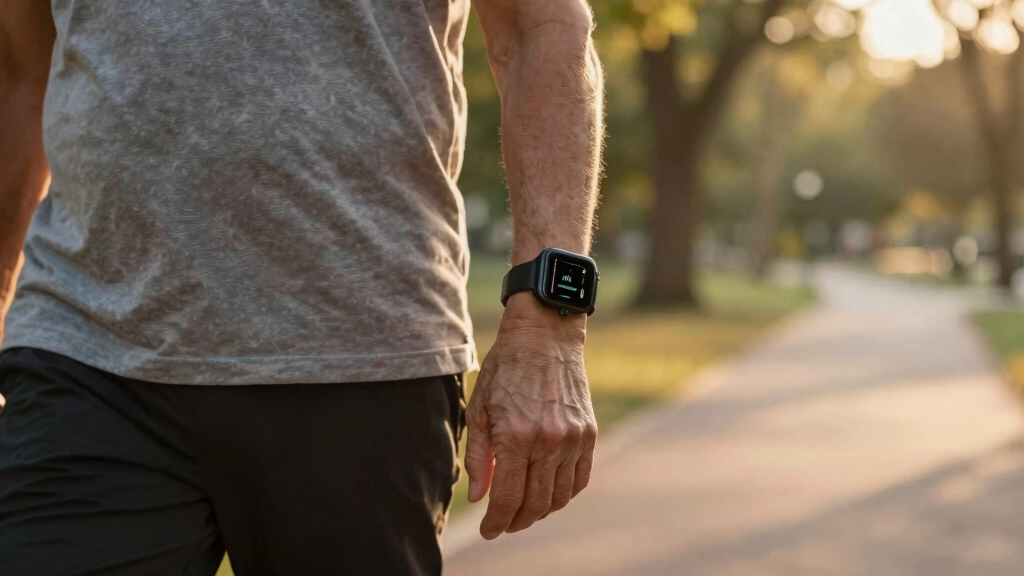
Smartwatches with fall detection are wearable tech that uses built-in sensors to sense sudden movements—like a fall. They analyze your body’s motion, then decide if you’ve taken a tumble.
For example, a smartwatch like the Apple Watch Series 8 uses accelerometers and gyroscopes. If it detects a hard fall, it can automatically call emergency services or notify your contacts.
However, their accuracy depends on the model and how well the sensors are tuned. Sometimes, a quick drop of your arm or jumping off a curb might trigger false alarms. This variability means that while smartwatches can be useful, they may not always distinguish between a genuine fall and other abrupt movements. The tradeoff is that false alarms can lead to unnecessary panic or emergency calls, which might desensitize responders or cause inconvenience. Therefore, understanding the limitations of these sensors helps users interpret alerts appropriately and consider supplementary safety measures.
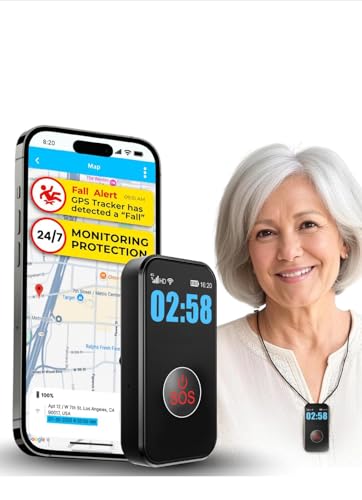
SecuLife Medical Alert Pendant for Seniors — Alerts Go Direct to Family, No Call Center | Auto Fall Detection, GPS Tracking, 2-Way Calling, No Contract, Waterproof Necklace
- Medical Alert Pendant with Fall Detection: Automatically detects falls and alerts contacts
- Easy Activation with Monthly Subscription: $20/month for unlimited alerts and tracking
- Two-Way Call Button: One-touch emergency calls with hands-free auto-answer
As an affiliate, we earn on qualifying purchases.
As an affiliate, we earn on qualifying purchases.
How Dedicated Medical Alert Devices Keep You Safer—And How They Differ
Dedicated medical alert devices are purpose-built for emergency response. Think of them as your personal safety hotline with a big, easy-to-press button.
They often include two-way voice communication, GPS tracking, and 24/7 monitoring by trained operators. For instance, pressing the emergency button connects you directly to a monitoring center, which can assess your situation and call 911 if needed.
These devices are designed for simplicity—large buttons, minimal setup—so even someone with limited tech experience can use them confidently. The key advantage is that their design minimizes user error, ensuring help is accessible when needed most. The tradeoff, however, is that they usually lack the advanced sensor technology of smartwatches, which means they rely on user activation rather than automatic fall detection. This makes them more reliable for emergency response, but less versatile for everyday health tracking or fitness. The implication is that for high-risk individuals, these dedicated systems often provide peace of mind through their straightforward, reliable operation, especially in situations where automatic detection might fail or cause false alarms.

Fajocru Fall Detection Smart Watch for Seniors with GPS Tracking, SOS Alert, Waterproof Fitness Tracker for Dementia/Alzheimer’s, 4G Safety(Black)
- Fall Detection and SOS Alarm: Automatic fall alerts with emergency notifications
- Real-Time GPS & Geo-Fencing: Precise location tracking and safe zones
- Two-Way Voice Communication: Easy call and voice messaging for seniors
As an affiliate, we earn on qualifying purchases.
As an affiliate, we earn on qualifying purchases.
Smartwatch Fall Detection vs Medical Alert Devices: The Big Differences in Accuracy, Ease, and Cost
| Feature | Smartwatch Fall Detection | Dedicated Medical Alert Devices |
|---|---|---|
| Accuracy | Varies widely; false alarms are common in some models, which can lead to unnecessary emergency calls or desensitization. While some models are improving, they still face challenges in reliably distinguishing falls from other rapid movements. This inconsistency can impact trust in the device during genuine emergencies. | Higher reliability; specifically tuned sensors and a focus on automatic detection make them more dependable. This consistency reduces false alarms and ensures help is summoned when truly needed, which is critical for high-risk users. |
| Ease of Use | Requires familiarity with smartphone/tech; setup can be complex for some users, especially older adults. The need to interpret alerts and troubleshoot connectivity issues can be a barrier, potentially delaying emergency response. | Simple, one-button operation designed for anyone to use, regardless of tech skills. The straightforward interface minimizes user error, ensuring rapid access to help when time is critical. |
| Connectivity | Depends on Bluetooth, Wi-Fi, or cellular; connectivity issues can delay alerts or prevent detection if the device isn’t within range or if the network is down. | Usually cellular with dedicated plans; designed to work reliably in various locations, providing consistent connectivity. This ensures that help can be reached even if the user is away from home or in areas with poor Wi-Fi coverage. |
| Cost | One-time purchase + optional subscriptions for app features; initial investment can be moderate, but ongoing costs may include app or cloud service subscriptions. | Ongoing subscription typically required for monitoring services; these fees can add up over time, but they often include 24/7 emergency support and coverage for mobile use, providing peace of mind. |
In real-world tests, dedicated devices outperform smartwatches in detecting actual falls—especially in high-risk situations where automatic and reliable response is crucial. However, smartwatches score points for versatility, blending fitness tracking, notifications, and fall detection into one device. This multifunctionality can be advantageous for active users who want to monitor their health daily while having some safety features.

Medical Guardian MGMini Medical Alert Device for Seniors | Subscription Required | SOS Button, Emergency Location Assistance, 24/7 Monitoring | Pearl
- Discreet and portable design: Supports independence at home and on the go
- Easy emergency communication: Press button to connect with 24/7 monitoring team
- Flexible wearing options: Includes lanyard and belt clip for customization
As an affiliate, we earn on qualifying purchases.
As an affiliate, we earn on qualifying purchases.
Real-Life Scenarios: When Each Device Shines
Imagine Grandma, who loves her smartwatch but sometimes forgets to wear it. She trips in the garden. The smartwatch detects her fall, but it’s a false alarm because she jumped off the porch for fun. While the device’s automatic detection is useful, false alarms can cause unnecessary stress and emergency dispatches, which might lead to responders being less responsive over time. Recognizing this, some users may prefer the reliability of a dedicated device for high-risk situations, where false alarms are less tolerable.
Now picture her neighbor, who has limited tech skills. If she slips in the shower, pressing a big button on a medical alert device connects her instantly to help, with no fuss. This simplicity ensures help is accessible immediately, which can be lifesaving in urgent situations. The implication here is that for users who value straightforward operation and guaranteed activation, dedicated systems often provide greater peace of mind. Both devices serve critical roles but are optimized for different scenarios—active, tech-savvy users benefit from multifunctionality, while high-risk or less tech-literate individuals rely on simplicity and dependability.
Fajocru Fall Detection Smart Watch for Seniors with GPS Tracking, SOS Alert, Waterproof Fitness Tracker for Dementia/Alzheimer’s, 4G Safety(Black)
- Fall Detection and SOS Alarm: Automatic fall alerts with emergency notifications
- Real-Time GPS & Geo-Fencing: Precise location tracking and safe zones
- Two-Way Voice Communication: Easy call and voice messaging for seniors
As an affiliate, we earn on qualifying purchases.
As an affiliate, we earn on qualifying purchases.
What You Need to Know Before Choosing Your Safety Device
Choosing the right device hinges on your lifestyle, health risks, and comfort with tech. Here’s a quick checklist:
- Assess your fall risk: High risk? Prioritize reliability, automatic detection, and quick access to help.
- Consider ease of use: Limited tech skills? Go for a simple button-based device to reduce user error and ensure help is always accessible.
- Check connectivity: Do you have cellular service everywhere you go? Reliable coverage is essential for timely alerts outside your home.
- Budget wisely: Upfront costs versus ongoing fees—evaluate what fits your financial situation and peace of mind.
For example, if you’re active outdoors often, a smartwatch with GPS might be handy, but consider its fall detection reliability. Conversely, if you’re mostly homebound or have mobility issues, a dedicated device with a large button and dependable connection may be safer. The tradeoff is that while smartwatches offer multifunctionality, they may not always be as dependable for emergency response as dedicated devices, which are built specifically for that purpose.
Frequently Asked Questions
Which is more reliable: a smartwatch or a dedicated medical alert device?
Dedicated medical alert devices usually outperform smartwatches in fall detection accuracy because they are designed specifically for emergency response, with sensors and algorithms optimized for high reliability.Are smartwatches suitable for seniors who are not tech-savvy?
Some smartwatches now feature simplified interfaces, but often, dedicated medical alert systems are easier to operate—large buttons and straightforward functions—making them more suitable for less tech-fluent users.What is the typical cost difference?
Smartwatches involve an upfront purchase and optional app subscriptions, while dedicated medical alert devices usually require ongoing monitoring service fees—sometimes adding up to a significant monthly expense.Can smartwatches replace medical alert systems?
They can supplement safety, especially for active users, but for high-risk individuals needing certified emergency response, dedicated systems often provide more dependable help.Do these devices work outside the home?
Yes, both can work outdoors if they have cellular connectivity. Coverage depends on the device and your network service area, so check compatibility before relying solely on them outside your usual zones.Conclusion
When safety matters most, reliability often trumps bells and whistles. A dedicated medical alert device remains the gold standard for emergency response, especially for those at high fall risk. But if you want a device that combines health, fitness, and safety in one, a smartwatch can be a good supplement—just know its limits.
Ultimately, the best choice depends on your lifestyle, health, and comfort with technology. Think practically, test your options, and prioritize peace of mind. That vivid red emergency button or the sleek smartwatch face—both are tools to keep you safe, but only one may truly be your lifeline.
Labor Day sales Picks
labor day deals
As an affiliate, we earn on qualifying purchases.