
TL;DR
Open a free Amazon Business account
Business pricing, bulk buying and tax-exempt orders.
Create a free accountAs an affiliate, we earn on qualifying purchases.
GPS medical alerts help active seniors stay safe during walks, gardening, and travel by providing instant location details and emergency communication. Advances in accuracy, device size, and integration make them more reliable and user-friendly than ever.
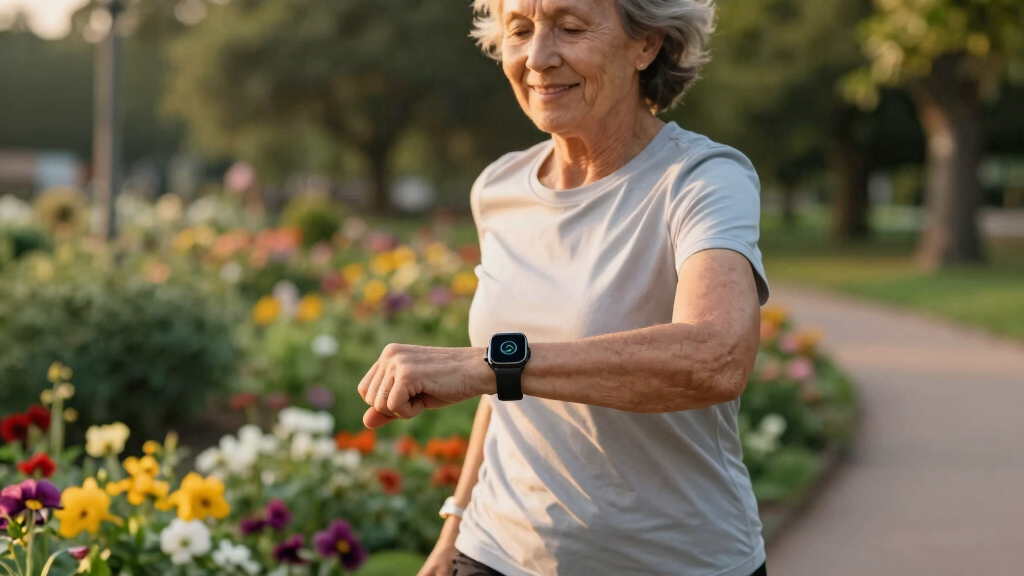
Imagine strolling through a park, tending to your garden, or exploring a new city — all while knowing help is just a tap away. GPS medical alerts for active seniors turn this confidence into reality. They blend simple tech with powerful safety features, giving you freedom without the worry.
If you or a loved one enjoy outdoor activities but want peace of mind, understanding these devices can make a world of difference. This guide will show you what makes modern GPS alerts essential, how they work, and what to look for when choosing one.
Modern GPS medical alerts combine real-time location, emergency buttons, and water resistance, making outdoor activities safer and more independent.
Advances like miniaturization and AI integration boost accuracy and user comfort, even in urban or wooded environments.
Choosing the right device depends on understanding your activity habits, coverage needs, and ease of use; a tailored fit enhances safety.
Family and caregivers can monitor activity and location remotely, providing peace of mind without invading independence.
Prioritize waterproofing, battery life, and simple operation when selecting a GPS alert for outdoor adventures.
Freedom outside, backup within reach.
GPS medical alerts help active seniors keep walking, gardening, and traveling with confidence by combining location sharing, emergency buttons, two-way communication, and family visibility in one wearable safety layer.
Help should know where you are, not just that you called.
What Makes GPS Alerts Ideal Outdoors
Modern systems are built around one practical idea: keep independence intact while making location and communication instantly available when something goes wrong.
Real-time positioning
Caregivers or responders can see where help is needed, even in parks, unfamiliar neighborhoods, or travel destinations.
One-press help
A large emergency button reduces friction during stressful moments when dialing, texting, or explaining directions may be difficult.
Two-way voice
Built-in microphones and speakers let seniors speak with loved ones or monitoring agents for reassurance and guidance.
Geo-fencing
Safe zones can trigger alerts when someone leaves a garden, neighborhood, resort, or walking route unexpectedly.
Water resistance
Outdoor-ready devices tolerate sweat, splashes, rain, and gardening mess better than fragile indoor-only alert buttons.
Smaller wearables
Miniaturization has made wristbands, pendants, and clips more discreet, improving the odds they are worn consistently.
Feature Fit by Activity
Walking, gardening, and travel all benefit from GPS protection, but each activity puts different pressure on battery life, coverage, durability, and simplicity.
| Feature | Walks | Gardening | Travel | Why It Matters |
|---|---|---|---|---|
| Real-time location | ✓ | ✓ | ✓ | Speeds up response when the senior is away from a known indoor address. |
| Water resistance | ~ | ✓ | ~ | Protects against rain, sweat, hoses, soil, and accidental splashes. |
| Long battery life | ✓ | ✓ | ✓ | Reduces the risk of losing protection during errands, outings, or long travel days. |
| Geo-fencing | ~ | ✓ | ~ | Useful for safe yards, favorite parks, hotels, cruise areas, and neighborhood routes. |
| Smartphone-only app | ~ | ✗ | ~ | Can work well, but only if the phone is charged, carried, and easy to access. |
How an Alert Becomes Help
Behind the simple button is a fast chain: detect the need, locate the person, open communication, route the alert, and guide the response.
Press or trigger
A button press, safe-zone exit, or fall signal starts the alert.
Locate
GPS and network signals estimate the senior’s position.
Connect
Two-way voice opens a channel for confirmation and reassurance.
Notify
Family, caregivers, or monitoring centers receive the alert.
Respond
Help is routed to the right location with better context.
Choosing the Right Device
The best GPS medical alert is not simply the newest model. It is the device that matches the senior’s routines, comfort needs, and coverage patterns.
Priority Scorecard
Buying Checklist
- 1Choose a wristband, pendant, clip, watch, or app based on what the senior will actually wear.
- 2Confirm coverage in the places that matter most: garden, walking routes, travel destinations, and remote areas.
- 3Prioritize large buttons, clear instructions, audible feedback, and simple charging routines.
- 4Compare monitoring fees, cancellation terms, device costs, replacement policies, and caregiver app access.
Recent Improvements That Matter
Advances through 2023 made GPS medical alerts more practical outdoors: better accuracy, smaller devices, longer batteries, health sensors, and smarter activity detection.
Key insight
Recent GPS improvements have boosted location accuracy in challenging places like urban canyons and wooded areas, making outdoor safety devices more dependable for active seniors.
Traceability: From Activity to Peace of Mind
Each outdoor moment connects to a safety feature, a response pathway, and a confidence benefit without requiring the senior to give up independence.
Walk
GPS location and two-way voice make neighborhood routes safer.
Garden
Water resistance and wearability protect during messy outdoor work.
Travel
Coverage and live location sharing help in unfamiliar cities or trails.
Care
Family monitoring adds reassurance without hovering over daily life.
Frequently Asked Questions
Most reader questions come down to three practical concerns: how the systems work, whether they fit outdoor life, and what ongoing costs look like.
How do they work outdoors?
They combine GPS tracking with emergency communication, sharing location and opening a help channel when a button is pressed or a safe zone is crossed.
Are they suitable for gardening?
Yes. Many models are water-resistant, durable, and designed for outdoor activity, making them useful around soil, sweat, rain, and hoses.
What do they cost?
Monitoring commonly ranges from $20 to $50 per month, while devices often cost $50 to $200 depending on features and plan structure.
What Makes GPS Medical Alerts Perfect for Active Seniors?
GPS medical alerts are designed for seniors who love to walk, garden, or travel. These devices combine location tracking with easy emergency buttons, making help reachable in seconds. Think of it as having a safety net that’s always with you, whether you’re in your backyard or exploring a new city.
Picture this: you’re in a busy park, and your wristband pinpoints your exact position on a caregiver’s phone. If you trip or feel unwell, a quick press of a button alerts loved ones instantly. That’s the power of modern GPS alerts—blending independence with safety.
Recent tech improvements mean these devices are more accurate, water-resistant, and discreet. They’re built to handle outdoor adventures, so you’re protected during walks, gardening sessions, or travel days.
Understanding the core benefits of these alerts reveals why they are vital for maintaining independence. They not only provide immediate help during emergencies but also foster confidence to engage in outdoor activities, knowing support is accessible. However, there are tradeoffs—such as the need for regular charging or ensuring proper device placement—so choosing the right model depends on your specific outdoor routines and comfort with technology.
GPS medical alert device for seniors
As an affiliate, we earn on qualifying purchases.
As an affiliate, we earn on qualifying purchases.
Top Features That Keep Outdoor Seniors Safe and Connected
| Feature | What It Does |
|---|---|
| Real-Time Location | Pinpoints your exact position on a map, shared instantly with caregivers or emergency responders. This immediacy allows quick response times, which can be critical in emergencies. Accurate location data reduces the risk of delayed rescue efforts, especially in unfamiliar or complex outdoor environments like dense forests or crowded parks. |
| Two-Way Communication | Allows you to speak directly with loved ones or responders through built-in microphones and speakers. This feature isn’t just for emergencies; it provides reassurance and immediate guidance during outdoor activities, helping you stay connected and informed. The clarity and ease of use can make a significant difference in stressful situations where quick communication is essential. |
| Emergency Button | One press connects you immediately to help, even if you’re unable to dial or speak clearly. Its simplicity is crucial because in an emergency, complex procedures can be a barrier. The button’s reliability ensures assistance is never more than a moment away, which can be life-saving during outdoor excursions where help might be far off. |
| Geo-Fencing | Sets safe zones; alerts are triggered if you wander outside designated areas like your backyard or park. This feature helps prevent wandering into unsafe areas or getting lost, especially in unfamiliar environments. It also offers peace of mind to families who worry about seniors straying too far, but it requires careful zone setup to avoid false alarms or restrictions that might hinder mobility. |
| Water Resistance & Long Battery Life | Designed to withstand outdoor conditions and last through long adventures without frequent charging. These features are essential because outdoor activities often involve exposure to rain, sweat, or rough handling. A device that fails due to water damage or runs out of power can compromise safety, so durability and battery longevity are critical tradeoffs to consider when selecting a device. |
Imagine wearing a sleek wristband that’s as tough as it is simple. It tracks your every step, resists splashes from gardening, and buzzes with alerts when you step outside your safe zone. These features make outdoor activities safer and more enjoyable.
Today’s devices incorporate sensors that can detect falls, monitor heart rates, and even suggest rest if you’re overexerting. All these features work together to keep you active and safe. While adding these capabilities increases device complexity and cost, they significantly enhance safety and peace of mind during outdoor adventures.
waterproof GPS tracker for elderly
As an affiliate, we earn on qualifying purchases.
As an affiliate, we earn on qualifying purchases.
Choosing the Right GPS Medical Alert Device: What Matters Most?
Picking a device isn’t about chasing the newest gadget. It’s about matching features to your lifestyle. Do you prefer a wristband or a small clip? Need long battery life or water resistance? These choices matter.
Here’s a quick checklist:
- Size & Comfort: Is it lightweight and easy to wear all day? Comfort can influence whether you actually wear the device consistently, which directly impacts safety.
- Battery Life: Will it last through your active outings without frequent recharging? Longer battery life reduces the risk of device failure during critical moments.
- Coverage Area: Does it work where you travel, garden, or walk most? Ensuring reliable GPS in your common environments prevents gaps in safety coverage.
- Ease of Use: Are buttons large and instructions clear? An intuitive design minimizes user frustration and ensures quick operation in emergencies or routine use.
- Subscription & Cost: What are ongoing fees, and do they fit your budget? Balancing cost with features ensures sustainable safety without financial strain.
For example, if you love gardening, waterproof wristbands with 24-hour battery life are ideal, as they can withstand dirt and rain. If you frequently travel to remote areas, a device with global coverage and easy emergency access becomes more critical. Understanding the tradeoffs—like smaller devices having shorter battery life or limited features—helps you make an informed decision that aligns with your outdoor routines and safety priorities.
senior emergency medical alert watch
As an affiliate, we earn on qualifying purchases.
As an affiliate, we earn on qualifying purchases.
Frequently Asked Questions
How do GPS medical alert systems work during outdoor activities?
They combine GPS tracking with emergency communication features. When you press an emergency button or leave a safe zone, the device shares your location and connects you with help — all in real-time, even in busy parks or remote trails.
Are these devices suitable for gardening or traveling?
Yes, most are water-resistant, durable, and designed for outdoor use. They work well during gardening, walks, and travel, providing safety without restricting your favorite activities.
What’s the typical cost and ongoing fees for GPS alerts?
Device costs vary, often between $50 and $200, with monthly monitoring fees usually ranging from $20 to $50. It’s worth comparing plans to find one that fits your budget and needs.
Can family members monitor my location remotely?
Absolutely. Many systems include apps or web portals where loved ones can see your location, receive alerts, and check activity history — providing reassurance without being intrusive.
Are these devices easy for seniors to operate?
Most are designed with simplicity in mind: large buttons, clear instructions, and minimal setup. They’re meant to be straightforward, even for those less tech-savvy.
outdoor GPS safety device for seniors
As an affiliate, we earn on qualifying purchases.
As an affiliate, we earn on qualifying purchases.
Conclusion
For active seniors, a GPS medical alert isn’t just a device — it’s a trusted companion on every walk, garden session, and trip. It transforms outdoor freedom into a safe, confident experience. When choosing your system, focus on comfort, reliability, and coverage — then step outside with peace of mind.
Remember, the best safety tech feels like part of your everyday life, not an obstacle. Your next adventure awaits — smart, safe, and supported.
Back to school Picks
back to school
As an affiliate, we earn on qualifying purchases.