
TL;DR
Listen free for 30 days with Audible
Thousands of audiobooks and originals — cancel anytime.
Start your free trialAs an affiliate, we earn on qualifying purchases.
Medicare usually doesn’t cover medical alert systems as a standard benefit. You’ll likely pay out-of-pocket, but some Medicare Advantage plans or community programs may offer discounts or assistance. Knowing your options can help you stay safe without unexpected expenses.
Picture this: you’re alone at home, feeling more vulnerable than ever. A fall or sudden emergency can happen in a blink. Medical alert systems promise quick help, but many seniors ask: does Medicare cover these devices?
Understanding whether your insurance helps pay for safety devices can save you money and peace of mind. This guide breaks down what Medicare covers, what it doesn’t, and how you can still access these vital tools without stress.
Medicare generally doesn’t cover medical alert systems as part of its standard plan.
Some Medicare Advantage plans may offer discounts or optional coverage—check your plan’s benefits.
Most seniors pay out-of-pocket, with costs typically between $20 and $50 monthly.
Community programs and non-profits can be valuable resources for free or subsidized systems.
Stay informed about policy changes, as future legislation could expand coverage to include these safety devices.
Why Medicare Usually Doesn’t Pay for Medical Alert Systems
Medicare considers medical alert systems as non-medical gadgets, so they’re typically not included in standard coverage. Think of it like buying a car: the insurance covers accidents, not the GPS system you add later. These devices are seen as personal safety tools, not medical treatments.
Most seniors pay out-of-pocket, which can range from $20 to $50 per month depending on features. Imagine a pendant that automatically calls for help when you fall—it’s a game-changer, but Medicare doesn’t see it as a medical necessity.
However, some exceptions exist in specific plans, which we’ll explore next.
As an affiliate, we earn on qualifying purchases.
Can Medicare Advantage Plans Cover Medical Alert Systems?
Yes, some Medicare Advantage (Part C) plans now offer optional safety benefits, including discounts or coverage for medical alert systems. For example, a plan in Florida might give members a 10% discount on a popular provider’s system.
These benefits aren’t universal though. It’s like getting a free coffee with your meal—only some plans include it. It pays to check your specific plan’s benefits booklet or ask your agent.
Remember: even if a plan offers discounts, you’re often still responsible for the monthly fee, but the savings can add up.
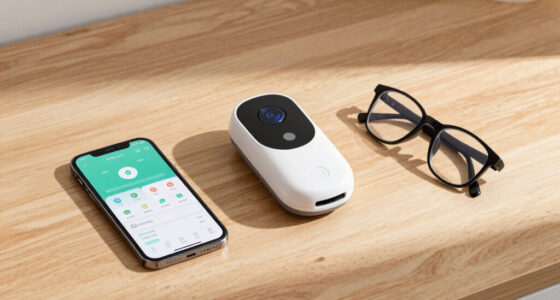
fall detection medical alert pendant
As an affiliate, we earn on qualifying purchases.
As an affiliate, we earn on qualifying purchases.
How to Get a Medical Alert System Without Medicare Coverage
If Medicare won’t help cover the cost, how can you get one? Here are 3 practical options:
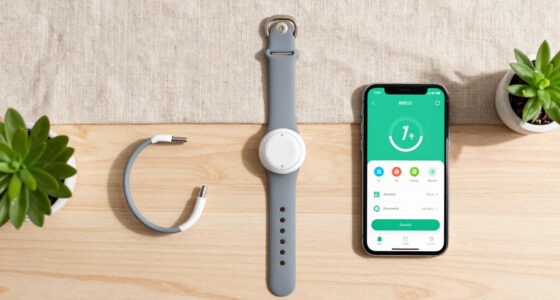
- Buy directly from providers: Many companies sell systems online or in stores. Expect prices from $20 to $50 monthly. For example, a senior in Ohio might order a wristband that connects to a 24/7 monitoring center.
- Seek discounts and promotions: Some companies offer discounts for first-time buyers or bundle deals. Look for seasonal sales or referral programs.
- Check community or non-profit programs: Local senior centers, charities, or government programs may offer free or subsidized systems for eligible seniors. Imagine a community center providing a system during a wellness fair.
While these options can make safety devices more accessible, it’s important to understand the tradeoffs. Purchasing directly gives you control over features and costs but requires research to find reputable providers. Discounts and community programs may have eligibility criteria or limited availability, so planning ahead and exploring multiple avenues can ensure you get the support you need without unexpected expenses.
As an affiliate, we earn on qualifying purchases.
What’s Changing in the Future? Will Medicare Cover More?
There’s buzz about expanding Medicare to include non-medical devices like medical alert systems. Some policymakers see these gadgets as essential for fall prevention and emergency response, especially as the population ages and the need for proactive safety measures grows.
While no official change has been announced yet, recent discussions and pilot programs suggest that coverage might become more common in the next few years. This potential shift could significantly reduce out-of-pocket costs for seniors and improve overall safety standards. However, it’s important to recognize that such policy changes often involve tradeoffs, including coverage limits and eligibility requirements.
For now, keep an eye on your plan’s benefits and new legislation. The landscape is shifting, and safety devices might become standard sooner than you think, making proactive planning essential for ongoing safety and peace of mind.
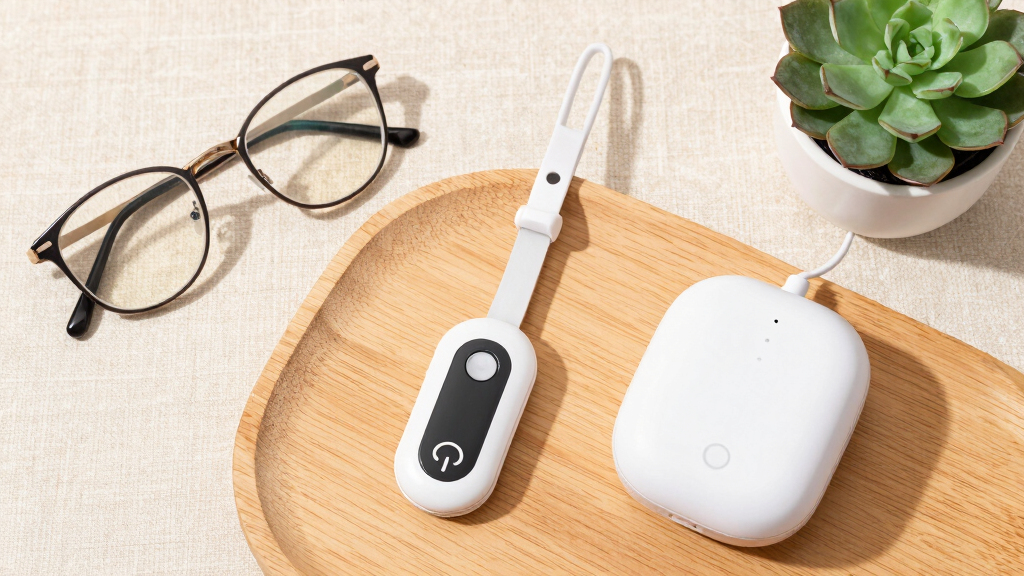
medical alert system with monitoring service
As an affiliate, we earn on qualifying purchases.
As an affiliate, we earn on qualifying purchases.
Key Facts About Medical Alert System Coverage
| Aspect | Details |
|---|---|
| Standard Medicare Coverage | Does not cover medical alert systems as a benefit. This means most seniors will need to plan for out-of-pocket expenses or alternative funding sources, which underscores the importance of exploring other options early to ensure safety without financial strain. |
| Typical Cost | $20 – $50/month out-of-pocket. Understanding these costs helps seniors budget effectively and compare options, especially since some systems offer features that might justify higher prices or savings through bundled services. |
| Medicare Advantage Plans | Some plans offer discounts or optional coverage. Checking your specific plan can reveal valuable benefits, but always verify what’s included and what costs you might still be responsible for, as this varies widely. |
| Community Programs | May provide free or subsidized systems for eligible seniors. These programs often have eligibility criteria, so applying early and understanding the requirements can maximize your chances of receiving assistance when needed. |
| Future Trends | Possible expansion of coverage in upcoming policy updates. Staying informed about legislative developments can help you prepare and advocate for more comprehensive safety coverage in the future. |
Knowing these facts and their implications enables better planning, helping seniors avoid surprises and make informed decisions about their safety investments.
Should You Rely on Medicare for Your Safety Devices?
Most seniors can’t count on Medicare to pay for medical alert systems. But that doesn’t mean you’re out of options. Think of it like buying a car—you need to budget for extras like GPS or safety features, which are often not included in the base price.
By exploring private options, leveraging discounts, and tapping into community resources, you can stay protected without the added worry of unexpected costs. This proactive approach ensures that safety isn’t left to chance, and your independence remains intact.
Remember: planning ahead for safety means understanding the landscape of available options and making informed choices. Your peace of mind depends on it, and being prepared is the best way to maintain your independence and confidence in your daily life.
Frequently Asked Questions
Does Medicare Part B cover medical alert systems?
No, Medicare Part B typically does not include coverage for medical alert systems. These devices are considered non-medical tools, so you’ll usually pay out-of-pocket.Are there any Medicare plans that include coverage for medical alert systems?
Some Medicare Advantage plans may offer optional benefits or discounts for medical alert systems, but coverage varies widely. Always review your plan’s benefits or speak with an agent.How can I get a medical alert system if Medicare doesn’t cover it?
You can purchase directly from providers, look for discounts or promotions, or explore community or non-profit programs that may offer free or subsidized systems.Are there government programs that help pay for medical alert systems?
Certain state or local programs, or non-profit organizations, may offer assistance or free systems for eligible seniors—check with local agencies or senior centers.What should I consider when choosing a medical alert system?
Look at coverage area, device type, battery life, emergency response features, and cost. For example, some systems work only at home, while others work anywhere you go.Conclusion
While Medicare doesn’t usually pay for medical alert systems, that shouldn’t leave you vulnerable. You have options—private providers, community programs, and sometimes special plan benefits—that can keep you safe and independent.
Think of it like assembling a safety toolkit. The device is just one part. Your knowledge, resources, and proactive choices make all the difference. Staying vigilant and informed is your best protection.
Grilling season Picks
grills
As an affiliate, we earn on qualifying purchases.