TL;DR
Listen free for 30 days with Audible
Thousands of audiobooks and originals — cancel anytime.
Start your free trialAs an affiliate, we earn on qualifying purchases.
When you press a medical alert button, a trained operator answers immediately, assesses your situation via two-way communication, and dispatches help if needed. Modern systems include GPS, fall detection, and 24/7 monitoring for quick, reliable assistance.
Imagine suddenly slipping and feeling helpless — and knowing a simple button press can summon help in seconds. That’s the power of a medical alert system. It’s a lifeline designed for peace of mind, turning a small device into a direct line to emergency support.
In this guide, you’ll learn exactly what happens when you press that button — from the first sound of the alarm to help arriving at your door. Understanding this process can turn uncertainty into confidence, knowing you’re protected by a system built for quick action.
Pressing a medical alert button immediately connects you to a trained operator who assesses your situation in real time.
Most emergency responses happen within 5-10 minutes, thanks to rapid dispatch and GPS technology.
Modern systems include automatic fall detection and mobile features, reducing delays in help for unresponsive users.
Accidental presses are common, but systems have protocols to cancel false alarms if you respond quickly.
Understanding your device and its features helps you stay calm and prepared during emergencies.
The Instant You Push the Button: What Really Starts to Happen
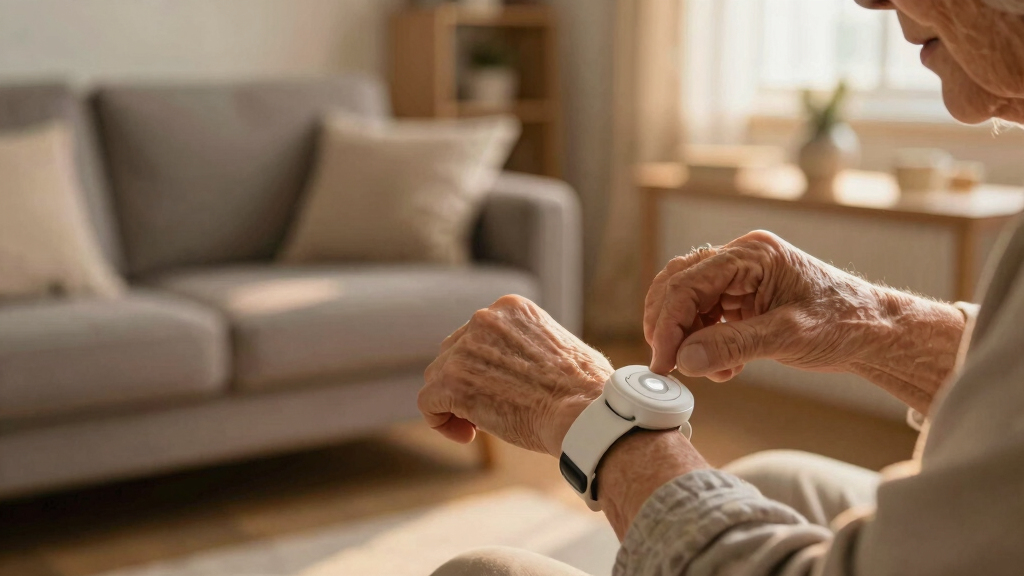
The second you press a medical alert button, the system springs into action. You’ll hear a chime or voice confirming that help is on the way. Behind the scenes, a trained emergency operator picks up your call via a two-way speaker system built into your device or base station.
They listen carefully, assess your situation, and decide the next step. This initial response is designed to be quick, calm, and reassuring — like talking to a caring friend who’s ready to help.
As an affiliate, we earn on qualifying purchases.
How the Communication Works: Talking to the Operator
Once connected, your voice is transmitted through a built-in speaker, and the operator can speak back through a microphone. This setup allows a real-time conversation. Imagine telling the operator, “I’ve fallen and can’t get up,” or simply describing your symptoms.
This back-and-forth helps the operator understand the severity of your situation. They may ask questions like your location, if you’re hurt, or if you need ambulance assistance.
For example, if you’re at home and can’t reach your phone, the system’s speaker and microphone become your direct link to emergency help — no need to shout or struggle to find your phone.
fall detection medical alert device
As an affiliate, we earn on qualifying purchases.
As an affiliate, we earn on qualifying purchases.
Dispatching Help: Who Arrives and How Fast
Based on what you tell the operator, they decide whether to send emergency services, contact a family member, or give you instructions to stay safe. If you’ve fallen and can’t move, the operator contacts local paramedics immediately.
Most emergency responses happen within 5 to 10 minutes. That’s faster than most people realize — especially compared to waiting for someone to notice you’re in trouble.
For instance, if you’re outside and call after a fall, GPS-enabled systems can pinpoint your exact location, helping rescue teams find you quickly, even if you’re unsure of where you are.
Understanding the speed and reliability of these responses is crucial because delays can significantly affect outcomes. Faster response times mean less time in danger, less pain, and better chances of recovery. The technology, such as GPS, not only speeds up help but also reduces the stress and uncertainty during emergencies, allowing users and their families to feel more confident about safety.
24/7 emergency medical alert system
As an affiliate, we earn on qualifying purchases.
As an affiliate, we earn on qualifying purchases.
Different Devices, Different Responses: What Kind of Button Do You Use?
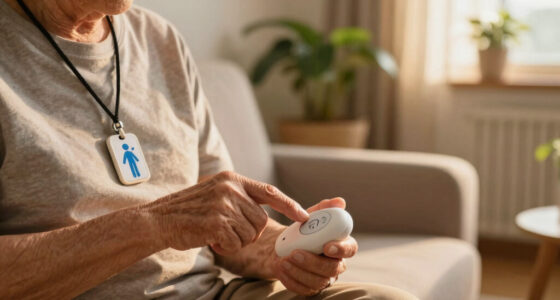
Medical alert devices come in various forms: pendants, wristbands, or buttons installed around the home. When pressed, all connect to the monitoring center in a similar way. But some have extra features, like automatic fall detection or GPS tracking.
For example, a pendant worn around your neck can be pressed if you’re sitting, lying down, or even outside. Meanwhile, a home-based system with a wearable button can also detect if you’ve fallen without you pressing it, thanks to sensors embedded in the device.
Understanding your device type helps you know what to expect when help is needed.
medical alert button with two-way communication
As an affiliate, we earn on qualifying purchases.
As an affiliate, we earn on qualifying purchases.
What Happens When You Accidentally Hit the Button?
Accidents happen. If you press the button by mistake, most systems include a way to cancel the alert. Usually, the operator will ask, “Is everything okay?” If you say yes, they’ll cancel the dispatch and close the call.
However, it’s important to respond promptly. If you don’t answer or stay silent, they’ll assume it’s a real emergency and send help — which could lead to unnecessary dispatches.
A good tip: keep your system’s contact info nearby, and always let the operator know if it was a mistake. Being aware of how to quickly cancel false alarms reduces unnecessary emergency responses, which is vital because dispatching emergency services involves costs, resources, and potential disruptions. Proper handling of accidental presses also helps maintain the system’s efficiency and ensures help is available when truly needed.
Fast, Reliable Help: How Quickly Will Help Arrive?
Response times vary based on your location, device, and the emergency. Typically, professional monitoring centers aim to answer within 1 minute and dispatch help within 5 minutes if needed.
Imagine calling during a fall. The rescue team could be at your door before you even finish describing what happened. According to studies, quick response times like these can significantly improve recovery chances and reduce complications.
For outdoor users with GPS-enabled devices, location accuracy ensures help reaches precisely where you are — whether on a trail or in your backyard.
Understanding these response times and the factors influencing them helps you appreciate the importance of choosing the right system and being prepared for emergencies. Faster help not only minimizes potential injuries but also provides peace of mind, knowing that help is always within reach.
Beyond the Button: Automatic Fall Detection and Smart Features
Modern medical alert systems do more than just wait for you to press a button. Many include automatic fall detection, which uses sensors to recognize sudden drops or impacts. When a fall is detected, help can be summoned without you pressing a thing.
For example, if you trip while gardening and can’t get up, the system automatically alerts the monitoring center. Some systems also sync with smartphones, GPS, and health apps, providing a richer safety net.
This tech reduces the risk of delayed help, especially if you’re unconscious or unable to call.
While these features greatly enhance safety, it’s important to understand their limitations. Fall detection isn’t infallible—false alarms can occur, especially if the sensors misinterpret sudden movements or impacts. Therefore, it’s essential to weigh the convenience of automatic alerts against the possibility of unnecessary dispatches. Proper calibration and understanding of your device’s capabilities help maximize benefits while minimizing inconvenience or false alarms.
What Comes After Help Arrives?
Once emergency services arrive, they’ll assess your condition and transport you if necessary. The monitoring center stays in contact, relaying vital info to responders and your loved ones.
Suppose you’re taken to the hospital after a fall. The system’s data — like the time of the alert, your location, and fall details — can be shared with your healthcare team for better treatment planning.
So, pressing that button not only summons help but also creates a quick link to your ongoing medical care.
This continuity of care is vital because it ensures that emergency responses aren’t just momentary fixes but part of a comprehensive approach to your health and safety. The information gathered during the emergency can inform your healthcare providers, leading to better diagnosis, treatment, and prevention strategies in the future.
Frequently Asked Questions
What exactly happens when I press the medical alert button?
Pressing the button instantly alerts a trained monitoring center. They answer via two-way communication, assess your situation, and dispatch emergency services or contact your loved ones based on your needs.
Will emergency services be automatically dispatched?
Emergency services are dispatched if you’re unresponsive, have fallen, or specify an urgent need. Some systems with fall detection or GPS can automatically trigger help without a manual button press.
How fast will help arrive after I press the button?
Most professional centers respond within 1 minute, with help arriving in about 5-10 minutes. Response times depend on your location, device features, and the nature of your emergency.
Can I accidentally trigger the alarm?
Yes, accidental presses happen. Most systems allow you to cancel false alarms by confirming your safety. Staying aware and responding promptly helps prevent unnecessary dispatches.
Are systems with automatic fall detection reliable?
Modern fall detection technology is highly sensitive but not perfect. It’s designed to minimize false alarms while catching real falls, especially helpful if you’re unconscious or unable to call.
Conclusion
Think of your medical alert system as a safety net woven with technology and human care. When you press that button, you’re activating a chain of quick, professional responses designed to keep you safe and connected. It’s more than a device — it’s peace of mind wrapped in simplicity.
Remember, knowing exactly what happens behind the scenes can turn fear into confidence. Your safety starts the moment you press that button — and help is always just seconds away.
Flea & tick season Picks
flea and tick prevention
As an affiliate, we earn on qualifying purchases.