
TL;DR
Open a free Amazon Business account
Business pricing, bulk buying and tax-exempt orders.
Create a free accountAs an affiliate, we earn on qualifying purchases.
GPS medical alerts provide outdoor mobility and real-time location sharing, ideal for active seniors. Home-based systems focus on in-home safety with sensors and emergency buttons. Both options are evolving with smart tech, but choosing depends on your daily routines.
What Do GPS Medical Alerts Do Better Than Home Systems?
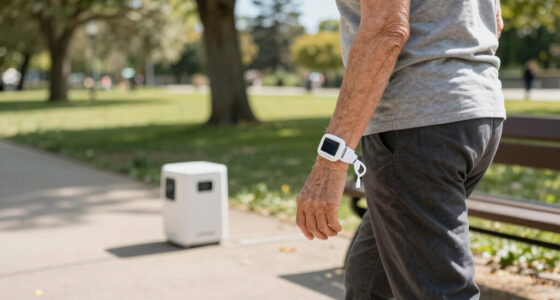
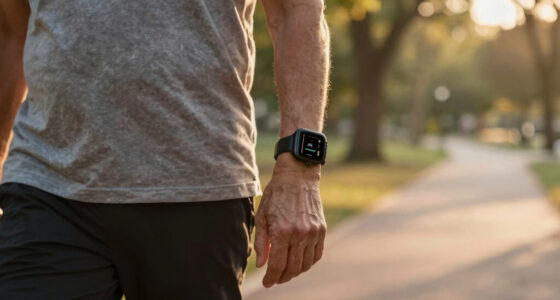
GPS medical alerts are built for **outdoor freedom**. They let you call for help and share your exact location in real-time, no matter if you’re in the park, running errands, or hiking a trail. For example, if you’re a senior who loves gardening or a retiree taking a daily walk, GPS alerts keep you connected. They use cellular networks and satellite signals to pinpoint your position, making emergency response faster and more precise. Think of it as carrying a tiny, high-tech safety satellite in your pocket.
In contrast, home-based systems are like a safety net wrapped around your house. They work with emergency buttons, motion sensors, and fall detectors that trigger alerts within your home or to a monitoring center. If you accidentally slip in the bathroom or faint during breakfast, these systems spring into action. But they don’t track you outside your front door. So, if your outdoor safety is your priority, GPS alerts are the clear winner.
Choosing between these options hinges on understanding what situations you want to be prepared for. If your daily routine involves outdoor activities, a GPS alert system ensures you’re protected wherever you go. Conversely, if you spend most of your time inside, focusing on immediate surroundings, home systems provide a reliable layer of protection without the need for constant outdoor tracking. The tradeoff is that GPS systems can be more expensive and require charging and maintenance, but they offer unparalleled mobility and peace of mind outside the home.
GPS medical alert device for seniors
As an affiliate, we earn on qualifying purchases.
As an affiliate, we earn on qualifying purchases.
The Key Tech Differences Between GPS and Home Systems
| Feature | GPS Medical Alerts | Home-Based Systems |
|---|---|---|
| Location Tracking | Real-time outdoor GPS positioning, which allows precise location sharing during emergencies outside the home. This is vital for outdoor safety, as it reduces response times and helps responders find you quickly in unfamiliar or remote areas. | |
| Mobility | Supports outdoor activities, walking, traveling, and even excursions into nature. This flexibility means seniors can maintain independence without sacrificing safety, but it also means the device must be charged regularly and maintained to function properly. | |
| Connectivity | Cellular networks and satellite signals that enable coverage across vast areas, but can be affected by bad weather or dense urban environments. This makes understanding signal strength and coverage maps essential before relying solely on GPS alerts. | |
| Coverage Area | Anywhere with cellular reception, which includes most urban and suburban areas but can be limited in remote or underground locations. This geographic limitation influences the decision for those who frequently travel or hike in secluded areas. | |
| Device Type | Wearable or portable device, designed for convenience and ease of access during outdoor activities. The portability ensures help is always within reach but requires regular charging and comfort considerations. | |
| Cost | Device + monthly cellular plan, which can add up over time. While initial costs are higher, the ability to move freely outdoors offers significant benefits, especially for active seniors or outdoor enthusiasts who value independence. |
As an affiliate, we earn on qualifying purchases.
Why Home Systems Still Matter — And When They Shine
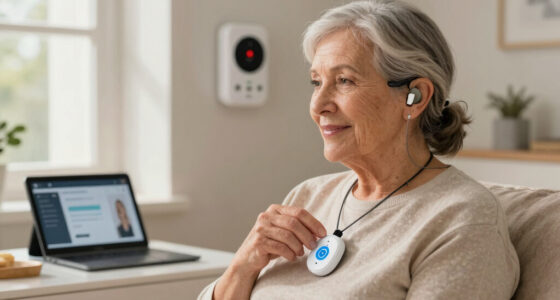
Imagine waking up with a sore ankle or feeling dizzy. In those moments, a home-based system can be your first line of defense. These systems excel in **indoor safety**, with easy-to-press emergency buttons and sensors that detect falls or inactivity. They’re perfect for seniors who mostly stay at home or for families wanting a safety net in the living room or bedroom.
For example, a fall sensor on the bathroom wall can automatically alert family members if you don’t get up after a certain time, even if you can’t press a button. They’re often less expensive upfront and don’t require a cellular plan, making them accessible and straightforward. Their reliability hinges on the stability of your home’s Wi-Fi or landline connection, which is generally consistent but can be disrupted by technical issues or power outages. If your lifestyle is mostly indoors or you value a simple, dependable safety system, home systems provide peace of mind without the complexity of outdoor tracking.
However, it’s important to recognize that home systems are limited to your house’s boundaries. They don’t provide protection when you’re outside or away from your home environment. Therefore, they are most effective when complemented with outdoor safety measures if needed. The tradeoff is that they are usually easier to install and maintain, but their scope is confined to indoor spaces, making them less suitable for active outdoor lifestyles.
As an affiliate, we earn on qualifying purchases.
How Modern Tech Is Blurring the Lines
Today’s safety tech doesn’t have to be all-or-nothing. Many providers now offer **hybrid systems** that combine GPS and home monitoring. For instance, some devices include GPS for outdoor use but also connect to your home Wi-Fi or landline for indoor alerts. This integration provides seamless coverage, reducing gaps in safety and offering peace of mind whether you’re inside or outside.
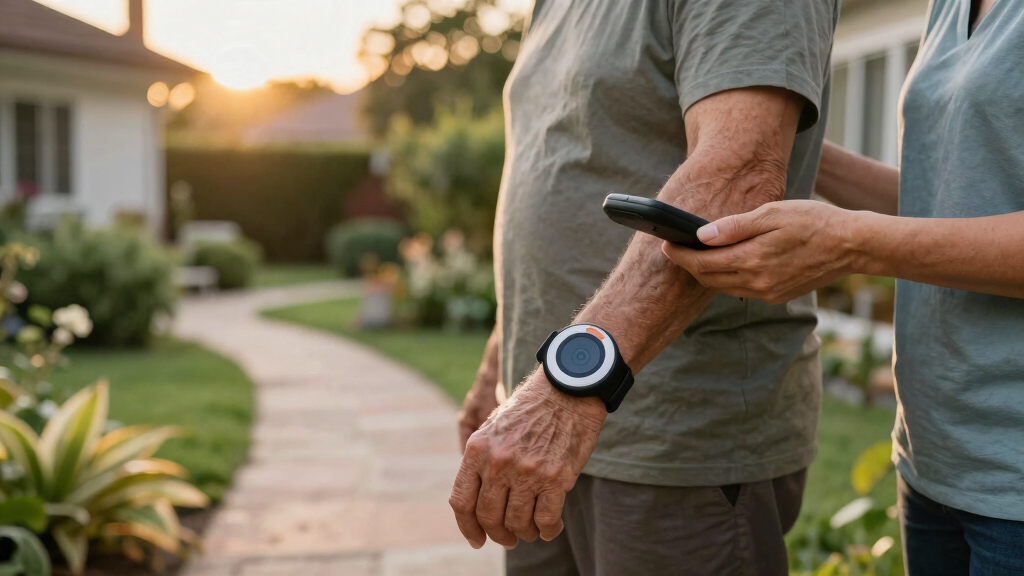
Smart home integrations further enhance this versatility by allowing alerts to be sent directly to your smartphone, voice assistants, or even your smartwatch. This means you can receive real-time updates and respond quickly no matter where you are in your home or outside. Moreover, AI-driven features can analyze your activity patterns to predict potential health issues or falls before they happen, enabling preventive action. Wearable health monitors with GPS, fall detection, and heart rate sensors are becoming more common, consolidating multiple safety features into a single, easy-to-wear device. This technological convergence helps reduce the complexity of managing multiple devices and ensures comprehensive safety coverage tailored to your lifestyle.
As an affiliate, we earn on qualifying purchases.
What You Need to Know About Costs and Reliability
Cost varies widely. GPS systems usually cost more upfront and have ongoing monthly fees for cellular plans, often ranging from **$30 to $50 per month**. These expenses are justified by the mobility and rapid response capabilities they offer, especially for those who frequently venture outdoors. Home systems might have a one-time device cost of a few hundred dollars, with optional monthly monitoring fees around **$20 to $40**. While initial costs are lower, ongoing fees for professional monitoring can add up over time. Reliability depends on the environment: GPS signals can be affected by tall buildings, bad weather, or dense urban areas, potentially reducing accuracy or responsiveness. Conversely, home sensors depend on Wi-Fi or landline stability, which can be compromised by technical issues or power outages.
Understanding these tradeoffs helps you anticipate potential limitations. For outdoor emergencies, GPS alerts tend to respond faster because they pinpoint your exact location, but they require regular charging and coverage checks. Inside, home systems can be more reliable if your Wi-Fi connection is strong, but they are limited to your house’s boundaries. The choice hinges on balancing cost, reliability, and your specific safety needs in various environments.
Which System Works Best for Your Lifestyle?
Are you mostly at home? Then a **home-based system** might suit you best. If you love outdoor activities, travel frequently, or want to feel safe walking alone, a **GPS alert system** is likely the better fit. Think about your daily routine:
- Active outdoors? GPS is your friend.
- Stay mostly inside? Home sensors do the job.
- Mix of both? Consider a hybrid solution.
Matching your safety system to your lifestyle makes a real difference in peace of mind and responsiveness. For example, outdoor enthusiasts might find that the added mobility and quick response of GPS systems outweigh the higher costs, whereas someone who rarely leaves the house might prefer the simplicity and cost-effectiveness of home sensors. The key is to assess where you spend most of your time and how your environment could impact emergency response times.
Key Takeaways for Making the Right Choice
- GPS alerts excel outdoors with real-time location sharing, ideal for active seniors and outdoor enthusiasts.
- Home systems are perfect indoors for fall detection, emergency buttons, and monitoring motion or inactivity.
- Hybrid options are growing, combining both GPS and home sensors for full coverage.
- Costs vary: GPS systems often require ongoing cellular fees, while home systems have lower initial costs.
- Environment matters: GPS can be affected by weather or terrain, while Wi-Fi-based sensors depend on your home’s connectivity.
Frequently Asked Questions
Can I switch between GPS and home systems easily?
Yes. Many providers offer hybrid solutions or allow you to upgrade or add features over time. It’s best to check with the provider about flexibility and compatibility.Are GPS alerts reliable when outdoors?
Generally, yes. GPS alerts are designed to work in most outdoor environments, but factors like dense urban areas or bad weather can sometimes affect signal accuracy. Always test your device regularly.How do I know if a system is easy enough to use?
Look for systems with simple buttons, clear instructions, and good customer support. Hands-on demos or reviews can help you judge if the device’s interface suits your tech comfort level.Will insurance or Medicare cover these devices?
Coverage varies. Some devices may be reimbursed if prescribed by a healthcare provider. Check with your insurance or Medicare provider for specific policies.Conclusion
Choosing between GPS medical alerts and home-based systems depends on your lifestyle and safety needs. The best solution integrates what you do every day with the latest tech innovations.
Picture yourself confidently walking in the park or enjoying a cozy day at home, knowing help is just a button press or a quick call away. Your safety technology should match your rhythm — simple, reliable, and fitting your life’s pace.
Labor Day sales Picks
labor day deals
As an affiliate, we earn on qualifying purchases.