
TL;DR
Fall detection in wearables uses sensors like accelerometers and gyroscopes combined with smart algorithms to identify falls. These devices can achieve 80-95% accuracy, but false alarms remain a challenge. Better AI and multi-sensor setups continue to improve reliability and safety.
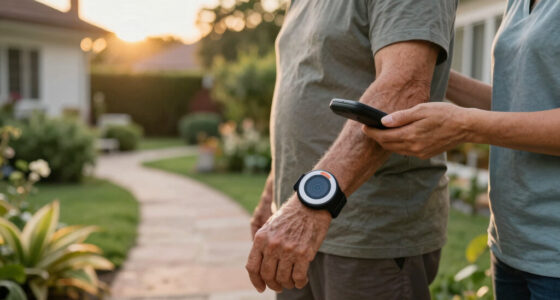
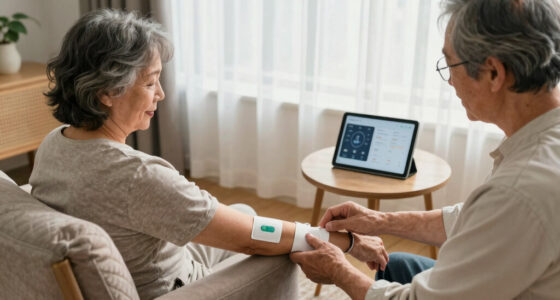
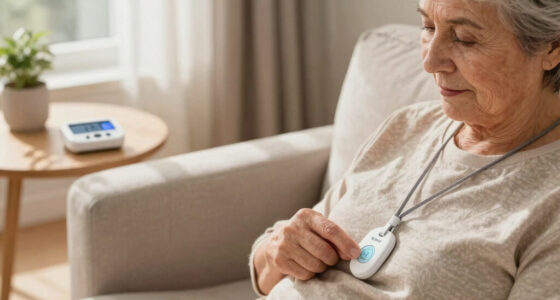
Imagine slipping unexpectedly on a wet floor or losing balance on a staircase. That sudden jolt, the thud, the moment of silence afterward. Now, picture a tiny device tucked into your clothing or worn as a bracelet, instantly recognizing that fall and sending help. Fall detection in wearable devices is transforming safety for vulnerable populations, especially seniors. It’s not just about alarms; it’s about peace of mind, quick help, and reducing injuries.
In this guide, you’ll learn exactly how these devices spot a fall, what tech makes them tick, and how they keep improving. Whether you’re considering one for yourself or a loved one, understanding the ins and outs helps you see what’s real and what’s future-facing tech.
Modern fall detection relies on combining accelerometers, gyroscopes, and advanced algorithms for 80-95% accuracy.
AI models are continuously improving, learning from user patterns to reduce false alarms.
Multi-sensor setups and cloud integration help detect falls more reliably and trigger faster emergency responses.
Regular updates and user feedback are key to making these devices more accurate over time.
While technology advances, no device can catch every fall — awareness and proper use remain essential.
How Sensors Detect a Fall in Real Time
Accelerometers are the main sensors in fall detection devices. They measure sudden changes in speed — think of it as feeling how fast you’re moving. When you trip or slip, your body accelerates rapidly, often reaching over 3g (three times gravity). Devices pick up these sharp spikes.
Next, gyroscopes track rotational movements, helping differentiate between a fall and normal actions like bending or sitting down. For example, if you stumble forward but don’t rotate excessively, the device recognizes it’s not a fall.
Some advanced gadgets include barometers, which sense quick altitude drops — useful if you fall from stairs or a ladder. Imagine a wearable that detects your rapid descent from a step, confirming a fall even if the impact isn’t severe.
Understanding how these sensors work together is crucial because it directly influences the device’s ability to distinguish between actual falls and everyday movements. The sensors’ sensitivity must be balanced: too sensitive, and false alarms increase; too insensitive, and real falls might go unnoticed. This delicate tradeoff impacts user trust and safety outcomes.
fall detection wearable device
As an affiliate, we earn on qualifying purchases.
As an affiliate, we earn on qualifying purchases.
How Smart Algorithms Decide It’s a Fall, Not a Slip
Fall detection devices don’t just rely on raw sensor data. They use smart algorithms to analyze movement patterns. These algorithms combine data from accelerometers, gyroscopes, and sometimes other sensors, creating a comprehensive picture of your movement. The complexity of this analysis is what makes these devices more accurate and reliable.
For instance, if your device detects a sudden spike in acceleration paired with a rotation over 45 degrees, it’s likely a fall. But if you bend over slowly or sit down carefully, the numbers stay below the threshold. This differentiation is essential because everyday activities can sometimes mimic falls, leading to false alarms. Sophisticated algorithms help reduce these by recognizing the context and pattern of movements.
Some devices employ machine learning models, which analyze vast amounts of data from different users and scenarios to improve over time. This adaptive learning means the device can better distinguish between actual falls and benign movements, reducing unnecessary alerts. The implication here is that as these algorithms become more refined, the balance shifts toward fewer false alarms without compromising detection sensitivity. However, this also raises considerations about data privacy and the need for continuous updates to maintain accuracy.

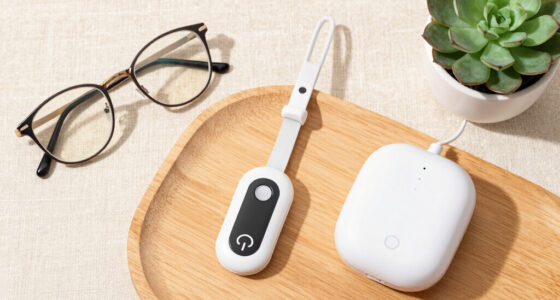
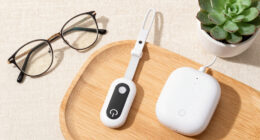
Life Alert System No Monthly Fee, Caregiver Pager Call Button for Elderly at Home, Medical Alert Systems for Seniors with App, Panic Button Alarm System, 2.4GHz WiFi Receiver, Necklace, Bracelet
LIFE ALERT SYSTEM NO MONTHLY FEE – This Wi-Fi caregiver pager call button designed for elderly parents and…
As an affiliate, we earn on qualifying purchases.
As an affiliate, we earn on qualifying purchases.
Reducing False Alarms Without Missing Real Falls
False alarms happen when the device mistakes everyday movements for falls. To cut these down, modern wearables combine multiple sensor readings and context clues. For example, a quick sit-down might register as a fall if only acceleration is considered. But if the device also sees a gentle rotation and no impact, it dismisses it. This multi-sensor approach is vital because it enhances the device’s ability to accurately interpret complex movements, reducing unnecessary alerts that can cause alarm fatigue or desensitization.
Some systems ask users to confirm if they’re okay before alerting emergency contacts. This user interaction adds a layer of verification and helps the system learn over time. Additionally, feedback from false alarms—such as dismissing an alert—helps the device refine its detection criteria, making future predictions more precise. Essentially, these strategies aim to strike a balance: minimizing false alarms without missing genuine falls, which is critical because false positives can lead to unnecessary anxiety and resource deployment, while missed detections can have serious safety consequences.
Regularly updating your device’s software and providing feedback is not just a technical recommendation; it’s a practical way to ensure your device adapts to your routines and environment. This continuous learning process enhances reliability and user trust, making the technology more effective in real-life scenarios.

Fajocru Fall Detection Smart Watch for Seniors with GPS Tracking, SOS Alert & HD Video Call, Waterproof Fitness Tracker for Dementia/Alzheimer’s, 4G Safety (Red)
Advanced Fall Detection for Seniors Safety:Designed specifically as a life-saving fall alert device for elderly users, this smart…
As an affiliate, we earn on qualifying purchases.
As an affiliate, we earn on qualifying purchases.
Conclusion
Fall detection wearables are becoming smarter, more reliable, and more seamless to wear. They transform safety from a distant concern into a real-time safety net, especially for those most vulnerable. Remember, these devices are tools — use them, update them, and stay aware.
Think of your wearable as a vigilant friend, always watching, always ready to call for help. In a world full of surprises, that peace of mind is worth every penny.

Rakstore LSM6DS3 6-axis Inertial Sensor Module 3-axis Accelerometer + 3-axis Gyroscope SPI/IIC Interface
Power supply voltage: 3.3V
As an affiliate, we earn on qualifying purchases.
As an affiliate, we earn on qualifying purchases.