
TL;DR
Listen free for 30 days with Audible
Thousands of audiobooks and originals — cancel anytime.
Start your free trialAs an affiliate, we earn on qualifying purchases.
Many medical alert systems now operate without a landline, relying on cellular networks or Wi-Fi. They offer mobility and easier setup but depend on network coverage and may cost more monthly.
Imagine needing help in an emergency, but your home’s landline is dead or disconnected. You might wonder, can a medical alert system still connect you to help? The answer is increasingly yes. As technology advances, wireless systems that don’t rely on landlines are taking center stage. They promise more freedom, easier setup, and better mobility for users who want help on their terms.
In this guide, you’ll learn how these wireless systems work, their strengths and weaknesses, and what features matter most. Whether you’re considering a device for yourself or a loved one, knowing your options can make all the difference in an emergency.
Most modern medical alert systems now operate without a landline, relying on cellular or Wi-Fi networks.
Reliability depends on good cellular coverage; signal boosters can improve connection in weak areas.
Wireless systems offer mobility, outdoor use, and easier installation—great for active or remote users.
Expect higher monthly costs for cellular plans, but gain features like GPS, fall detection, and portability.
Always verify coverage and features before choosing a wireless system to ensure it fits your lifestyle.
Why Most Medical Alert Systems No Longer Need a Landline
Traditionally, many medical alert systems depended on a landline to connect you with emergency responders. If the phone line was cut or unavailable, help couldn’t reach you. Today, the landscape has shifted. Over 80% of new models operate solely on cellular or Wi-Fi networks, making them much more flexible.
Imagine a senior living in a rural area with spotty landline service. A wireless system using LTE or 4G can connect through the strongest cellular signals, ensuring help is just a push away. This shift was driven by the need for easier installation, fewer wires, and the rise of mobile technology.
For example, a user in a suburban home without a landline found that switching to a cellular model meant no more drilling or wiring. They simply activated their device on their mobile network, and help was always within reach.

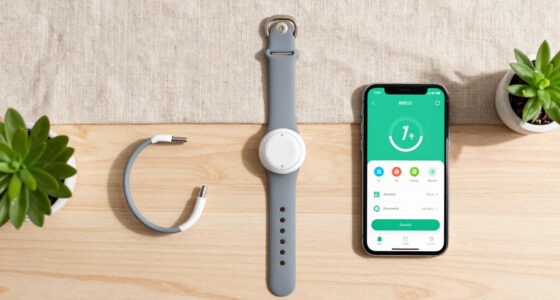
Life Alert Systems for Seniors No Monthly Fee App-Controlled, Medical Alert Systems for Seniors with 2Call Button1Waterproof Wristband 1Receiver and1-6 LED Number Display (Only Supports 2.4GHz Wi-Fi)
- Waterproof Wrist Remote: Wearable remote control for safety
- Remote Care for Elderly: Connects to phone for alerts
- Reliable Dual Channel: WiFi and wireless signals up to 300ft
As an affiliate, we earn on qualifying purchases.
As an affiliate, we earn on qualifying purchases.
How Wireless Systems Keep You Connected Without a Landline
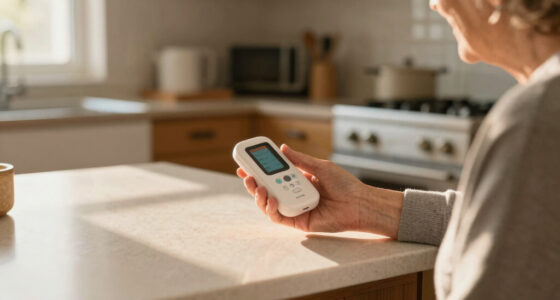
Wireless systems connect you to emergency responders through cellular networks or Wi-Fi. Think of them as a smartphone with a built-in emergency button. When pressed, they send a signal via LTE, 4G, or Wi-Fi to a monitoring center.
Here’s how they generally work:
- You press the button on your device or wearable.
- The device transmits your location and alert via cellular or Wi-Fi.
- The monitoring center gets your call and dispatches help if needed.
For example, a fall in the garden triggers the device. The system then uses the strongest network available—say, LTE if Wi-Fi is weak—to connect you instantly. No landline needed. This setup is especially beneficial for outdoor use or homes without traditional wiring.
However, reliability hinges on good cellular coverage. Areas with poor signal may experience delays or dropped connections. Many providers now include signal boosters or multiple network options to counteract this. It’s crucial to understand that, unlike landlines, which are usually stable and dedicated, wireless connections can be affected by environmental factors, which means users might face occasional disruptions. This tradeoff emphasizes the importance of assessing your location’s coverage and the provider’s reliability guarantees before choosing a wireless system.

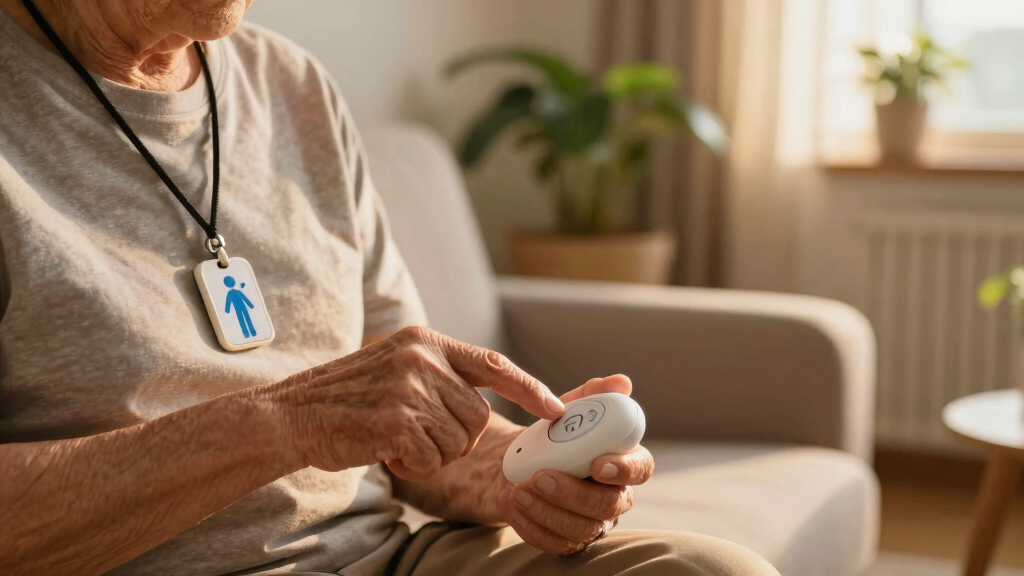
Smart Med Alert Cellular Medical Alert Necklace with Emergency Button for Elderly, 24/7 Monitoring, Fall Detection for Seniors, Water-Resistant, Wearable Pendant with 2-Way Communication, GPS Tracking
- Subscription Cost: $39.95/month emergency service
- Emergency Response: 24/7 SOS with 2-way communication
- Cellular Connectivity: Nationwide AT&T 4G LTE coverage
As an affiliate, we earn on qualifying purchases.
As an affiliate, we earn on qualifying purchases.
Comparing Landline and Wireless Medical Alert Systems Side-by-Side
| Feature | Landline-Based System | Wireless (Cellular/Wi-Fi) System |
|---|---|---|
| Requires landline? | Yes | No |
| Installation complexity | Requires wiring and setup near phone jack | Simple, often plug-and-play |
| Mobility outside the home | Limited | Yes, wearable and portable options available |
| Coverage dependency | None | (phone line)Cellular or Wi-Fi coverage |
| Cost | Lower monthly fees, no cellular plan needed | Higher monthly fees, cellular service costs |
| Features | Basic call button | GPS, fall detection, remote help, two-way voice |
Choosing between them depends on your setup, mobility needs, and coverage. For example, if you value outdoor use, a wireless device with GPS is ideal because it allows for location tracking and immediate assistance anywhere outside the home. Conversely, a landline system might be more cost-effective if you primarily need help inside a fixed location, but it sacrifices mobility and flexibility. Understanding these tradeoffs helps you select a system that aligns with your lifestyle and safety priorities.

UnaliWear Kanega Watch Fall Detection for Seniors, Included Medical Alert System, Cellular WiFi and GPS Fall Alert Device, 2 Months Subscription Included
- Emergency Assistance: Immediate help in emergencies
- Fall Detection: Automatically detects and alerts falls
- 24/7 Protection: Swappable batteries for continuous use
As an affiliate, we earn on qualifying purchases.
As an affiliate, we earn on qualifying purchases.
What to Watch Out for with Wireless Medical Alert Systems
Wireless systems aren’t perfect. The biggest challenge? Cellular and Wi-Fi coverage. If you live in a remote area or a spotty signal zone, your device might struggle to connect during an emergency, potentially delaying help when it’s needed most. This can be a critical tradeoff, as reliance on wireless means your safety depends heavily on network reliability.
For example, a user in a mountain cabin found that their LTE signal was too weak, causing delays in help dispatch. Such situations highlight the importance of testing coverage beforehand and considering solutions like signal boosters or dual-SIM devices that can switch between carriers. These options can significantly improve reliability but may add to the overall cost and complexity of the system.
Another consideration is ongoing costs. Monthly fees for cellular plans can range from $20 to $50, which might be a significant expense over time, especially if the user doesn’t need frequent assistance. Additionally, many devices require regular charging, and neglecting this can leave the user unprotected. Battery backup is also crucial; many models now include backup batteries lasting several hours, but always verify this feature to ensure continuous protection during outages. Recognizing these limitations and proactively addressing them ensures that wireless systems deliver on their promise of safety without unexpected gaps.

LogicMark Freedom Alert, Landline Personal Emergency Device, 2-Way Call with Family and Police for Home Safety, Device for Seniors and The Elderly
- Home Safety with 2-Way Communication: Connects with family and emergency services
- Landline-Based Emergency Device: Uses existing landline for reliable connection
- Two-Way Voice Pendant: Full communication with loved ones or responders
As an affiliate, we earn on qualifying purchases.
As an affiliate, we earn on qualifying purchases.
How to Pick the Best Wireless System for Your Needs
Choosing the right wireless medical alert system isn’t just about avoiding landlines. It’s about matching features with your lifestyle and environment to ensure safety and convenience.
Here’s a quick step-by-step:
- Assess your area’s cellular coverage—use coverage maps or ask providers. Knowing your signal strength helps prevent surprises in an emergency.
- Decide if features like GPS, fall detection, or two-way voice matter to you. These can significantly enhance safety but may come at a higher cost or require more maintenance.
- Compare costs, including monthly fees and device charges. Balance your budget with your safety needs to find a sustainable solution.
- Check battery life and backup options for power outages. A longer-lasting battery and reliable backup can be critical during extended outages.
- Read customer reviews and ask providers about reliability guarantees and customer support. Reliable service and responsive support can make a difference during urgent situations.
For example, someone living in a rural area with spotty coverage might prioritize a system with a signal booster and GPS to ensure help is available outdoors. Conversely, a city dweller may focus on fall detection and quick response features, which are more relevant in densely populated areas. Tailoring your choice to your environment and needs ensures you get a system that truly enhances your safety and independence.
Your Best Bet? Wireless Systems That Work Without Landlines
Today’s top medical alert systems are increasingly wireless, offering convenience and mobility. They use LTE, 4G, or Wi-Fi to connect you to help in seconds. If coverage is good, these devices are just as reliable—if not more—than traditional landline models.
Consider the scenario of a caregiver who wants their loved one to have help even outside the house. A wireless system gives peace of mind during walks, trips, or outdoor gardening. Plus, setup is often quick, with no need for drilling or rewiring.
Remember, the key is checking your area’s coverage, understanding costs, and choosing features aligned with your lifestyle. Wireless systems aren’t just a modern alternative—they’re becoming the standard because of their flexibility, ease of use, and the ability to stay connected anywhere. This shift means that more users can enjoy reliable safety features without being tethered to traditional landline wiring, enhancing independence and peace of mind for many.
Frequently Asked Questions
Can I use a medical alert system without a landline?
Yes, most modern systems rely on cellular or Wi-Fi networks, making landlines unnecessary. Just ensure your area has good coverage for reliable service.Are wireless medical alert systems reliable?
Generally, yes—if you live in an area with strong cellular signals. Many systems now include signal boosters or multiple network options to enhance reliability.What happens during a power outage?
Many wireless systems have backup batteries lasting several hours, so help is available even if the power goes out. Always check battery life before purchasing.How much do wireless systems cost monthly?
Expect to pay between $20 and $50 monthly, depending on features and provider. Consider this ongoing cost when choosing a system.Can I use a wireless system outdoors?
Yes, many include GPS and fall detection features suited for outdoor use. Just verify your coverage area supports reliable cellular signals.Conclusion
Wireless medical alert systems without landlines have become more than just a convenience—they’re a smart choice for safety and independence. With the right coverage and features, you can stay connected wherever life takes you.
Remember, technology keeps evolving. Keep your options open and pick a system that truly fits your needs. When seconds matter, reliable help is just a push away—no landline required.
Labor Day sales Picks
labor day deals
As an affiliate, we earn on qualifying purchases.