TL;DR
Listen free for 30 days with Audible
Thousands of audiobooks and originals — cancel anytime.
Start your free trialAs an affiliate, we earn on qualifying purchases.
Recent studies indicate that a significant number of cholesterol tests might produce inaccurate results, affecting millions of people’s health assessments. The issue could lead to misdiagnosis and inappropriate treatment.
Millions of people could be receiving inaccurate cholesterol test results, according to recent research. The findings suggest that current testing methods may not reliably measure key cholesterol levels, which are critical for assessing cardiovascular risk. This development matters because it could influence diagnosis, treatment decisions, and public health strategies.
Multiple studies published in recent weeks have raised concerns about the accuracy of standard cholesterol testing methods used in clinics and laboratories worldwide. Researchers found that certain tests, particularly those relying on indirect measurement techniques, may underestimate or overestimate levels of low-density lipoprotein (LDL) cholesterol, often called ‘bad’ cholesterol. This discrepancy could lead to misclassification of patients’ cardiovascular risk profiles.
Experts from several health institutions note that inaccurate cholesterol readings could result in both over-treatment and under-treatment. Patients with genuinely high risk might not receive necessary interventions, while others could be subjected to unnecessary medication, exposing them to potential side effects. The issue appears to be widespread, affecting millions of cholesterol tests conducted annually.
Health authorities and testing companies have acknowledged the concerns but emphasize that further validation is needed. Some laboratories are already reviewing their testing protocols, and new guidelines are being considered to improve accuracy and reliability across different testing platforms.
Implications for Cardiovascular Risk Assessment and Treatment
This potential inaccuracy in cholesterol testing could have significant health implications. Since cholesterol levels are a cornerstone of cardiovascular risk evaluation, unreliable results may lead to incorrect diagnoses, inappropriate medication use, and missed opportunities for early intervention. If confirmed, this issue could prompt a review of testing standards and influence clinical guidelines globally, ultimately affecting patient outcomes and healthcare costs.

CURO-L7 Professional Grade Blood Cholesterol Testing with Home KIT – All-in-One Test Device, Test Strips 5ea, Lancets, and EziTube Rod Included
- All-in-One Testing Kit: Includes device, strips, lancets, and rod
- Professional Grade Accuracy: Reliable blood cholesterol readings
- User-Friendly Design: Easy to use with clear instructions
As an affiliate, we earn on qualifying purchases.
As an affiliate, we earn on qualifying purchases.
Widespread Use of Cholesterol Tests and Past Concerns
Cholesterol testing has been a routine part of cardiovascular health assessment for decades, with millions of tests performed annually worldwide. Most tests rely on indirect measurement methods, which can be affected by various factors such as sample handling and testing technology. Previous research has flagged potential inaccuracies in some testing methods, but recent studies suggest the problem may be more widespread than previously thought.
In recent years, there has been increased scrutiny of diagnostic tests used in primary care, driven by advances in technology and a better understanding of cardiovascular risk factors. The current findings add to this ongoing debate, highlighting the need for standardized, reliable testing protocols.
“The accuracy of cholesterol testing is fundamental for proper risk assessment. These new findings suggest we may need to rethink how we measure and interpret these results.”
— Dr. Susan Lee, Cardiologist and Researcher
CURO-L7 Professional Grade Blood Cholesterol Testing with Home KIT – All-in-One Test Device, Test Strips 5ea, Lancets, and EziTube Rod Included
- All-in-One Testing Kit: Includes device, strips, lancets, and rod
- Professional Grade Accuracy: Reliable blood cholesterol readings
- User-Friendly Design: Easy to use with clear instructions
As an affiliate, we earn on qualifying purchases.
As an affiliate, we earn on qualifying purchases.
Extent and Impact of Test Inaccuracies Still Unclear
While recent studies point to potential widespread inaccuracies, the full extent of the problem remains unclear. It is not yet confirmed how many tests are affected or how much the results deviate from true cholesterol levels in different populations. Further validation and large-scale assessments are underway to determine the scope of the issue.

CURO L5 Blood Cholesterol Test Strips Includes Total Cholesterol Test Strips 10 ea (Device NOT Included)
- Test Type: Total Cholesterol (TC) Test Strip
- Testing Capability: Simultaneous Lipids Testing
- Sample Collection: Quick Capillary Blood Draw
As an affiliate, we earn on qualifying purchases.
As an affiliate, we earn on qualifying purchases.
Further Validation and Potential Guideline Revisions Underway
Researchers, health authorities, and testing companies are expected to conduct additional studies over the coming months to evaluate the accuracy of current testing methods. Pending these results, there may be updates to testing guidelines and standards, along with increased scrutiny of laboratory practices. Patients and clinicians should stay informed about potential changes in testing protocols.
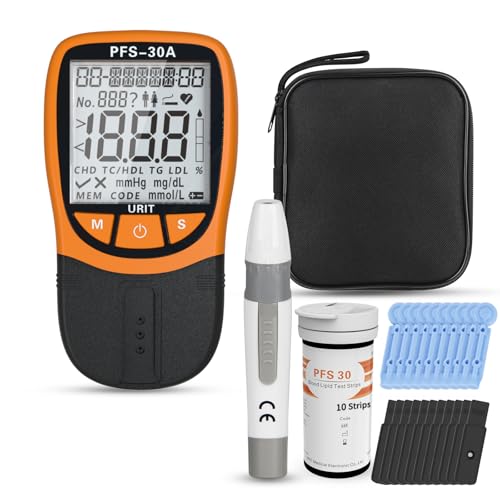
5- in-1 Lipid Test Kit, Cholesterol Test Kits, Cholesterol Tester Meter Kit at Home, (All-in-One 10ea x Profile 5-in-1 Lipid Test Strips Included)
- Easy to Use: Operates with a single small sample
- Multiple Results: Provides 5 cholesterol measurements at once
- Professional Grade: Lab-quality accuracy for home use
As an affiliate, we earn on qualifying purchases.
As an affiliate, we earn on qualifying purchases.
Key Questions
How might inaccurate cholesterol tests affect my health?
If your cholesterol levels are mismeasured, it could lead to unnecessary medication, missed diagnosis, or inadequate treatment, impacting your cardiovascular health.
Are all cholesterol tests affected?
It is not yet clear which types of tests are most vulnerable. Ongoing studies aim to identify specific methods or platforms that may be less accurate.
Should I get retested or seek a second opinion?
If you have concerns about your cholesterol test results, consult your healthcare provider. They may recommend additional testing or alternative methods for accurate assessment.
Will this change current treatment guidelines?
Health authorities are reviewing the recent findings, and any guideline updates will depend on further validation of the issue’s scope and impact.
When will we know more about the scope of this problem?
Further studies and reviews are expected over the next few months, which will clarify how widespread and serious the inaccuracies are.
Source: rss
Fall Picks
fall essentials
As an affiliate, we earn on qualifying purchases.