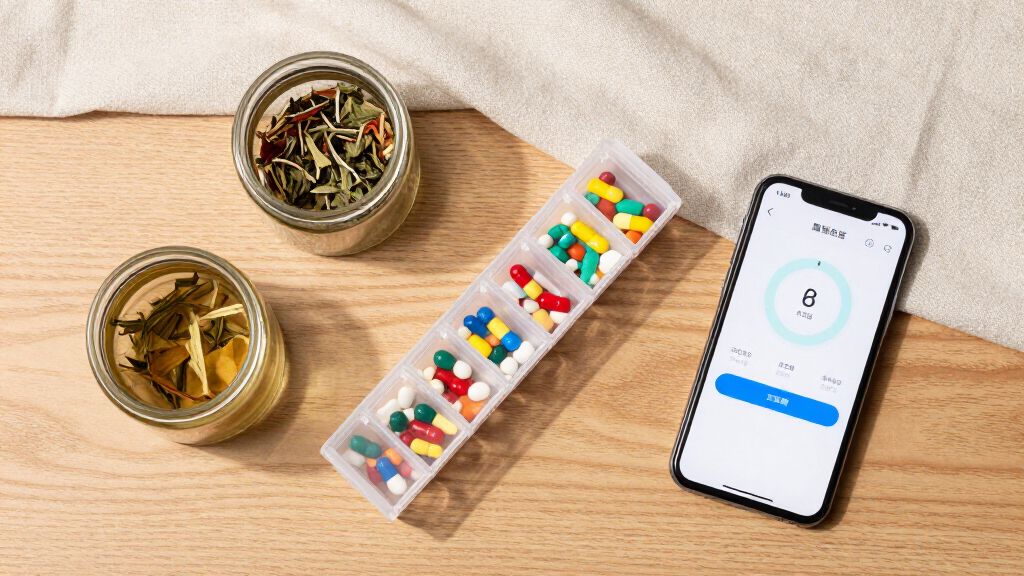

TL;DR
Open a free Amazon Business account
Business pricing, bulk buying and tax-exempt orders.
Create a free accountAs an affiliate, we earn on qualifying purchases.
Remote coordination of pill dispenser refills is possible and safe when a trusted person physically loads the medication, and family members verify accuracy through a clear process. Technology enhances safety but requires careful management.
Imagine this: your parent lives alone, managing multiple medications. They forget, or mistakes happen. You want to help, but you’re miles away. The good news? With a little planning, adult children can oversee medication routines remotely—keeping safety tight while respecting independence.
This guide shows you exactly how to set up a system that combines physical presence and remote checks. Whether you’re coordinating a weekly refill or just making sure everything’s on track, these practical steps turn a daunting task into a manageable routine.
Start with a single, accurate medication list that’s regularly updated to prevent confusion.
Verify each medication’s label, appearance, and expiration before loading to minimize errors.
Establish a consistent weekly routine, combining physical tasks with remote verification via photos or video.
Be aware of medicines that require special storage or handling—don’t put them in weekly organizers.
Use technology like smart dispensers and alerts to add safety layers, especially for high-risk medications.
Refilling a Weekly Pill Dispenser
A routine adult children can coordinate remotely or handle in person—combining one accurate medication list, a trusted person on-site, and a deliberate second check before the dispenser is used.
The physical sorting and loading still happens on-site. The remote family member confirms, documents, and helps resolve discrepancies.
A correctly filled dispenser does not guarantee that the correct dose is taken at the correct time.
Call the pharmacist or prescribing clinician about changes, missed doses, duplicate doses, or unfamiliar tablets.
days covered by one weekly cycle
shared, dated medication list
on-site fill plus remote check
repeatable safety steps
One task, three clear roles
The safest arrangement divides responsibility without creating ambiguity. One person loads the pills, another verifies the result, and the older adult remains informed and involved.
Structure does the heavy lifting
A consistent process—combining physical filling, an authoritative list, and a second review—reduces reliance on memory and turns every step into a visible checkpoint.
Trusted filler
Handles one bottle at a time, reads each label aloud, loads the correct compartments, and keeps the workspace quiet and well lit.
Family verifier
Confirms that nothing changed, compares the dispenser with the shared list, reviews photos or video, and records who checked it.
Older adult
Provides consent, shares concerns and symptoms, participates at the level they prefer, and retains autonomy wherever safely possible.
The refill loop
Choose the same quiet time every week. Prepare the list, bottles, dispenser, good lighting, and a clean workspace before the first container is opened.
Reconcile
Confirm no changes after appointments, hospital stays, urgent care, or pharmacy calls.
Verify
Check patient, drug, strength, directions, appearance, supply, and expiration.
Load
Open one bottle only. Fill every appropriate compartment, then close and put it away.
Double-check
Review every compartment by live video or clear photographs before final closure.
Document
Record the date, filler, checker, supply issues, and any question requiring follow-up.
Generic manufacturers and tablet designs can change. Always confirm against the labeled container and current medication list.
Positively identify affected tablets before removing or replacing them. If identification is uncertain, involve the pharmacist.
What belongs—and what may not
A weekly organizer reduces packaging burden, but not every medicine remains safe or stable outside its original container. Product-specific advice should come from a pharmacist.
| Medication situation | Weekly organizer? | Preferred handling | Why it matters |
|---|---|---|---|
| Stable, regularly scheduled tablets | ✓Often suitable | Verify the individual product first | Supports a predictable daily routine |
| Refrigerated medication | ✕Keep separate | Maintain required cold storage | Temperature changes may affect safety or effectiveness |
| Moisture- or light-sensitive product | ✕Usually unsuitable | Retain protective original packaging | The organizer may not provide adequate protection |
| “As needed” medicine | ~Track separately | Use a dedicated log unless advised otherwise | Fixed compartments can obscure when or why it was taken |
| Controlled substance | ~Extra controls | Secure storage and accurate counting | Requires tighter access and discrepancy monitoring |
| Tablet requiring crushing or splitting | ~Confirm first | Follow the label or pharmacist’s direction | Some formulations must remain intact |
Every dose has a visible chain
Technology adds useful checkpoints, but it does not replace judgment. Keep access limited, obtain consent, and frame remote support as collaboration rather than surveillance.
Stop the routine when something does not match.
Do not guess after a missed, delayed, or possibly duplicated dose. Contact a pharmacist or clinician for medication-specific advice. Seek emergency help for severe breathing difficulty, loss of consciousness, seizure, or other immediately life-threatening symptoms.
Remove discontinued and expired medicines from active supplies.
Use an approved medication take-back option when available.
Keep controlled medicines secure and maintain an accurate count.
Preserve child-resistant storage when children or visitors are present.
Monitor missed doses separately from the weekly filling process.
Escalate recurring confusion to pharmacy packaging or professional support.
Why a solid medication list makes all the difference
The first step to safe refilling is starting with one clear, up-to-date list. Think of it as the master map of every pill, vitamin, and supplement your loved one takes. It should include drug names, doses, purpose, prescribing doctor, and pharmacy info.
Having a comprehensive and current list is essential because it acts as your primary reference point. When medications change—such as after a doctor’s visit or hospital stay—failing to update this list can lead to serious errors, like double dosing or missed medications. This list also helps identify potential drug interactions or duplicates, which could cause adverse effects. It’s a safety net that minimizes the risk of mistakes, especially when you’re not physically present. Regularly reviewing and updating this list ensures that all parties are working from the same accurate information, which is crucial for making informed decisions during refills.
automatic weekly pill dispenser with remote monitoring
As an affiliate, we earn on qualifying purchases.
As an affiliate, we earn on qualifying purchases.
How to verify medications before refilling—step-by-step
- Confirm no recent changes: Check with the doctor or pharmacy for updates, as medication regimens often change. This step is critical because relying on outdated information can lead to dangerous errors, such as administering a discontinued drug or incorrect dose.
- Gather all bottles: Collect the current supply, which provides the physical basis for verification. Handling the actual bottles allows you to cross-reference labels and appearance directly, reducing reliance on memory or assumptions.
- Read each label aloud: Comparing the label details—name, dose, instructions, and appearance—helps catch discrepancies. This process is vital because similar-looking pills or misread labels are common sources of errors. Verbalizing each detail reinforces attention to accuracy.
- Check expiration dates: Discard expired pills safely, as their potency and safety can diminish over time, risking ineffective treatment or adverse reactions. Ensuring all medications are within their shelf life is a fundamental safety step.
- Match each pill to its label: Examine shape, color, and markings carefully. This visual verification is crucial because counterfeit or mix-up errors often happen when pills look alike. Proper matching reduces the risk of giving the wrong medication.
- Prepare to load: Clear your workspace, organize bottles, and minimize distractions. A focused environment reduces the chance of mistakes, such as loading the wrong pills into compartments or overlooking details.
By thoroughly verifying medications in this way, you create a robust safety check that significantly lowers error rates. It’s about building a routine where each step acts as a safeguard—understanding that even small mistakes can have serious health consequences.
smart medication organizer for seniors
As an affiliate, we earn on qualifying purchases.
As an affiliate, we earn on qualifying purchases.
A simple, repeatable refill routine that works remotely
Consistency is key. Picking a specific, quiet, and well-lit time each week—such as Sunday morning—helps establish a predictable routine. This regularity reduces the likelihood of rushing or forgetting steps, which are common pitfalls in medication management. Having all necessary items—medication list, bottles, and dispenser—ready beforehand streamlines the process and minimizes interruptions.
Follow these steps for each medication:
- Read the label aloud, confirm details—this reinforces accuracy and helps catch any discrepancies.
- Place each pill into its designated compartment carefully, ensuring it fits properly and is the correct medication.
- Close the compartment securely to prevent accidental spills or mixing.
- Take photos or videos of the filled dispenser as a final check—this visual record enables remote verification and provides documentation in case of future questions or issues.
This routine not only promotes accuracy but also creates a record that can be reviewed later, adding an extra layer of safety. When a family member supervises via video or photo sharing, it fosters accountability and reduces errors stemming from oversight or forgetfulness.
pill dispenser refill reminder app
As an affiliate, we earn on qualifying purchases.
As an affiliate, we earn on qualifying purchases.
How to verify accuracy from afar — easy safety checks
Remote oversight enhances safety by providing an additional check. Use video calls or photos to review the filled compartments, ensuring the correct pills are loaded. Asking the on-site helper to show each section allows for real-time confirmation, which can catch errors before they become a health risk. This step is especially important if the person filling the dispenser isn’t a healthcare professional, as it introduces an extra layer of verification that can prevent mistakes.
For example, before closing the dispenser, review the photos together and check for missing pills, duplicates, or misplaced medicines. This collaborative review is vital because it allows both parties to catch potential errors—such as a pill accidentally placed in the wrong compartment—that could otherwise go unnoticed. If something looks suspicious, pause and consult the pharmacist or healthcare provider to clarify, avoiding the risk of administering incorrect medication. This proactive approach ensures that mistakes are caught early, reducing the chance of adverse health outcomes and reinforcing the importance of shared responsibility in medication safety.
remote medication management system
As an affiliate, we earn on qualifying purchases.
As an affiliate, we earn on qualifying purchases.
Understanding what can’t go in a weekly pill organizer
Some medications require special handling due to their storage, stability, or form. For instance, drugs needing refrigeration, light protection, or those that are sensitive to environmental conditions shouldn’t be placed in weekly organizers. Doing so can compromise their effectiveness and safety, leading to potential treatment failures or adverse reactions.
Imagine a chemotherapy medication that must stay refrigerated or a liquid antibiotic that’s sensitive to light. These require conditions that weekly organizers simply can’t provide. Putting them into a dispenser risks deterioration or improper dosing. Additionally, medications with complex instructions—such as those requiring shaking or specific timing—are better kept in their original packaging where instructions are clear and storage conditions are maintained. Always consult the pharmacist if you’re unsure; they can advise on proper storage and handling. Keeping these medicines in their original containers ensures their chemical stability, preserves efficacy, and maintains safety, preventing accidental misuse or degradation.
Handling medication changes without risking errors
When a healthcare provider updates a medication or adjusts the dosage, it’s vital to prevent confusion that can lead to dangerous mistakes. Pausing the affected compartments and verifying each new medication with the pharmacist minimizes this risk. Rushing to replace pills without proper confirmation can result in double dosing, missed medications, or administering the wrong drug, all of which can have serious health consequences.
For example, if a new blood pressure medication replaces an old one, don’t rely solely on visual cues like shape or color. Instead, double-check the new medication’s appearance, instructions, and purpose with the pharmacist or healthcare provider. This step ensures you’re loading the correct pills and understanding their role in the treatment plan. It’s a cautious approach that emphasizes accuracy over convenience, recognizing that medication changes are a common source of error in remote management. By taking the time to verify updates thoroughly, you protect your loved one from potential adverse events and ensure the integrity of their medication regimen.
Tech tools to make remote refilling safer and easier
Emerging technology offers powerful tools to support safe medication management from afar. Smart dispensers can be programmed to unlock doses at scheduled times, reducing the risk of missed or double doses. Connected reminder systems alert you or your loved one if a dose is missed or if a compartment is opened unexpectedly, providing real-time safety checks. These systems can also send notifications to family members’ phones, creating a shared oversight network that keeps everyone informed.
For example, a smart dispenser might beep loudly if a dose isn’t taken within a designated window, prompting immediate action. A connected app can notify you if your parent forgets to take their medication or if the dispenser is accessed at unusual times, indicating potential issues. These tools don’t replace human oversight but serve as valuable safety nets, especially when managing complex or high-risk medications remotely. They help bridge the gap between physical oversight and technological support, making remote management more reliable and less stressful.
Common pitfalls and how to avoid them
Many families encounter familiar challenges—conflicting medication lists, similar-looking pills, or unreliable internet connections—that can jeopardize safety. Recognizing these pitfalls helps you develop strategies to mitigate risks. For example, if medications look alike, adding high-contrast stickers or distinctive labels can help differentiate them, reducing the chance of mix-ups. If Wi-Fi connectivity is spotty, consider offline alert systems or manual checklists to ensure medications are managed correctly despite technical limitations. Preparing backup plans, such as pharmacy-prepared blister packs for high-risk or complex regimens, adds an extra layer of security.
Understanding these common hurdles allows you to proactively address potential errors before they occur. For instance, creating a physical checklist or having a printed medication schedule can serve as a reliable fallback if digital systems fail. This foresight ensures continuity and safety, especially in emergencies or technical outages. Ultimately, awareness of these pitfalls empowers you to implement practical solutions that protect your loved one’s health and maintain confidence in the medication routine.
When to consider professional help or automated systems
In some cases, a simple weekly organizer may no longer be sufficient to ensure safety and accuracy. Frequent medication errors, cognitive decline, or complex treatment schedules may require more advanced solutions. Pharmacy-packed blister packs or automated dispensers programmed with precise dosing schedules can significantly reduce risks of double dosing or missed medications. For example, if your parent has dementia or memory issues, manual filling becomes increasingly unsafe, and automated systems can provide locked, tamper-proof compartments that only release medication at scheduled times.
Regular consultation with healthcare professionals helps evaluate whether your current system is still appropriate. They can recommend tailored solutions, including high-tech dispensers or involving professional caregivers, to maintain safety as needs evolve. Recognizing when to upgrade your approach is crucial because the goal is to prevent errors before they happen, not react after a mistake occurs. Investing in these systems can offer peace of mind, knowing that your loved one’s medication routine is managed with the highest safety standards possible.
Frequently Asked Questions
Can I refill a pill dispenser remotely?
You can coordinate, supervise, verify, and document the process remotely, but someone must physically load the dispenser unless a pharmacy or automated service prepares the doses.Who is allowed to fill another adult’s pill organizer?
Rules vary, but generally, family members can assist with permission. Paid caregivers should follow local laws and care plans, always respecting the older adult’s autonomy.Is video supervision enough?
It helps catch mistakes, but it doesn’t guarantee accuracy. Factors like video quality, lighting, and medication similarity can still cause errors. Combining it with verification and professional advice is best.How often should the medication list be reviewed?
Whenever there are changes—like hospital visits or new prescriptions—and periodically to catch any discrepancies. Regular review ensures the list stays current and safe.What if a medication changes after the dispenser is filled?
Pause use of the affected compartments and verify each new medication with the pharmacist before replacing or removing tablets. Never guess based on appearance alone.Conclusion
Refilling a weekly pill dispenser remotely isn’t just about convenience. It’s about crafting a dependable safety system that combines on-site care with vigilant oversight. Clear routines, verification steps, and smart tools turn a potentially risky task into a strong safeguard for your loved one’s health.
Remember: the goal isn’t perfection, but proactive, consistent safety. A well-organized medication routine can give everyone peace of mind—allowing independence without sacrificing security.
Flea & tick season Picks
flea and tick prevention
As an affiliate, we earn on qualifying purchases.