
TL;DR
Open a free Amazon Business account
Business pricing, bulk buying and tax-exempt orders.
Create a free accountAs an affiliate, we earn on qualifying purchases.
Seniors can easily enjoy audiobooks with simple devices, free apps, and clear choices. This guide offers practical tips to start listening today, boosting mental engagement and relaxation.
Imagine slipping on your favorite cozy sweater, settling into your favorite chair, and listening to a captivating story or fascinating biography—without straining your eyes. Audiobooks for seniors transform that vision into reality, offering a simple, accessible way to enjoy books without the physical effort of traditional reading. Whether you’re dealing with vision issues, arthritis, or just want a new way to relax, audiobooks can become your new best friend.
In this guide, you’ll discover easy steps to start listening, the best devices for seniors, free options, and tips to make your experience smooth and enjoyable. Getting started doesn’t require tech expertise—just a willingness to explore and a desire to listen.
Seniors can start with simple, voice-controlled devices like smart speakers for effortless listening.
Many free audiobooks are available through public libraries and sites like LibriVox, making access easy and affordable.
Choosing familiar genres and titles helps build confidence and enjoyment in listening.
Practical tips like using headphones, creating a cozy spot, and setting routines enhance the experience.
Getting help from family or caregivers can make the initial setup smooth and stress-free.
Audiobooks for Seniors: Easy Ways to Get Started
Settle into a favorite chair and enjoy a captivating story without eye strain or uncomfortable page turning. With a simple device, an accessible app, and one inviting title, a whole library can be only a spoken command away.
Getting started does not require tech expertise—just a willingness to explore and a desire to listen.
Why listening works
Stories without the strain
Audiobooks remove common barriers created by declining vision, arthritis, fatigue, or small screens. They preserve the pleasure of reading while adding the freedom to listen in a comfortable position and at a personal pace.
Rest tired eyes
Enjoy novels, biographies, and educational books without focusing on print or holding a heavy book.
Keep the mind engaged
Following characters and ideas provides mental stimulation that can support attention, memory, and curiosity.
Bring company into the room
A warm narrator can make quiet moments feel fuller while stories create topics to share with family and friends.
Choose your device
Simple beats complicated
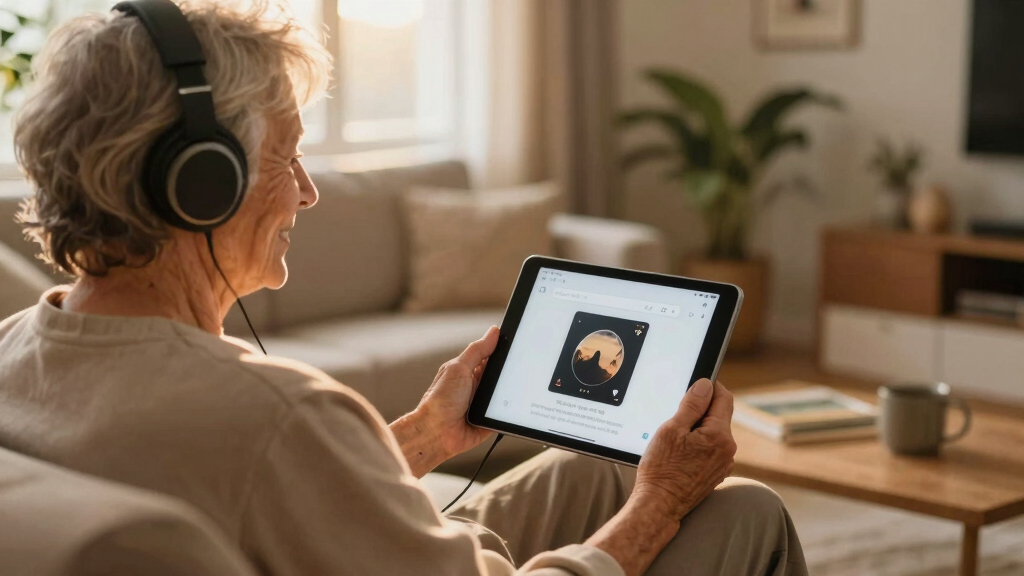
The best device is the one that feels comfortable. Voice control is ideal for hands-free independence; a tablet adds visual browsing; an audio-enabled e-reader combines listening and printed text.
| Device | Ease of use | Best for | Helpful features | Typical cost |
|---|---|---|---|---|
| Smart speaker | ✓ Very simple | Hands-free listening | Voice commands, no small buttons | $50–$150 |
| Tablet | ✓ Easy | Visual browsing | Large icons, voice control, captions | $80–$300 |
| Audio e-reader | ~ Moderate | Reading and listening | Text enlargement, book-focused design | $100–$250 |
Choose a smart speaker for the least physical effort, or a tablet if seeing covers and browsing a library feels more reassuring.
Step by step
Start listening in three easy steps
Keep the first session short and familiar. One successful listen builds confidence far faster than learning every feature at once.
Select a device
Pick a smart speaker or tablet with large controls, clear sound, and accessibility settings.
Comfort firstOpen a listening service
Install Libby for library books, visit LibriVox for classics, or use a paid audiobook service.
Free or paidChoose something familiar
Begin with a favorite author, classic novel, biography, or subject that already feels inviting.
Press playWhere to find books
A library can fit in your pocket
Libby and public libraries
Borrow current titles remotely with a library card.
LibriVox
Public-domain classics read by volunteers.
Subscription services
Large catalogs, new releases, and polished narration.
Access and selection spectrum
A practical comparison of availability, cost, and catalog breadth.
Make it enjoyable
Small adjustments, better listening
Good sound and a repeatable routine matter more than expensive equipment. Adjust one setting at a time and ask a family member or caregiver to help with the initial setup if needed.
Improve clarity
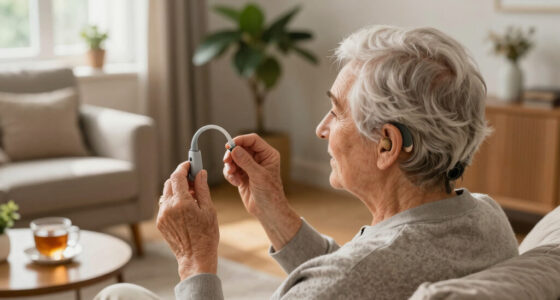
Use comfortable headphones or compatible hearing aids to reduce background noise and make narration easier to follow.
Slow the narration
Reduce playback speed until every sentence feels natural. Speed can increase later as listening becomes familiar.
Create a cozy spot
Pair a comfortable chair, warm drink, and good lighting with listening to make the experience feel special.
Build a gentle routine
Try 15–20 minutes after breakfast, during a walk, or before bed. A consistent time turns listening into a habit.
The confidence chain
One easy success opens a world of stories
A supportive setup connects technology to something deeply human: curiosity, comfort, independence, and shared conversation.
TL;DR
Choose one device, one app, and one welcoming book
Seniors can begin with a voice-controlled speaker or accessible tablet, borrow free audiobooks through a library, select a familiar genre, and listen at a comfortable speed. A little setup help can turn the first session into a relaxing, independent daily pleasure.
[1] Reported growth reflects the provided research summary describing an increase of more than 25% among older adult audiobook listeners in recent years.
Why Audiobooks Are Perfect for Seniors
Listening to audiobooks is a game-changer for many seniors. It offers a way to enjoy stories, learn new things, and stay mentally active—without the eye strain or fatigue that can come with reading print or digital screens. This is especially important because many seniors face challenges such as declining vision or arthritis, which make traditional reading difficult or uncomfortable. Audiobooks eliminate these barriers, allowing for a more inclusive way to access literature and information.
Research shows that audiobooks can boost brain activity, improve memory, and even help combat loneliness by providing mental stimulation and entertainment. For example, during long walks or chores, listening to a story can make routine activities more engaging, fostering a sense of connection and purpose. The flexibility of listening at your own pace and in various settings means audiobooks can be seamlessly integrated into daily routines, making reading more accessible and enjoyable for seniors who might otherwise feel excluded from traditional reading experiences.
However, it’s important to recognize that while audiobooks open many doors, they also require some initial setup and familiarity with devices. The tradeoff is that, once accustomed, seniors can enjoy a rich world of stories without physical strain, which can significantly improve quality of life and mental well-being.
As an affiliate, we earn on qualifying purchases.
Simple Devices That Make Listening a Breeze
Getting started is all about choosing easy-to-use devices. Many seniors find that smart speakers like Amazon Echo or Google Home are perfect because they rely on voice commands, which simplify operation. Instead of navigating complicated menus or pressing small buttons, you can just say, ‘Play my audiobook,’ and the device responds. This not only makes listening easier but also encourages independence, especially for those with mobility or dexterity issues.
If you prefer a device with a screen, tablets with large icons and voice control features are also suitable. They allow visual browsing for those comfortable with touchscreens while providing voice commands for added convenience. The key is balancing ease of use with functionality so that seniors don’t feel overwhelmed by technology.
Here’s a quick comparison of popular options:
| Device | Ease of Use | Best For | Cost Range |
|---|---|---|---|
| Smart Speakers (Alexa, Google) | Very simple, voice-controlled | Hands-free listening | $50-$150 |
| Tablets (iPad, Kindle Fire) | Easy with large icons, voice commands | Visual control and screen browsing | $80-$300 |
| Dedicated e-Readers with audio | Moderate, some learning curve | Combining reading and listening | $100-$250 |
Most seniors start with a smart speaker or a simple tablet. They’re affordable, straightforward, and compatible with many audiobook platforms. Choosing the right device involves considering comfort, familiarity, and the specific needs of the user, such as vision or mobility challenges. The tradeoff is often between the simplicity of a single-function device and the versatility of a multi-purpose tablet, but either choice can significantly enhance accessibility and enjoyment.

Healvaluefit Simple Music Player for Elderly, Easy Audiobook Player with 32GB TF Card & Card Reader for Dementia, Alzheimers, Visually Impaired, Low Vision Patients, Wired – GrayishWhite
- Easy One-Touch Operation: Large, colored buttons for simple control
- Adjustable Volume Switch: Prevents accidental volume changes
- Plug and Play Design: No WiFi or Bluetooth needed
As an affiliate, we earn on qualifying purchases.
As an affiliate, we earn on qualifying purchases.
Where to Find Free or Affordable Audiobooks
Many public libraries now offer free digital audiobooks through apps like Libby or OverDrive. These services are accessible with just a library card—free and easy to obtain. Once you have access, you can browse thousands of titles, download or stream them, and enjoy a vast library without any cost. This democratizes access to literature, especially for seniors on fixed incomes, by removing financial barriers and providing a convenient way to explore new genres or revisit favorites.
For those interested in classics or public domain works, sites like LibriVox are invaluable. They offer thousands of recordings, all free to stream or download, covering a wide range of literature from Jane Austen to Mark Twain. Listening to these recordings can be a delightful way to experience timeless stories, often read by volunteers with varying narration styles. The tradeoff is that quality may vary, but the sheer volume of available titles makes it a worthwhile resource for many seniors seeking free or low-cost entertainment.
If you prefer a larger selection and are willing to pay a subscription fee, services like Audible provide extensive catalogs with new releases and bestsellers. Many seniors find this worthwhile for the convenience, curated collections, and high-quality narrations. The key is understanding your preferences and balancing cost with the variety and quality of content available.
![GrandPad Easy to Use Tablet & Phone for Seniors [Locked - Not Compatible with Other Wireless Carriers - Requires a Plan]](https://m.media-amazon.com/images/I/41XvvOU2BCL._SL500_.jpg)
GrandPad Easy to Use Tablet & Phone for Seniors [Locked – Not Compatible with Other Wireless Carriers – Requires a Plan]
- Designed for Seniors: Large icons and easy navigation
- Secure Private Network: Blocks spam and scams
- Requires Activation: Choose from six flexible plans
As an affiliate, we earn on qualifying purchases.
As an affiliate, we earn on qualifying purchases.
How to Start Listening in 3 Easy Steps
- Select your device: Choose a simple device like a smart speaker or tablet with accessibility features.
- Download or access an app or platform: For libraries, install Libby; for paid options, sign up for Audible or similar.
- Pick a beginner-friendly audiobook: Start with a familiar genre, such as a classic novel, biography, or motivational story. Press play, and enjoy!
For example, a grandma I know started with her Amazon Echo. She linked her library account, asked Alexa to play her favorite author, and was hooked. It’s that simple. The key is to keep the process straightforward and to choose familiar titles or genres that feel inviting, reducing any initial hesitation or confusion. Once the first few listens go smoothly, confidence grows, making it easier to explore more titles and features.

Sonos One (Gen 2) Voice Controlled Smart Speaker, White
- Voice Control: Hands-free voice operation
- Rich Sound Quality: Room-filling, high-quality audio
- Compact & Versatile: Fits any space, humidity resistant
As an affiliate, we earn on qualifying purchases.
As an affiliate, we earn on qualifying purchases.
Tips to Make Listening Even Better
- Use earbuds or headphones to block out background noise and hear clearly. This enhances comprehension and makes the listening more immersive, especially in noisy environments.
- Adjust the volume and playback speed: Many apps let you turn up the volume or slow down the narration if needed. Slowing down can help with understanding, especially for those new to listening or with hearing difficulties, while increasing volume ensures clarity.
- Create a cozy listening spot: A comfy chair, a warm blanket, and a cup of tea make listening a pleasure. A designated space can help establish a routine and make listening a special, relaxing activity.
- Set a routine: Listening during your morning walk or right before bed helps build a habit. Consistency reinforces enjoyment and makes it easier to integrate audiobooks into daily life.
- Ask for help: Family members or caregivers can assist with device setup or choosing titles. Having support can reduce frustration and open up more options for exploration.
One senior I know always listens with her Bluetooth headphones during her daily garden walk. It’s her favorite part of the day. Establishing routines and optimizing the listening environment can significantly enhance enjoyment and consistency, making audiobooks a sustainable and rewarding activity.
What to Listen to First? Top Picks for Seniors
Starting with familiar or uplifting titles makes the experience more engaging and less intimidating. Classics like Jane Austen’s novels, inspiring biographies, or light-hearted mysteries are great options because they evoke positive emotions, nostalgia, or motivation. These choices can help seniors feel more confident and eager to explore further, turning listening into a pleasurable routine rather than a chore.
Here are some popular choices:
- Pride and Prejudice by Jane Austen — a timeless romance that offers wit and social commentary.
- The Storyteller by Jodi Picoult — engaging narratives that explore human relationships and moral dilemmas.
- Becoming by Michelle Obama — inspiring autobiography with personal insights and motivation.
- The No. 1 Ladies’ Detective Agency series by Alexander McCall Smith — charming mysteries set in Botswana, full of warmth and humor.
- Short stories and poetry for easy listening and variety — great for those who prefer brief, varied content that can be enjoyed in segments.
Choosing titles that resonate personally can create a more fulfilling experience. The goal is to make listening a joyful, enriching activity that encourages ongoing exploration and discovery, reinforcing positive associations with audiobooks.
Frequently Asked Questions
How do I know which device is best for me?
Start with a smart speaker if you want hands-free listening, or a tablet if you prefer browsing and visual control. Choose based on what feels easiest for you and fits your lifestyle.Are free audiobooks good enough for daily listening?
Absolutely. Public library apps and sites like LibriVox offer thousands of quality titles for free. Many seniors enjoy classics and public domain works without paying a dime.What if I have trouble hearing the narration?
Use hearing aids compatible with your device, or increase the volume. Some apps let you adjust playback speed or choose narration styles for clearer sound.Can I listen to audiobooks during physical activity?
Yes! Audiobooks are perfect for walks, gardening, or chores. They allow you to enjoy stories while staying active and engaged.Conclusion
Listening to audiobooks can open a new world of stories, knowledge, and relaxation for seniors. The secret is starting small—pick a simple device, choose a favorite genre, and create a cozy space. Before long, it becomes a delightful part of everyday life.
So, why not give it a try today? Your next great story is just a button or voice command away, waiting to turn ordinary moments into something special.
Flea & tick season Picks
flea and tick prevention
As an affiliate, we earn on qualifying purchases.