
TL;DR
Open a free Amazon Business account
Business pricing, bulk buying and tax-exempt orders.
Create a free accountAs an affiliate, we earn on qualifying purchases.
Many seniors are discovering tablets as their first step into digital life. This guide offers clear advice on choosing the right device, setting it up, and building confidence step-by-step.
Imagine holding a device that’s lightweight, intuitive, and ready to connect you with family, health, and your favorite hobbies. That’s what a tablet can be for a senior who has never used a computer. No confusing keyboards, no mouse, no complex menus. Just tapping, talking, and discovering.
If you’re helping a loved one take their first digital steps, this guide walks you through choosing the best tablet, setting it up, and teaching them to use it comfortably. It’s about making technology feel less intimidating and more like a helpful friend.
Choose a simple, touch-based tablet like an iPad, Fire, or GrandPad to reduce learning curves.
Set up accessibility features and curate only the apps they need to avoid overwhelming them.
Start with one small task—like a video call—and build confidence step-by-step.
Use large print guides, videos, and patient teaching methods to make learning easier.
Consider ongoing support options like remote help or local classes to keep them engaged and confident.
Tablets for Seniors Who Have Never Used a Computer
Where to start: choose a simple touch-based device, remove distractions, and teach one useful task at a time. No mouse, no complicated folders—just tapping, talking, and connecting.
Touch removes the technology barrier
A tablet behaves more like a familiar household object than a traditional computer. The action and result happen in the same place: touch the picture you want, and it opens.
Tap, don’t translate
No mouse pointer or keyboard shortcuts to learn. Touching an icon feels immediate and understandable.
One app at a time
No desktop, file system, or overlapping windows. A curated home screen keeps choices clear.
Ready in seconds
Instant wake-up, automatic updates, and fewer routine maintenance decisions reduce friction.
Use it anywhere
Light enough for a chair, bed, lap, or kitchen table—especially useful when mobility is limited.
Make the device adapt to the person
Accessibility settings are not extras. Configure them before the first lesson so reading, hearing, speaking, and tapping feel comfortable from the start.
Larger text
Increase type size, icon scale, contrast, and magnification to reduce strain and missed taps.
Voice assistants
Siri, Google Assistant, or Alexa can call, dictate, search, and set reminders without typing.
Video calling
Put one trusted calling app on the home screen and pin favorite family contacts inside it.
Captions & audio
Enable closed captions, louder alerts, hearing-aid compatibility, and visible call notifications.
Screen readers
Built-in spoken feedback can read buttons, messages, menus, and articles aloud.
Helpful reminders
Use simple alarms for medication, appointments, charging, or a regular family call.
Video calls are often the strongest motivation for first-time users. A meaningful early success—seeing a grandchild or old friend—makes every later lesson feel worthwhile.
Match simplicity to real-life needs
Consider who will provide support, what the tablet must do, and whether flexibility or a tightly controlled experience matters more.
| Device type | Best for | Typical price | Beginner fit | Trade-off |
|---|---|---|---|---|
| Apple iPadVersatile choice | Family support, video calls, photos, long-term use | $300+ | ✓ High | Consistent interface; higher upfront cost |
| Samsung Galaxy TabFlexible Android | Android households and customization | $150–$400 | ~ Good | Flexible, but menus can feel more complex |
| Amazon FireBudget entry | Shows, reading, Alexa, and basic calls | $60–$120 | ✓ High | Affordable; smaller app selection |
| GrandPad-style deviceSenior-specific | Maximum simplicity and built-in support | Subscription | ✓ Very high | Curated and safe; less flexible over time |
| Refurbished tabletValue route | Lower-cost access to a familiar platform | Varies | ~ Check first | Avoid models with weak batteries or outdated software |
Choose versatility when…
A nearby family member already knows the platform, more apps will be useful later, and the senior is willing to learn gradually.
Choose maximum simplicity when…
Confusing menus cause anxiety, remote support is essential, or curated contacts and built-in assistance matter most.
Build a calm, safe home screen
The first experience should feel finished. Handle accounts, updates, contacts, and accessibility before handing over the device.
Connect
Join reliable Wi-Fi and test signal strength.
Enlarge
Set text, icons, volume, and contrast.
Curate
Keep only essential apps on page one.
Connect people
Add photos and trusted contacts.
Quiet alerts
Disable noisy and unnecessary notifications.
Test together
Make one call and practice returning home.
Before you hand it over
- Use a memorable passcode that is not a birthday or address.
- Enable automatic updates, backups, and device-location tools.
- Add emergency information and at least two trusted contacts.
- Set up remote help or agree on a regular tech-support time.
- Place charging equipment somewhere visible and easy to reach.
Pause before tapping
Unexpected urgency is a warning sign. Banks, relatives, and support services should never pressure someone to disclose a password, code, or payment immediately.
One small success at a time
Demonstrate one action, let the learner repeat it, then stop while the experience is still positive. Muscle memory grows through calm repetition—not a long tour of every feature.
A confidence-building path
Simple. Useful. Supported.
The best tablet is not necessarily the most powerful one. It is the device that feels approachable today and continues to receive patient support tomorrow.
Consider iPad, Fire, Galaxy Tab, or a senior-specific service.
Keep only essential apps, contacts, and visible controls.
Begin with a video call and repeat it independently.
Use large print, pictures, arrows, and familiar wording.
Arrange remote help, family check-ins, or local classes.
Explore AARP technology guides, Senior Planet, Generations on Line, local libraries, community centers, and beginner workshops.
Why a tablet beats a laptop for first-timers
Tablets are the easiest entry point because they rely on touch instead of keyboard and mouse. For someone unfamiliar with computers, that’s a game-changer. Tap a big icon, and the app opens. No need to learn about file folders or multiple windows.
They turn on instantly—no waiting through boot-up screens—and are lightweight enough to hold in a lap or on a table. For example, a 75-year-old grandmother I know set up her iPad on her kitchen table. She taps the screen to watch her favorite shows and call her grandkids with just a few taps.
Plus, tablets come with built-in accessibility features like larger text, high contrast, and voice commands, making them even friendlier for eyes and hands that aren’t as steady as they used to be.
As an affiliate, we earn on qualifying purchases.
Key features that make tablets senior-friendly
Tablets designed for seniors focus on simplicity and accessibility. Here are the most important features:
- Adjustable text size: makes reading easier without straining your eyes. This feature is crucial because it directly impacts their ability to read messages, news, or instructions comfortably, reducing eye fatigue and frustration.
- Voice assistants: Siri, Google Assistant, or Alexa let users ask questions or make calls without typing. This hands-free interaction is vital for those with mobility or dexterity challenges, providing independence and reducing frustration.
- High-contrast mode and magnification: help with visual impairments. These features can turn a cluttered or hard-to-read screen into a clear, accessible display, enabling seniors to engage more confidently with content.
- Video calling apps: FaceTime, Zoom, or Google Meet keep loved ones just a tap away. Regular video calls foster social connection, which is linked to mental health and well-being, especially important for seniors who may feel isolated.
- Built-in screen readers and hearing aid compatibility: ensure everyone can hear and see what’s happening. These assistive features bridge sensory gaps, making the device inclusive and usable for a broader range of abilities.
For instance, a user with mild hearing loss can enable closed captions during a video call, making conversations clearer and less frustrating. Understanding these features’ implications helps caregivers select devices that genuinely enhance independence rather than just add complexity.
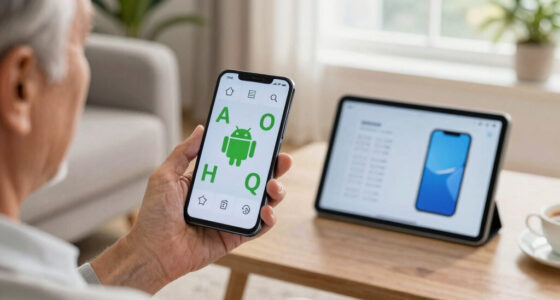
senior friendly tablet with large display
As an affiliate, we earn on qualifying purchases.
As an affiliate, we earn on qualifying purchases.
Best tablet options for seniors: which device fits your budget and needs
Choosing the right tablet depends on your budget, tech comfort, and what your loved one wants to do. Here’s a quick comparison:
| Device Type | Best For | Price Range | Ease of Use |
|---|---|---|---|
| Apple iPad (standard) | Most versatile, family support, long-term use | $300+ | High (consistent, simple interface) |
| Samsung Galaxy Tab | Android fans, customizable | $150–$400 | Good; slightly more complex than iPad |
| Amazon Fire Tablet | Budget-friendly, media consumption | $60–$120 | Very simple; with ‘Show Mode’, acts as a smart speaker |
| Senior-specific tablets (e.g., GrandPad) | Complete simplicity, support, curated contacts | Subscription-based | Very high; designed for non-tech users |
When selecting a device, consider the tradeoff between versatility and simplicity. An iPad offers extensive capabilities and long-term support but may require patience to learn initially. Devices like GrandPad prioritize ease of use and support, often sacrificing some flexibility but greatly reducing the learning curve. The Fire tablet provides an affordable entry point but may lack some advanced features. Assess what features are most necessary for your loved one’s lifestyle and comfort level, and weigh the long-term implications of each choice, including potential costs and support needs.
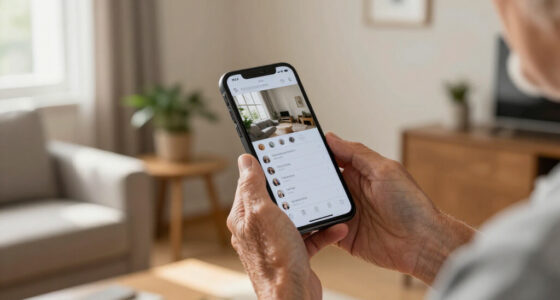
simple touch screen tablet for elderly
As an affiliate, we earn on qualifying purchases.
As an affiliate, we earn on qualifying purchases.
How to set up a tablet so it’s simple and safe for seniors
Getting a tablet ready for a senior isn’t just about turning it on. It’s about creating a safe, clutter-free environment. Here’s a step-by-step:
- Help them connect to Wi-Fi. A strong signal makes everything smoother and reduces frustration caused by dropped connections or slow loading times, which can discourage use.
- Pre-install essential apps: video calls, photos, news, and emergency contacts. This ensures immediate access to the most important functions, reducing confusion and setup time later.
- Disable unnecessary notifications or apps that might cause confusion. Too many alerts can overwhelm seniors, making the device seem chaotic or intimidating.
- Set up accessibility features—big text, voice commands, magnifier—so they’re ready to use. These features directly enhance usability, especially for those with sensory or motor challenges, promoting independence and confidence.
- Create a simple home screen with only the apps they need. Reducing clutter helps prevent accidental taps on unfamiliar or unnecessary icons, making the device less intimidating and easier to navigate.
- Show them how to turn it on and off, and how to find their favorite apps. Repetition and clear instructions build familiarity and reduce anxiety around using the device.
For example, you can set up a dedicated video call app on their home screen, so they don’t have to hunt through menus. Using remote support tools, family members can help with updates or troubleshooting from afar. This proactive setup minimizes frustration and empowers seniors to use their tablets confidently, knowing help is accessible if needed.
best tablets for seniors new to computers
As an affiliate, we earn on qualifying purchases.
As an affiliate, we earn on qualifying purchases.
Teaching tips: helping seniors learn without frustration
Patience is key. Break tasks into tiny steps—one at a time. For instance, first learn how to tap an app, then how to start a video call. Repeating these steps reinforces learning and builds muscle memory, which is critical for seniors who may be unfamiliar or hesitant with new technology.
Use large print cheat sheets or step-by-step guides. Visual cues like arrows or photos help reinforce learning by providing clear, memorable references. Watching a video tutorial together can also make a significant difference, as it allows for immediate clarification and repetition.
Resources like AARP tech guides, Senior Planet classes, or local library workshops turn learning into a social, supportive activity. Engaging in group learning or shared experiences fosters motivation and reduces feelings of isolation. Remember, progress might be slow initially, but each small success boosts confidence. The ultimate goal is to help seniors feel capable and comfortable, transforming technology from a source of frustration into an empowering tool.
Latest trends making tablets even easier for seniors
New features are making tablets more accessible than ever. Voice commands are now reliable enough for everyday use, like turning on lights or setting reminders, which can significantly increase independence for those with mobility or vision challenges. Senior-specific devices, like GrandPad, bundle support, curated contacts, and simplified interfaces into a monthly subscription, addressing common barriers to adoption such as complexity and lack of support.
Amazon Fire tablets, with their ‘Show Mode’, turn into smart displays with just a voice command—no extra device needed. Telehealth visits via tablets have surged, making it even more vital for seniors to learn how to use video calls effectively, which can improve access to healthcare and reduce unnecessary trips. Accessibility features like larger fonts, hearing aid compatibility, and emergency buttons continue to improve, making tablets safer and easier to use. Staying informed about these innovations helps caregivers choose devices that not only meet current needs but also adapt to future challenges, ensuring sustained independence and safety for seniors.
Frequently Asked Questions
What is the easiest tablet for a senior with zero computer experience?
For absolute beginners, the Amazon Fire Tablet is very straightforward and budget-friendly. The iPad is also a strong choice if they want a more versatile experience and your family can help with setup. Senior-specific options like GrandPad are designed to be even simpler, with curated contacts and built-in support.
Do I need Wi-Fi or internet at home for the tablet to work?
Yes, most tablets need Wi-Fi to access apps, video calls, and content. If your loved one doesn’t have internet at home, consider a cellular-enabled tablet or a senior device with built-in data plans. Many public places and libraries also offer free Wi-Fi, which can help get started.
How can I set it up remotely if I live far away?
You can help by scheduling a video call during which you guide them through initial setup. Many tablets support remote assistance apps or screen sharing. Some companies, like GrandPad, include remote support as part of their service, making it easier for families to help from afar.
What about seniors with poor eyesight or shaky hands?
Activate accessibility features like larger text, high contrast, magnification, or voice commands. For shaky hands, enabling touch accommodations or using a stylus can help. Adjusting the screen brightness and enabling hearing aid compatibility also boosts usability for sensory challenges.
Is a senior-specific tablet like GrandPad better than an iPad?
Senior-specific tablets simplify the experience with curated contacts, support, and minimal clutter. They’re usually easier to learn and safer from scams. However, they come with a subscription fee and less flexibility compared to an iPad, which can do more but requires more initial setup and patience.
Conclusion
A tablet can open a world of connection, entertainment, and independence for seniors. The key is to start simple—pick the right device, set it up carefully, and teach patiently. With a little time and support, your loved one will soon be tapping, calling, and exploring with confidence.
Think of it as handing them a friendly bridge into the digital world—one tap at a time.
Flea & tick season Picks
flea and tick prevention
As an affiliate, we earn on qualifying purchases.