TL;DR
Open a free Amazon Business account
Business pricing, bulk buying and tax-exempt orders.
Create a free accountAs an affiliate, we earn on qualifying purchases.
The best GPS tracker for a loved one who wanders combines accurate outdoor GPS, indoor positioning, tamper resistance, and long battery life. Expect to pay monthly for cellular service, and always consider how your loved one will wear or resist the device.
Wandering isn’t just a concern; it’s a life-or-death issue. When someone you love has memory loss or autism, keeping track of them becomes urgent. A GPS tracker isn’t a magic fix, but it can buy precious time and peace of mind. Choosing the right one depends on understanding what really matters—accuracy, durability, and how they’ll wear it.
This guide breaks down what to look for, what common pitfalls are, and how to match a tracker to your loved one’s unique needs. Because in emergencies, every second counts—and the right device can make all the difference.
Choose tamper-resistant, comfortable devices that your loved one won’t remove or forget.
Prioritize GPS accuracy outdoors and Wi-Fi/cellular fallback indoors for reliable location info.
Use geofencing to get early alerts when they leave safe zones—speeding up rescue times.
Expect to pay monthly for cellular plans—budget $10–$50 per month per device.
Waterproofing and long battery life prevent common safety failures, especially around water or during long stretches without charging.
How to Pick a Tracker Your Loved One Won’t Remove or Forget
The first challenge: your loved one might forget they’re wearing it or intentionally take it off. To counter this, choose devices that look like everyday items or are integrated into clothing. For example, a shoe insole with GPS can be worn comfortably and forgotten, unlike a bulky wristband.
Prioritize tamper-resistant options—like locking bands or sewn-in trackers—and consider comfort and dignity. If they resist medical-looking devices, look for styles that blend in, like a watch or pendant. The goal: make it as natural and non-intrusive as possible.
Real-world tip: a family used a GPS SmartSole for their mother, who kept removing her wrist sensors. The insole lasted days without fuss, and they could track her indoors and outside.

GPS Tracker for Kids, Teen, Special Needs, Elderly – Real-Time Mini Locator Watch Band – No Monthly Fee – Hidden Tracking Device for iOS
- Real-Time Location Tracking: Tracks loved ones' location in real-time
- No Monthly Fees: No subscription required for continuous use
- Waterproof Watch Bands: Durable and comfortable waterproof bands
As an affiliate, we earn on qualifying purchases.
As an affiliate, we earn on qualifying purchases.
Understanding Tracking Technology and Its Accuracy
GPS trackers combine GPS, cellular (4G LTE), and Wi-Fi signals to pinpoint location. Outdoors, GPS is very accurate—within a few meters. Indoors, Wi-Fi and cellular triangulation help, but they’re less precise. No consumer device is perfect inside a mall or basement.
Real-time tracking updates every few seconds are best for emergencies, but they drain batteries faster. Devices that update every 5–10 minutes conserve power but slow down response time. Beware: Bluetooth or crowd-sourced tags like AirTag or Tile don’t use GPS—they rely on nearby phones, making them unreliable for quick localization or in rural areas.
Example: A caregiver used a GPS tracker with 4G LTE for outdoor safety and a Wi-Fi fallback for indoors. It helped locate her father swiftly after he wandered into a park, but it missed indoor rooms with thick walls.

Lonestar Tracking Barra GPS Tracker for Vehicles, IP68 Waterproof, 4G/5G
- Long-Lasting, Replaceable Battery: Up to 8 years with daily updates
- Versatile Tracking Modes: 3 years movement-based, 2 years hourly
- Multi-GNSS Satellite Support: GPS, GLONASS, Galileo, BeiDou
As an affiliate, we earn on qualifying purchases.
As an affiliate, we earn on qualifying purchases.
Why Geofencing is a Game-Changer for Safety
Geofencing sets virtual boundaries around your loved one’s home or other safe zones. The moment they cross the line, you get an instant alert. This feature is often more valuable than a map—early warnings help you act fast.
Imagine a senior with dementia who tends to roam in the early morning. With geofencing, you can set a boundary around the house, and if they step out, your phone buzzes. It’s like having a vigilant watchdog that never sleeps.
Recent devices offer customizable alerts, predictive departure notices, and even behavior learning. These tools turn a simple boundary into a proactive safety net.
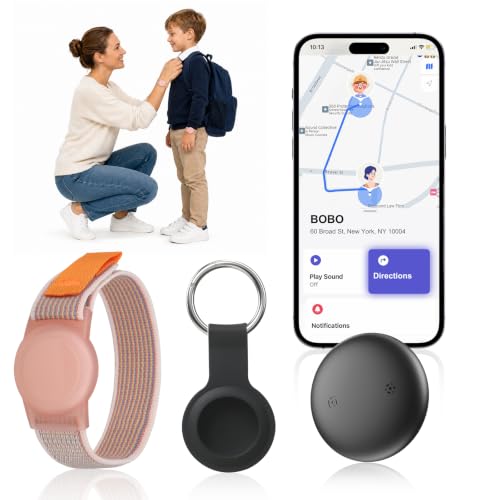
GPS Tracker for Kids & Seniors, Real-Time Tracking Locator Pink
- Global Tracking Without Fees: No SIM card or subscription needed
- Dual Wearable Design: Adjustable wristband and keychain
- Skin-Friendly and Durable: Lightweight, scratch-resistant, comfortable fit
As an affiliate, we earn on qualifying purchases.
As an affiliate, we earn on qualifying purchases.
Battery Life and How to Keep the Device Charged
Battery life varies from 1 to 7 days depending on update frequency and device design. Devices with frequent location updates need daily charging—an often overlooked challenge for forgetful loved ones.
Look for trackers with low-battery alerts or those that come with simple charging docks. Insole trackers can last days without fuss, while some emergency pendants may need daily charging. Consider devices with longer battery life if your loved one resists frequent charging.
Practical tip: set a routine—charge the device overnight or attach a reminder. For a loved one with severe memory issues, long-lasting batteries reduce the risk of losing track due to dead power.

GPS Tracker for Vehicles,2 Year Battery Life,GPS Tracker,2pcs Hidden Magnetic case,Trackers for Tracking Vehicle,2pcs GPS Tracker,Ultra-Slim,No Monthly Fee for Android and iPhone
- Global Cloud Positioning: Compatible with Google and Apple Find My
- Loud Alert Sound: 105dB built-in speaker for quick location
- Extended Battery Life: Up to 2 years on a single charge
As an affiliate, we earn on qualifying purchases.
As an affiliate, we earn on qualifying purchases.
Communication Features That Matter Most
Two-way voice, SOS buttons, and automatic alerts are key features. For higher-functioning users, a device with a speakerphone allows direct communication. For those with advanced dementia, passive GPS tracking and rapid alert notifications are more critical.
For example, some trackers let you call your loved one directly, which can be reassuring. Others automatically send alerts if they leave a safe zone or stop moving for a certain period.
Real-world scenario: a family used a tracker with an SOS button and auto-answer speakerphone. When their loved one wandered into a neighbor’s yard, they called instantly and guided her back home.
Durability and Water Resistance — Why They Save Lives
Water resistance isn’t just a luxury; it’s a safety feature. Drowning is a leading cause of wandering deaths, especially for seniors with mobility issues. A device rated for rain or even swimming can be a lifesaver.
Choose trackers with at least IP67 or higher water-resistance ratings. This means they’ll survive rain, hand-washing, and accidental dips in the sink or pool.
Example: A caregiver’s loved one with autism who liked to swim kept a waterproof GPS pendant. When he fell into the pool, they located him quickly because the device didn’t fail from water damage.
What’s the True Cost? Expect Monthly Fees and Extra Charges
Nearly all GPS trackers require a cellular subscription, costing between $10 and $50 monthly. This fee supports real-time location updates and emergency alerts. Devices without cellular plans are limited to Bluetooth or crowd-sourced options, which aren’t reliable for safety.
Be aware: the device’s upfront price varies from $50 to over $300. Long-term costs include the subscription, which you should budget into your decision.
Example: A family chose a mid-priced tracker with a $15/month plan. It provided peace of mind without breaking the bank, especially compared to the cost of a rescue in an emergency.
What Caregiver Features Should You Look For?
Multiple caregivers need easy app access, reliable alerts, and quick response options. Look for platforms that allow caregiver groups to monitor in real-time, receive instant notifications, and share updates seamlessly. Customer support quality can make or break your experience, especially in emergencies.
In some cases, services offer live monitoring centers that can contact emergency services automatically. This layer of support can be invaluable if you can’t always respond immediately.
Real-world example: A family used a tracker with a caregiver portal. When the device detected her mother leaving a geofence, the alert went to three family members and a monitoring center, enabling rapid response.
Legal, Ethical, and Privacy Considerations
Tracking an adult without their consent raises legal and ethical questions. Generally, caregivers should obtain permission or operate under guardianship. Transparency builds trust and reduces risks of misuse.
Be aware of privacy laws in your area—some jurisdictions restrict tracking without explicit agreement. Always prioritize respect and dignity when implementing safety measures.
Example: A caregiver explained the purpose and gained consent from her mother before installing the tracker, which helped maintain trust and avoid legal complications.
Recent Innovations That Make Tracking Smarter
New technology includes smarter alerts, behavior learning, and faster geofence notifications. Some devices predict when someone is likely to leave a safe zone based on routines, alerting you before they wander far. Others integrate with emergency response services for immediate help.
Shoe-insole and clothing trackers are evolving, solving the removal problem. RF bracelets like Project Lifesaver work indoors and without cell coverage, perfect for those who remove GPS devices.
For example, a program used by law enforcement employs RF bracelets that can track a person indoors, regardless of GPS or cell coverage, and send signals to nearby radios.
Frequently Asked Questions
Can I just use an Apple AirTag instead?
AirTags aren’t GPS devices. They rely on nearby iPhones to update location, so they’re unreliable for quick rescue or indoors. They can help locate a lost item but aren’t a substitute for a dedicated GPS tracker in safety situations.
Do GPS trackers require a monthly fee? How much will this cost?
Yes, almost all GPS trackers depend on cellular service, which costs between $10 and $50 monthly. Factor this ongoing expense into your decision—cheaper upfront devices often mean higher recurring costs or limited features.
What if my loved one takes it off or refuses to wear it?
Choosing a discreet, comfortable, and tamper-resistant device helps. Insole trackers or clothing-integrated options are less likely to be removed. Sometimes, making the device part of their routine or favorite clothing helps ensure consistent wear.
How accurate is the location, and does it work indoors or in rural areas?
GPS is very accurate outdoors—within a few meters. Indoors, Wi-Fi and cellular triangulation fill in gaps but are less precise. In rural areas with no cell coverage, RF bracelets like Project Lifesaver can provide indoor tracking without relying on GPS.
How long does the battery last, and what happens when it dies?
Battery life ranges from 1 to 7 days. When it runs out, the device stops reporting, risking loss of real-time updates. Regular charging routines or long-lasting batteries can reduce this risk significantly.
Conclusion
Picking the right GPS tracker isn’t about the latest tech—it’s about matching the device to your loved one’s habits and safety risks. Think of it as equipping a safety net that catches them before they fall into danger. The best tracker is the one they forget they’re wearing, but you always know where they are.
Remember: technology alone can’t replace vigilance, but it can buy you precious moments. Invest in a device that aligns with their needs—and your peace of mind.
Flea & tick season Picks
flea and tick prevention
As an affiliate, we earn on qualifying purchases.