
Finding the best hearing enhancement devices in 2027 means balancing performance, ease of use, and value. The SuperEar SE5000 stands out as the overall top pick thanks to its powerful amplification and user-friendly design. For those prioritizing affordability, the IROGER Rechargeable Personal Sound Amplifier offers solid performance at a lower price. Meanwhile, the Rechargeable Behind-the-Ear Hearing Amplifier for Seniors provides a comfortable fit for long-term wear. Each of these options reflects different priorities, and tradeoffs often involve features versus simplicity or price versus performance. Continue reading for a detailed breakdown of what makes each device unique and how to pick the right one for your needs.

Turn quiet afternoons into listening time
- Thousands of audiobooks, podcasts and originals
- Listen on your phone, tablet or Echo — also offline
- Cancel anytime
Complete the kit


Key Takeaways
- The top picks balance sound amplification quality with ease of use and comfort.
- Rechargeable models tend to offer better long-term value compared to disposable battery units.
- Bone conduction devices are gaining popularity for specific hearing needs but may not suit all users.
- Price ranges vary widely, with high-end models offering advanced AI features and basic models focusing on simplicity.
- Choosing the right device depends heavily on individual hearing needs, lifestyle, and comfort preferences.
| SuperEar SE5000 Personal Sound Amplifier with Headphones and Earbuds |  | Best Portable Amplifier for Everyday Use | Amplification: Up to 50+ dB | Battery: 1 AAA battery included | Battery life: Up to 30 hours | VIEW LATEST PRICE | See Our Full Breakdown |
| IROGER Rechargeable Personal Sound Amplifier with Headphones |  | Best Rechargeable Amplifier with Focused Voice Enhancement | Maximum sound gain: 65 dB | Charging time: 1 hour | Battery life: Up to 120 hours | VIEW LATEST PRICE | See Our Full Breakdown |
| Rechargeable Behind-the-Ear Hearing Amplifier for Seniors |  | Best Lightweight Behind-the-Ear Amplifier for Extended Wear | Sound gain: Up to 45 dB | Battery life: Up to 40 hours | Design: Behind-the-ear | VIEW LATEST PRICE | See Our Full Breakdown |
| ELEHEAR Beyond OTC Hearing Aids with AI Speech Enhancement |  | Best AI-Enhanced OTC Hearing Aids for Mild to Moderate Loss | Maximum gain: Up to 50 dB | Noise attenuation: 24 dB | Battery life: Up to 20 hours | VIEW LATEST PRICE | See Our Full Breakdown |
| ZAVYVAZ GM-922 Rechargeable 32-Channel In-Ear OTC Hearing Aids |  | Best Advanced Digital Processing for Moderate Hearing Needs | Processing: 32-channel digital | Battery: Rechargeable lithium-ion | Use per charge: 18–20 hours | VIEW LATEST PRICE | See Our Full Breakdown |
| Walker's Ultra Ear BTE Rechargeable Hearing Amplifiers, 2-Pack |  | Best Overall for Versatile, Rechargeable Amplification | Type: Behind-the-ear sound amplifier | Pack size: 2 amplifiers | Volume limit: 105 dB | VIEW LATEST PRICE | See Our Full Breakdown |
| NOLGESK OTC Rechargeable Hearing Aids for Seniors |  | Best Value for Mild to Moderate Hearing Loss | Brand: NOLGESK | Model: GM-901T | Fit: In-ear | VIEW LATEST PRICE | See Our Full Breakdown |
| Williams Sound Pocketalker Ultra Hearing Amplifier |  | Best for Personal, One-on-One Listening Situations | Power Source: Battery | Control Type: Button control | Audio Sensitivity: 40 dB | VIEW LATEST PRICE | See Our Full Breakdown |
| TTQ Rechargeable Bluetooth Hearing Aids with Earbuds |  | Best for Tech-Savvy Users Wanting Multi-Functionality | Brand: TTQ | Model: F-aid8 | Fit: In-ear | VIEW LATEST PRICE | See Our Full Breakdown |
| Joanbro Personal Sound Amplifier for Seniors with Headphones and Earbud | 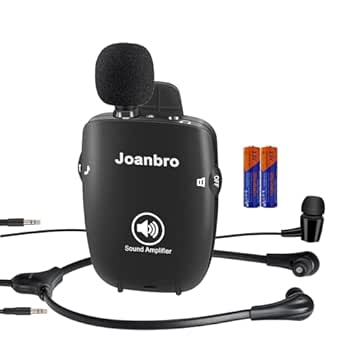 | Best for Versatile, Multi-Microphone Listening | Brand: Joanbro | Additional acoustic gain: Up to 50 dB | Microphone options: 3 removable types | VIEW LATEST PRICE | See Our Full Breakdown |
| Reizen Loud Ear Personal Hearing Amplifier |  | Best Portable Personal Amplifier | Sensitivity: 110 dB ±3 dB per mW | Frequency range: 20 Hz–20 kHz | Estimated battery life: 48 hours | VIEW LATEST PRICE | See Our Full Breakdown |
| Manzelun GM-105 Rechargeable Behind-the-Ear Hearing Amplifiers with Noise Cancellation |  | Best Rechargeable Behind-the-Ear Aids | Fit type: Behind-the-ear | Controls: Slide switch and volume knob | Usage time: Up to 25 hours | VIEW LATEST PRICE | See Our Full Breakdown |
| Aurimi Z18-7 Bone Conduction Hearing Amplifier |  | Best Open-Ear Bone Conduction Amplifier | Technology: Bone conduction | Fit: Behind-the-ear, open-ear | Battery life: Up to 10 hours | VIEW LATEST PRICE | See Our Full Breakdown |
| Blue Deer Bluetooth Bone Conduction Hearing Amplifiers for Seniors |  | Best Bluetooth Bone Conduction Amplifiers | Connectivity: Bluetooth 5.3 | Fit: Open-ear | Water resistance: IPX5 | VIEW LATEST PRICE | See Our Full Breakdown |
| Diggingsound Bluetooth Neckband Hearing Aids for Seniors |  | Best Long-Lasting Neckband Aids | Charging time: 1.5 hours | Battery life: Up to 24 hours | Volume levels: 5 | VIEW LATEST PRICE | See Our Full Breakdown |
| hearing enhancement device | Battery life |
|---|---|
| SuperEar SE5000 Personal Sound | Up to 30 hours |
| IROGER Rechargeable Personal S | Up to 120 hours |
| Rechargeable Behind-the-Ear He | Up to 40 hours |
| ELEHEAR Beyond OTC Hearing Aid | Up to 20 hours |
| ZAVYVAZ GM-922 Rechargeable 32 | — |
| Walker's Ultra Ear BTE Rec | Up to 48 hours |
| NOLGESK OTC Rechargeable Heari | — |
| Williams Sound Pocketalker Ult | — |
| TTQ Rechargeable Bluetooth Hea | — |
| Joanbro Personal Sound Amplifi | Up to 40 hours |
| Reizen Loud Ear Personal Heari | — |
| Manzelun GM-105 Rechargeable B | — |
| Aurimi Z18-7 Bone Conduction H | Up to 10 hours |
| Blue Deer Bluetooth Bone Condu | Up to 8 hours |
| Diggingsound Bluetooth Neckban | Up to 24 hours |
More Details on Our Top Picks
SuperEar SE5000 Personal Sound Amplifier with Headphones and Earbuds
The SuperEar SE5000 stands out for its portability and long battery life, making it ideal for users who need a simple, on-the-go solution. Unlike the ZAVYVAZ GM-922 which offers advanced noise reduction and a more discreet in-ear design, the SE5000’s handheld form and included headphones make it easier for those who prefer a traditional amplifier they can hold. However, its lack of wireless TV or phone connection limits convenience, especially compared to models like the ELEHEAR Beyond, which connect via Bluetooth. The tradeoff here is simplicity versus connectivity; if you want a straightforward device for basic amplification, this is a solid choice.
Pros:- Portable design with stainless steel belt clip
- Includes headphones and earbuds for flexible listening
- Up to 30 hours of continuous use
- Adjustable volume control for precise amplification
Cons:- Does not connect directly or wirelessly to TVs or phones
- Requires an AAA battery, adding a small ongoing cost
Best for: Users who prioritize portability and long battery life for casual amplification needs.
Not ideal for: Those seeking wireless connectivity or discrete in-ear amplification for frequent TV or phone use.
- Amplification:Up to 50+ dB
- Battery:1 AAA battery included
- Battery life:Up to 30 hours
- Included accessories:Stereo headphones, stereo earbuds, belt clip, screw
- Controls:Adjustable volume wheel
- Microphone:Swivel microphone
Our verdict“This device suits users who want a simple, portable amplifier without the need for wireless or Bluetooth features.”
IROGER Rechargeable Personal Sound Amplifier with Headphones
The IROGER IR8 excels for its automatic gain control and directional microphone, making it a strong choice for users who need clear speech emphasis. Compared with the Rechargeable Behind-the-Ear Hearing Amplifier, which offers a straightforward design, the IR8’s advanced features help filter out background noise, improving speech clarity in noisy environments. Its rechargeable battery provides an impressive 120 hours of use, reducing hassle and ongoing costs. Nonetheless, the device’s noise control appears limited, and conflicting details about its battery type might cause confusion. Overall, it’s a great option for those who want a simple yet intelligent amplification device with long-lasting power.
Pros:- Automatic gain control for consistent amplification
- Directional microphone emphasizes front-facing voices
- Rechargeable battery lasts up to 120 hours
- Simple one-knob control for ease of use
Cons:- Limited noise cancellation features
- Conflicting info on battery type (rechargeable vs. AA)
Best for: Individuals seeking a rechargeable, easy-to-operate device with focused voice amplification.
Not ideal for: Users who require comprehensive noise suppression or a more discreet in-ear form factor.
- Maximum sound gain:65 dB
- Charging time:1 hour
- Battery life:Up to 120 hours
- Controls:One-knob
- Microphone:Directional
- Warranty:2 years
Our verdict“This amplifier is well-suited for users wanting a rechargeable device with focused voice enhancement and minimal complexity.”
Rechargeable Behind-the-Ear Hearing Amplifier for Seniors
The Rechargeable Behind-the-Ear Amplifier offers a simple, lightweight design with long-lasting battery life, making it suitable for users who prefer behind-the-ear devices like the SuperEar SE5000. While it provides reliable amplification up to 45 dB, it lacks detailed fit or comfort specifications, which could impact prolonged wear. Compared to Bluetooth-enabled options like the ELEHEAR, this device is more straightforward but misses out on app customization and wireless connectivity. Its simple one-touch volume control appeals to seniors or those less comfortable with complex controls, but the absence of detailed charging info means some users might need to experiment with usage time.
Pros:- Up to 40 hours of use per charge
- Lightweight and comfortable for extended wear
- Simple, one-touch volume control
Cons:- Lack of specific fit or comfort details
- No info on charging time or included accessories
Best for: Seniors or users wanting a lightweight, easy-to-use behind-the-ear amplifier with long battery life.
Not ideal for: People seeking wireless connectivity or adjustable digital settings through an app.
- Sound gain:Up to 45 dB
- Battery life:Up to 40 hours
- Design:Behind-the-ear
- Power:Rechargeable
- Volume control:One-touch
Our verdict“This device makes sense for users prioritizing lightweight comfort and long battery life over advanced features or connectivity.”
ELEHEAR Beyond OTC Hearing Aids with AI Speech Enhancement
The ELEHEAR Beyond incorporates AI speech enhancement, noise attenuation, and feedback control, making it a compelling choice for users with mild to moderate hearing loss. Its app-based customization allows fine-tuning for different environments, akin to the advanced features of the ZAVYVAZ GM-922, but with a discreet receiver-in-the-canal design. The device’s 20-hour battery life and charging case extend usability, yet it’s not suitable for severe loss or those without a compatible smartphone. Compared to basic amplifiers, the ELEHEAR offers smarter, more adaptable listening, but the reliance on app connectivity can be a barrier for less tech-savvy users.
Pros:- AI speech enhancement with noise and feedback control
- App offers customizable listening settings
- Long battery life with charging case
- Automatic power on/off when placed in or out of the case
Cons:- Not suitable for severe hearing loss
- Requires a compatible smartphone for full functionality
Best for: Tech-savvy users with mild to moderate hearing loss seeking customizable and AI-powered features.
Not ideal for: Individuals with severe hearing loss or those uncomfortable using smartphone apps for adjustments.
- Maximum gain:Up to 50 dB
- Noise attenuation:24 dB
- Battery life:Up to 20 hours
- Charging case:Provides 4 extra charges
- Connectivity:Bluetooth
- App compatibility:iOS and Android
Our verdict“Ideal for users who want a smart, app-controlled device for mild to moderate hearing loss, with a preference for discreet design and AI features.”
ZAVYVAZ GM-922 Rechargeable 32-Channel In-Ear OTC Hearing Aids
The ZAVYVAZ GM-922 offers detailed 32-channel digital processing, noise reduction, and feedback control, making it suitable for users with mild to moderate hearing loss who desire a more sophisticated in-ear solution. Its active noise cancellation and automatic on/off provide convenience, but it cannot connect to phones or TVs via Bluetooth, limiting its versatility compared to the ELEHEAR Beyond. The conflicting details about startup delay—10 seconds versus 15 seconds—may cause some uncertainty about responsiveness. This model excels for those who want high processing power in a discreet form but don’t need wireless streaming or smartphone integration.
Pros:- 32-channel digital processing for clarity
- Active noise reduction and feedback control
- Long-lasting backup power in charging case
- Automatic on/off and quick startup
Cons:- No Bluetooth or phone connection support
- Conflicting info on startup delay
Best for: Mild to moderate hearing loss users who prefer in-ear devices with high channel processing and noise control.
Not ideal for: People seeking Bluetooth connectivity or integration with smartphones or TVs.
- Processing:32-channel digital
- Battery:Rechargeable lithium-ion
- Use per charge:18–20 hours
- Charging case backup:Over 100 hours
- Startup delay:10-15 seconds
- Noise control:Active noise cancellation
Our verdict“This in-ear device is best suited for users wanting advanced digital processing without the need for wireless features.”
Walker's Ultra Ear BTE Rechargeable Hearing Amplifiers, 2-Pack
This pair of behind-the-ear sound amplifiers offers a practical balance of portability and customization, making them ideal for outdoor activities like hunting or everyday listening. Unlike the more specialized OTC devices, these focus on straightforward sound enhancement without complex features, which can be a plus for users who prefer simplicity. The rechargeable lithium-ion batteries provide up to 48 hours of use, though the lack of detailed battery size means some may find replacement or understanding battery capacity tricky. Compared to the Williams Sound Pocketalker, these are more discreet and easier to carry, but they don’t include advanced noise reduction or medical-grade features. They excel in convenience and affordability, with adjustable tone and volume controls that help fine-tune sound for various environments. However, they don’t offer hearing aid functionalities such as feedback suppression or medical certification, making them suitable for mild to moderate needs only.
Pros:- Rechargeable with up to 48 hours of battery life
- Adjustable tone and volume controls
- Compact behind-the-ear design for discreet wear
- Includes two amplifiers and essential accessories
Cons:- Battery size is not specified, which may affect replacement planning
- Provides sound amplification but lacks hearing aid features like feedback management
Best for: Active users who need portable, rechargeable amplification for everyday or outdoor use
Not ideal for: Individuals with severe hearing loss or those requiring medical-grade hearing aids with advanced features
- Type:Behind-the-ear sound amplifier
- Pack size:2 amplifiers
- Volume limit:105 dB
- Battery life:Up to 48 hours
- Power source:Rechargeable lithium-ion batteries
- Controls:Adjustable tone and volume
Our verdict“Best suited for active users seeking reliable, rechargeable sound enhancement without complex features.”
NOLGESK OTC Rechargeable Hearing Aids for Seniors
Compared with the simpler Pocketalker, the NOLGESK GM-901T offers a more tailored hearing experience with noise reduction and multiple volume levels, making it better suited for everyday conversations. Its rechargeable case supports up to 80–100 hours of use, a significant advantage over disposable battery models, though actual runtime can vary depending on volume settings. The inclusion of six pairs of silicone ear tips ensures a comfortable, secure fit for different ear sizes, which enhances usability over basic personal amplifiers. While lacking Bluetooth connectivity found in the TTQ Bluetooth model, it provides essential amplification and feedback suppression at a more accessible price point. This makes it ideal for seniors or adults with mild to moderate hearing loss who prefer straightforward controls without extra tech complexity. The main tradeoff is the absence of smart features like app control or Bluetooth streaming, limiting versatility.
Pros:- Four adjustable volume levels
- Noise reduction and feedback suppression
- Long-lasting rechargeable case supporting up to 100 hours
- Includes six pairs of silicone ear tips for comfort
Cons:- No Bluetooth connectivity for wireless streaming
- Battery life varies with volume and environment settings
Best for: Seniors or adults with mild to moderate hearing loss seeking a simple, rechargeable device
Not ideal for: Users seeking Bluetooth streaming or advanced smart features for their hearing devices
- Brand:NOLGESK
- Model:GM-901T
- Fit:In-ear
- Color:Black
- Volume control:4 levels
- Total usage time:Up to 80–100 hours
Our verdict“Ideal for seniors needing straightforward, rechargeable amplification without smart features.”
Williams Sound Pocketalker Ultra Hearing Amplifier
The Pocketalker Ultra stands out for its simplicity and focus on individual conversations, similar to the Joanbro but with a slightly higher amplification capacity of 40 dB. Unlike the more feature-rich TTQ Bluetooth model, it eschews wireless connectivity for straightforward, tactile volume and tone controls that are easy for seniors or those with dexterity issues. Its lightweight, ergonomic design and included neck lanyard support discreet, portable use in various settings—TV, small groups, or one-on-one talks. While it isn’t suitable for severe hearing loss or complex environments, it excels in clarity and ease of use. The main compromise is that it requires separate headphones or earbuds, and it isn’t classified as a medical device, limiting its use for those with significant hearing impairments.
Pros:- Easy fingertip volume and tone controls
- Lightweight with a neck lanyard for portability
- Includes a year’s supply of AAA batteries and accessories
- Provides up to 40 dB amplification for clarity
Cons:- Requires separate headphones or earbuds for listening
- Not a medical-grade hearing aid
Best for: Individuals needing a simple, portable device for clear conversations and TV listening
Not ideal for: Users with severe hearing loss or those seeking Bluetooth or advanced features
- Power Source:Battery
- Control Type:Button control
- Audio Sensitivity:40 dB
- Item Dimensions:3.38″ L x 2.23″ W
- Item Weight:16 ounces
- Strap Type:Neck lanyard
Our verdict“Best for users prioritizing simplicity and portability over advanced features or severe hearing loss support.”
TTQ Rechargeable Bluetooth Hearing Aids with Earbuds
This innovative in-ear device combines amplification with Bluetooth functionality, making it versatile for both hearing support and media use. The five volume levels and three noise reduction modes aim to enhance speech clarity in different environments, similar to the Joanbro but with the added benefit of wireless connectivity. The large 2000 mAh charging case supports multiple recharges, potentially reusing the device many times before needing a new charge. However, the lack of detailed Bluetooth specifications and runtime per charge leaves some uncertainty about its daily usability. This model is best for users comfortable with tech who want a single device for calls, music, and hearing enhancement, though environmental performance can vary. It’s a compelling choice for those who want multi-purpose functionality without stepping into traditional hearing aid territory.
Pros:- Combines hearing amplification with Bluetooth earbuds
- Five volume levels and three noise reduction modes
- Large 2000 mAh charging case supports multiple recharges
- Includes flexible ear hooks and three ear tip sizes
Cons:- Bluetooth compatibility details and battery runtime are unclear
- Performance may vary depending on environment
Best for: Tech-savvy adults seeking an integrated hearing and media device with Bluetooth connectivity
Not ideal for: Individuals requiring a dedicated, medical-grade hearing aid or with severe hearing loss
- Brand:TTQ
- Model:F-aid8
- Fit:In-ear
- Connectivity:Bluetooth
- Volume levels:5
- Noise reduction modes:3
- Charging case capacity:2000 mAh
Our verdict“Ideal for users seeking a multi-functional device with both hearing support and wireless media capabilities.”
Joanbro Personal Sound Amplifier for Seniors with Headphones and Earbud
The Joanbro Personal Sound Amplifier offers a flexible approach to hearing support, featuring three microphone options for different listening contexts. Compared to the Pocketalker, it provides higher acoustic gain—up to 50 dB—and adjustable tone and volume controls that allow fine-tuning. Its wired microphone options and included headphones or earbuds may limit convenience but are advantageous for precision in noisy environments or distance hearing. The device’s compact size and belt clip make it highly portable, and the multiple microphone choices elevate its adaptability for daily use, TV watching, or noisy settings. On the downside, it relies on AAA batteries and wired accessories, which reduce convenience compared to rechargeable or wireless options. It’s best for those who prioritize customizable microphones and a portable, multi-use device over tech simplicity.
Pros:- Up to 50 dB of acoustic gain
- Three microphone options for different situations
- Adjustable tone and volume controls
- Includes headphones, earbud, and accessories
Cons:- Requires wired microphones and accessories
- Uses AAA batteries instead of rechargeable power
Best for: Seniors or adults needing adjustable, multi-microphone support for various environments
Not ideal for: People seeking a wireless, rechargeable device or minimal accessories
- Brand:Joanbro
- Additional acoustic gain:Up to 50 dB
- Microphone options:3 removable types
- Tone control:Adjustable
- Battery:2 AAA alkaline batteries
- Battery life:Up to 40 hours
Our verdict“Best for users who want customizable microphone options and adjustable sound in a portable form, accepting wired use and batteries.”
Reizen Loud Ear Personal Hearing Amplifier
This compact device stands out for its extraordinary sound pickup range, capturing sounds from up to 100 feet away, making it ideal for outdoor or large-room use. Compared to the Blue Deer bone conduction models, it offers a more traditional amplification experience but doesn’t support Bluetooth streaming. Its portability and clip-on design make it convenient for on-the-go use, especially for those who need quick, on-demand sound enhancement. The tradeoff is that it only includes one earphone, which limits stereo listening, and it relies on AAA batteries, adding ongoing cost. Overall, this makes the most sense for users needing a simple, highly portable device for occasional amplification or situational listening enhancement.
Pros:- Extremely portable with clip-on design
- Can pick up sounds from up to 100 feet away
- Includes batteries and a single earphone for immediate use
Cons:- Only one earphone included limits stereo experience
- Requires frequent AAA battery replacements
Best for: People who want a portable device primarily for outdoor activities or large spaces where sound distance matters
Not ideal for: Users seeking stereo sound or Bluetooth connectivity for streaming music or calls, as it only offers one earphone and no wireless features
- Sensitivity:110 dB ±3 dB per mW
- Frequency range:20 Hz–20 kHz
- Estimated battery life:48 hours
- Sound pickup range:Up to 100 feet
- Dimensions:2.5 × 1.75 × 0.75 inches
- Weight:2.4 ounces
Our verdict“This device is best for users who prioritize portability and distance sound pickup over stereo sound or wireless features.”
Manzelun GM-105 Rechargeable Behind-the-Ear Hearing Amplifiers with Noise Cancellation
This pair of behind-the-ear aids features physical controls and active noise cancellation, making them more suitable for daily use than simpler models like the Reizen Loud Ear. Compared to the Blue Deer bone conduction devices, the Manzelun aids offer a more traditional amplification method, with the added benefit of rechargeable batteries that support up to 25 hours of use per charge. They are designed for ease of use with slide switches and volume knobs, appealing to users who prefer tactile controls. However, the aids may produce slight operating noise, and new users might need time to adjust to the sound. This makes them a solid choice for those seeking a rechargeable, adjustable device for regular wear, especially in noisy environments.
Pros:- Rechargeable case supports multiple recharges for extended use
- Physical controls simplify adjustments
- Noise cancellation reduces background noise for clearer listening
Cons:- May produce slight operating noise during use
- Adjustment period needed for new users
Best for: Individuals seeking rechargeable, easy-to-control hearing aids for everyday use in moderately noisy settings
Not ideal for: Users who need complete silence or are very sensitive to operating noise, or those new to amplification who may need more intuitive controls
- Fit type:Behind-the-ear
- Controls:Slide switch and volume knob
- Usage time:Up to 25 hours
- Battery:Lithium-ion, 3.7 V
- Weight:48 g
- Included components:Charging compartment, cleaning brushes, ear tips, user guides
Our verdict“This pick suits those wanting rechargeable, physically controllable aids with noise reduction for daily environments.”
Aurimi Z18-7 Bone Conduction Hearing Amplifier
This lightweight, open-ear device focuses on bone conduction technology, making it ideal for users who want to stay aware of their surroundings while amplifying conversations or TV audio. Unlike traditional behind-the-ear aids, it leaves the ear canal unobstructed, suitable for outdoor activities or situations where situational awareness is essential. Compared with the Blue Deer bone conduction models, it emphasizes simplicity with a one-button control and offers up to 10 hours of use, but may require an adjustment period for those unfamiliar with bone conduction sound. Its IPX5 water resistance adds durability for active users, although it’s not designed for full submersion. This device best serves users seeking a lightweight, open-ear option that minimizes ear canal occlusion.
Pros:- Open-ear design leaves ear canal free
- Lightweight at just 25 grams
- Simple one-button operation and long battery life
Cons:- Adjustment to amplified sounds can take time
- Not suitable for full water immersion
Best for: Active individuals who want to hear amplified sound without blocking their ears, especially for outdoor activities or casual listening
Not ideal for: Users who prefer traditional in-ear amplification or need extensive sound customization, as controls are minimal and adjustment time may be needed
- Technology:Bone conduction
- Fit:Behind-the-ear, open-ear
- Battery life:Up to 10 hours
- Water resistance:IPX5
- Weight:25 g
- Controls:One-button
Our verdict“This device is best for users who prioritize situational awareness and comfort in active, outdoor environments.”
Blue Deer Bluetooth Bone Conduction Hearing Amplifiers for Seniors
This model combines open-ear bone conduction technology with Bluetooth 5.3, making it highly suitable for seniors who want to stream calls, music, or conversations while staying alert to their environment. Unlike the Aurimi device, Blue Deer offers independent volume controls for each ear and five-level volume memory, enhancing customization. Its 8-hour battery life and IPX5 water resistance support active daily use, but it isn’t designed for swimming or full water immersion. Compared to the Diggingsound neckband, it offers more streamlined, lightweight comfort with better wireless connectivity. The tradeoff is that it may not provide as much amplification power as some in-ear devices, so it’s better suited for mild to moderate hearing needs rather than severe impairment.
Pros:- Wireless Bluetooth 5.3 connectivity supports streaming
- Independent left/right volume controls and memory
- Lightweight and open-ear design for comfort
Cons:- Not suitable for full immersion or swimming
- Battery life may require recharging during long days
Best for: Seniors who want a comfortable, wireless, open-ear device for streaming calls and music, with customizable volume controls
Not ideal for: Users requiring strong amplification or full waterproofing for swimming, as it is primarily water-resistant for sweat and light rain
- Connectivity:Bluetooth 5.3
- Fit:Open-ear
- Water resistance:IPX5
- Battery life:Up to 8 hours
- Weight:30 g
- Volume control:Independent left/right with memory
Our verdict“This device is well-suited for seniors seeking wireless convenience and comfort with customizable audio settings.”
Diggingsound Bluetooth Neckband Hearing Aids for Seniors
This rechargeable neckband offers a full day’s use—up to 24 hours—making it a strong candidate for users who dislike frequent recharging. Compared with the Blue Deer and Aurimi models, it provides adjustable amplification and two noise reduction modes, supporting a variety of listening environments. Its neckband design can be more comfortable for extended wear, especially for users who prefer a more discreet, behind-the-head feel. However, it lacks detailed controls for fine-tuning during use, and the fit may vary based on ear shape, which could affect comfort and sound quality. It’s best for users who prioritize all-day battery life and adjustable amplification in a versatile, rechargeable package but aren’t concerned about Bluetooth streaming or water resistance.
Pros:- Up to 24 hours of use per charge
- Rechargeable with quick 1.5-hour charging time
- Adjustable volume and noise reduction modes
Cons:- No detailed controls for fine adjustments during use
- Fit and comfort may vary by individual ear shape
Best for: Long-duration users who want dependable all-day power and adjustable volume in a neckband format
Not ideal for: People looking for Bluetooth streaming or waterproof features, as this model focuses on battery life and basic controls
- Charging time:1.5 hours
- Battery life:Up to 24 hours
- Volume levels:5
- Noise reduction modes:2
- Hearing compensation:Up to 35 dB
- Connectivity:Bluetooth
Our verdict“This neckband is ideal for users who need a long-lasting, rechargeable device with adjustable amplification for all-day use.”

How We Picked
This lineup was assembled by evaluating each product based on performance, usability, build quality, and value. We prioritized devices that effectively amplify sound without excessive background noise, ensuring they suit a range of hearing needs from mild impairment to more significant loss. Ease of setup and comfort for extended wear also played key roles, along with battery life and maintenance. Devices with additional features like AI speech enhancement or Bluetooth connectivity were considered for their added convenience. The ranking reflects a balance between price and features, emphasizing devices that deliver reliable performance for everyday use.Factors to Consider When Choosing Best Hearing Enhancement Devices
Choosing the best hearing enhancement device involves understanding several critical factors beyond simple features. It’s important to consider how well a device amplifies sound in different environments, how comfortable it is to wear for extended periods, and whether it offers additional functionalities like Bluetooth or noise cancellation. Being aware of common pitfalls, such as overpaying for unnecessary features or selecting a device that doesn’t suit your specific hearing loss, can save you money and frustration. The following sections highlight key considerations for making an informed choice.Sound Quality and Amplification Effectiveness
Not all hearing devices amplify sound equally. Focus on models that offer customizable volume controls and feedback reduction to ensure clear audio without distortion. Devices with multiple channels or frequency adjustments provide more precise amplification tailored to your hearing profile. Testing how well a device performs in noisy environments is also critical, as some models excel at filtering background noise better than others. Better sound quality directly impacts your listening experience and overall satisfaction.
Comfort and Fit
A device that isn’t comfortable will quickly become a nuisance, discouraging consistent use. Behind-the-ear models often provide better stability and comfort for long periods, while in-ear options might be less conspicuous but less comfortable for some users. Consider your daily activities and whether you need a lightweight, discreet device or one that stays securely in place during movement. Proper fit also affects sound quality; a loose device can cause feedback or reduce amplification effectiveness.
Battery Life and Maintenance
Long-lasting batteries are essential for reliable daily use, especially if you dislike frequent charging or battery replacements. Rechargeable models tend to offer greater convenience and lower ongoing costs, but some high-end units still use disposable batteries for extended operation. Always check the battery life and ease of replacing or recharging batteries before purchasing. Additionally, consider how easy it is to clean and maintain the device, as this impacts longevity and hygiene.
Connectivity and Additional Features
Modern hearing devices often include Bluetooth for streaming audio directly from your phone or other devices. This feature can significantly enhance usability, especially for calls, music, or TV streaming. Noise cancellation and AI-based speech enhancement are also rising in popularity, helping improve clarity in challenging environments. Be mindful that added features usually increase cost but can provide substantial convenience and improved sound quality for tech-savvy users.
Cost and Value
Price ranges vary dramatically, and more expensive models often include advanced features and better sound quality. However, affordability shouldn’t come at the expense of essential performance. Focus on devices that meet your specific hearing needs rather than paying for bells and whistles you won’t use. It’s worth considering long-term value—rechargeable models and durable designs can save money over time, even if their initial price is higher.
Frequently Asked Questions
Can I use hearing enhancement devices if I have moderate hearing loss?
Yes, many hearing enhancement devices are suitable for moderate hearing loss, especially those with adjustable amplification levels and multiple channels. These devices can help improve hearing clarity in various settings, from conversations to TV listening. However, it’s important to choose a model that offers sufficient power and customization options tailored to your specific hearing profile. Consulting with an audiologist can help identify the best device for your level of impairment.
Are rechargeable hearing devices as reliable as traditional battery-powered ones?
Rechargeable hearing devices have become highly reliable and offer the convenience of quick charging and longer-term cost savings. Modern batteries maintain their capacity over many cycles and require less maintenance than disposable batteries. However, they still depend on proper charging routines; a device that isn’t charged regularly may lose functionality. Overall, rechargeable options are a practical choice for everyday use, especially for those who dislike managing small batteries.
How do I know if a hearing device will fit comfortably all day?
Comfort depends on the device’s design, fit, and your individual ear shape. Behind-the-ear models are generally more adjustable and provide a stable fit, making them suitable for long-term wear. In-ear devices must be properly sized to avoid discomfort or pressure. Trying different ear tips and ensuring the device is lightweight can improve comfort. If you experience soreness or irritation, it’s worth consulting a professional to find a better-fitting model.
Is Bluetooth connectivity necessary in a hearing device?
Bluetooth is a valuable feature for those who want to stream audio directly from their phone, TV, or other compatible devices. It can simplify managing calls and media, providing a more integrated listening experience. However, not everyone needs this capability, especially if they primarily use the device for basic amplification. Weigh the convenience against the additional cost, and consider whether your daily habits justify Bluetooth features.
What should I avoid when choosing a hearing enhancement device?
Avoid devices that claim to cure hearing loss or promise unrealistic results, as these are often misleading. Be cautious of overly complex devices with unnecessary features that complicate use or maintenance. Additionally, steer clear of models that don’t offer proper fit adjustments or fail to provide adequate sound quality. Always prioritize devices with proven performance, and if possible, seek recommendations from healthcare professionals for your specific needs.
Conclusion
The best overall hearing enhancement device for most users is the SuperEar SE5000, thanks to its balanced performance and ease of use. For those seeking affordability without sacrificing sound quality, the IROGER Rechargeable Personal Sound Amplifier makes a strong case. If comfort and long-term wear are priorities, the Rechargeable Behind-the-Ear Hearing Amplifier for Seniors stands out. Beginners or those with mild impairment may prefer simple, user-friendly models, while tech enthusiasts might prioritize Bluetooth-enabled, AI-enhanced options. Ultimately, your choice should align with your hearing needs, lifestyle, and budget, ensuring you get a device that improves your daily hearing experience.