TL;DR
Listen free for 30 days with Audible
Thousands of audiobooks and originals — cancel anytime.
Start your free trialAs an affiliate, we earn on qualifying purchases.
Hearing amplifiers are simple, over-the-counter devices that boost sound for casual listening. Hearing aids are medical devices tailored to treat specific hearing loss, often requiring professional fitting. Knowing which suits your needs saves money and prevents damage.
Imagine hearing your favorite podcast clearly during a walk, but struggling to follow a conversation at a noisy restaurant. Now, picture the difference between grabbing a simple volume booster versus a customized hearing device. This guide clears up the confusion, so you can pick the right tool for your hearing needs.
Whether you’re curious about over-the-counter options or considering a professional solution, understanding the core differences saves you money and frustration. Let’s break down what each device does, how they differ, and what’s best for your unique situation.
Hearing amplifiers boost sound volume but aren’t tailored to specific hearing loss, making them suitable mainly for mild issues or casual use.
Hearing aids are personalized, advanced devices fitted by professionals, providing better clarity and comfort for ongoing hearing loss.
Recent OTC hearing aids are expanding access for mild to moderate loss, but they still lack the full customization of traditional aids.
Always get a hearing test before choosing a device—this helps match your needs with the right technology.
Misusing amplifiers if you have significant hearing loss can worsen damage; professional advice is key.
What exactly is a hearing amplifier? Think of it as a volume booster for your ears
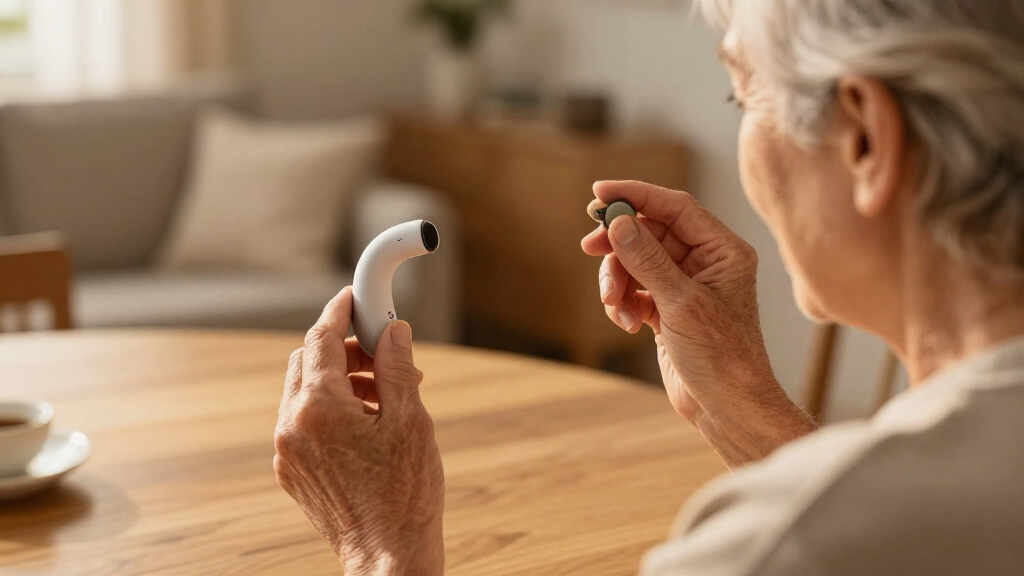
Hearing amplifiers are consumer electronics designed to make sounds louder for casual listening. They’re simple gadgets, often resembling small earbud-like devices, that increase volume without customizing for your specific hearing loss.
For example, someone at a park might use a hearing amplifier to catch distant conversations or bird sounds. They’re great for mild hearing difficulties or for occasional use in quiet environments. But they don’t filter out background noise or adapt to different settings.
Real-world scenario: A person with age-related mild hearing trouble might use an amplifier during a walk to better hear bird chirping, but struggle in a noisy restaurant.

Flaygo Hearing Aids for Seniors,Hearing Aids for People with Hearing Loss, Sound Quality Restoration, Intelligent Noise Reduction, Standby 80h, One-Button Operation, Comfortable Wearing,Beige
- Sound Quality: High-definition sound with noise reduction
- Whistling Suppression: Eliminates annoying whistling noises
- Comfortable Fit: Lightweight, ergonomic, and invisible design
As an affiliate, we earn on qualifying purchases.
As an affiliate, we earn on qualifying purchases.
What makes hearing aids different? They’re like a personalized hearing coach
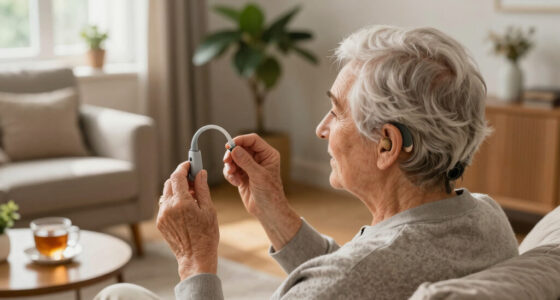
Hearing aids are medical devices tailored to your unique hearing profile. Prescribed by an audiologist, they fit precisely, often after a detailed hearing test. They include sophisticated features like noise reduction, directional microphones, and Bluetooth for streaming audio.
Imagine walking into a bustling cafe. A hearing aid can amplify speech, cut background noise, and even connect to your phone. They’re designed to adapt automatically, providing clarity in diverse environments.
Real-world example: Someone with moderate hearing loss visits their audiologist, who programs a hearing aid with different settings for conversations, TV, or outdoor noise. The device learns and adjusts, making hearing effortless.
Why it matters: The customization in hearing aids means they can significantly improve your quality of life by providing clarity and reducing listening fatigue. However, this level of personalization involves ongoing adjustments and higher costs, which are tradeoffs to consider.
personal hearing aids for mild hearing loss
As an affiliate, we earn on qualifying purchases.
As an affiliate, we earn on qualifying purchases.
Hearing aids vs hearing amplifiers: The clear comparison table
| Feature | Hearing Amplifiers | Hearing Aids |
|---|---|---|
| Prescription needed | No, over-the-counter | Yes, prescribed by an audiologist |
| Customization | None, generic amplification | Highly customized to your hearing loss |
| Technology sophistication | Simple volume boost | Advanced features: noise reduction, Bluetooth, adaptive settings |
| Cost | Typically under $200 | $1,000–$6,000 per pair |
| Fitting process | Self-setup | Professional fitting and adjustment |
| Best for | Mild hearing issues, casual use | Moderate to severe hearing loss, daily use |
digital hearing aids with noise reduction
As an affiliate, we earn on qualifying purchases.
As an affiliate, we earn on qualifying purchases.
When should you pick a hearing amplifier? Use it for mild needs or casual listening
If your hearing issues are mild or occasional, a hearing amplifier might do the trick. They’re quick, affordable, and easy to buy online or in stores. Think of them as an extra pair of ears for specific situations—like listening to a lecture or enjoying nature.
However, don’t use them if your hearing loss is more than mild. They won’t address complex issues or help in noisy environments. Overuse or misuse can even cause further hearing damage, especially if you’re not sure what’s safe.
Real-world tip: Someone with age-related mild hearing loss uses an amplifier during church sermons, but switches to a professional device for everyday conversations.
As an affiliate, we earn on qualifying purchases.
Why opting for a hearing aid might be the smarter move
Hearing aids are best for people with diagnosed hearing loss who need tailored solutions. They provide clarity, comfort, and features that adapt to different situations, making daily life easier.
For example, if you notice neighbors’ voices sound muffled, or you struggle to follow conversations, a hearing aid can make a real difference. It’s like having a personal sound engineer adjusting settings in real-time.
Plus, recent advances mean modern hearing aids are discreet, comfortable, and connect seamlessly with smartphones. They’re designed to improve your hearing, not just amplify everything around you.
Deep understanding: Choosing a hearing aid over an amplifier is about investing in a device that actively improves your hearing experience rather than just increasing volume. This means less listening fatigue, better speech comprehension, and fewer misunderstandings, especially in noisy environments. The tradeoff is the higher cost and need for professional fitting, but the long-term benefits often outweigh these considerations for those with genuine hearing loss.
Should you consider OTC hearing aids? Yes, if you qualify
In many countries, OTC hearing aids are now available for mild to moderate hearing loss without a prescription. They’re a game-changer, making hearing help more accessible and affordable.
Think of them as a middle ground—better than simple amplifiers, but not as customized as traditional aids. They often include features like multiple listening programs and Bluetooth connectivity.
Real-world scenario: A 65-year-old with mild hearing loss buys an OTC device online, notices a big improvement in clarity, and saves hundreds compared to a full audiologist visit.
Why it matters: OTC hearing aids are a practical choice for those who need moderate assistance but want to avoid the higher costs and time commitment of professional fitting. However, they may not be suitable for complex or severe loss, where tailored programming by an audiologist is essential for optimal benefit.
How to choose the right device for your needs
- Get a hearing test from a professional to understand your level of loss.
- Decide if you need a simple amplifier or a personalized hearing aid.
- Set your budget, considering that hearing aids can cost $1,000–$6,000.
- Research features: noise filtering, Bluetooth, rechargeable batteries.
- Consult with an audiologist or hearing specialist for personalized advice.
Remember: the cheapest device isn’t always the best. Proper fit and features tailored to your hearing profile make a big difference.
The bottom line: Know what you need and pick wisely
Choosing the right hearing device isn’t about the latest gadgets. It’s about understanding your hearing, your lifestyle, and what offers the best clarity and comfort. A professional assessment is the best first step.
Remember, an over-the-counter amplifier can help in certain situations, but it’s not a substitute for a tailored hearing aid if your hearing loss is significant. Investing in the right device can change the way you experience the world.
Frequently Asked Questions
Can I use a hearing amplifier if I have hearing loss?
Yes, if your hearing loss is mild. But for moderate or worse, a hearing aid offers better clarity and reduces the risk of further damage. Always assess your needs carefully.
Are OTC hearing aids as effective as prescription ones?
OTC devices work well for mild to moderate loss, but they lack the fine-tuning and sophisticated features of professionally fitted hearing aids. For complex needs, professional help is better.
How do I know if I need a hearing aid or just a hearing amplifier?
Start with a hearing test from an audiologist. If your loss is mild, an amplifier might suffice. For more serious loss, a tailored hearing aid will serve you better in the long run.
Are hearing aids covered by insurance?
Coverage varies. Some insurance plans, including certain Medicare Advantage plans, may help with the cost. Check your policy or talk to your provider.
What are the risks of using a hearing amplifier if I have hearing loss?
Using an amplifier excessively or improperly can potentially cause further hearing damage. Always use devices responsibly and consult a professional if unsure.
Conclusion
Understanding the difference between hearing amplifiers and hearing aids is your first step toward better hearing health. Think of amplifiers as quick fixes, while hearing aids are personalized tools designed for your unique needs.
Choosing wisely means considering your hearing level, lifestyle, and budget. When in doubt, consult a hearing professional—your ears will thank you for it.
Flea & tick season Picks
flea and tick prevention
As an affiliate, we earn on qualifying purchases.