
TL;DR

Turn quiet afternoons into listening time
- Thousands of audiobooks, podcasts and originals
- Listen on your phone, tablet or Echo — also offline
- Cancel anytime
A Mumbai hospital is set to deploy artificial intelligence tools aimed at enabling earlier diagnosis of brain disorders. This initiative seeks to improve patient outcomes through advanced detection capabilities. The development is confirmed, but specific implementation details remain pending.
A Mumbai hospital is planning to implement artificial intelligence (AI) tools to assist in the early diagnosis of brain disorders, according to NDTV. The initiative aims to enhance detection accuracy and speed, potentially improving treatment outcomes. This development is confirmed by hospital officials and marks a significant advancement in medical diagnostics in India.
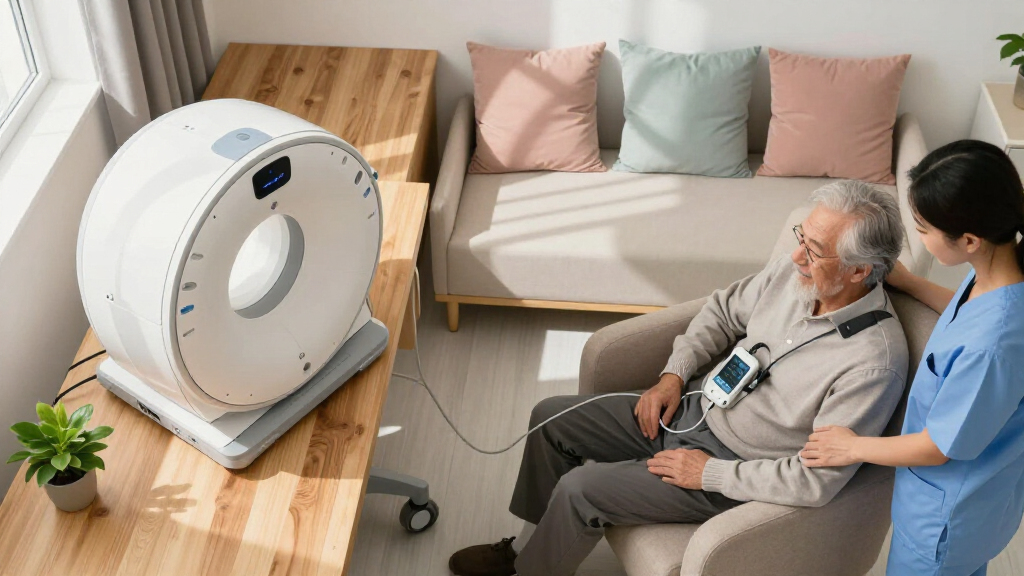
The hospital has announced plans to integrate AI-based diagnostic systems specifically designed to identify early signs of various brain disorders, including neurodegenerative diseases such as Alzheimer’s and Parkinson’s, as well as other neurological conditions. The technology will analyze medical imaging, patient history, and neurological data to flag potential issues at earlier stages than traditional methods allow.
Sources from the hospital confirmed that the AI tools are currently in the pilot phase, with full deployment expected within the next few months. The system is expected to assist neurologists by providing preliminary assessments, thereby reducing diagnostic delays and enabling earlier intervention. The hospital has partnered with a tech firm specializing in healthcare AI solutions, though specific company names have not been disclosed.
While officials emphasize the potential benefits, they also acknowledge that the technology’s accuracy and integration process are still being evaluated. The hospital’s goal is to improve early detection rates, which could significantly impact patient prognosis and quality of life, especially in cases where early treatment can slow disease progression.
Impact of AI-Driven Early Diagnosis on Patient Outcomes
The deployment of AI in early diagnosis of brain disorders at this Mumbai hospital could mark a pivotal shift in neurological healthcare in India. Early detection is crucial for conditions like Alzheimer’s, Parkinson’s, and other neurodegenerative diseases, where intervention at initial stages can greatly improve management and slow progression. By enabling faster, more accurate assessments, AI technology has the potential to reduce diagnostic delays that often hinder timely treatment.
This initiative could also set a precedent for other hospitals across India and similar healthcare systems globally, encouraging wider adoption of AI tools in neurology. Ultimately, the project underscores the growing role of artificial intelligence in personalized medicine and disease management, aiming to improve patient survival rates and quality of life.
AI-based brain disorder diagnostic tools
As an affiliate, we earn on qualifying purchases.
As an affiliate, we earn on qualifying purchases.
Growing Interest in AI for Medical Diagnostics in India
Interest in integrating artificial intelligence into healthcare diagnostics has been rising in India, driven by advancements in machine learning and data analytics. Several hospitals and research institutes have begun exploring AI applications for radiology, pathology, and clinical decision support. The current development in Mumbai reflects this broader trend, where AI is increasingly viewed as a means to address healthcare challenges such as doctor shortages, diagnostic delays, and uneven access to specialized care.
While specific government policies promoting AI in healthcare are still evolving, private sector collaborations and pilot projects are gaining momentum. The Mumbai hospital’s move aligns with this national trend, although details about the scale and scope of AI adoption remain limited at this stage. The focus on neurological disorders is particularly significant given the rising prevalence of such conditions in India.
It is important to note that the integration of AI in clinical settings is still in early stages, with ongoing debates about regulatory approval, data privacy, and clinical validation. The current project is among the early efforts to evaluate AI’s practical utility in real-world healthcare environments.
As an affiliate, we earn on qualifying purchases.
Details of AI Technology Deployment Still Unclear
It is not yet confirmed which specific AI systems or algorithms will be used, nor whether the technology has undergone clinical validation. The exact timeline for full implementation and integration into routine diagnostic workflows remains uncertain. Additionally, questions about regulatory approval, data privacy safeguards, and staff training are still unresolved.
While the hospital has announced plans, detailed technical specifications and evaluation metrics have not been publicly disclosed, leaving some uncertainty about the readiness and reliability of the AI tools.
early detection neurodegenerative disease kit
As an affiliate, we earn on qualifying purchases.
As an affiliate, we earn on qualifying purchases.
Next Steps in AI Integration and Evaluation
The hospital is expected to complete pilot testing within the coming months, after which a comprehensive review will determine readiness for wider deployment. Further collaboration with regulatory authorities and healthcare bodies will be necessary to ensure compliance and safety standards. Monitoring and evaluating the AI system’s performance during early use will be critical in establishing its clinical value.
Additional training for medical staff and infrastructure upgrades are also anticipated to support the AI-enabled diagnostic process. As the project progresses, more details about its impact and effectiveness are likely to emerge, influencing broader adoption in India’s healthcare system.
neurological health monitoring devices
As an affiliate, we earn on qualifying purchases.
As an affiliate, we earn on qualifying purchases.
Key Questions
What types of brain disorders will AI help diagnose?
The AI system aims to assist in diagnosing neurodegenerative diseases like Alzheimer’s and Parkinson’s, as well as other neurological conditions, by analyzing medical imaging and patient data.
When will the AI technology be fully operational at the hospital?
Full deployment is expected within the next few months, following pilot testing and validation, though exact dates have not been publicly confirmed.
Will this AI system replace neurologists or assist them?
The AI is intended to assist neurologists by providing preliminary assessments and early alerts, not replace medical professionals.
Are there any concerns about data privacy or accuracy?
As with all AI medical tools, data privacy and accuracy are important considerations. The hospital and developers are expected to address these issues during validation and regulatory review.
Could this technology be used in other hospitals across India?
Yes, if successful, this initiative could serve as a model for wider adoption of AI diagnostics in India’s healthcare system.
Source: local
Fall Picks
fall essentials
As an affiliate, we earn on qualifying purchases.