
TL;DR
Medical alert systems connect users with emergency responders through wearable devices and base stations. They work via cellular or landline signals, and recent innovations like GPS and AI make them more reliable and versatile. Knowing how these systems operate helps you choose the right one for safety and peace of mind.
Modern medical alert systems combine hardware like wearable buttons and base stations with cellular, GPS, and AI tech to provide faster, more accurate help.
Automatic fall detection sensors can recognize falls without user input, speeding up emergency response, especially when the user is unconscious or immobile.
Choosing the right system depends on your lifestyle—indoor, outdoor, or travel needs—and features like GPS or telehealth integration can boost safety.
Regular maintenance, reputable providers, and understanding coverage options help ensure your system works when it’s needed most.
What Are Medical Alert Systems Made Of? Here’s Exactly How They Connect You to Help
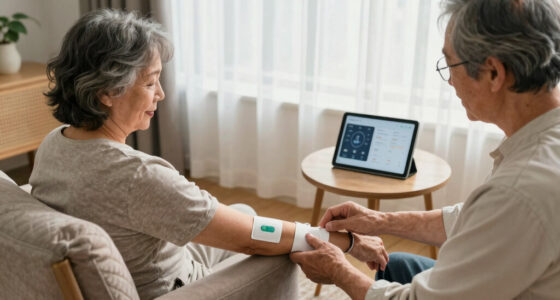
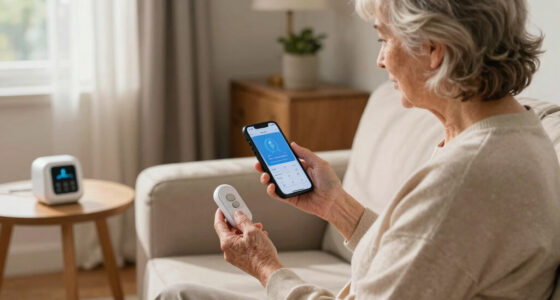
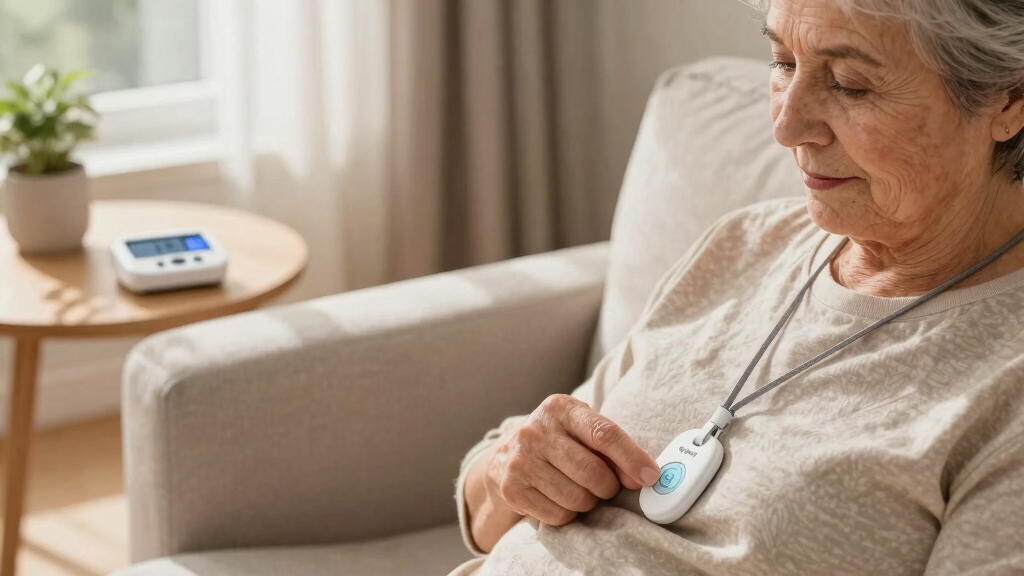
Medical alert systems are simple in concept but packed with technology. They include a wearable emergency button—like a pendant or wristband—that’s your direct line to help. Inside the base station, which often sits near your phone or is a standalone device, a tiny computer connects to the phone network—cellular or landline—and links you to a monitoring center.
For example, when you press your pendant’s button, it sends a wireless signal to the base station. This station then dials the monitoring center, where trained operators can hear your voice and assess your situation. If you can’t speak, many systems automatically send an emergency alert, especially if equipped with fall detection sensors.
Recent models also include GPS chips, so responders know your exact location outdoors, or use Bluetooth and Wi-Fi to pinpoint you indoors. Think of it as a digital handshake, connecting you swiftly and securely to the help you need.
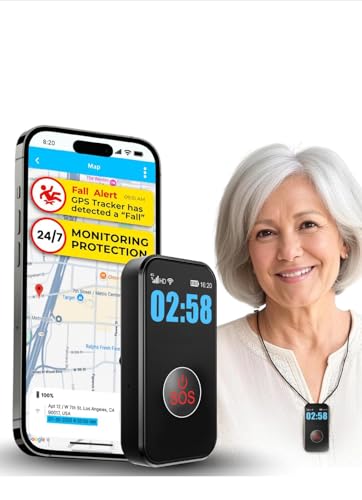
SecuLife Medical Alert Pendant for Seniors — Alerts Go Direct to Family, No Call Center | Auto Fall Detection, GPS Tracking, 2-Way Calling, No Contract, Waterproof Necklace
❤️ 𝐌𝐞𝐝𝐢𝐜𝐚𝐥 𝐀𝐥𝐞𝐫𝐭 𝐏𝐞𝐧𝐝𝐚𝐧𝐭 𝐰𝐢𝐭𝐡 𝐅𝐚𝐥𝐥 𝐃𝐞𝐭𝐞𝐜𝐭𝐢𝐨𝐧: Designed for seniors and individuals with medical conditions, this wearable alert…
As an affiliate, we earn on qualifying purchases.
As an affiliate, we earn on qualifying purchases.
How Do Medical Alert Systems Actually Work When You Need Help?
At their core, medical alert systems operate on a simple principle: send a signal and get help. When you press the emergency button, the device communicates via cellular or landline signals to the monitoring center. If you’re in a hurry or unable to speak, the system’s built-in sensors—like fall detectors—can activate automatically.
Here’s what happens next:
- The signal reaches the base station or directly to the cellular network.
- The center receives an alert, along with your location if GPS is available.
- An operator answers you, assesses your needs, and dispatches help if needed.
Understanding this process emphasizes the importance of reliable signal transmission. If the system’s communication pathway fails—due to poor coverage, dead batteries, or technical glitches—help may be delayed or unavailable. Therefore, choosing a system with robust connectivity options and backup power sources is crucial. The tradeoff often lies in balancing cost, complexity, and reliability; more advanced systems with GPS and cellular backup tend to be pricier but offer greater assurance during emergencies.
SecuLife Medical Alert Pendant for Seniors — Alerts Go Direct to Family, No Call Center | Auto Fall Detection, GPS Tracking, 2-Way Calling, No Contract, Waterproof Necklace
❤️ 𝐌𝐞𝐝𝐢𝐜𝐚𝐥 𝐀𝐥𝐞𝐫𝐭 𝐏𝐞𝐧𝐝𝐚𝐧𝐭 𝐰𝐢𝐭𝐡 𝐅𝐚𝐥𝐥 𝐃𝐞𝐭𝐞𝐜𝐭𝐢𝐨𝐧: Designed for seniors and individuals with medical conditions, this wearable alert…
As an affiliate, we earn on qualifying purchases.
As an affiliate, we earn on qualifying purchases.
What Features Make Modern Medical Alert Systems Smarter and More Reliable?
Today’s systems go beyond just pressing a button. They include features that boost safety and ease of use. GPS tracking means responders find you no matter where you are—out for a walk, in a park, or traveling abroad. Two-way voice allows direct conversation, so you can tell responders exactly what’s happening.
Some systems even monitor your activity levels, sending alerts if you haven’t moved for a long time—an early sign of trouble. Others integrate with smartphones, wearable health devices, and telehealth platforms, turning a simple safety device into a full health companion.
These features matter because they provide a more comprehensive safety net. GPS and activity monitoring can prevent dangerous situations or enable quick intervention. However, they also introduce complexity and potential points of failure—such as GPS signal loss or false alarms—so it’s important to weigh the benefits against possible drawbacks. The tradeoff involves balancing advanced capabilities with ease of use and dependability, especially for users less comfortable with technology.

Medical Alert System for Seniors – Advanced Mini Device with Automatic Fall Detection, 24/7 Monitoring, GPS Tracking, Emergency Alert Pendant Necklace, SOS Button, Caregiver App, Waterproof | Black
EASY ACTIVATION + MONTHLY SUBSCRIPTION: Elevate your safety and security with our straightforward medical alert pendants. For just…
As an affiliate, we earn on qualifying purchases.
As an affiliate, we earn on qualifying purchases.
What’s New? The Latest Tech Trends Transforming Medical Alerts Today
Medical alert systems are evolving fast, thanks to advances in tech. Now, many incorporate AI and machine learning to analyze your activity patterns. If something unusual happens—like a long inactivity—they can automatically alert caregivers or emergency services.
GPS accuracy has improved dramatically, with some devices pinpointing your location within a few meters. This is vital when you’re outdoors or in unfamiliar places. Plus, systems are more compatible with smartphones and smartwatches, making them easier to wear and carry.
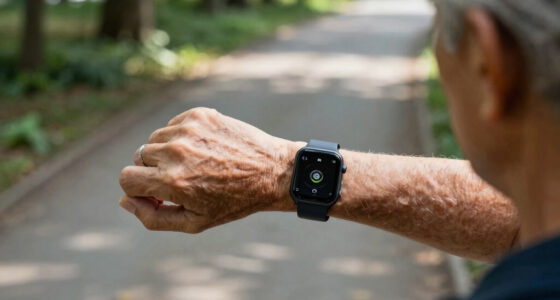
Imagine a smartwatch that detects a fall, immediately calls 911, and shows your location on a map on the responder’s screen. These innovations are reducing response times and saving lives. However, reliance on advanced tech also means that malfunctions—such as GPS errors or AI misinterpretations—could potentially lead to false alarms or missed emergencies. Therefore, integrating these technologies requires careful consideration of their reliability and how they complement existing safety features.
SecuLife Medical Alert Pendant for Seniors — Alerts Go Direct to Family, No Call Center | Auto Fall Detection, GPS Tracking, 2-Way Calling, No Contract, Waterproof Necklace
❤️ 𝐌𝐞𝐝𝐢𝐜𝐚𝐥 𝐀𝐥𝐞𝐫𝐭 𝐏𝐞𝐧𝐝𝐚𝐧𝐭 𝐰𝐢𝐭𝐡 𝐅𝐚𝐥𝐥 𝐃𝐞𝐭𝐞𝐜𝐭𝐢𝐨𝐧: Designed for seniors and individuals with medical conditions, this wearable alert…
As an affiliate, we earn on qualifying purchases.
As an affiliate, we earn on qualifying purchases.
Key Facts About Medical Alert Systems You Need to Know
Response time is crucial—most systems aim to connect you with help within 30 seconds to 2 minutes. Coverage varies: some operate via landline, others rely on cellular signals, and high-end models even use satellite technology for remote areas.
Cost depends on features. Basic systems start around $20–$50/month, while advanced models with GPS, fall detection, and telehealth options can go higher. According to recent studies, users often experience a 20–30% reduction in emergency response times, leading to better health outcomes.
Reliability depends on choosing a reputable provider, maintaining the device, and ensuring good signal coverage. Proper setup is key to making sure help is always just a button press away. Recognizing these factors helps users understand the tradeoffs between cost, features, and dependability, which are critical for making an informed decision that aligns with their safety priorities.
Answers to Your Top Questions About Medical Alert Systems
- How do I pick the right system? Think about your mobility, location, and which features matter most—like GPS or fall detection.
- Are they covered by insurance? Some long-term care policies and Medicare Advantage plans may help cover costs. Check with your provider.
- What if I press accidentally? Most systems have protocols to verify emergencies, and false alarms can often be canceled if caught early.
- Can I use these outside my home? Yes, especially mobile systems with GPS—they work anywhere with cellular coverage.
- Are they reliable? Modern systems are highly dependable, but always choose reputable brands and keep devices updated.