TL;DR
Monitored systems connect you to professional responders 24/7, ensuring faster emergency help. Unmonitored devices rely on your contacts, which can delay assistance. Recent tech advances make both options smarter and more reliable.
Imagine this: you or a loved one falls at home, unable to reach a phone, and the clock is ticking. The right system can mean the difference between quick help and a dangerous delay. Medical alert systems act as a safety net, but not all are created equal.
Understanding the difference between monitored and unmonitored systems is essential before making a choice. Whether for peace of mind, independence, or safety, knowing what each offers helps you pick the best fit for your lifestyle and needs.
Monitored systems connect you to professional responders 24/7, ensuring faster help during emergencies.
Unmonitored devices are affordable and simple but rely entirely on your contacts for assistance.
Latest tech advances, like fall detection and GPS, make both systems more reliable and versatile.
Choosing the right system depends on your health risk, independence level, and budget.
Always prioritize features like cellular connectivity and two-way voice for maximum safety.
What Exactly Is a Monitored Medical Alert System—and Why Does It Matter?
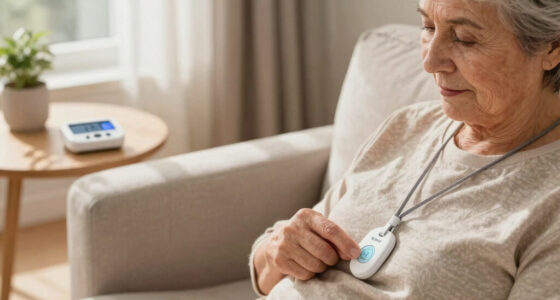
Monitored systems are like having a safety professional on call 24/7. When you press the button—say, after a fall or sudden illness—the device sends a signal straight to a dedicated monitoring center. Trained staff verify your situation and contact emergency services if needed.
This process matters because it ensures a rapid, professional response during critical moments, which can be the difference between life and death. For example, if someone falls and is unconscious, a monitored system’s automatic alert can summon help immediately, without relying on the user to make a call. This is especially vital for individuals with cognitive impairments or mobility issues, who might not be able to respond effectively in emergencies. The tradeoff, however, is the ongoing cost of monitoring services, which might be prohibitive for some, and the reliance on technology infrastructure—if the system fails or there’s a power outage, the safety net might weaken.
Recent data shows that monitored systems can cut emergency response times by around 50%, which emphasizes their importance for high-risk users. Yet, it’s also critical to consider that this level of responsiveness comes with higher costs and a dependence on service providers, which could impact long-term affordability and control over your safety setup.
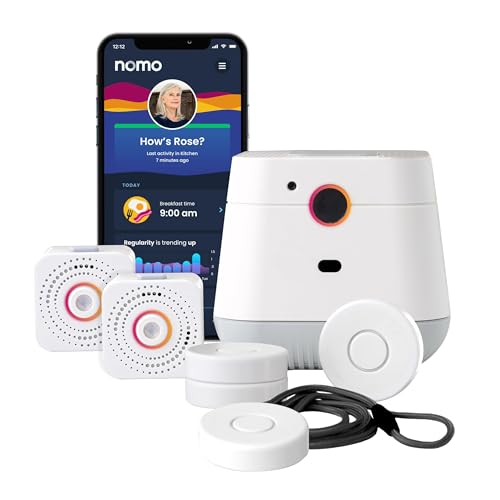
NOMO Smart Care Medical Alert System, Fall Detection for Seniors, WiFi in Home Monitoring Safety System, Emergency Call Button, Custom Fall Alert, Virtual Caregiver, 60-Day Trial, Monthly Subscription
NOMO SMART CARE ESSENTIAL KIT – A complete in-home monitoring safety system featuring a Smart Hub, two motion…
As an affiliate, we earn on qualifying purchases.
As an affiliate, we earn on qualifying purchases.
What Are Unmonitored Medical Alert Devices—And When Are They Useful?
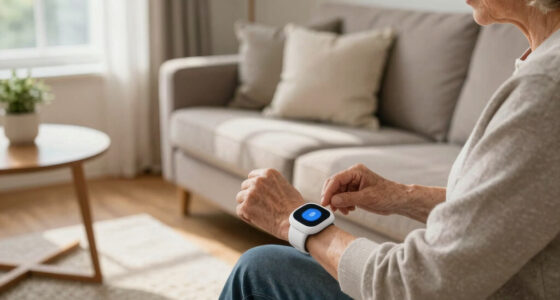
Unmonitored systems are more like personal emergency buttons or fall detectors linked directly to your contacts—family, friends, or caregivers. When activated, they ring a pre-set phone number or send an alert to someone you trust. This setup relies heavily on the responsiveness of your contacts, which introduces a significant variable—response time can vary widely depending on their availability and proximity.
This means that while unmonitored devices are simple and affordable, their effectiveness hinges on your contacts’ ability to respond quickly. For instance, if you fall in the evening when your daughter is asleep or busy, help might be delayed, increasing the risk of injury or complications. The advantage is that they are generally less expensive upfront and don’t require ongoing subscription fees, making them accessible for those with tight budgets or those who are mostly independent and only want a basic safety backup. However, this simplicity means that in emergencies, the system cannot automatically escalate the situation to professional responders unless a contact intervenes, which might not always happen immediately. Therefore, understanding the limitations and tradeoffs of unmonitored systems is crucial—while they provide a cost-effective safety net, they do not guarantee immediate or professional assistance in critical moments.
Choosing between these options involves weighing affordability against the potential need for rapid, professional help. For some, unmonitored devices are sufficient as a supplementary safety measure, but they are not a substitute for the comprehensive protection offered by monitored systems in high-risk scenarios.
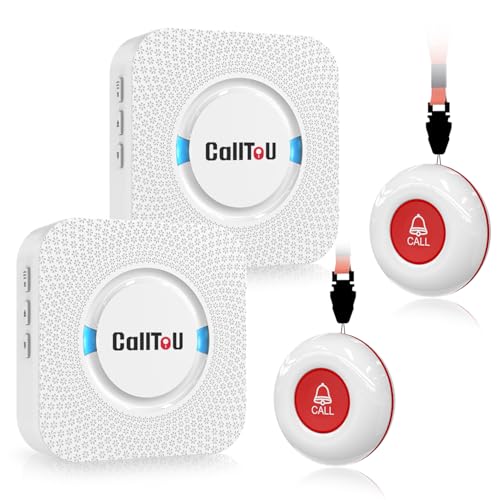
CallToU Wireless Caregiver Pager Smart Call System 2 SOS Call Buttons/Transmitters 2 Receivers Nurse Calling Alert Patient Help System for Home/Personal Attention Pager 500+Feet Plugin Receiver
[ Wireless Guard ] 2 Receiver 2 Call Button. Allow caregivers and residents to be free while ensuring…
As an affiliate, we earn on qualifying purchases.
As an affiliate, we earn on qualifying purchases.
Comparing the Two: Which System Fits Your Lifestyle?
| Feature | Monitored System | Unmonitored System |
|---|---|---|
| Response speed | Fast, professional help within minutes | Depends on contacts’ availability |
| Cost | Monthly fee of $20-$50; higher upfront costs | Lower upfront, no monthly fees |
| Coverage | Includes fall detection, GPS, two-way voice | Basic alert to contacts only |
| Ease of use | Setup with provider; often simple to operate | Plug-and-play, minimal setup |
| Ideal for | High-risk users, cognitive impairments, frequent falls | Mostly independent users, budget-conscious |
Deciding between these options involves evaluating your specific needs—consider your health risks, daily routine, and financial situation. For high-risk individuals or those with limited mobility, the rapid response and professional support of monitored systems can be life-saving, providing peace of mind and reducing response times. Conversely, if you’re mostly independent, healthy, and looking for an affordable safety backup, unmonitored devices offer a simple, cost-effective solution. Understanding these tradeoffs helps you make an informed decision aligned with your lifestyle and safety priorities.
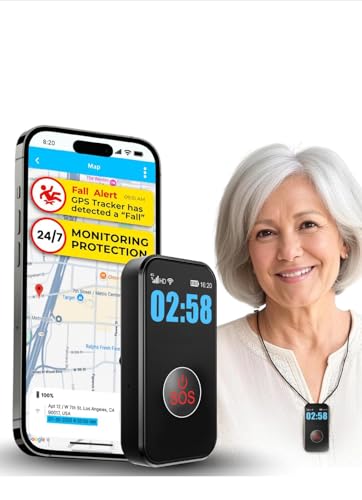
SecuLife Medical Alert Pendant for Seniors — Alerts Go Direct to Family, No Call Center | Auto Fall Detection, GPS Tracking, 2-Way Calling, No Contract, Waterproof Necklace
❤️ 𝐌𝐞𝐝𝐢𝐜𝐚𝐥 𝐀𝐥𝐞𝐫𝐭 𝐏𝐞𝐧𝐝𝐚𝐧𝐭 𝐰𝐢𝐭𝐡 𝐅𝐚𝐥𝐥 𝐃𝐞𝐭𝐞𝐜𝐭𝐢𝐨𝐧: Designed for seniors and individuals with medical conditions, this wearable alert…
As an affiliate, we earn on qualifying purchases.
As an affiliate, we earn on qualifying purchases.
What Are the Latest Tech Breakthroughs Improving Safety?
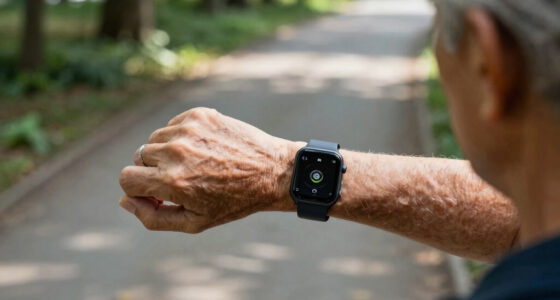
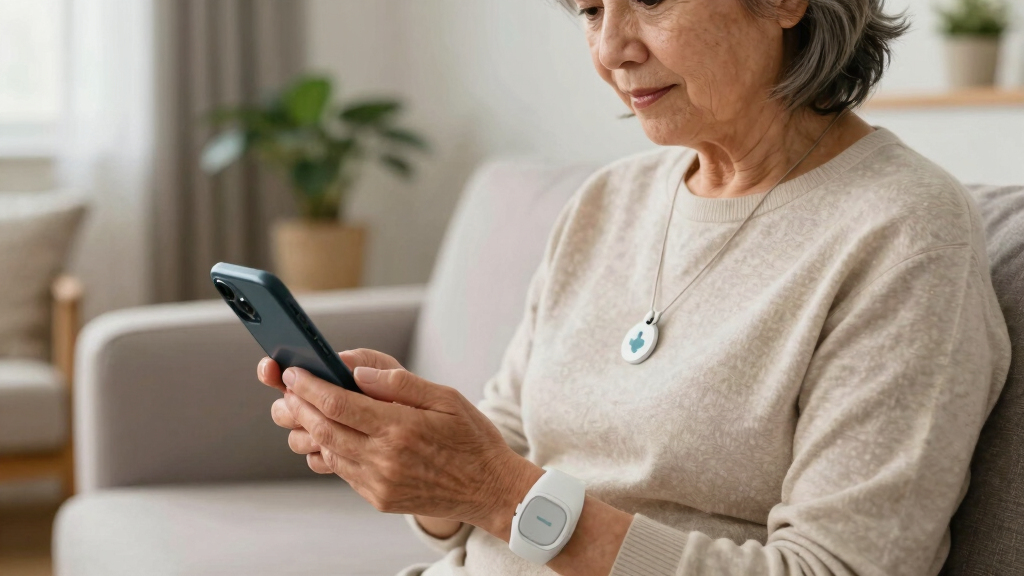
Recent innovations are transforming both options by adding sophisticated features that significantly enhance safety and convenience. Automatic fall detection, for example, can trigger alerts without user input, which is critical if you’re unconscious or unable to press a button. GPS-enabled devices allow users to summon help anywhere—whether at home or outdoors—reducing the limitations of fixed-location systems. These advancements mean that even if you’re outside your residence, your safety device can locate and connect you to help quickly, minimizing delays.
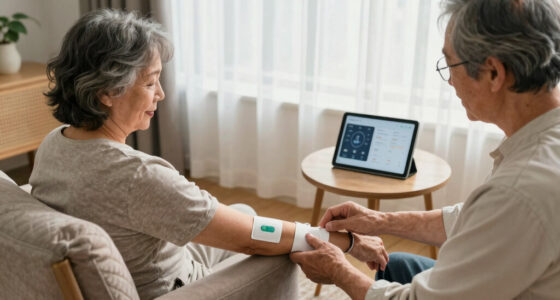
Smart integrations take this further—connecting alert devices with home automation systems, voice assistants, and motion sensors—creating a seamless safety ecosystem that responds intuitively to your environment. Cellular and Wi-Fi compatibility ensure reliable coverage even in areas without landlines, addressing one of the major vulnerabilities of traditional landline-based systems.
Moreover, AI-powered systems are emerging, capable of analyzing patterns over time to reduce false alarms—preventing unnecessary emergency responses—and personalizing alert protocols based on your habits and health status. These innovations collectively make safety systems more reliable, responsive, and tailored to individual needs, which is crucial in providing peace of mind and quick response during emergencies.
24/7 emergency response medical alert
As an affiliate, we earn on qualifying purchases.
As an affiliate, we earn on qualifying purchases.
What Should You Actually Look for in a Medical Alert System?
Not all features are equally important for every user. To make an informed choice, consider the specific risks and daily routines you face. For example, if you frequently go outdoors or exercise, GPS tracking and cellular connectivity are vital because they enable help to locate you outside your home and ensure connectivity without landlines. Conversely, if you primarily stay indoors and have minimal mobility issues, a system with fall detection and two-way voice might suffice.
Beyond features, evaluate the reliability and responsiveness of the system—look for providers with proven track records and positive reviews. Also, consider ease of use; a complicated device may discourage consistent use, reducing its effectiveness. Think about your comfort with technology and whether you prefer a device that’s simple to operate or one with advanced features that require some setup.
Ultimately, choosing features aligned with your lifestyle and safety concerns ensures that your system provides real peace of mind. For instance, active seniors who walk outdoors should prioritize GPS and cellular features, while those with cognitive impairments may benefit more from automatic fall detection and 24/7 professional monitoring.
Is It Better to Pay for Professional Monitoring or Save Money?
Deciding whether to invest in professional monitoring or opt for a simpler, unmonitored device depends on your individual risk profile, independence level, and financial considerations. For those with health issues, cognitive challenges, or a history of falls, the added layer of safety provided by professional monitoring can be invaluable. It acts as a safety net that activates automatically and ensures help arrives promptly, often making the difference between a manageable incident and a serious emergency.
However, if you’re generally healthy, active, and confident in your ability to respond to emergencies, unmonitored devices offer a more affordable alternative. They are easy to set up and operate, but they require your contacts to respond quickly when alerted—if they are unavailable, help may be delayed. This tradeoff highlights the importance of evaluating your personal circumstances and comfort with relying on others versus professional services.
Research indicates that monitored systems can cut emergency response times by up to 50%, which is critical in life-threatening situations. This statistic underscores that investing in monitoring can be a life-saving decision for many, especially those at higher risk.
Frequently Asked Questions
Which system is better for someone with frequent falls?
For frequent falls, a monitored system with automatic fall detection and 24/7 professional support provides the quickest response. It reduces the risk of delay and ensures help arrives promptly, which can be lifesaving.
Can I upgrade from an unmonitored to a monitored system later?
Yes, most providers allow switching or upgrading, often with minimal hassle. If your needs change or you want added peace of mind, transitioning is usually straightforward.
Are there privacy concerns with monitored systems?
Reputable providers follow strict privacy laws, like HIPAA, to protect your data. Always review the privacy policy before choosing a provider to understand how your information is handled.
How reliable are GPS features in medical alert devices?
GPS-enabled devices are highly reliable and can locate users within a few meters, making help accessible even when outside the home. This feature is especially useful for active seniors or outdoor enthusiasts.
What’s the biggest mistake people make when choosing a safety system?
Many focus solely on price and overlook crucial features like fall detection, cellular connectivity, or professional monitoring. Selecting a system that doesn’t match your lifestyle or safety needs can leave you vulnerable in emergencies.
Conclusion
Picking between monitored and unmonitored systems boils down to safety needs versus budget. For those at higher risk or with limited mobility, monitored systems offer a critical safety net that can save precious minutes—and lives. But for independent users seeking simple reassurance, unmonitored options still provide valuable peace of mind.
Remember: technology keeps evolving. Staying informed about new features can make your safety system smarter, more responsive, and better suited to your lifestyle. In safety, knowledge is your best protection—so choose wisely.